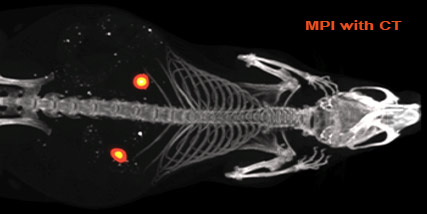
05/17/16 — Bioengineering & EECS professor Steven Conolly and his lab are world leaders in development of a new nanoparticle-based medical imaging procedure, Magnetic Particle Imaging.
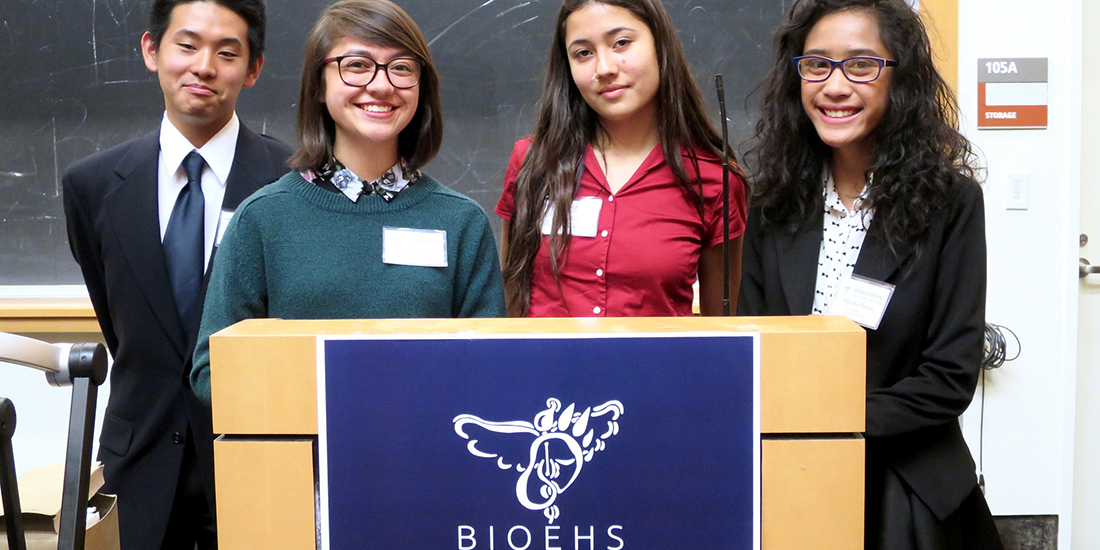
04/27/16 — Berkeley's Bioengineering Honor Society recently hosted 22 high school teams for an annual competition designed to make engineering and STEM more accessible.
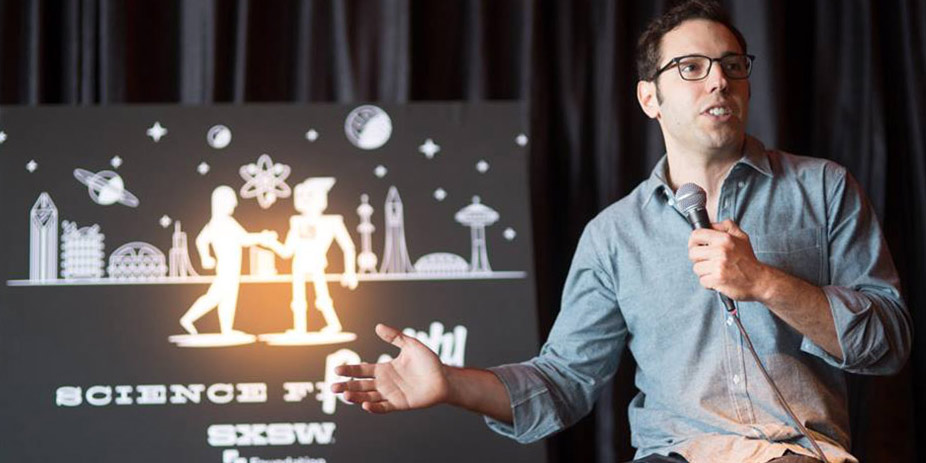
04/25/16 Foundation Capital — David Breslauer (Ph.D.'10 BioE), co-founder and and chief scientific officer at Bolt Threads, spoke at SXSW this month about what it takes to bring a technology like synthetic silk out of a lab and into a marketplace of your own creation.
04/20/16 — Professors Jay Keasling (chemical and bioengineering) and Scott Shenker (EECS) are among nine UC Berkeley faculty members elected to membership in the American Academy of Arts and Sciences, one of the country's oldest learned societies and independent policy research centers.
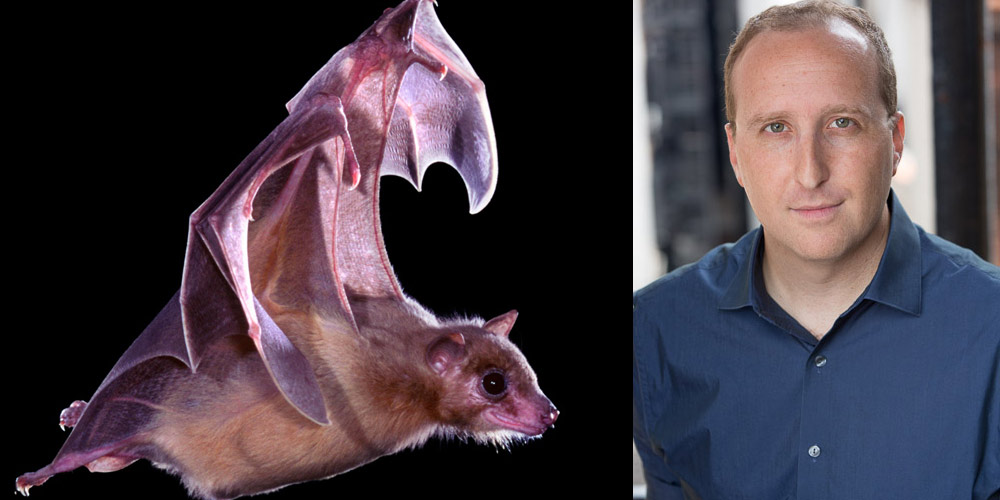
04/15/16 — Michael Yartsev, an assistant professor of bioengineering, was one of three young UC Berkeley faculty members appointed Searle Scholars this week. He will receive $300,000 for the next three years to support his research into the neural basis of spatial habit learning using free-flying echolocating bats.
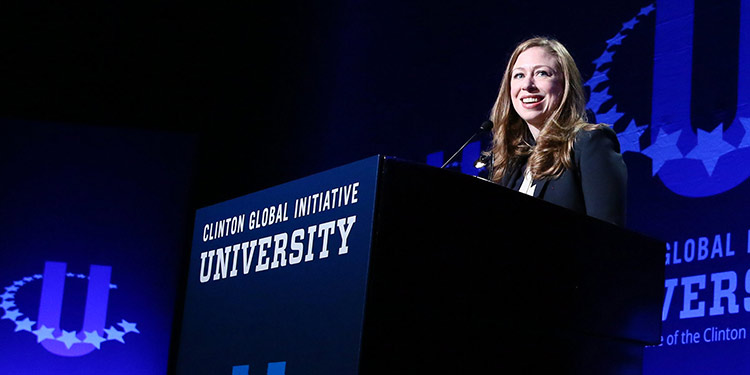
04/01/16 — Engineering undergrads Ankita Joshi (B.S.'16 ME) and Anh-Thu Ho (B.S.'16 BioE) are among more than 1,000 students gathering at Berkeley this weekend for the Clinton Global Initiative University, a chance to discuss pressing global issues and dig deep for creative solutions.
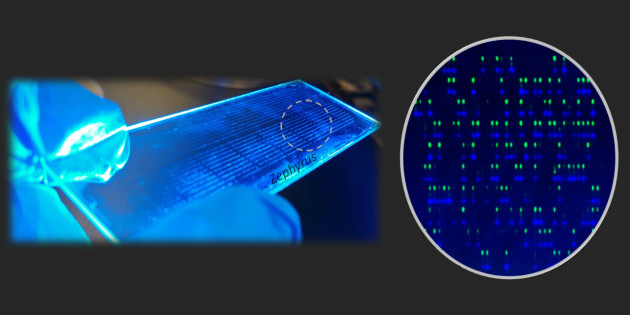
03/23/16 GEN — Zephyrus Biosciences, a company spun out of bioengineering professor Amy Herr's lab and nurtured by SkyDeck and the Bakar Fellows program, has been acquired by Bio-Techne Corp. to commercialize its single-cell Western Blot technology.
02/26/16 — For career-focused students, the biomedical industry can seem like an exclusive club. But UC Berkeley's Bio-Manufacturing to Market program holds the key, providing internships that connect science and engineering undergrads with biomedical and biotech startups in the East Bay.
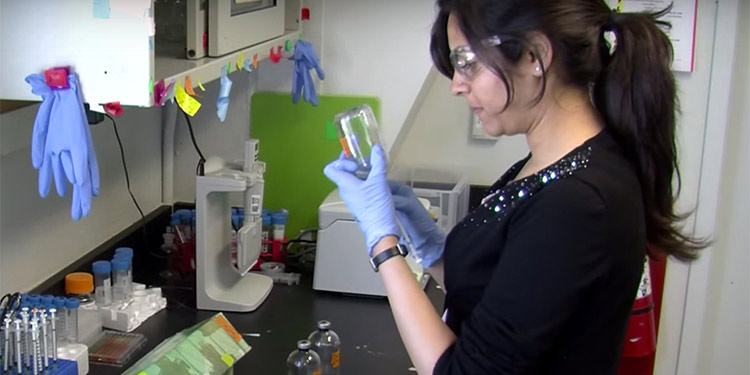
01/29/16 Blum Center — Rachel Gerver (Ph.D.'14 BioE), among the first generation of UC Berkeley students in development engineering, talks about her background and her interest in getting new medical technologies to market, where they can have an impact on patients' lives.
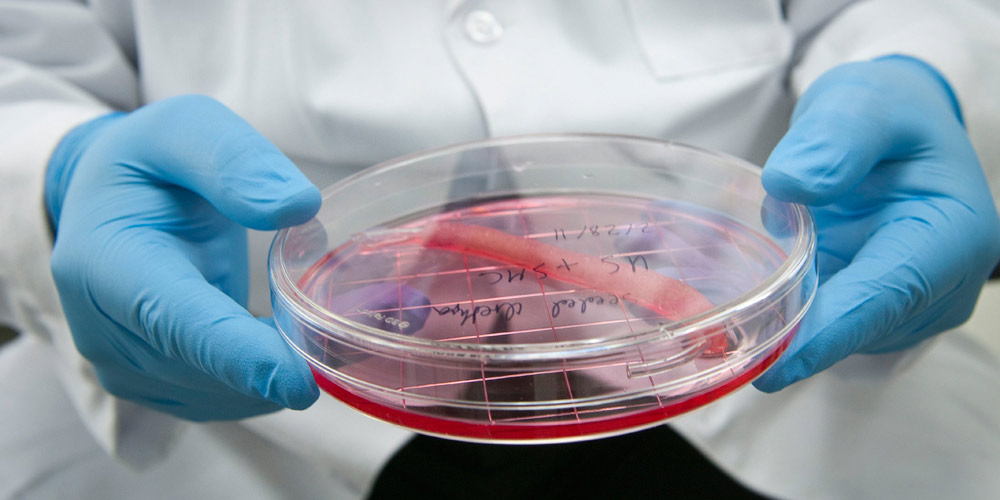
01/26/16 LiveScience — A roundup of recent successes in cultivating human body structures ranges from fallopian tubes to 3D-printed ears to the heart muscle cells, grown in Berkeley bioengineer Jay Keasling's lab, that could speed the screening of drugs.
01/05/16 Forbes — Bioengineering Ph.D. student Shang Song, co-founder of Rynm health, has been named to Forbes magazine's 30 Under 30. Rynm will collect and aggregate chronic disease data from patients to create meaningful pictures of community health in developing countries.
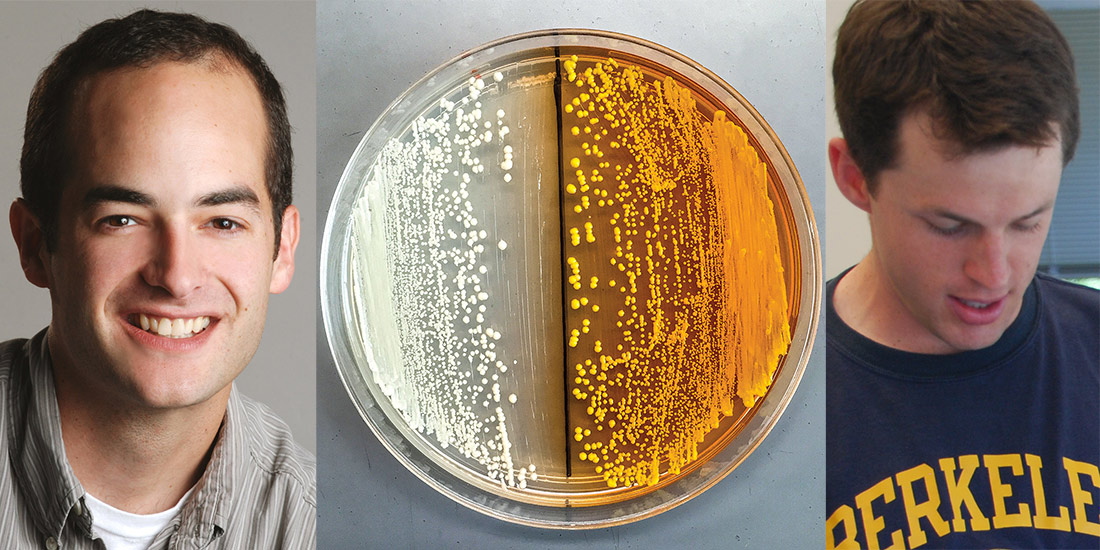
01/05/16 Science — A breakthrough from bioengineer John Dueber's lab, led by BioE PhD William DeLoache, was a runner-up for Science magazine's 2015 breakthrough of the year. They were recognized for creating an engineered yeast that can convert sugar into the makings of opioid painkillers.
12/03/15 Foreign Policy — Bioengineering professor Daniel Fletcher has been named a top innovator of 2015 by Foreign Policy magazine for his development of the CellScope Loa, a 3D-printed plastic base that turns a cell phone into a disease-finding video microscope.
11/20/15 Time — The Eko Core smart stethoscope, developed by CEO Connor Landgraf (B.S'13, M.Eng'14 BioE) and his team at Eko Devices, has been named one of the 25 best inventions of 2015 by Time magazine.
11/01/15 — Bioengineering professor Kevin Healy and his team have developed a “heart on a chip” and “heart on a dot,” potentially opening more accurate and efficient drug screening methods.
11/01/15 — This fall, the CellScope team has adapted their device to analyze images of parasitic Loa loa worms to determine the safety of a treatment for river blindness (onchocerciasis).
11/01/15 — Traditional polymerase chain reaction genetics tests take hours and lots of energy to perform. Researchers have now cut the waiting time and cost of the photonic PCR system without losing resolution.
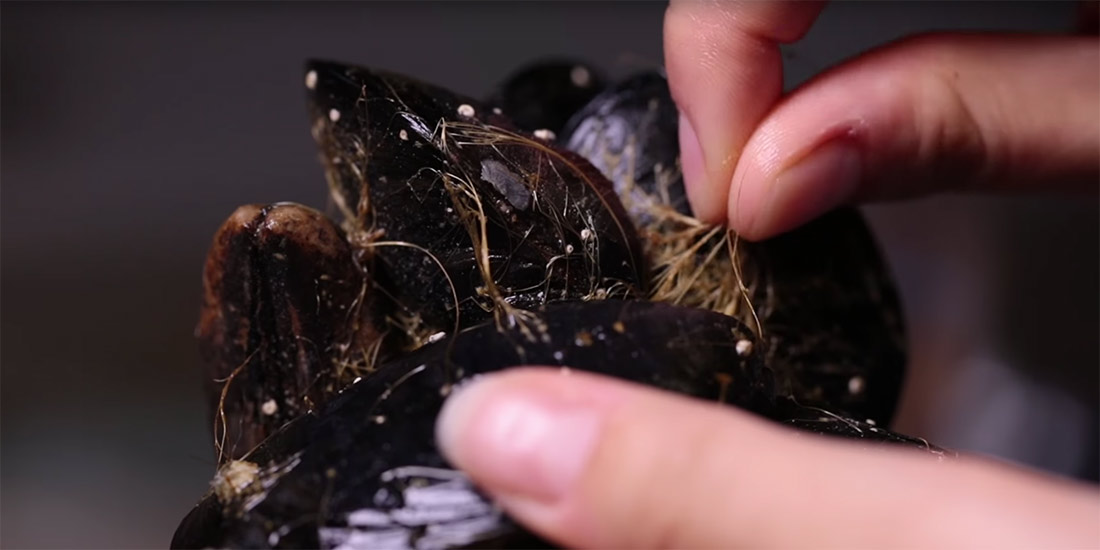
11/01/15 — Where some people see mere cobwebs, David Breslauer sees nature's most robust fiber. Now the bioengineering Ph.D.'s company, Bolt Threads, has learned how to mimic spider silk in the lab - without spiders.