03/26/15 Nature — Characteristics adapted from lizards, ivy and other natural materials could help to engineer everyday objects with remarkable properties. Professor Phillip Messersmith, a Berkeley materials scientist and bioengineer, is studying mussel adhesive, which is ideal for securing objects underwater.
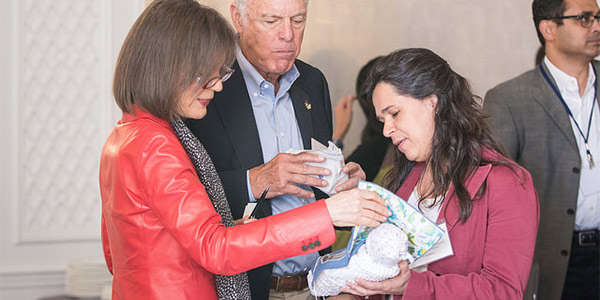
03/25/15 — Sixteen UC Berkeley faculty, including many Berkeley Engineers, who are conducting commercially promising research supported by the Bakar Fellows Program traveled to San Francisco to deepen their connections with prominent venture capital firms, industry partners and entrepreneurs.
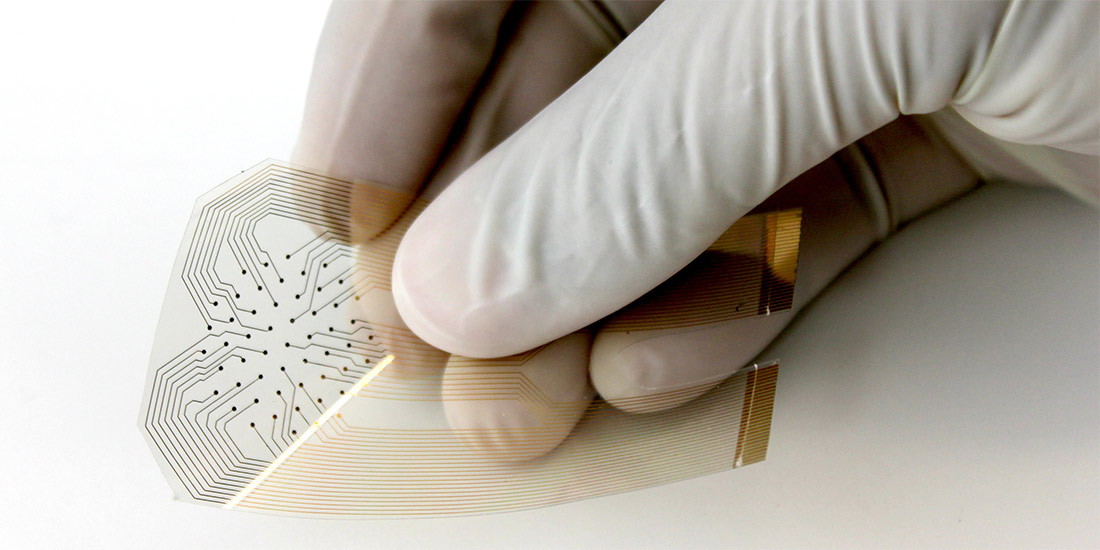
03/18/15 — Berkeley engineers have created a “smart bandage” that uses electrical currents to detect tissue damage from pressure ulcers, or bedsores, before they can be seen - while recovery is still possible.
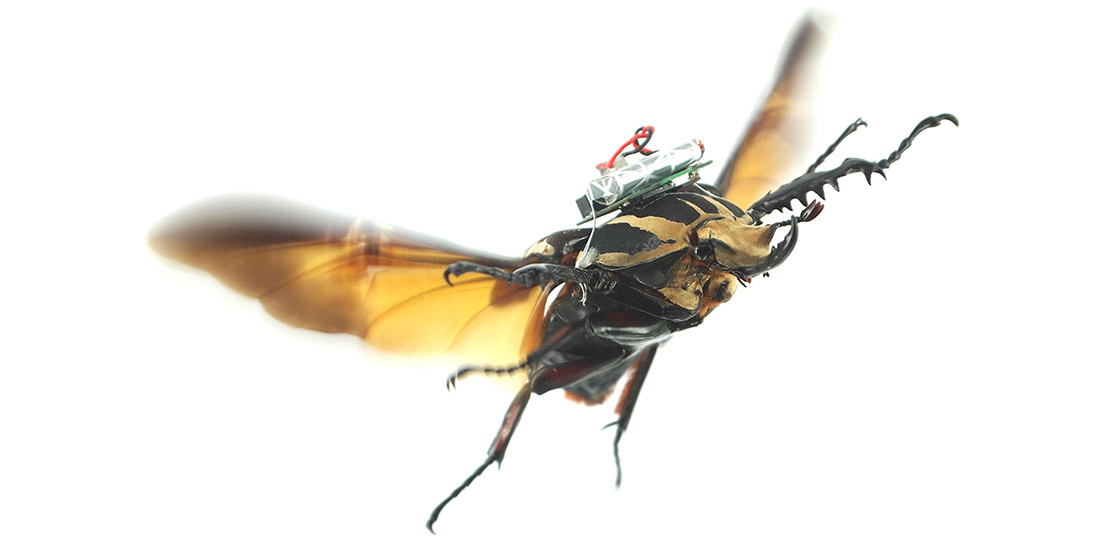
03/16/15 — Remote-controlled beetles equipped with radio backpacks are showcasing the potential of miniature electronics in biological research led by Berkeley engineers and Singapore's Nanyang Technological University.
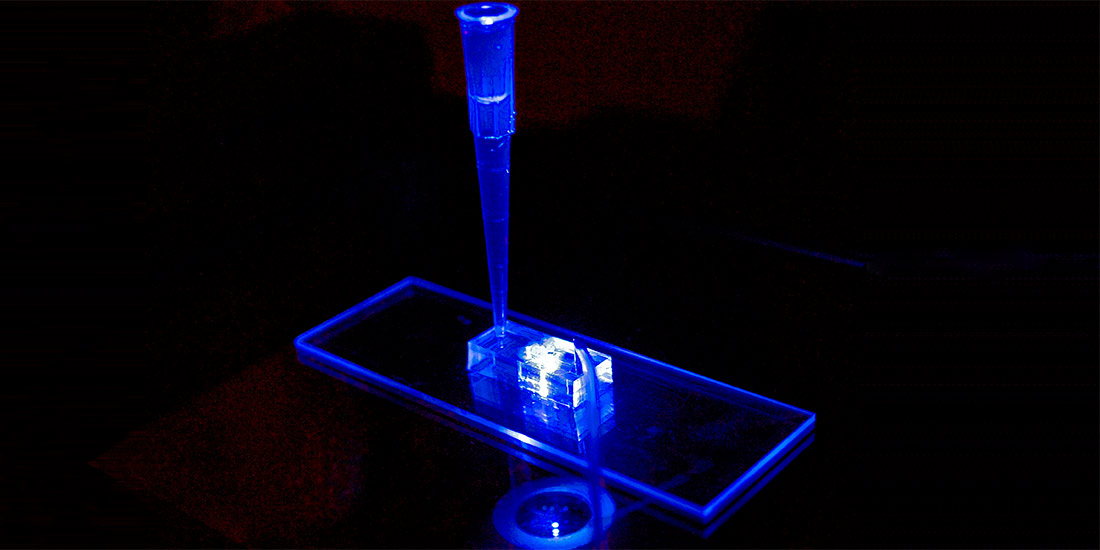
03/09/15 — Researchers have created a “heart-on-a-chip” technology that effectively uses human cardiac muscle cells derived from adult stem cells to model how a human heart reacts to cardiovascular medications. The system could one day replace animal models to screen for the safety and efficacy of new drugs.
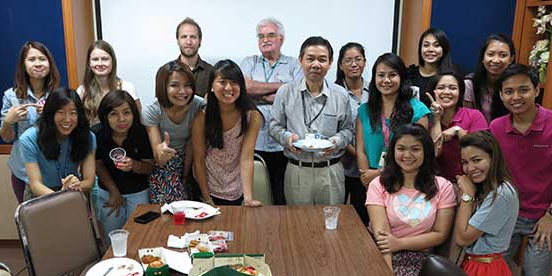
02/25/15 Blum Center — The career trajectory of Ashley Tsai, bioengineering and material science major, was transformed by a Global Policy and Practice experience at Kohn Kaen University in Thailand, where she researched liver fluke infections, a disease common among the rural poor in many countries.
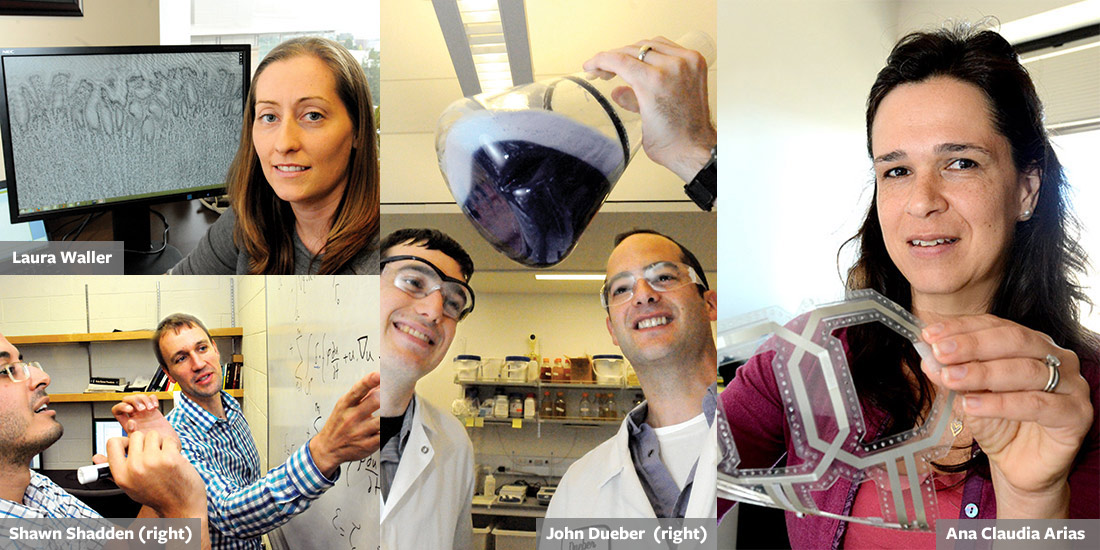
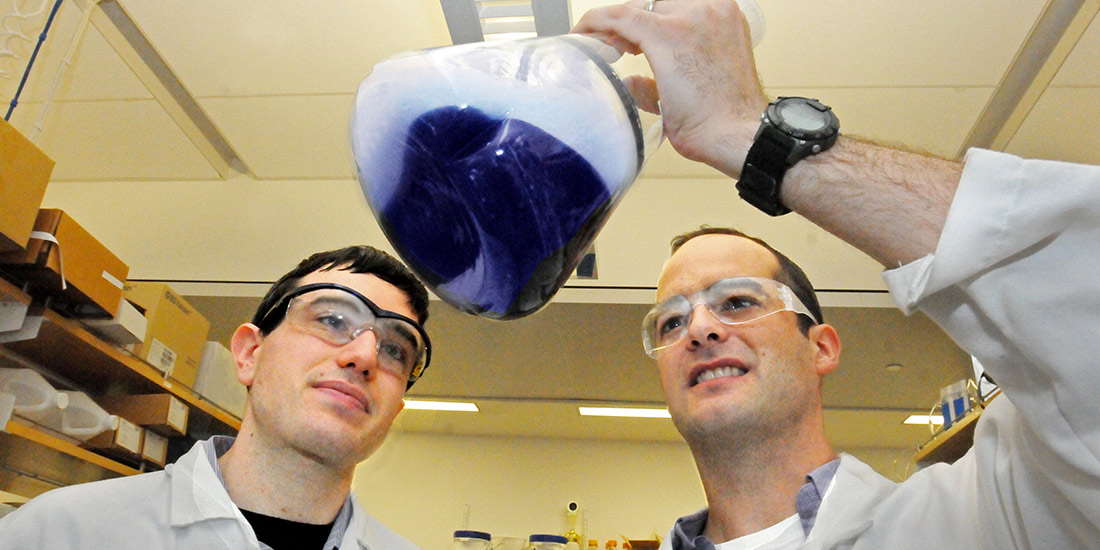
02/23/15 Berkeley Research — The indigo that dyes your favorite pair of jeans blue is wildly popular, but very "dirty" to synthesize chemically. Bioengineering professor and Bakar fellow John Dueber thinks he has found an environmentally green way for industry to churn out the dye without toxic compounds.
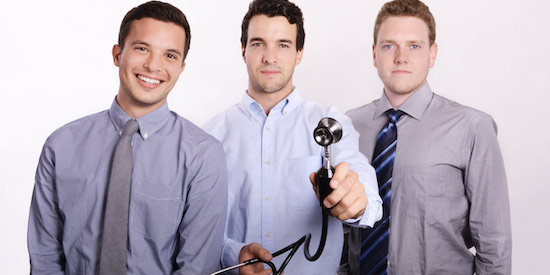
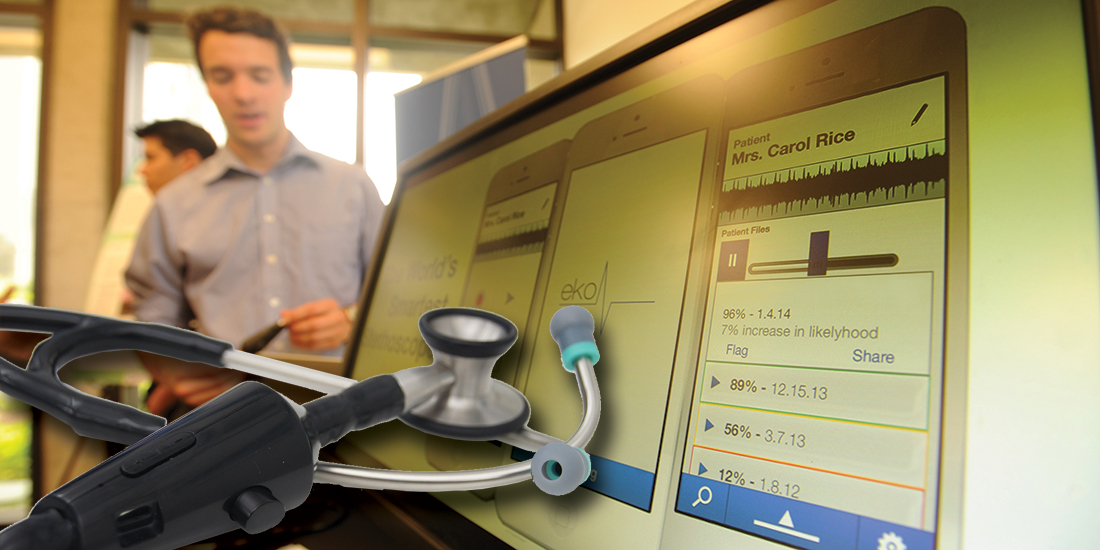
01/20/15 California magazine — The SkyDeck Berkeley startup accelerator landed two teams on Forbes magazine's "30 Under 30" list of the brightest entrepreneurial stars, including Eko Devices (founded by Berkeley bioengineer Connor Landgraf), which developed the Core digital stethoscope.
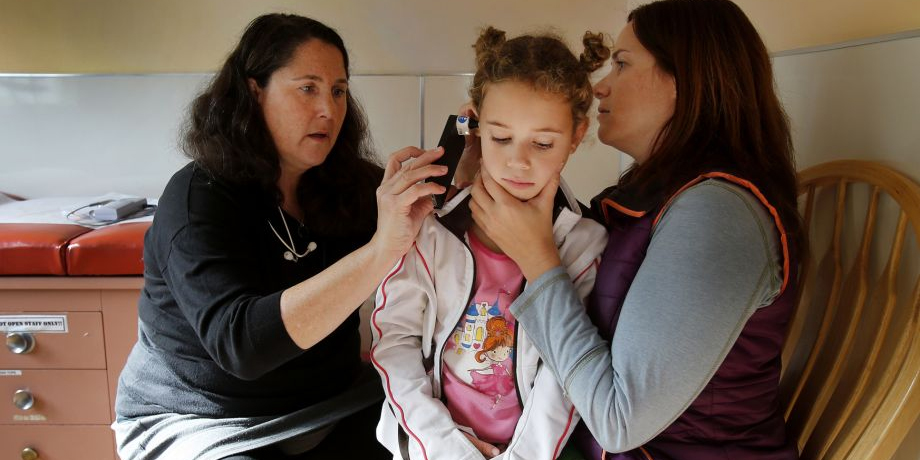
12/09/14 SFGate — CellScope, a San Francisco startup born in Dan Fletcher's bioengineering lab, believes that telemedicine's next frontier is buried under earwax. On Tuesday, the company started selling a device that transforms an iPhone into an ear-viewing otoscope.
11/21/14 Silicon Valley Bank Trek — Bioengineering undergraduate Zachary Zeleznick was one of 18 students from around the country selected to participate in the 2014 Silicon Valley Bank Trek. The Trek brings together top student innovators for a 3-day series of events with a “who's who” of influential investors and entrepreneurs in the tech community.
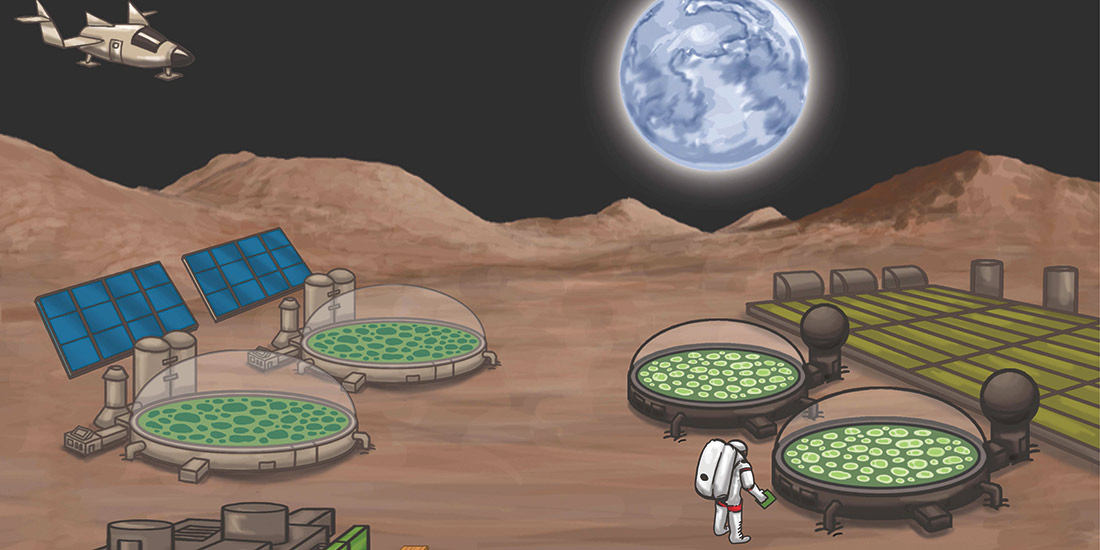
11/06/14 — Genetically engineered microbes could help make manned missions to Mars, the moon and other planets more practical, according to a new analysis by UC Berkeley bioengineers and NASA scientists.
11/01/14 — BioE alum Connor Landgraf has transformed the classic stethoscope into a tool with the potential to save lives and eliminate billions of dollars a year in unnecessary spending.
11/01/14 — Assistant professor in the mechanical engineering department since 2013, Grace O'Connell discusses her background, her first year at the college and her work in tissue engineering and spinal biomechanics.
11/01/14 — Led by bioengineering professor Irina Conboy, Berkeley researchers found that oxytocin-the hormone associated with social attachments, childbirth and sex-may combat age-related muscle degeneration.
11/01/14 — EECS professor Michel Maharbiz and bioengineering graduate student Daniel Cohen found that an electrical current can orchestrate the migration of a group of cells into a shape of their choosing.
10/30/14 — Charvi Shetty is the CEO and founder of KNOX Medical Diagnostics, a company specializing in cloud-connected personalized care for asthmatics. With the support of the Foundry@CITRIS, she is currently working on building a better asthma-monitoring device.
10/14/14 — Berkeley bioengineers have taken proteins from nerve cells and used them to create a “smart” material that is extremely sensitive to its environment. This marriage of materials science and biology could give birth to a flexible, sensitive coating that is easy and cheap to manufacture in large quantities.