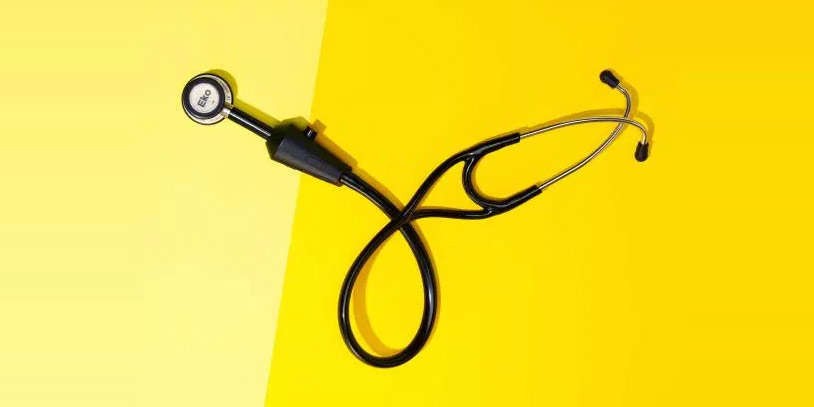
11/20/15 Time — The Eko Core smart stethoscope, developed by CEO Connor Landgraf (B.S'13, M.Eng'14 BioE) and his team at Eko Devices, has been named one of the 25 best inventions of 2015 by Time magazine.
11/01/15 — Bioengineering professor Kevin Healy and his team have developed a “heart on a chip” and “heart on a dot,” potentially opening more accurate and efficient drug screening methods.
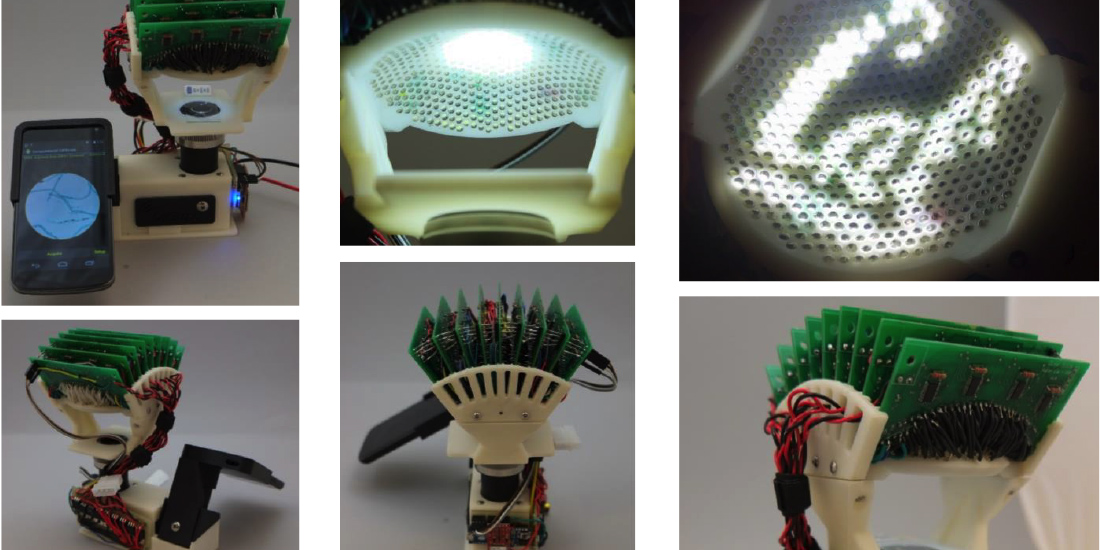
11/01/15 — This fall, the CellScope team has adapted their device to analyze images of parasitic Loa loa worms to determine the safety of a treatment for river blindness (onchocerciasis).
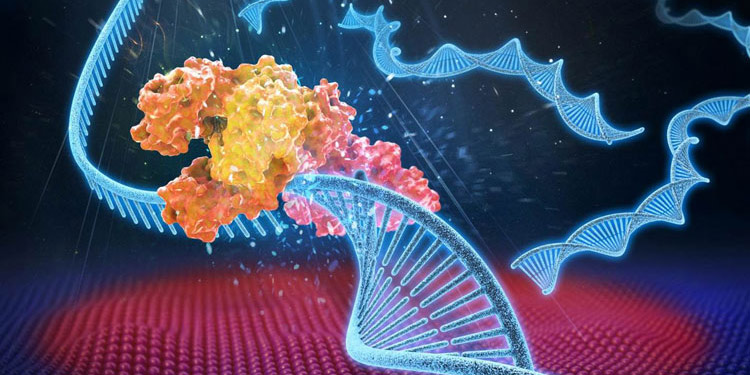
11/01/15 — Traditional polymerase chain reaction genetics tests take hours and lots of energy to perform. Researchers have now cut the waiting time and cost of the photonic PCR system without losing resolution.
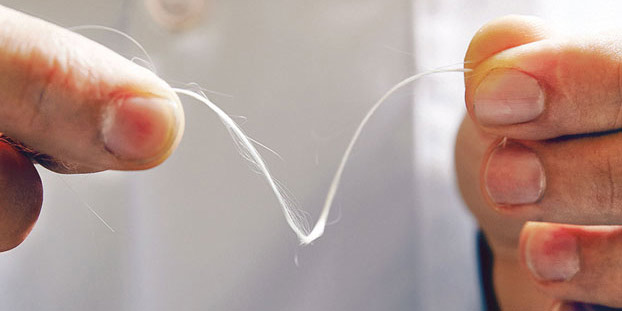
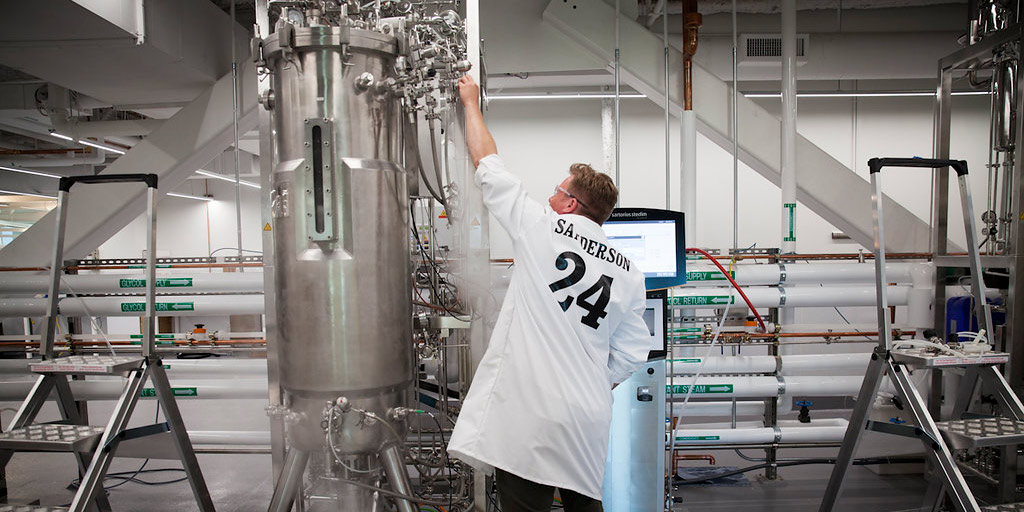
11/01/15 — Where some people see mere cobwebs, David Breslauer sees nature's most robust fiber. Now the bioengineering Ph.D.'s company, Bolt Threads, has learned how to mimic spider silk in the lab - without spiders.
09/21/15 MIT Technology Review — A California company founded by UC Berkeley alumni may have figured out how to use genetic engineering to make extremely versatile fibers the way spiders can.
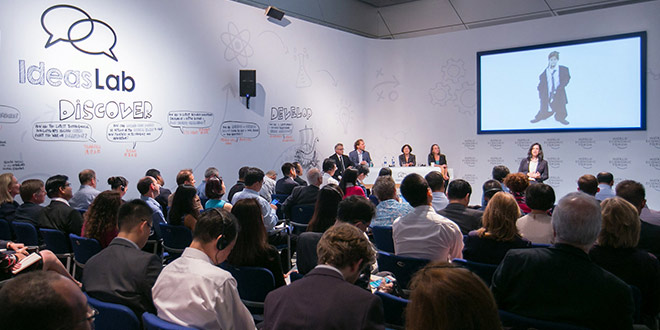
09/18/15 — Four Berkeley Engineering professors took part in the World Economic Forum's ninth Annual Meeting of the New Champions last week in Dalian, China, leading a discussion on how breakthroughs in medical diagnostic technologies are transforming healthcare.
09/11/15 — The Siebel Scholars Foundation has named its 2016 class of exceptional graduate students, including nine from Berkeley. The Berkeley cohort includes five students from bioengineering, three from computer science and one from energy science.
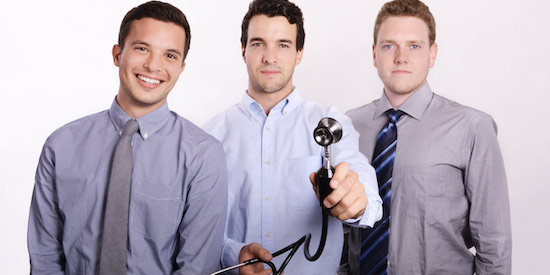
09/08/15 LA Times — The Eko Core digital stethoscope, developed by a trio of Berkeley alumni, aims to bring auscultation - the ancient medical practice of listening to a patient's heartbeat - squarely into the 21st century. It was cleared for sale in the U.S. this month.
08/20/15 — Scientists at UC Berkeley have developed a novel way to engineer the growth and expansion of energy-burning “good” fat, and then found that this fat helped reduce weight gain and lower blood glucose levels in mice. The technique could lead to new approaches to combat obesity, diabetes and other metabolic disorders.
07/31/15 — New technology developed by Berkeley bioengineers promises to make a workhorse lab tool cheaper, more portable and many times faster by turbocharging the thermal cycling of genetic samples with the switch of a light.
07/23/15 — Where some people see mere cobwebs, David Breslauer sees nature's most robust fiber. Now the bioengineering Ph.D.'s company, Bolt Threads, has learned how to mimic spider silk in the lab - without spiders.
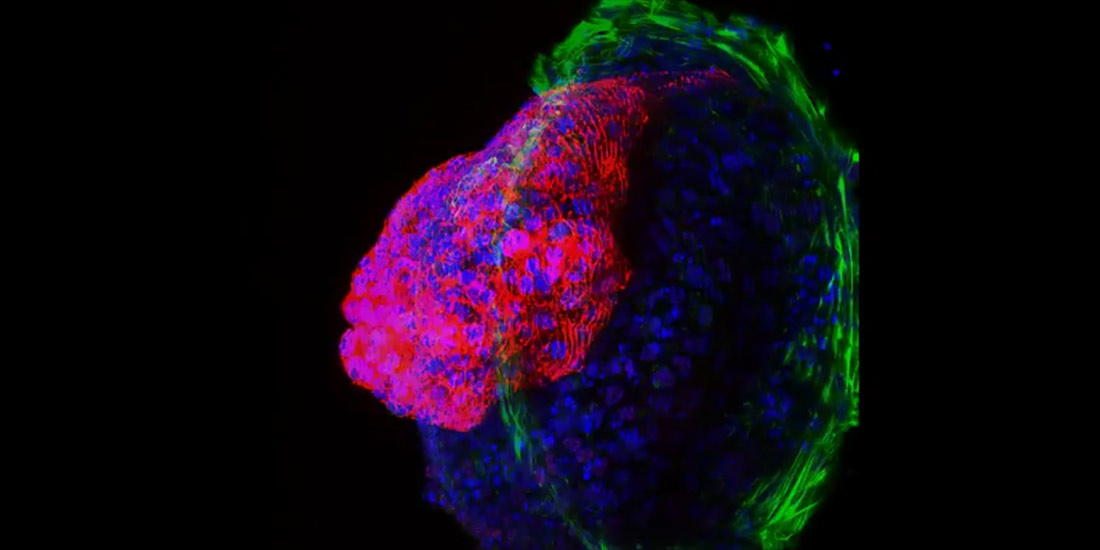
07/14/15 — Berkeley bioengineers, in collaboration with scientists at the Gladstone Institutes, have developed a template for growing beating cardiac tissue from stem cells, creating a system that could serve as a model for early heart development and a drug-screening tool to make pregnancies safer.
06/17/15 — UC Berkeley bioengineers have developed an easy way to put bacteria under a molecular lock and key in order to contain its accidental spread. The method shows promise as a practical method of biocontainment to safeguard advances in synthetic biology and genetic engineering.
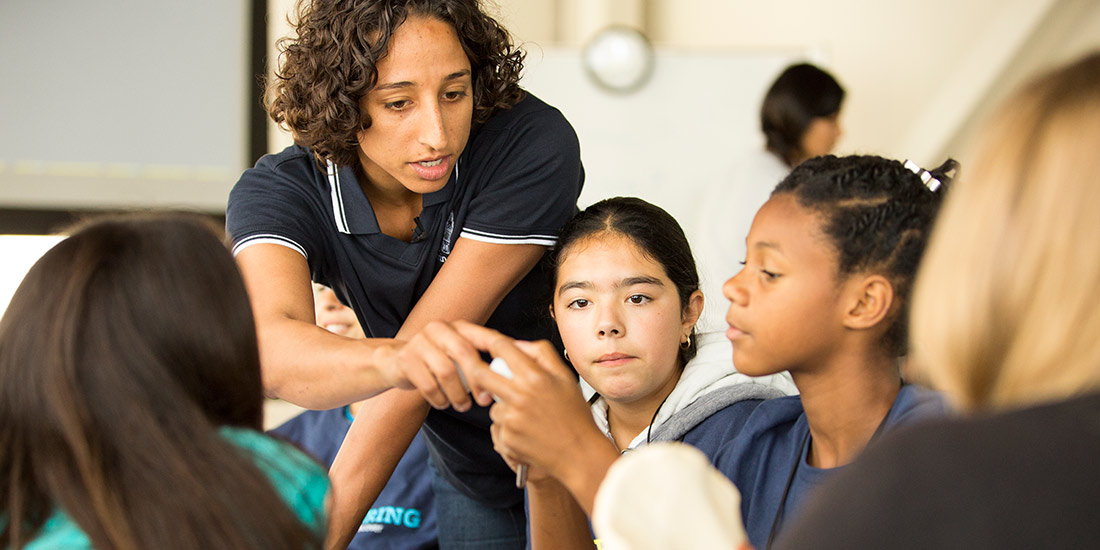
06/17/15 — From Dean Sastry: In order to increase the representation of women in engineering, we are moving beyond good intentions with proven strategies for sustaining their interest and fostering leadership.
06/04/15 Bloomberg Business — David Breslauer (Ph.D'10 BioE) is the chief scientific officer of Bolt Threads, a startup company developing technology to genetically modify yeast to produce silk-like proteins - a potentially revolutionary development for the apparel industry.
05/20/15 New York Times — A fermentation process that produces heroin's raw ingredient has stirred debate over whether the drug trafficking trade could benefit more than the pharmaceutical industry.
05/18/15 — Research led by Berkeley bioengineers has completed key steps needed to turn sugar-fed yeast into a microbial factory for producing therapeutic drugs. But because the work could lead to home-brewing of opiates and other controlled substances, the researchers warn that regulators and law enforcement need to pay attention, too.