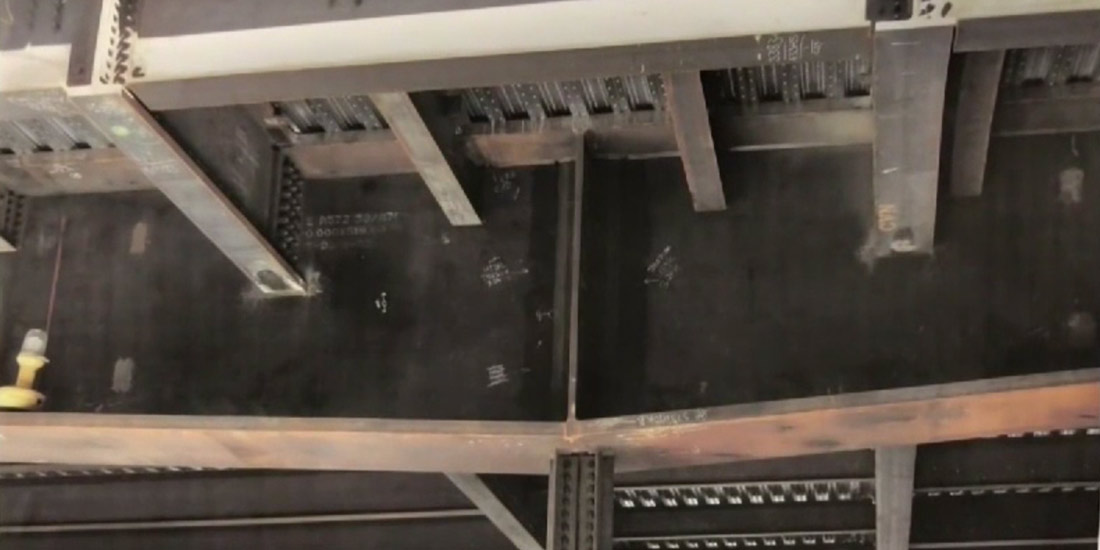
09/27/18 NBC Bay Area — Calling cracks in specially fabricated beams at San Francisco's new Transbay Terminal potentially “catastrophic,” Rune Storesund, executive director of UC Berkeley's Center for Catastrophic Risk Management, said, “You want to be looking at imperfections in the steel.”
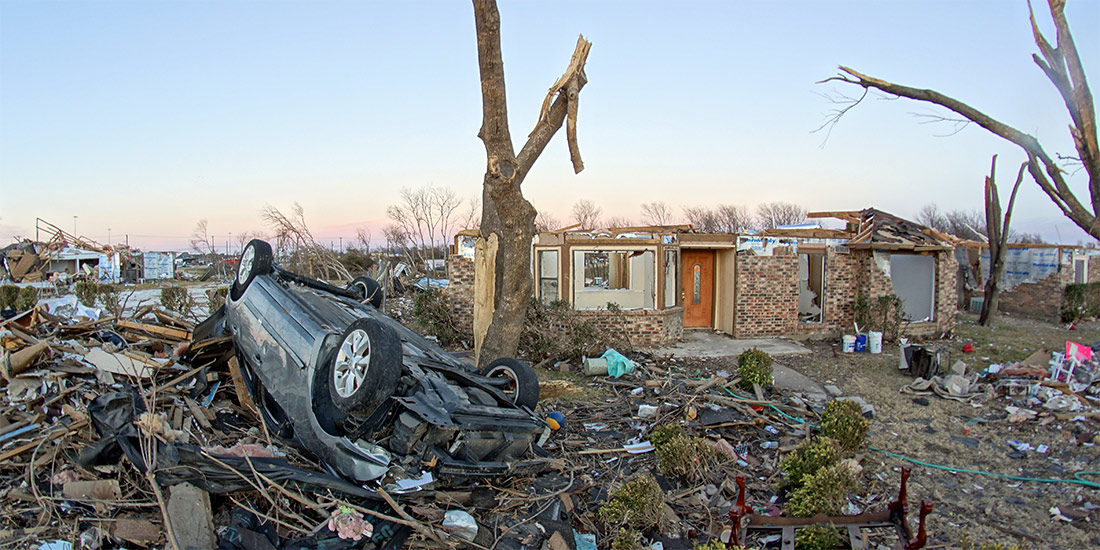
08/15/18 PEER — The National Science Foundation has awarded a grant to the Structural Extreme Events Reconnaissance (StEER) Network, which aims to improve reporting and coordination by the natural hazards engineering community in the aftermath of earthquakes, hurricanes, tornadoes and other extreme events. UC Berkeley is one of StEER's three primary nodes.
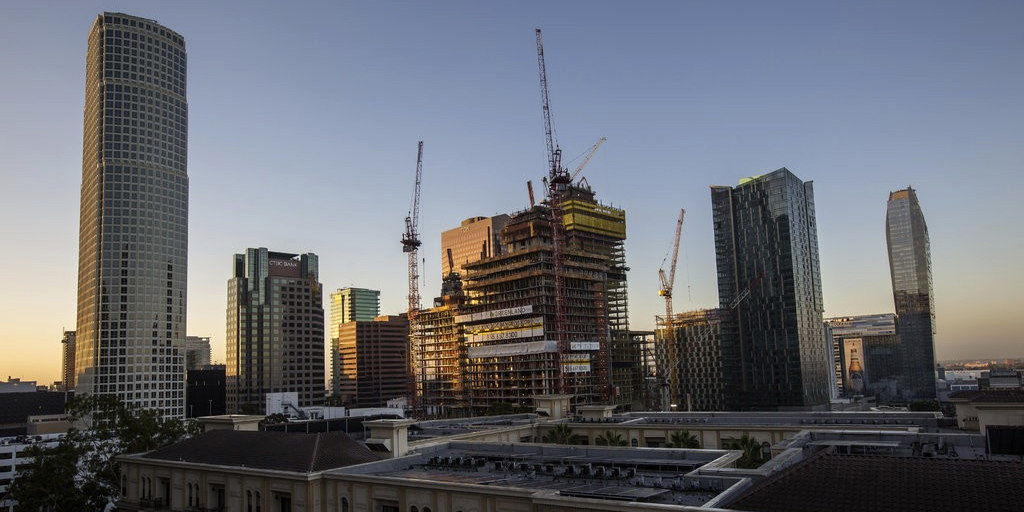
06/28/18 New York Times — "There are going to be large changes coming" in the calculation of risk faced by by tall buildings during a major West Coast earthquake, adjunct civil and environmental engineering professor Norman Abrahamson told a conference of earthquake engineers in Los Angeles.
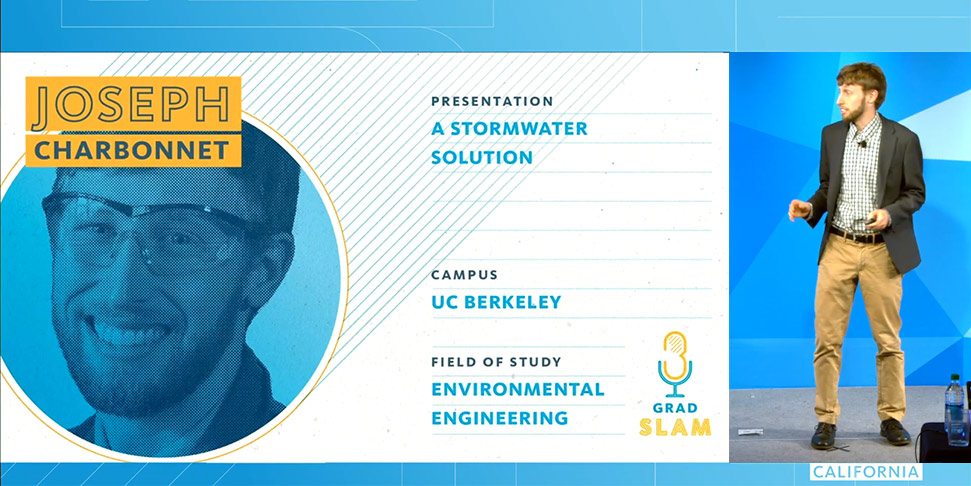
05/04/18 Graduate Division — At the UC-wide Grad Slam competition on May 3, environmental engineering doctoral student Joseph Charbonnet brought home the first-place ‘Slammy' - and $9,000 in prize money - for his three-minute talk on using manganese-coated sand to capture, clean and re-use stormwater.
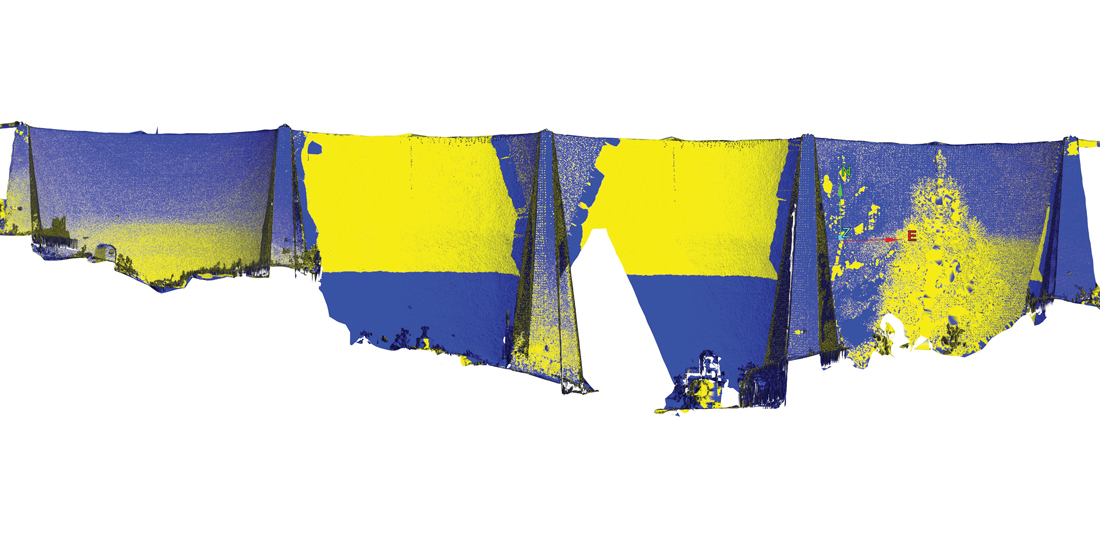
02/16/18 — Two civil engineering students built a 3-D model of Berkeley's campus to better understand what's going on with one of California's many aging dams.
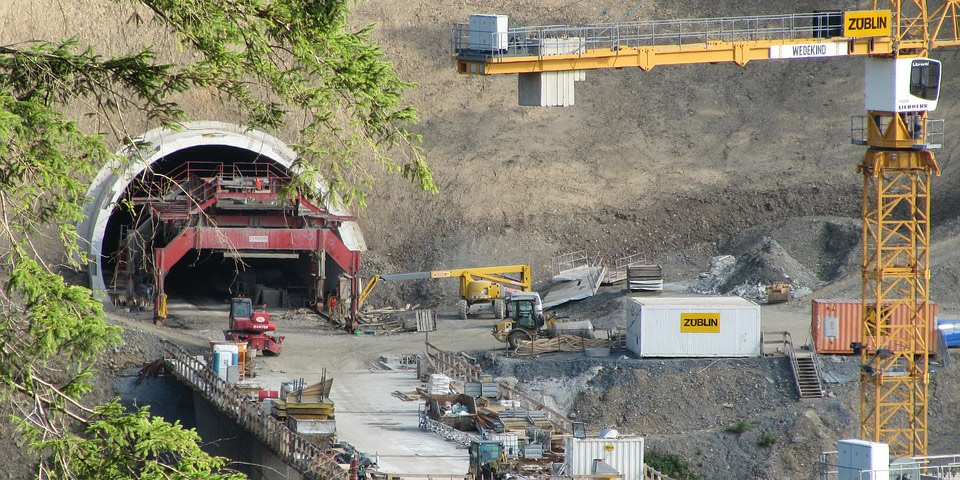
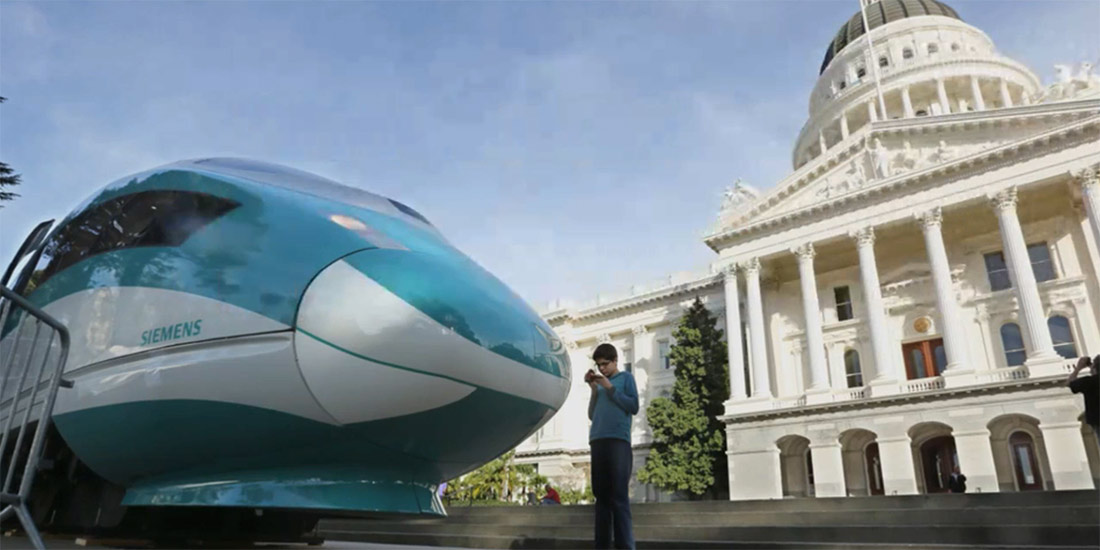
01/05/18 Newsweek — The Trump administration contends that underground tunnels to carry high-speed rail lines can be built without a dime of federal funding. But critics, including civil and environmental engineering professor C. William Ibbs, head of Berkeley's Construction Management program, suggest there's nothing easy about that kind of tunneling, and it will surely require government oversight.
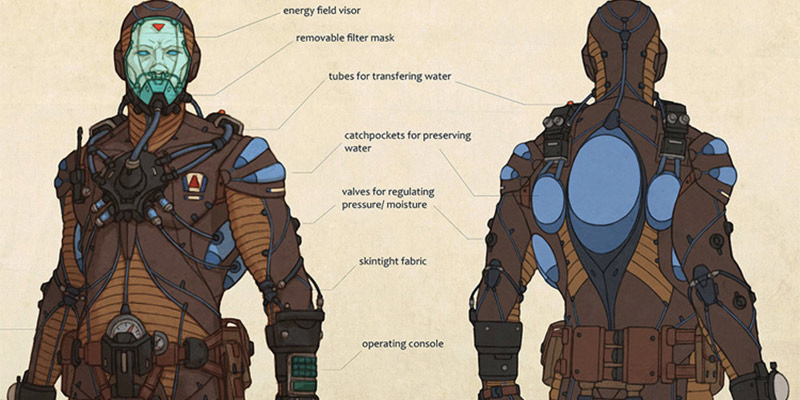
11/06/17 — Berkeley water expert David Sedlak, a professor of civil & environmental engineering, says cities may soon have to develop their own version of the science fiction novel Dune's "stillsuit" to recycle wastewater for drinking.
10/23/17 LA Times — A critical part of California's high-speed rail project is a 13.5-mile tunnel through the Diablo Range - a landmark project whose costs may greatly exceed initial expectations. "This is not good news for taxpayers of California," says civil engineering professor William Ibbs, who has consulted on similar rail projects around the world.
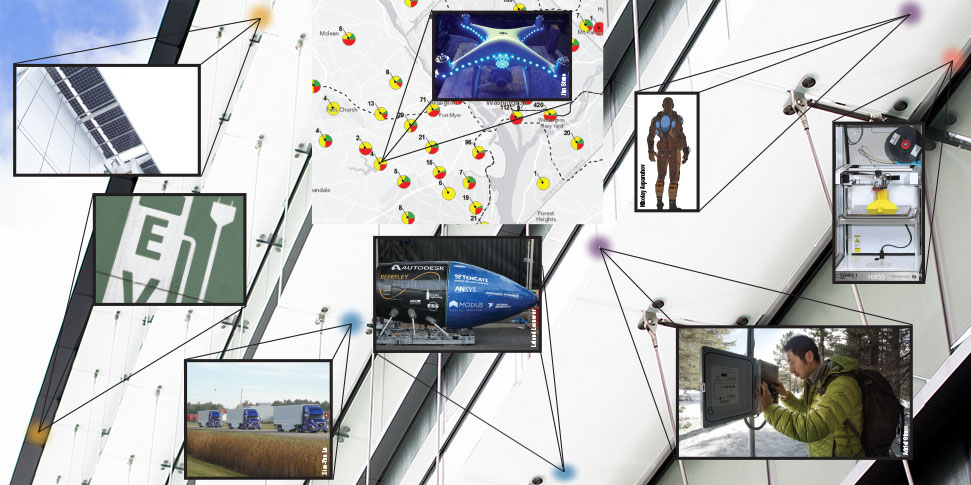
10/02/17 — Building-in-Briefcase is a new toolkit consisting of wireless sensors that monitor and communicate overall building health and function. The system, which can be used to retrofit intelligence into existing buildings, is designed to increase energy efficiency.
09/12/17 — Over 90 percent of wastewater generated on the planet every day is dumped into the environment without any treatment. CEE alum Ashley Muspratt is working on a solution.
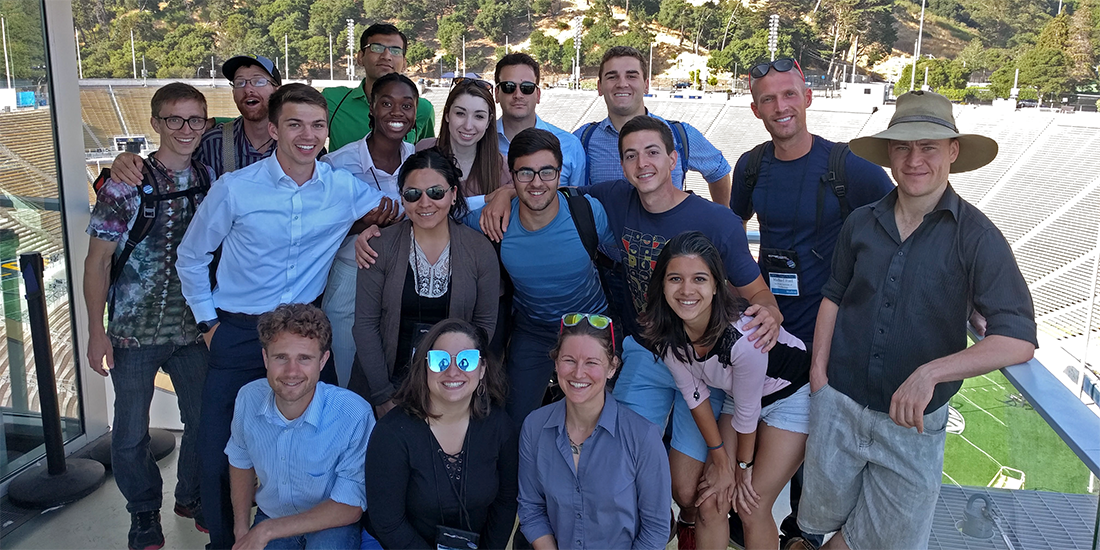
08/24/17 — Two dozen students from all over the world gathered at Berkeley for two weeks over the summer to discuss, plan and help start building a new nuclear energy sector. The students, along with professional mentors and speakers, were part of the 2017 Nuclear Innovation Boot Camp.
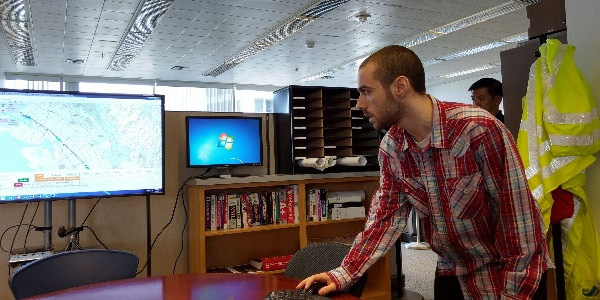
08/23/17 Mass Transit — When EECS senior Armen Chouldjian returns to UC Berkeley in the fall, he'll ride BART knowing his summer internship helped increase safety and reliability for all the transit system's riders.
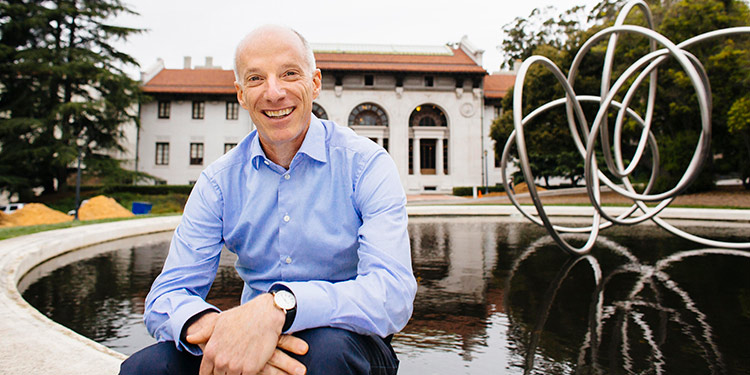
06/23/17 — David Sedlak, professor of civil and environmental engineering, says our aging urban water infrastructure needs a major upgrade in order to keep our cities thriving. He spoke with Berkeley News about technologies being developed to recycle water, capture storm water and use water more efficiently.
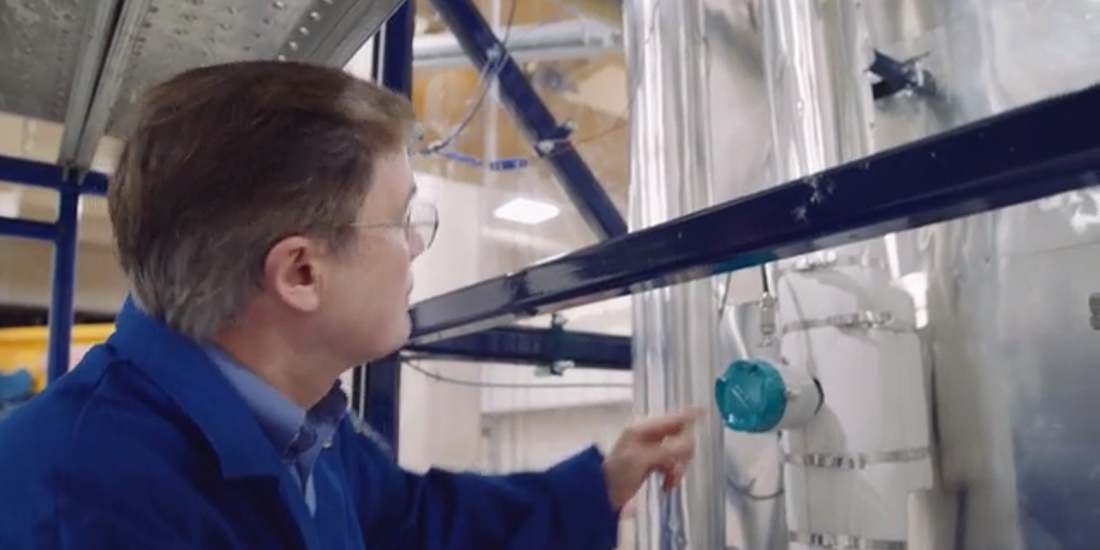
05/19/17 Vox — The latest in a series of Climate Lab videos produced by Vox Media and the University of California features the work of nuclear engineering professor and associate dean Per Peterson.
05/01/17 — The college is preparing to launch a new initiative, one with an audacious goal: to invent a better, more promising future for generations to come.
05/01/17 — Next-generation technologies are disrupting traditional ideas of infrastructure, which will soon be laced with sensor networks, machine learning and artificial intelligence to optimize efficiency, resiliency and sustainability.
04/18/17 LA Times — In the first major assessment of the Oroville Dam spillway failure in February, civil engineering professor emeritus Robert Bea, co-founder of Berkeley's Center for Catastrophic Risk Analysis, has concluded that design and construction flaws, as well as maintenance errors, were to blame.
04/05/17 CITRIS — Structural engineering professor Stephen Mahin will lead a new center for computational modeling and simulation of the effects of natural hazards on the built environment, supported by a five-year, $10.9-million grant from the National Science Foundation.