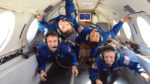
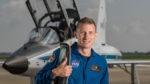
07/07/22 — A NASA astronaut since 2017, Warren Hoburg (M.S.’11, Ph.D.’13 EECS) will be piloting the spacecraft Dragon to the International Space Station
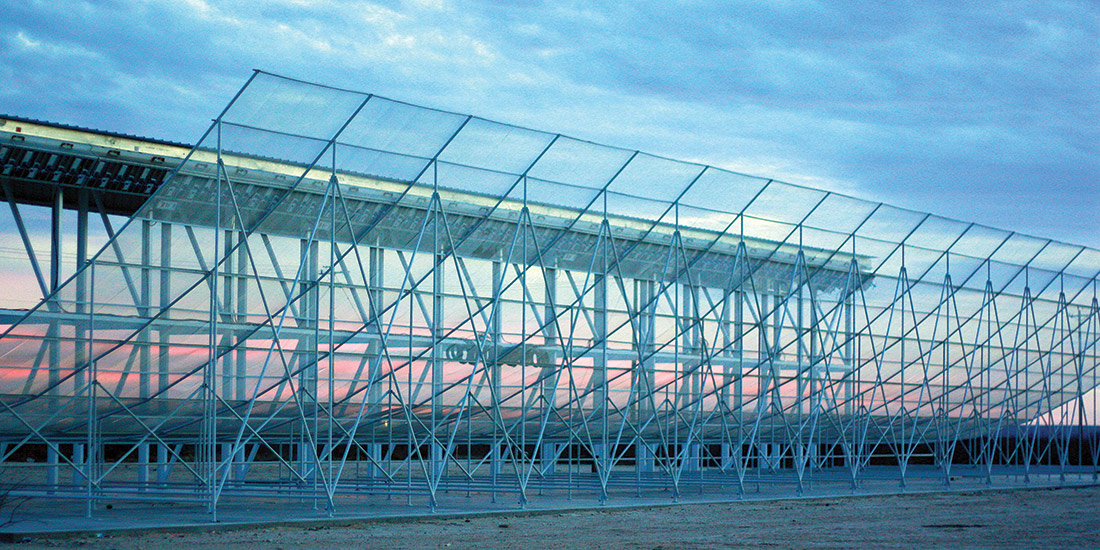
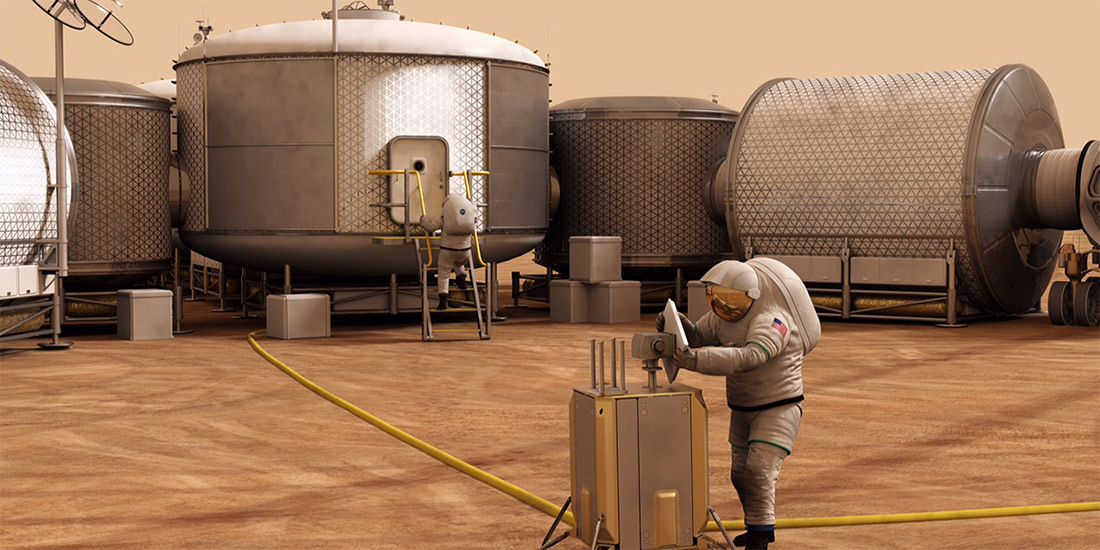
04/27/22 — The high efficiency, light weight and flexibility of the latest solar cell technology means photovoltaics could provide all the power needed for an extended mission to Mars, or even a permanent settlement there, according to a new analysis led by Berkeley engineers
11/15/21 — To meet the growing demand for researchers in aviation, defense and space exploration, Berkeley Engineering has added a new aerospace engineering major.
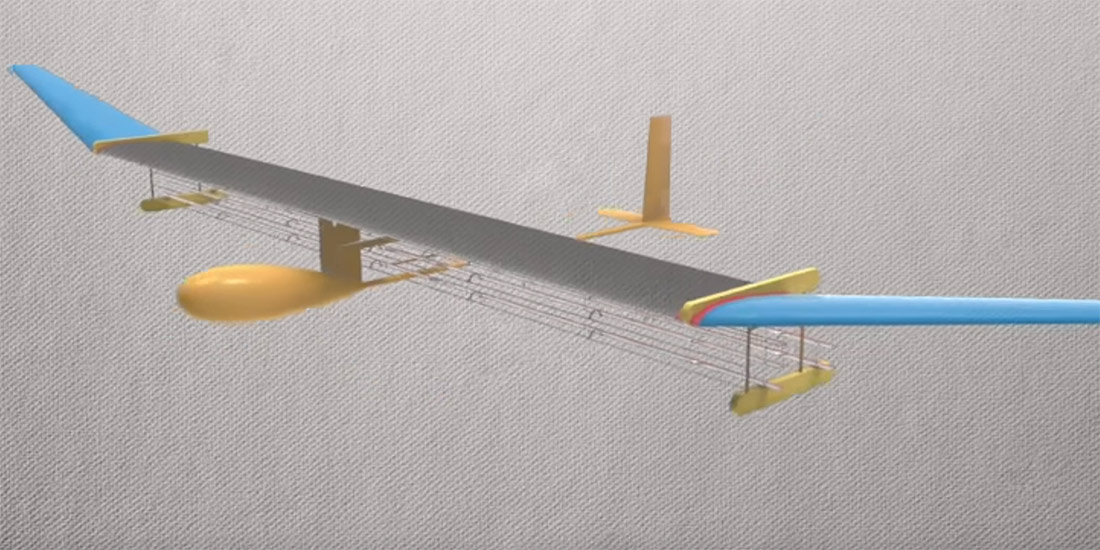
12/05/18 Forbes — Researchers at the Massachusetts Institute of Technology have conducted a successful 8-second flight test of an aircraft with an ion drive propulsion system, a larger version of the same cutting-edge technology that Berkeley engineers are using to fly centimeter-scale microrobots.
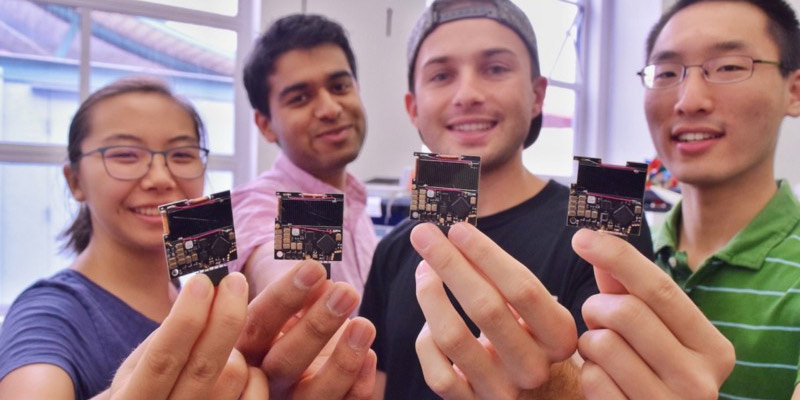
10/15/18 Medium — Six undergrad engineers are developing "SpinorSats" - each less than 10 grams, about the size of an Apple Watch - that they hope will be the smallest maneuverable satellites in space.
04/30/18 — The student group Space Technologies at Cal is developing a balloon-based platform for near-space research. They recently launched a high-altitude balloon from Memorial Glade.
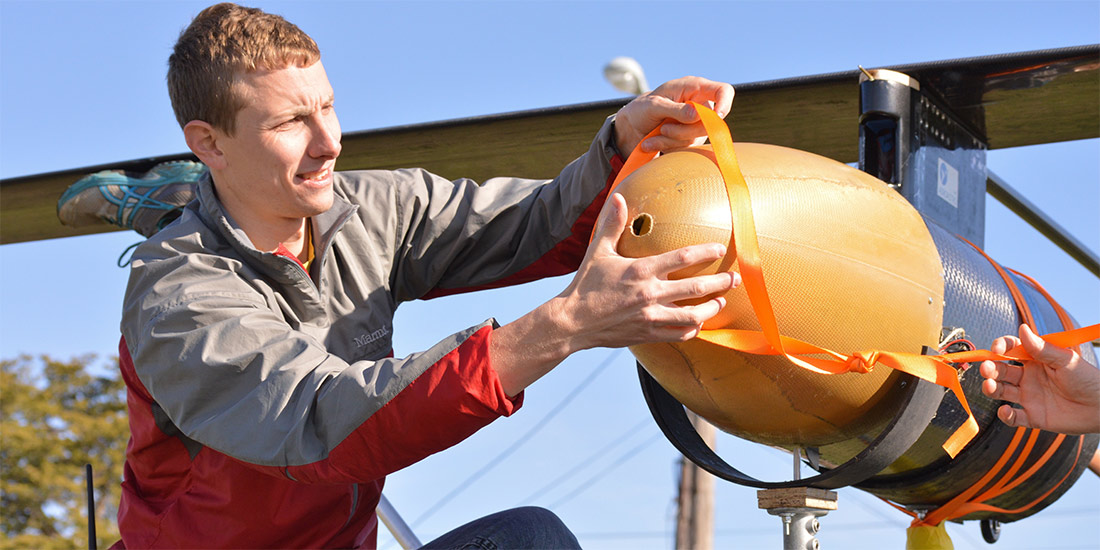
12/20/17 R&D — Aerospace engineer and astronaut candidate Warren "Woody" Hoburg (M.S.'11, Ph.D.'13 EECS) has been named Innovator of the Year by R&D Magazine for his pioneering work creating the Jungle Hawk Owl extended-flight drone.
02/17/17 New Scientist — For a crewed mission into deep space, every piece of technology and equipment has to be better: lighter, stronger, multi-purpose. NASA just funded two new teams of researchers, one led by Berkeley bioengineering professor Adam Arkin, to work toward that goal.
12/09/16 — A fast-growing student group has taken to the skies, formalized unmanned aerial vehicle flying on campus and are set to launch an intercollegiate drone-racing league.