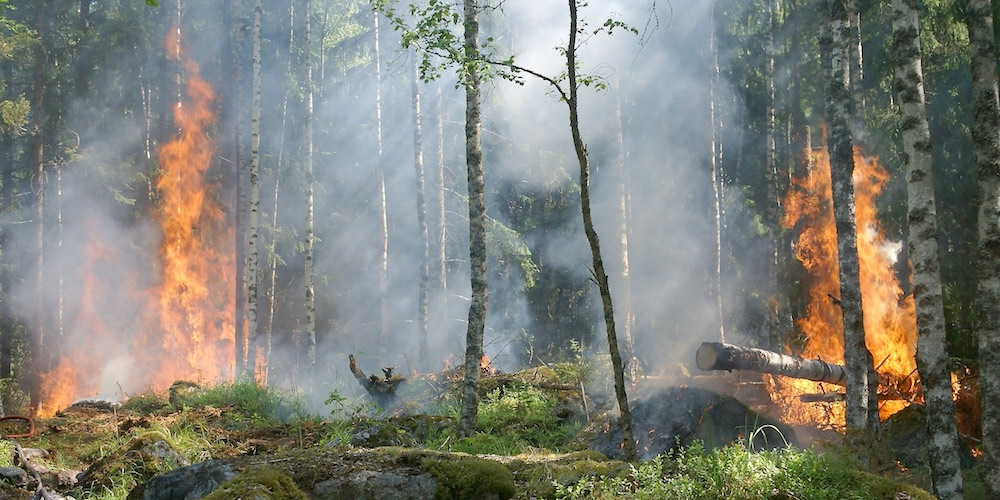
11/14/18 — Restoring natural fire regimes to California's mountains could be a win-win-win: more water, improved biodiversity and a reduced risk of catastrophic fires.
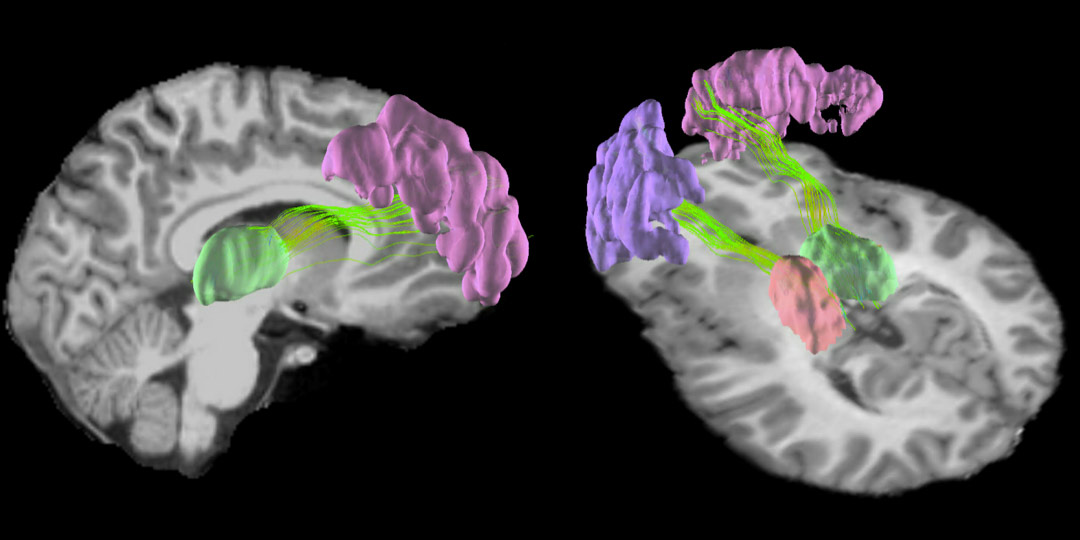
11/07/18 — A new flexible sensor developed by engineers at UC Berkeley can map blood-oxygen levels over large areas of skin, tissue and organs, potentially giving doctors a new way to monitor healing wounds in real time.
10/30/18 — Berkeley computer theorists have shown that there is merit behind a method of verifying quantum supremacy, a term that describes a quantum computer's ability to solve a problem that is prohibitively difficult for any classical algorithm.
10/29/18 — Berkeley transportation researchers are addressing the emerging era of smart vehicles with a project that uses machine learning to manage traffic where autonomous, semi-autonomous and manned vehicles share the road. They presented their project, called Flow, at the Conference on Robotic Learning.
10/24/18 — Berkeley engineers, led by computer sciences professor Dawn Song, are part of the new Center for Trustworthy Machine Learning funded by the National Science Foundation. The NSF center, led by Pennsylvania State University and announced today, will focus on developing secure systems in the era of machine learning models. The center will receive $10 million over five years.
10/22/18 — Berkeley engineers have come up with a clever and inexpensive solution to automatically regulate the temperature of lithium-ion batteries. Their technology could expand the practical use of electric vehicles and consumer electronics in more extreme temperatures.
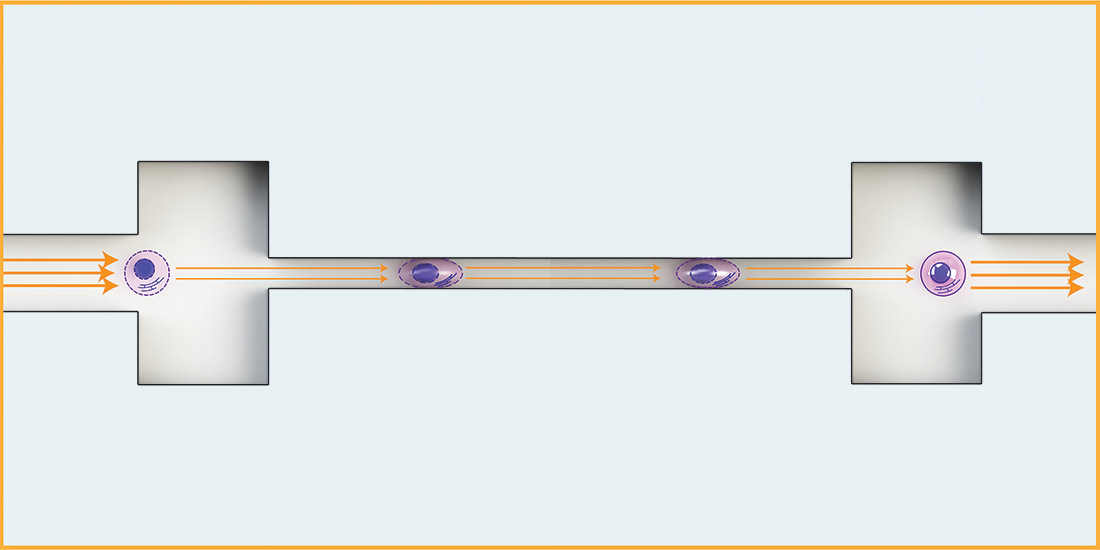
09/28/18 Gladstone Institutes — Kevin Healy's bioengineering lab combined their tissue engineering with the Gladstone Institute's genome editing techniques to create a “diseased heart micro-tissue” model. The new tool will help explore how common environmental stress affects normal and abnormal heart tissue.
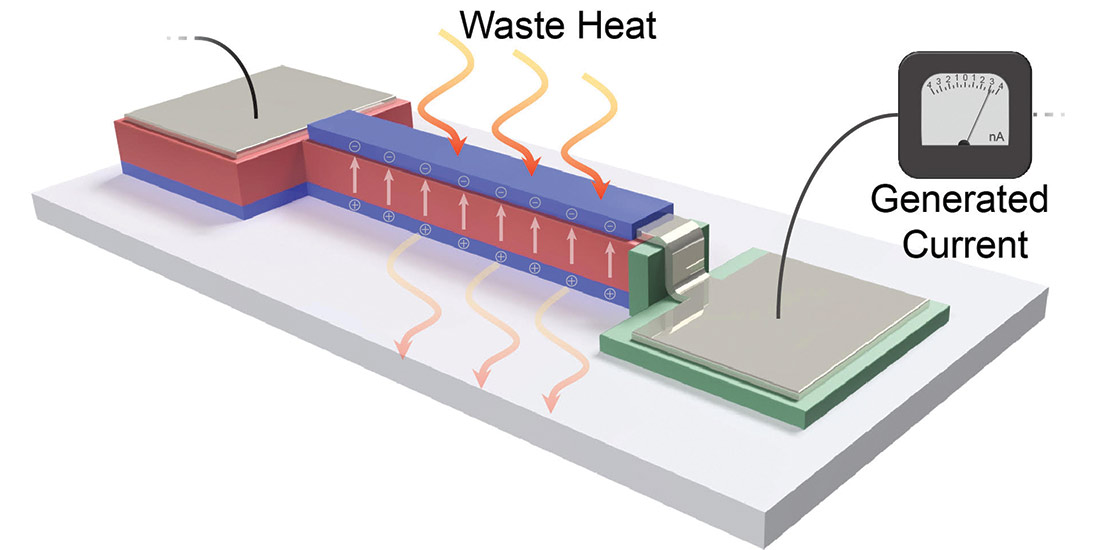
09/10/18 — Berkeley engineers have created a device that dramatically reduces the energy needed to power magnetic field detectors, which could revolutionize how we measure the magnetic fields that flow through our electronics, our planet and even our bodies.
08/30/18 Berkeley Lab — National laboratory researchers led by Berkeley Lab's Haruko Wainwright, a new associate adjunct professor of nuclear engineering at UC Berkeley, have developed a low-cost method for real-time monitoring of groundwater pollutants using commonly available sensors.
08/27/18 Engadget — Experimenting with deep learning systems, a team of Berkeley computer science researchers is using artificial intelligence to make dancers look more skillful. The project uses algorithms to pass dance moves via video from a skilled dancer to a virtual skeleton to an amateur subject.
08/06/18 — Berkeley engineers are co-leading a new DOE-funded Energy Frontier Research Center to study how extreme conditions such as radiation exposure and corrosion affect nuclear reactor materials. The new center, led by the Los Alamos National Laboratory, is called the Fundamental Understanding of Transport Under Reactor Extremes, or FUTURE.
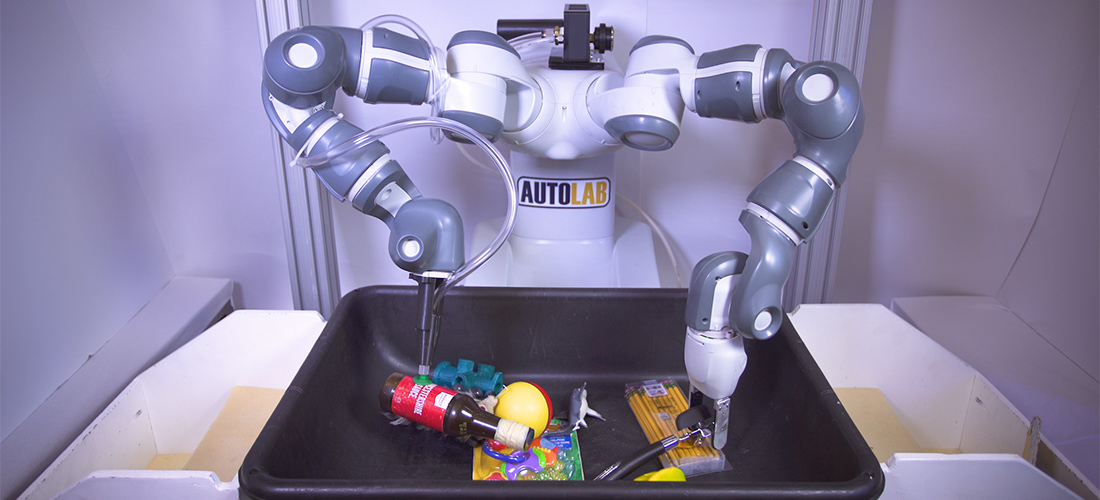
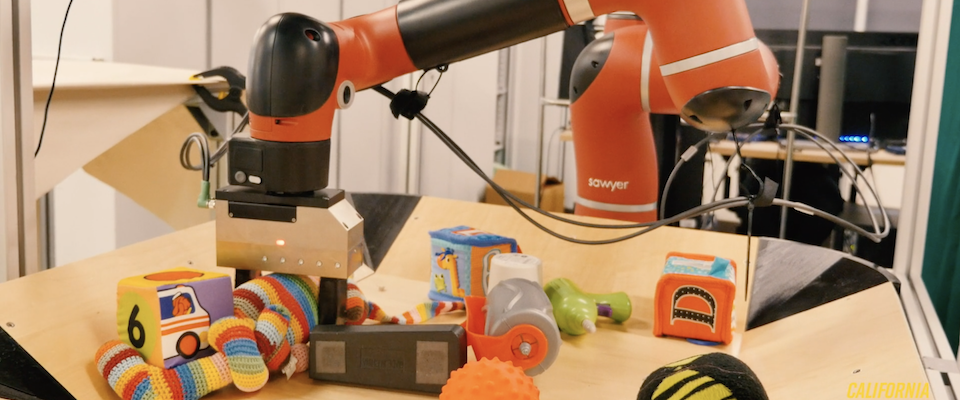
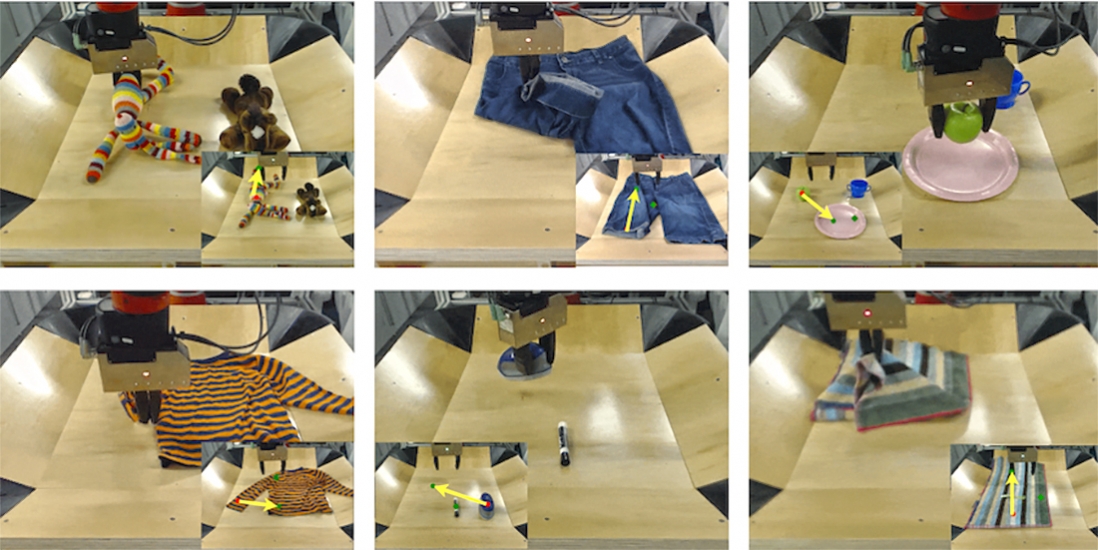
07/30/18 New York Times — Drawing on the latest in machine learning, Autolab and BAIR Lab researchers are developing robots that can pick up or move all manner of objects, and even learn to make a bed.
07/27/18 — Berkeley Engineering faculty members Steven Conolly, Ming Wu, Ting Xu and David Schaffer are among the new members of the Bakar Fellows Program.
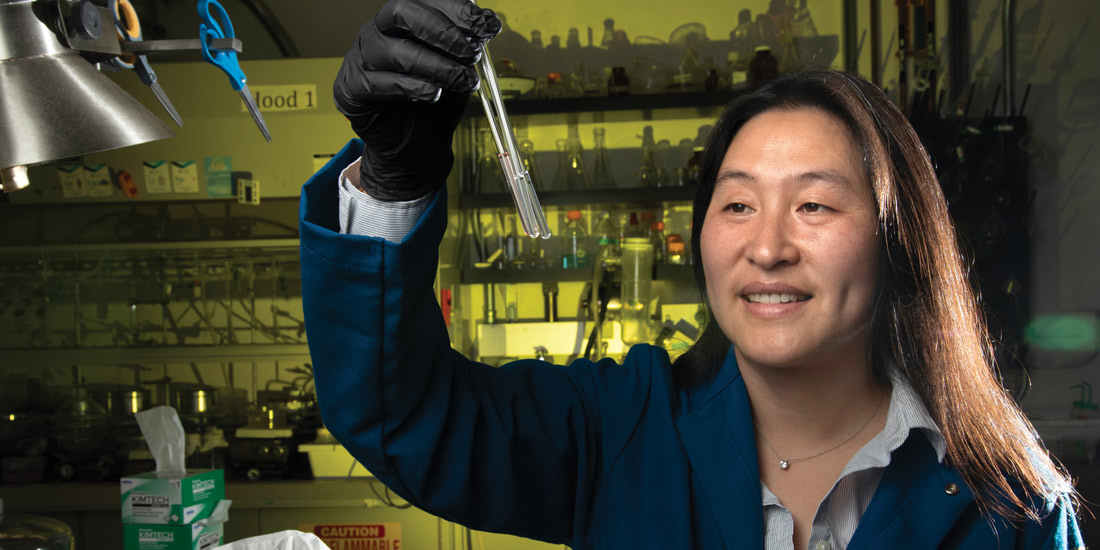
06/18/18 — A team of scientists in chemical and biomolecular engineering professor Jay Keasling's lab has made a breakthrough in the synthesis of new genes, offering promise for cheaper, faster and safer development of medicines.
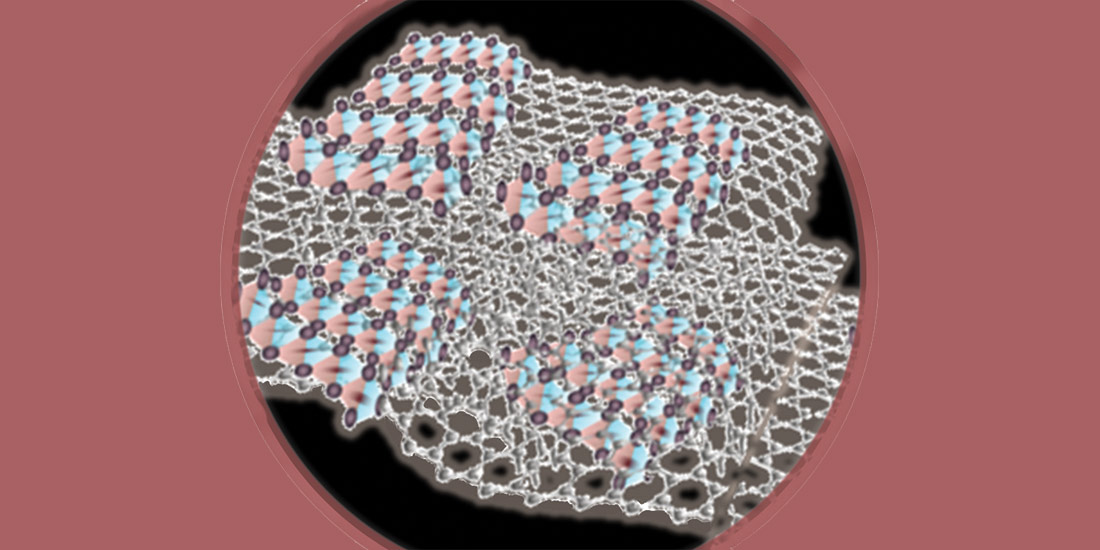
06/18/18 — Berkeley engineers have developed a new way to fabricate working electronics onto plain paper, opening the doors to new sensors, supercapacitors and other electronic devices that are cheap and foldable.
06/07/18 Interesting Engineering — The Berkeley DeepDrive Industry Consortium has released an open-source dataset of 100,000 self-driving video sequences - largest of its kind - to the public in hopes of helping engineers develop autonomous vehicles.