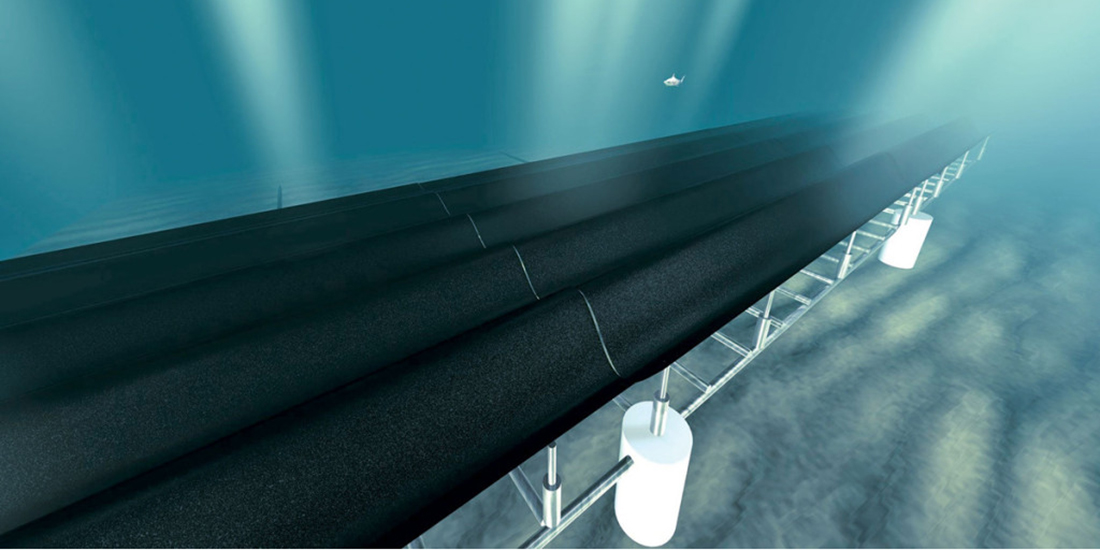
03/15/16 — Ocean waves constantly generate energy. Berkeley engineers are trying to build a device to harness that power and convert it to electricity.
02/26/16 MIT Technology Review — Scientists are using artificial intelligence to help them achieve precise, dynamic measurements of water levels around the world. CEE professor Steven Glaser says most current water models are based on readings from the last 50 years.
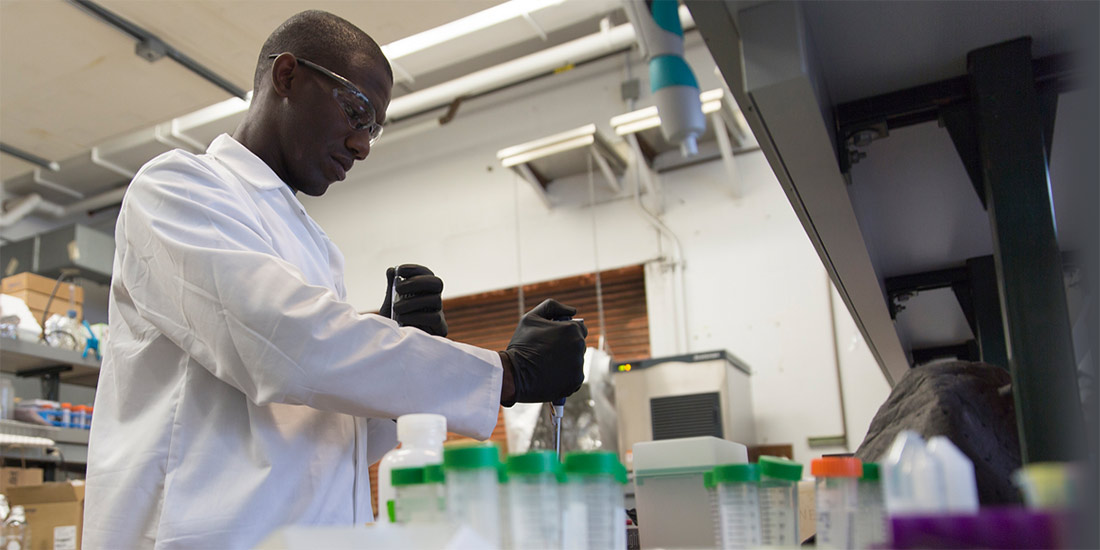
02/19/16 NBC — Environmental engineering Ph.D. student William Tarpeh, whose work promotes sustainable sanitation in developing countries, was selected by NBC News as one of the NBCBLK28 - innovators and game changers who are "young, gifted, and unapologetically Black."
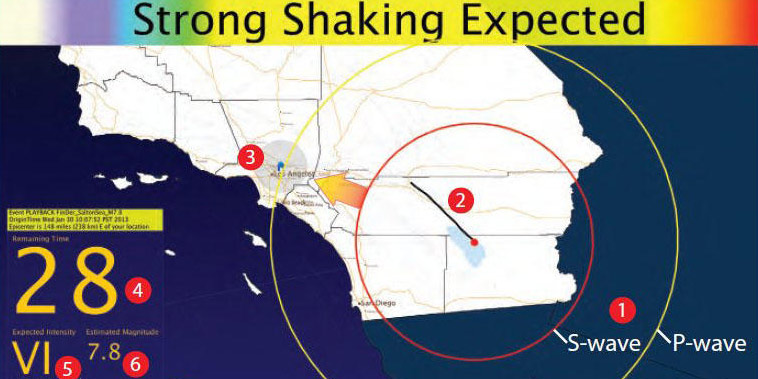
02/03/16 — Buoyed by recent advances in technology, the federal government announced Tuesday that it is expanding its commitment to earthquake warning systems because they will save lives.
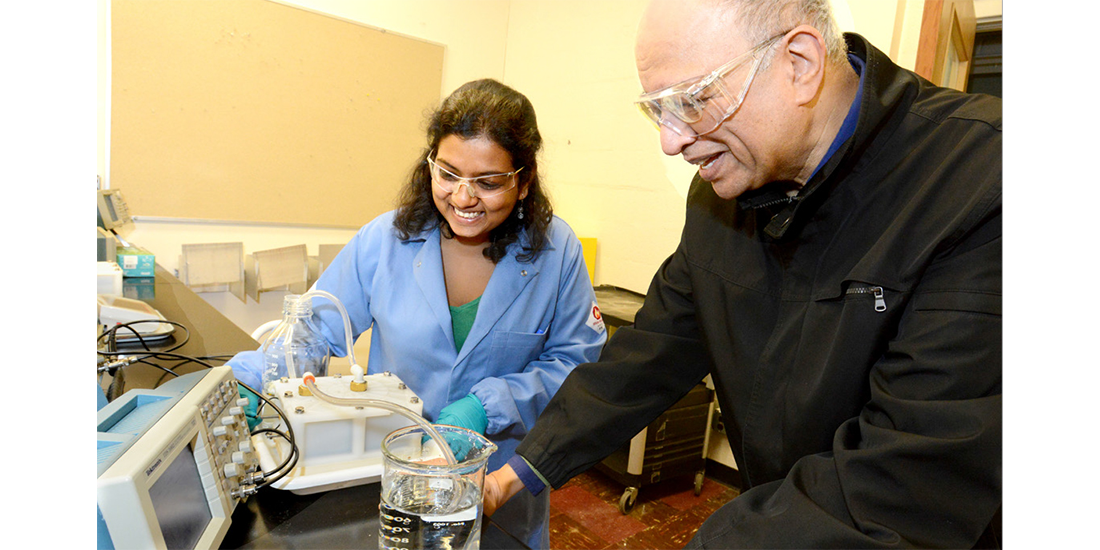
01/15/16 — CEE professor Baoxia Mi is developing a more efficient water filtration membrane constructed from graphene oxide, a carbon-based material that's made from naturally-occurring graphite, the same material found in pencils.
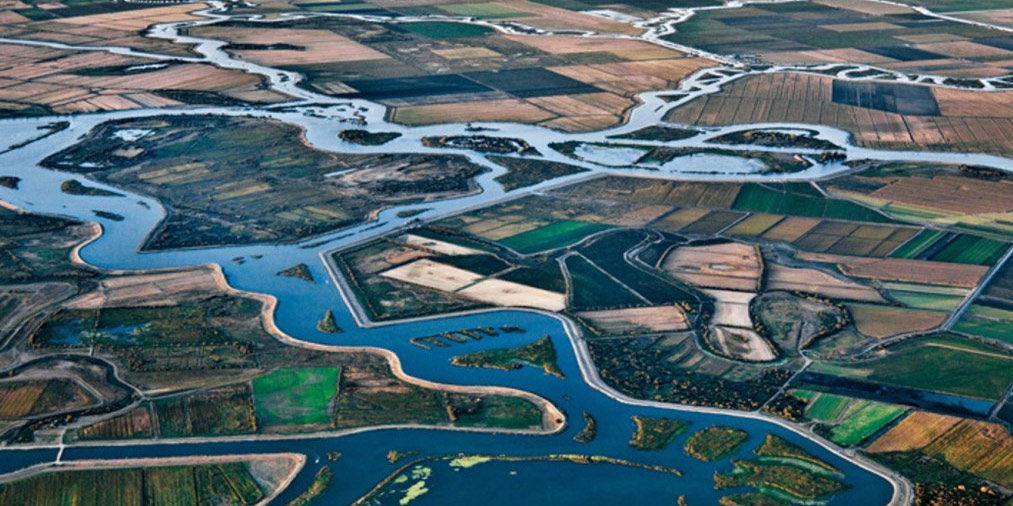
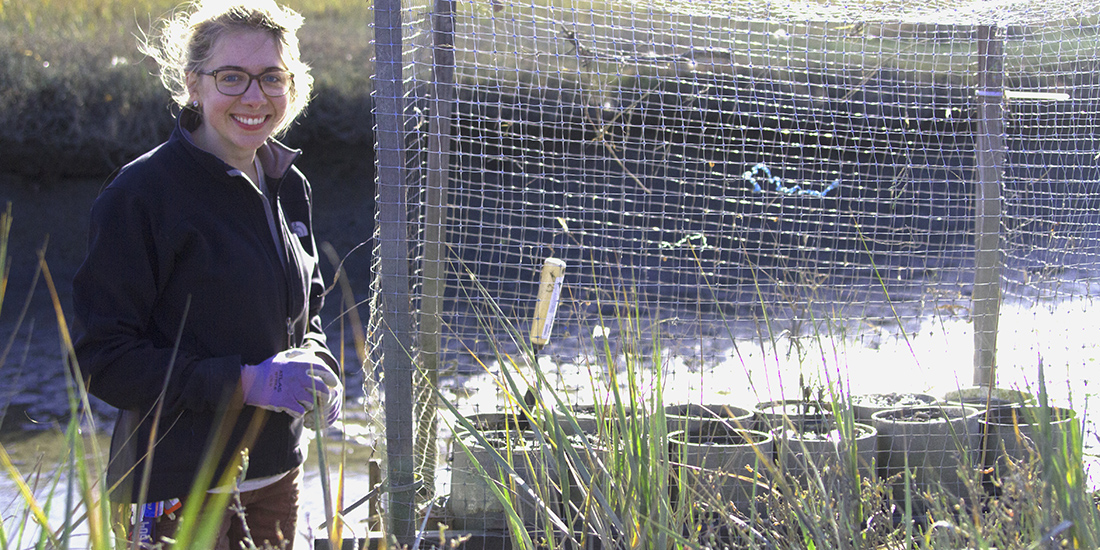
12/16/15 — A Louisiana native and environmental engineering Ph.D. student, Madeline Foster-Martinez is studying the fluid dynamics of a local marsh to better understand tidal wetland restoration.
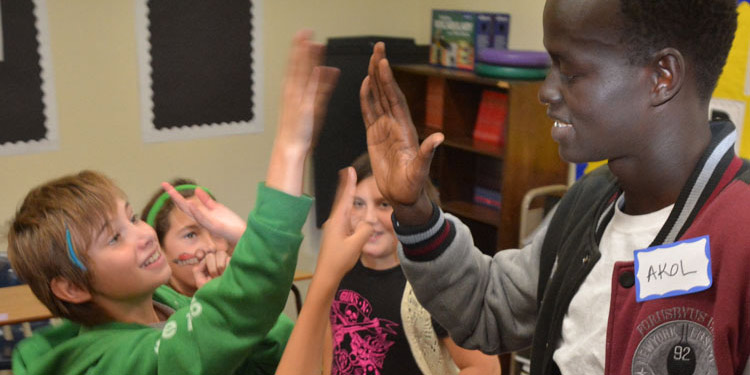
11/18/15 — Civil engineering undergrad Akol Kuan brought tales of his native South Sudan to Oakland's Beacon Day School, where sixth graders had just finished reading A Long Walk to Water, a novel that follows the hardships and heartbreaks of two Sudanese 11-year-olds.
11/17/15 — United Nations World Toilet Day on Nov. 19 is environmental engineering doctoral student William Tarpeh's main chance - a time to proselytize about all things sanitation. For mechanical engineering grad student Emily Woods, it's a boost for Sanivation, the company she co-founded to convert human feces into charcoal for a poor community in Kenya.
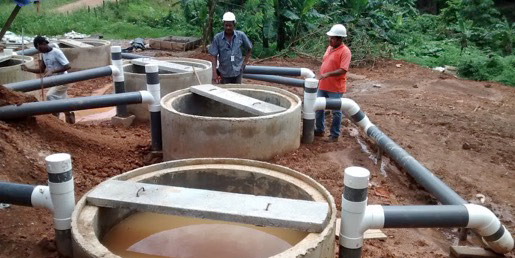
11/06/15 Blum Center — NGOs like blueEnergy, founded by Berkeley graduate Mathias Craig (B.S'01 CEE), are helping to provide residents of resource-rich but infrastructure-poor Nicaragua with access to clean water and improved sanitation.
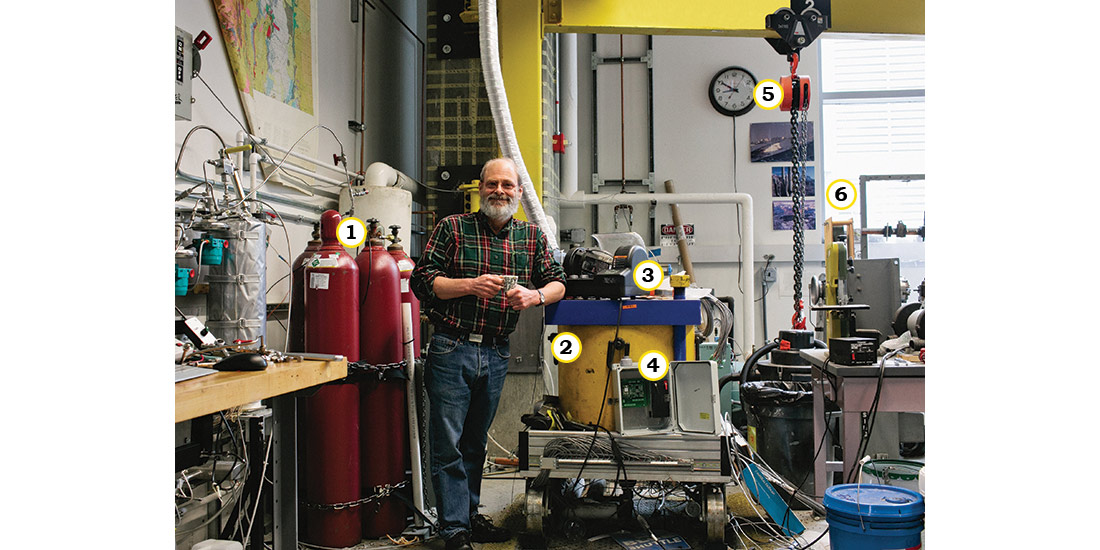
11/01/15 — With an eclectic array of equipment, the Glaser Lab is home to research projects ranging from seismic safety and geothermal energy monitoring to sensor grids to measure Sierra snowpack.
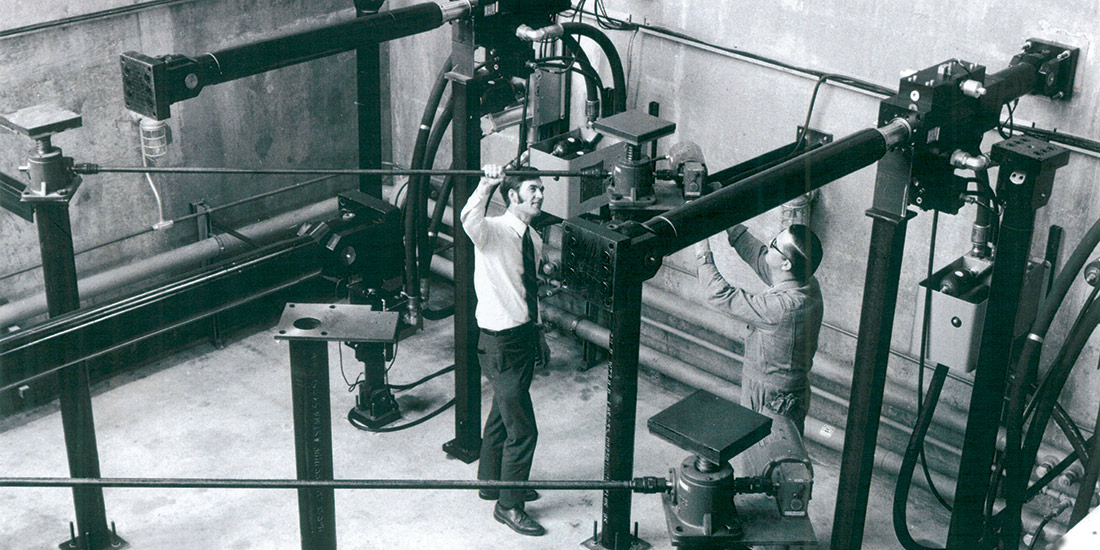
11/01/15 — The venerable Shake Table of the Pacific Earthquake Engineering Research Center (PEER), the largest six-degrees-of-freedom table in the country, brings its illustrious past forward to continually improve seismic safety.
11/01/15 — While not known for fast responses to the market, automakers are now making modifications to suit the sharing economy, which is growing by 35 percent a year. If only they could do something about poor driving practices, most notably, the jerk merge.
10/12/15 — Khalid M. Mosalam, Taisei Professor of Civil Engineering at UC Berkeley, has been appointed director of the Pacific Earthquake Engineering Research Center, a multi-institutional research and education center headquartered at Berkeley.
08/20/15 — Berkeley engineers from the Lightcense project are testing a kind of license plate for drones - a rectangular array of bright, multicolored LEDs attached to the underside of a craft - that they think could help make drone operators more accountable.
08/12/15 Structure magazine — Built in 1972, PEER's shaking table at the Richmond Field Station continues to make waves. With smart technology and other enhancements, the venerable testing device - the largest six-degree-of-freedom table in the U.S. - advances the science of earthquake engineering.
07/30/15 Engineering for Change — At this spring's Humanitarian Technology conference, Syed Imran Ali, a postdoctoral fellow in environmental engineering at the Blum Center for Developing Economies, questioned whether, in their zeal to help the world's financially and physically impoverished, engineers are acting in a manner that meets the professional obligation to “first, do no harm.”
06/30/15 Los Angeles Times — Every vehicle that goes into a full-time car-sharing service, such as short-time rental company Zipcar, supplants four to six new car sales and postpones the purchase of up to seven more, says Susan Shaheen, a transportation sustainability researcher and adjunct professor of civil and environmental engineering.