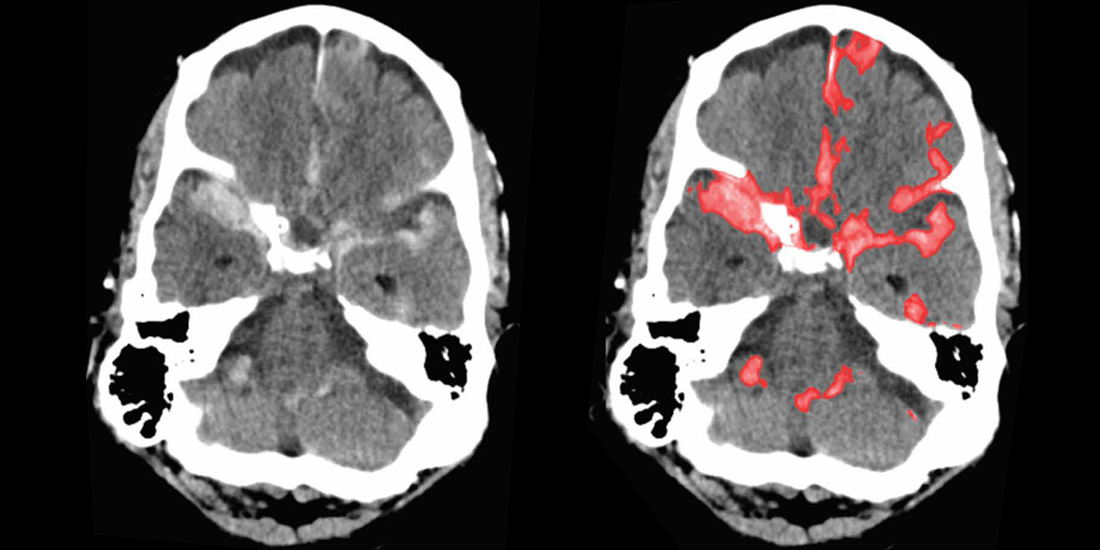
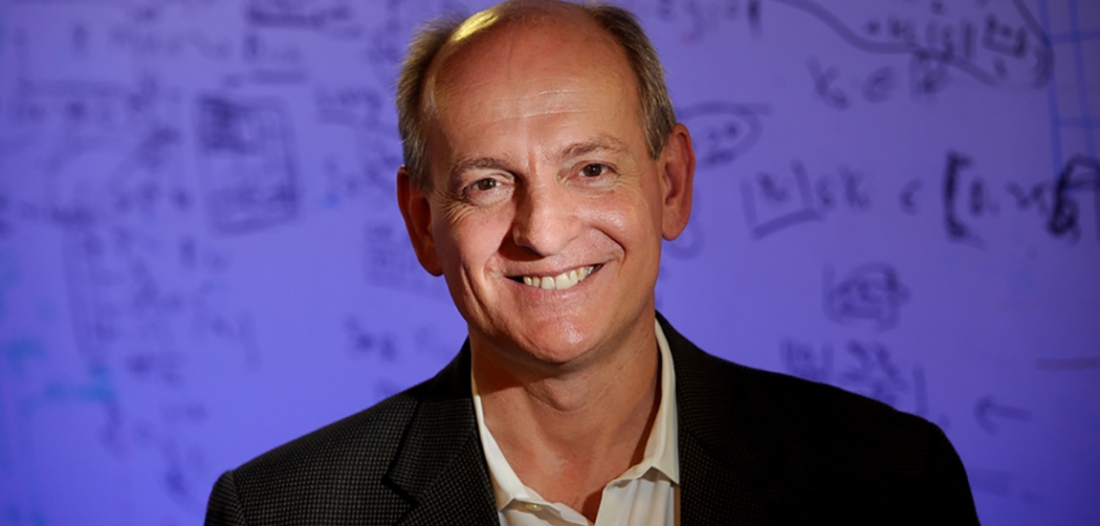
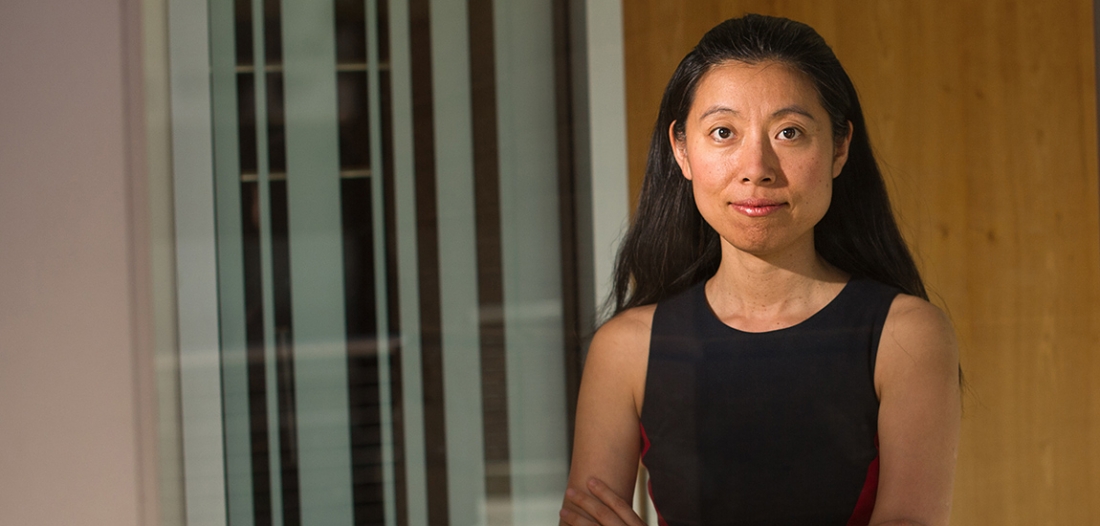
10/22/19 — A computer algorithm developed by scientists at UCSF and UC Berkeley bested two out of four expert radiologists at finding tiny brain hemorrhages in head scans - an advance that one day may help doctors treat patients with traumatic brain injuries, strokes and aneurysms.
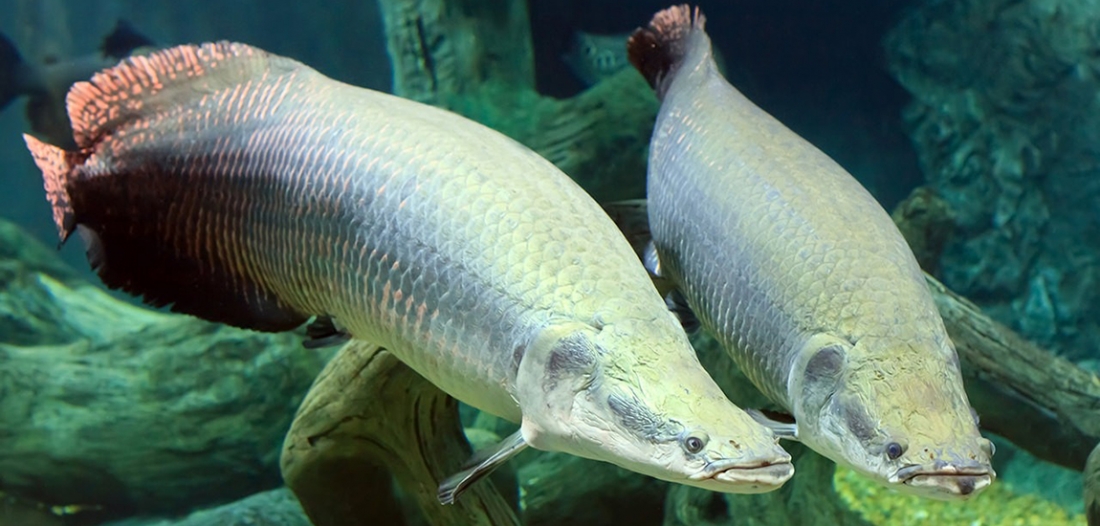
10/17/19 UCSD — UC Berkeley and UC San Diego material scientists have discovered the secret to Arapaima gigas's impermeable armor. The scales on this Amazonian freshwater fish could serve as inspiration for stronger, lightweight and flexible synthetic armors.
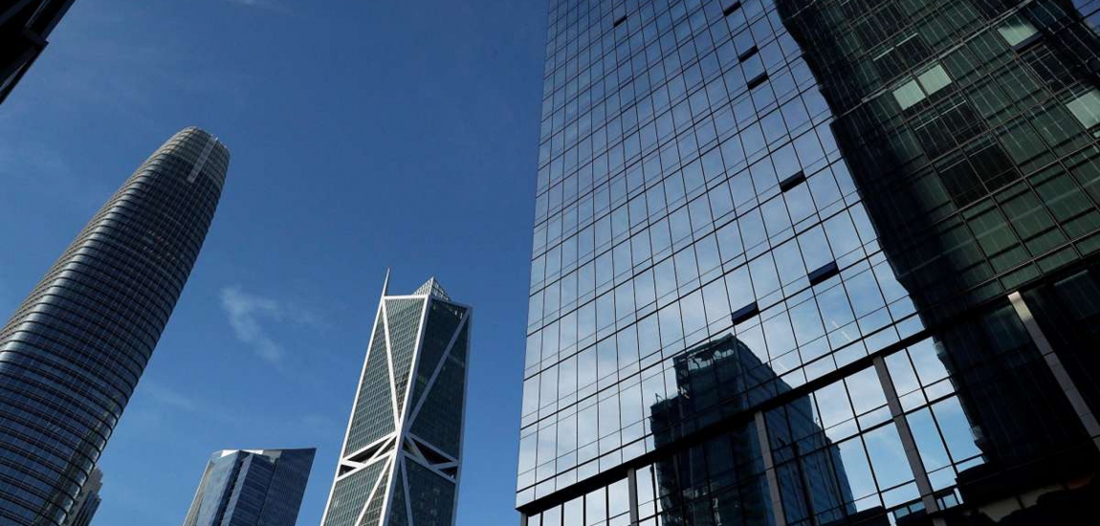
10/15/19 San Francisco Chronicle — Jack Moehle, professor of structural engineering, comments on the safety of towers that have transformed San Francisco's skyline over the past decade.
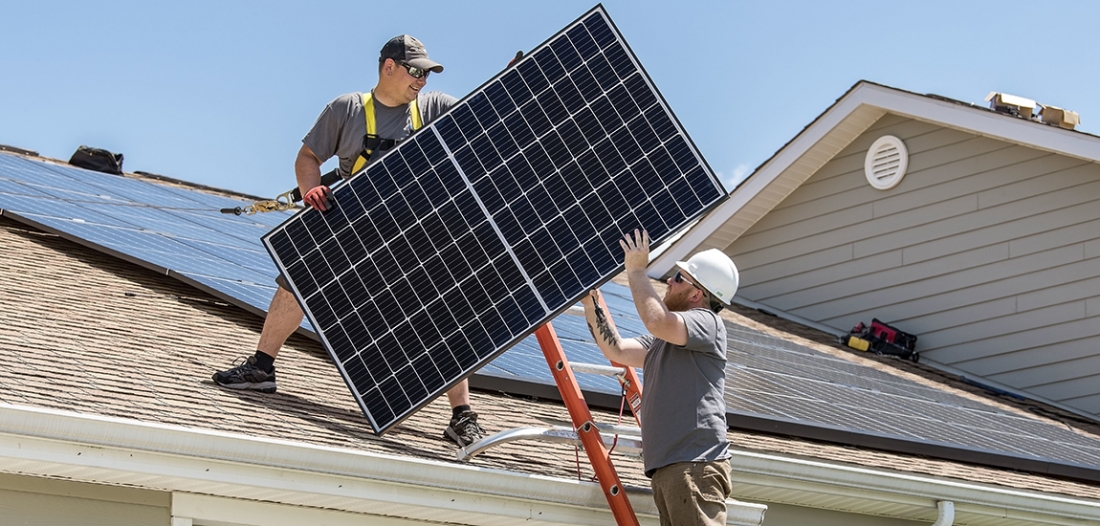
10/11/19 — Alexandra “Sascha” von Meier, adjunct professor of electrical engineering and computer sciences, talks about the risks posed by the current energy grid and possible solutions moving forward, including solar-powered microgrids.
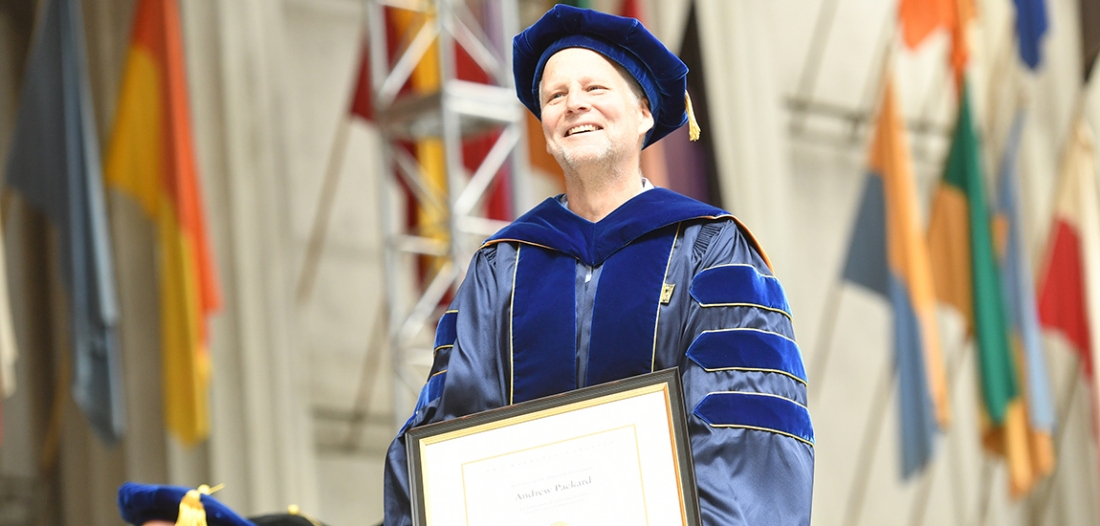
10/07/19 — Professor Andrew Packard, professor of mechanical engineering, passed away in September. A popular and gifted teacher, Packard was a pioneering researcher in robust control theory.
10/07/19 — UC Berkeley received a $180,000 grant from the Public Interest Technology University Network to develop an innovative curriculum that encourages students to work across disciplines and understand the ethical, political and societal implications of technology.
09/27/19 — The National Alliance for Water Innovation , which includes researchers from Berkeley Engineering, has been awarded a five-year, $100 million Energy-Water Desalination Hub by the U.S. Department of Energy to address water security issues in the United States.
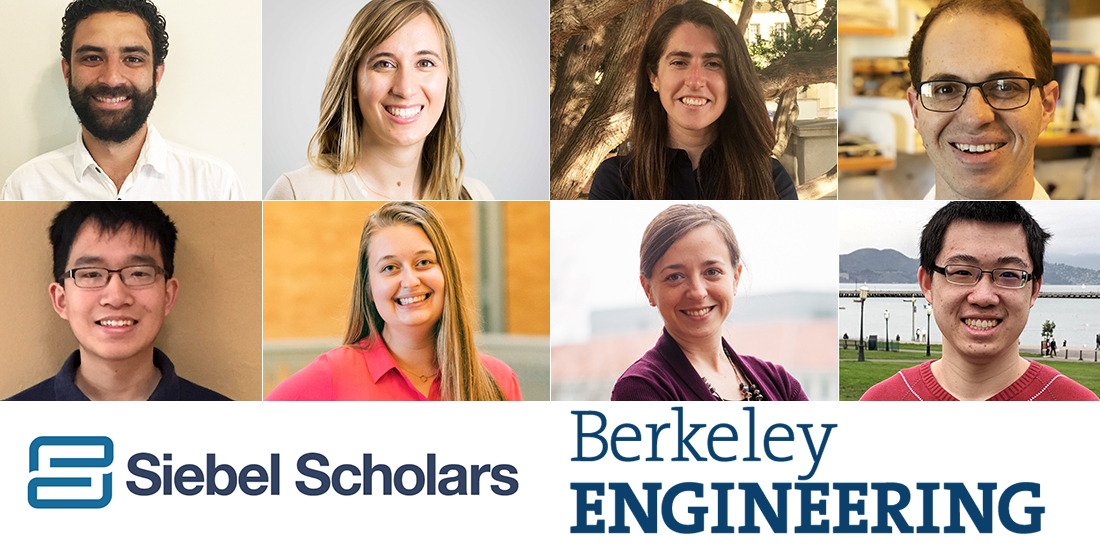
09/25/19 — Eight Berkeley Engineering graduate students - five from bioengineering, two from computer science and one from energy science - have been named to the Siebel Scholars Foundation's 2020 class.
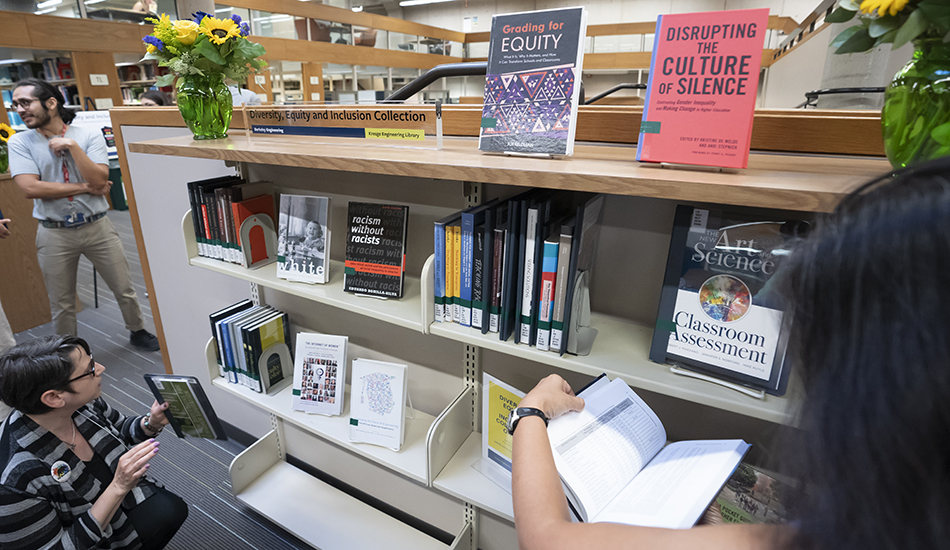
09/24/19 — Today, Berkeley Engineering unveiled a new diversity, equity and inclusion resource collection at the Kresge Engineering Library. The collection consists of physical books as well as electronic books and other electronic resources.
09/23/19 — Berkeley Engineering, Berkeley Lab and MIT researchers have created a new tool that uses cellphone data to estimate building occupancy rates in urban areas, with the aim of optimizing energy use at a citywide scale - and helping to mitigate climate change.
09/19/19 California Magazine — Electrical engineering and computer sciences professor Stuart Russell proposes a solution to AI's fundamental "design error."
09/19/19 NPR — NPR's All Things Considered talked to EECS professor Dawn Song about her AI work with traffic signs to explain how U.S. Military researchers are working to combat what they call "adversarial artificial intelligence." That's when someone hacks into an AI system to transmit the wrong information.
09/13/19 Berkeley Lab — Nuclear engineering professor Rebecca Abergel and her colleagues at Berkeley Lab have developed a new pill to treat radiation poisoning. The pill could also double as an anti-gadolinium-toxicity pill for MRI patients injected with a commonly-used contrast dye.
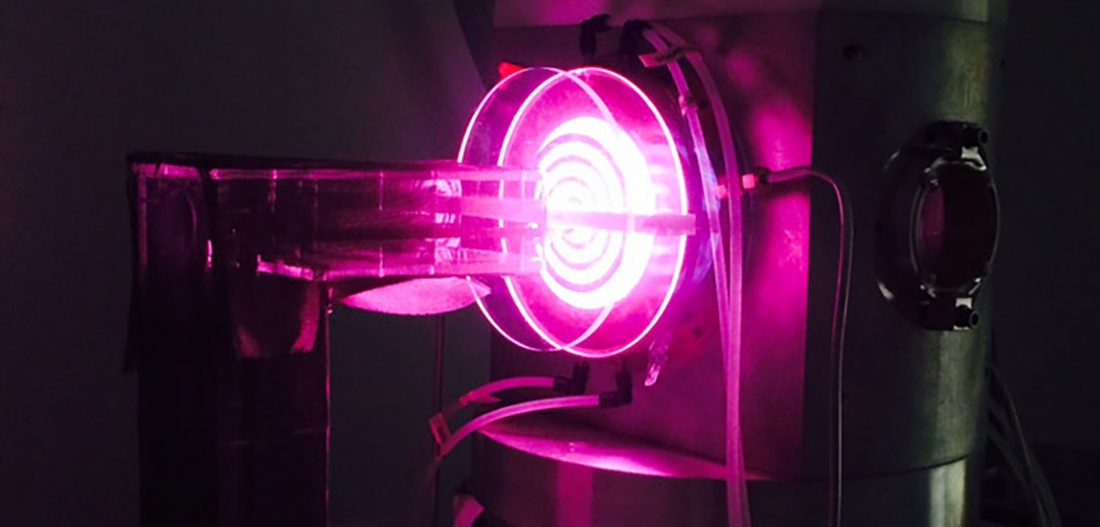
09/11/19 — In an underground vault enclosed by six-foot-thick concrete walls, nuclear engineering students are making neutrons dance to a new tune: one better suited to producing isotopes for geological dating, forensics, diagnostics and medical treatment.
09/09/19 U.S. News & World Report — Berkeley Engineering's undergraduate program was again ranked third overall and the top public engineering school by U.S. News & World Report. Eight individual engineering programs were ranked among the top 5 in their respective fields, and all were in the top 10.
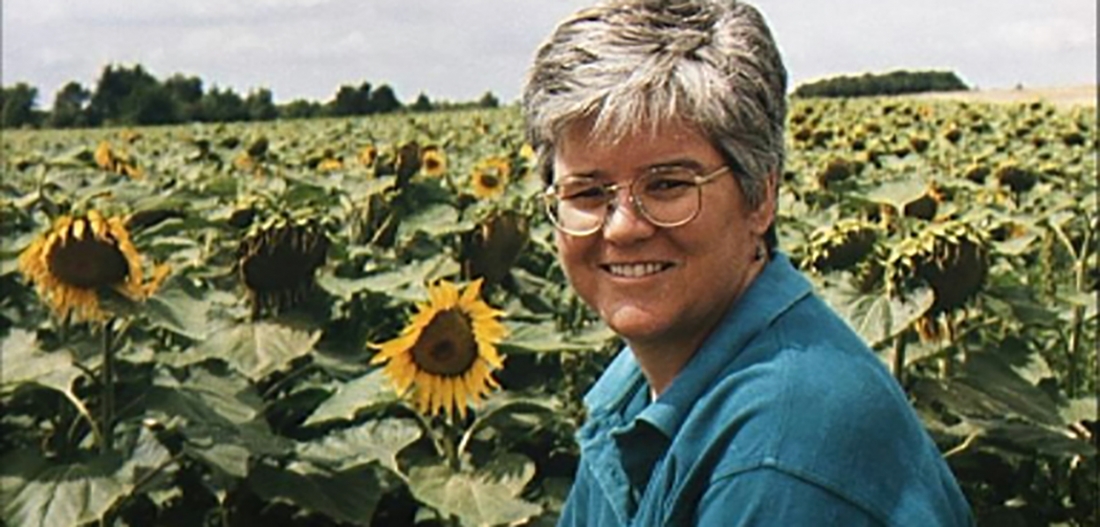
09/05/19 New York Times — Sally Floyd (Ph.D '89, EECS) was one of the inventors of Random Early Detection, which continues to play a vital role in the stability of the internet. She passed away on August 25.
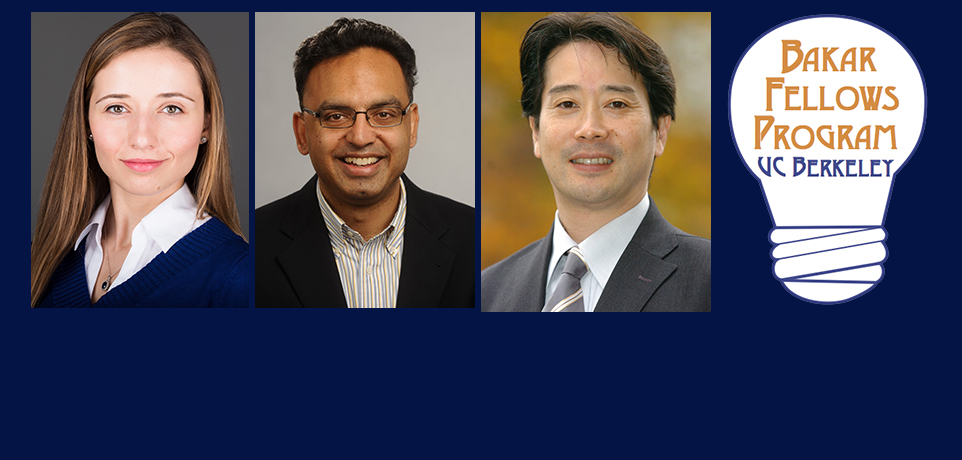
09/05/19 — Three Berkeley Engineering professors have been named 2019–20 Bakar Fellows: Niren Murthy (BioE), Raluca Ada Popa (EECS) and Kenichi Soga (CEE).
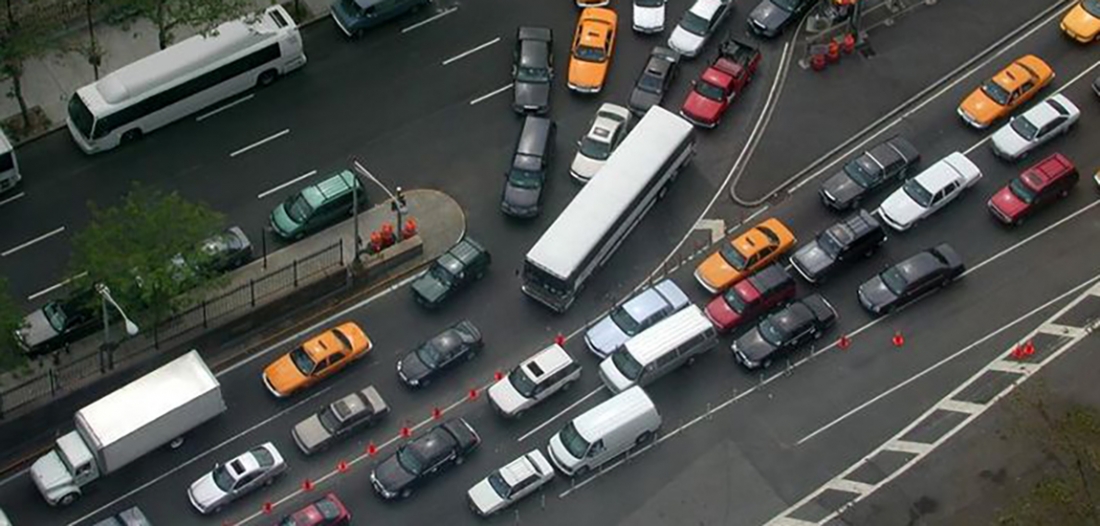
08/28/19 Wired — Berkeley Engineering's Alexandre Bayen and Liao-Cho are studying the impact that autonomous vehicles can have on traffic flow. And, their findings suggest that self-driving cars can help alleviate traffic.