
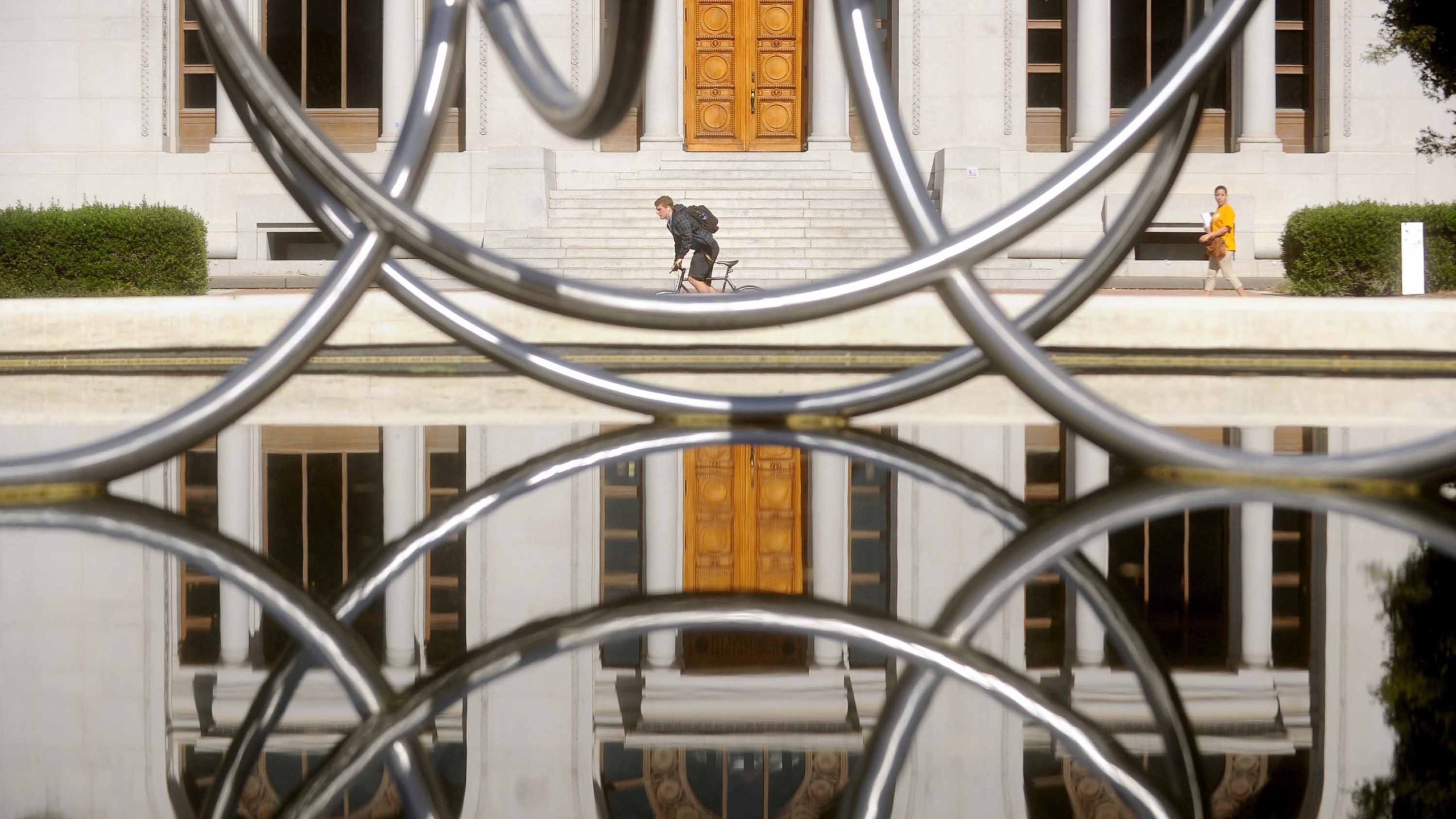
 Engineering campus scenes: Sculpture in Mining Circle reflecting pool. (Photo by Noah Berger)
Buildings & facilities
Berkeley Engineering, the second largest college at UC Berkeley, conducts research, instructional and administrative activities in more than a dozen buildings on the Berkeley campus, utilizing well over one million square feet of space. The college also has extensive large-scale engineering research facilities, including one of the world’s largest earthquake simulators, located at the 175-acre Richmond Field Station site about seven miles northwest of campus.
From state-of-the-art research laboratories to student study centers and libraries, these facilities help support the academic mission of Berkeley Engineering. Listed below are just some of the shared research facilities available, where bold, new ideas are formed, tested and reinvented. They are where students and researchers gather to challenge conventional beliefs and methods.
Below is brief description of Berkeley Engineering’s primary facilities. Click on a thumbnail for a larger photo.

Contact
College of Engineering Facilities Office
205 McLaughlin Hall # 1700
Berkeley, CA 94720-1700
coe-facilities@berkeley.edu
Hours: Monday – Friday, 8 a.m.–noon and 1–4 p.m.
In this section
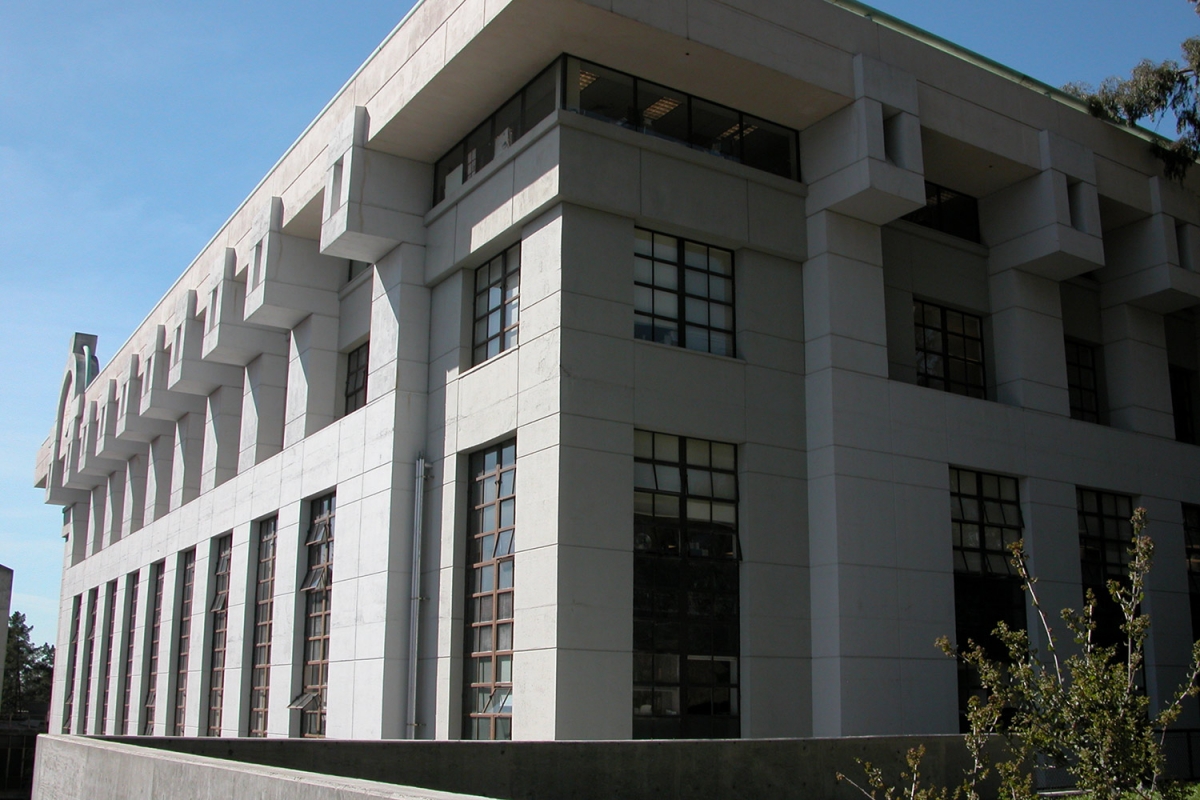
Cory Hall
Electrical engineering & computer sciences departmental offices and the electrical engineering division of EECS, Swarm Lab. Built in 1950.
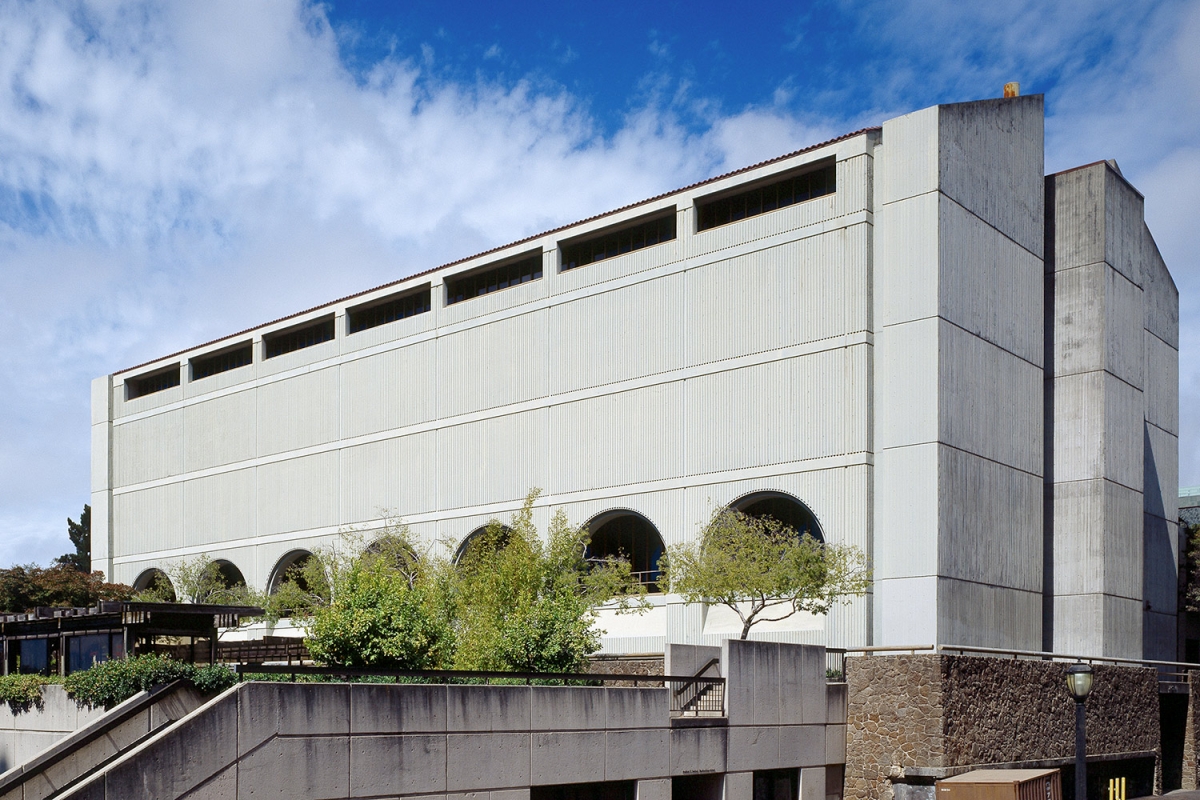
Davis Hall
Civil & environmental engineering department, Pacific Earthquake Engineering Research Center, structural and earthquake engineering labs. Built in 1968.
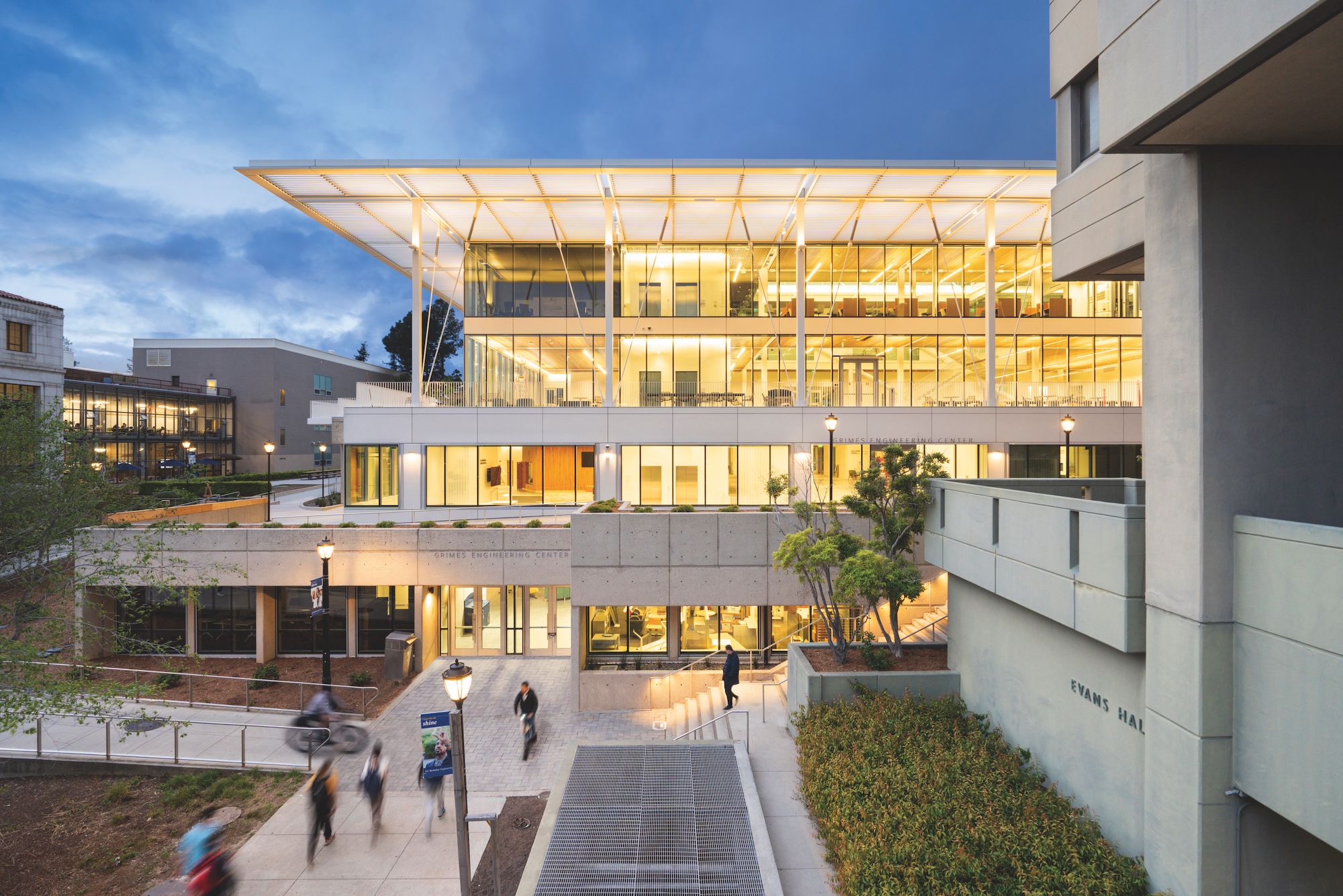
Grimes Engineering Center
Engineering Student Services, Kresge Engineering Library, Eugene Jarvis Auditorium.
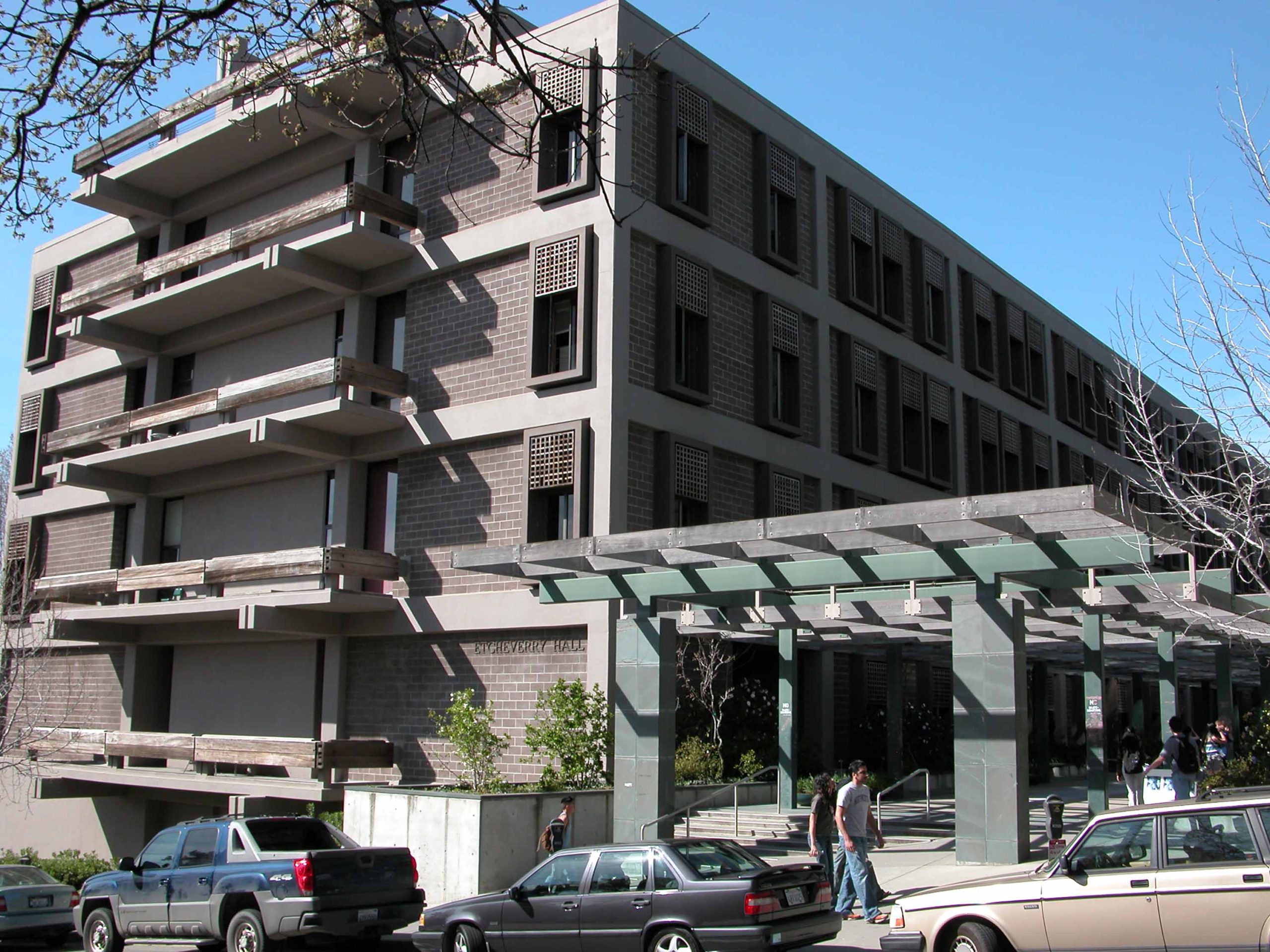
Etcheverry Hall
Departments of mechanical engineering, nuclear engineering and industrial engineering & operations research. Built in 1964.
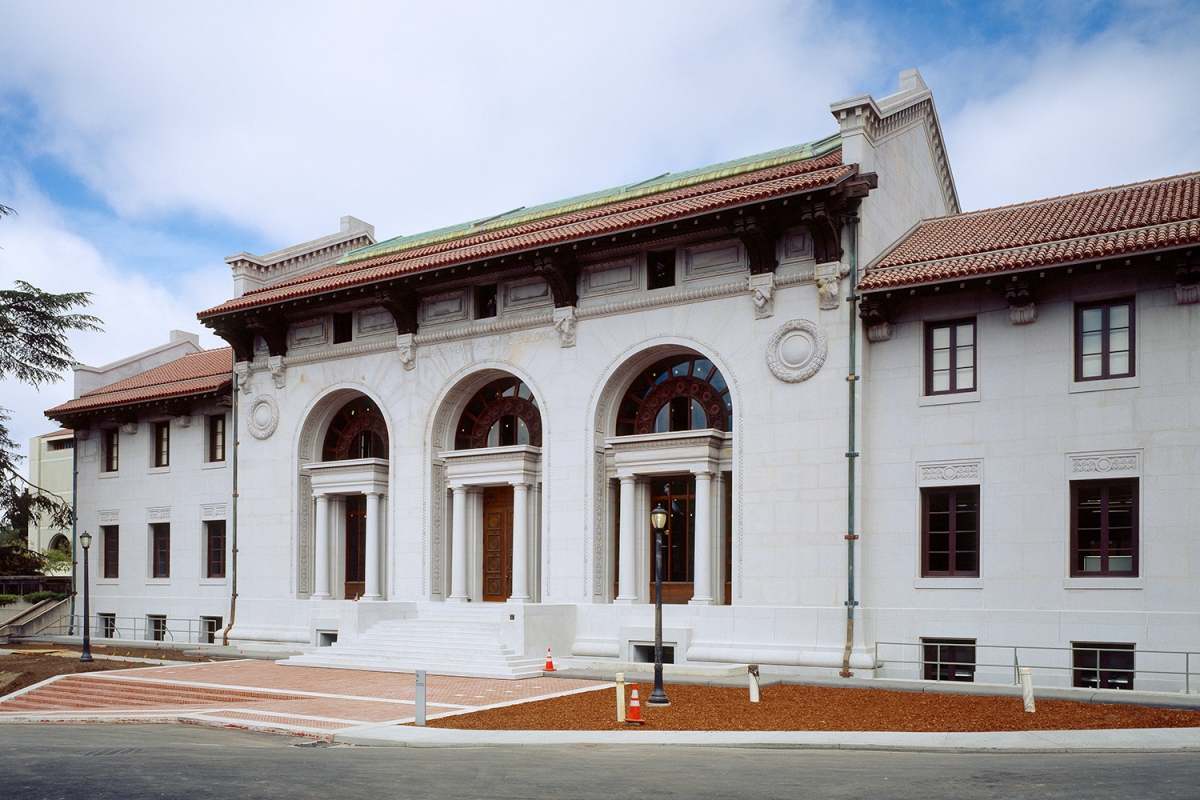
Hearst Memorial Mining Building
Materials science and engineering department, Berkeley Institute of Design. Built in 1907; major restoration completed in 2002.

Hesse Hall
Mechanical engineering, BEST Lab. Built in 1924.
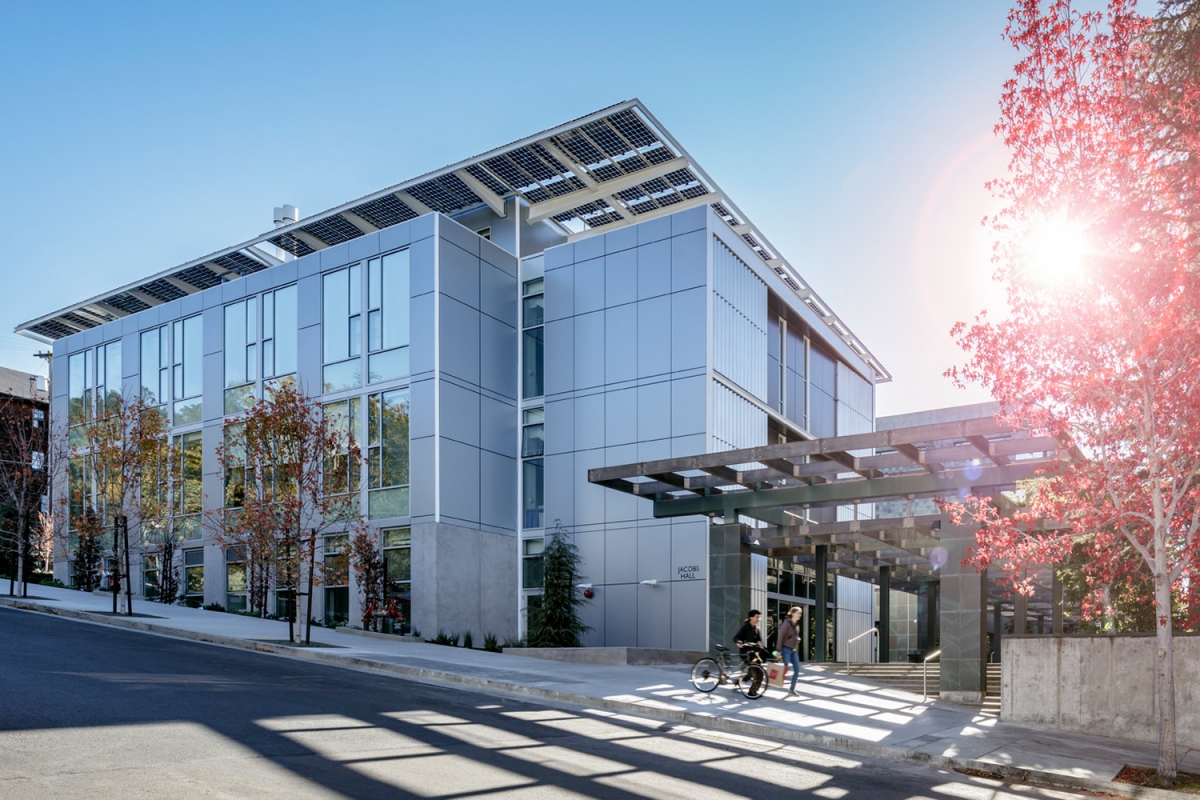

McLaughlin Hall
College dean and administrative offices, Institute of Transportation Studies. Built in 1931.

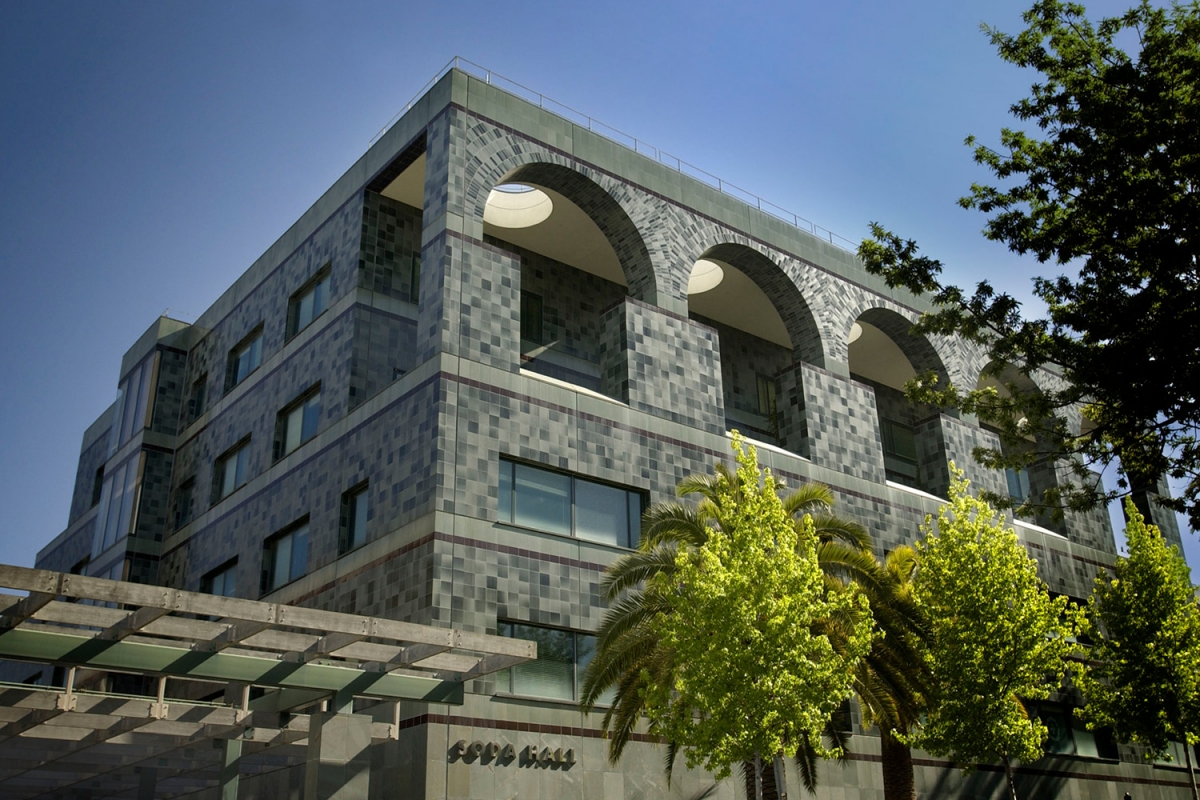
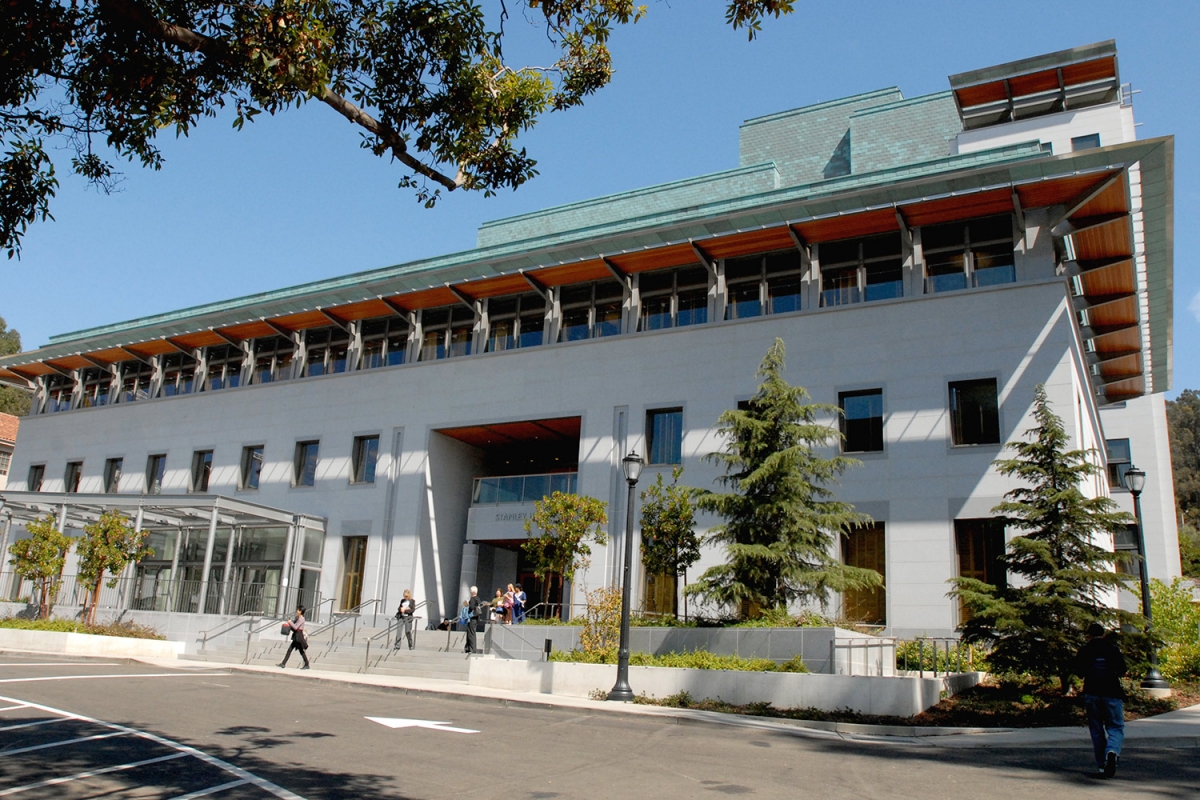
Stanley Hall
Bioengineering department, QB3, Center for Computational Biology, Biomolecular Nanotechnology Center. Built in 2007.
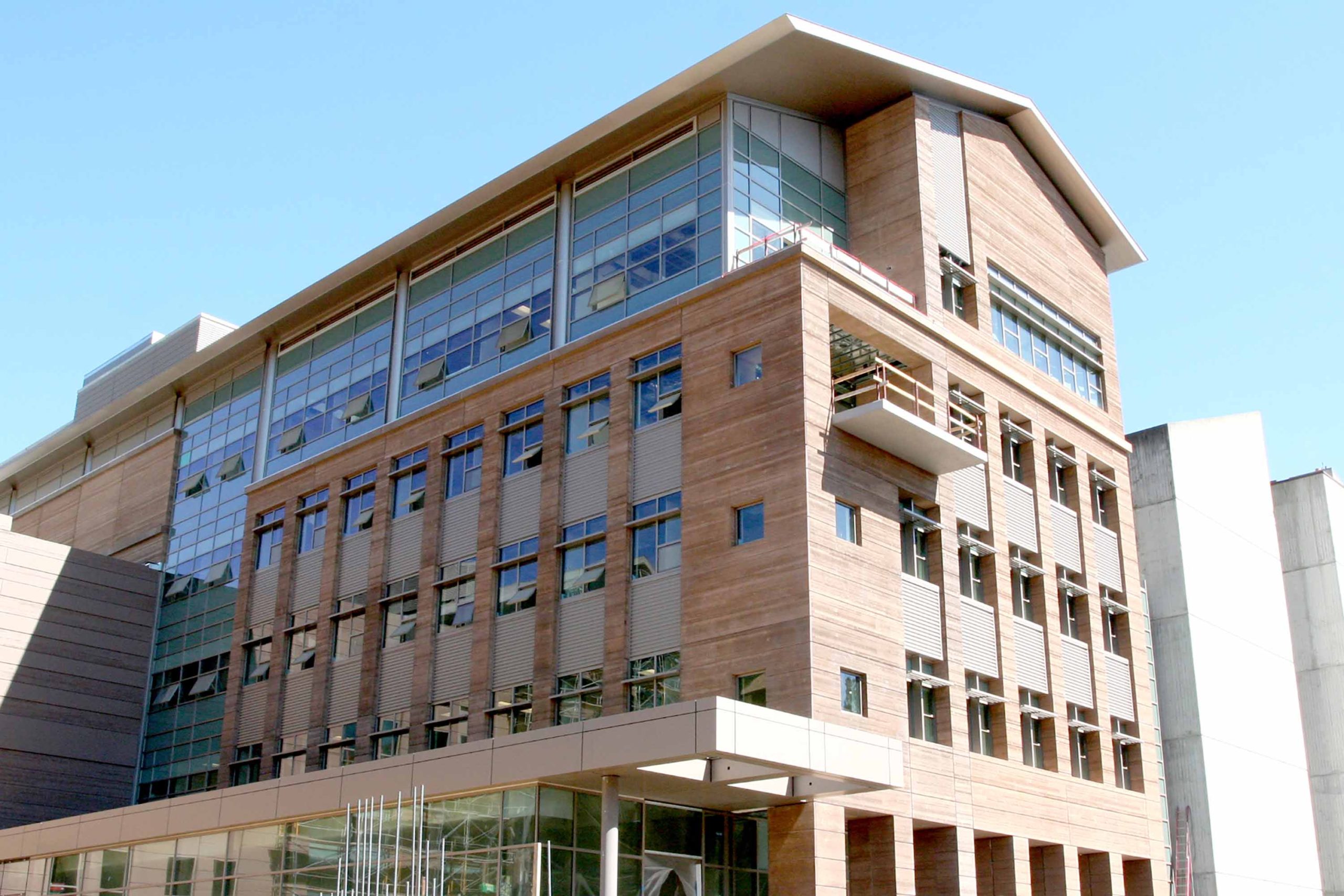
Sutardja Dai Hall
CITRIS (Center for Information Technology Research in the Interest of Society), EECS faculty and labs, Banatao Auditorium, Marvell Nanofabrication Lab. Built in 2009.
Engineering shared facilities
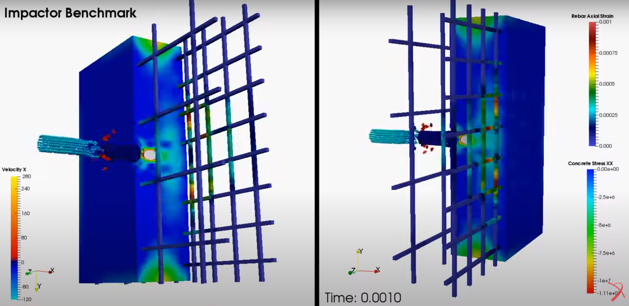
Ballistics Testing Lab
Operated by the Pacific Earthquake Engineering Research Center, users combine software and experimentation to emulate real impact phenomena and the effects on materials and structures.
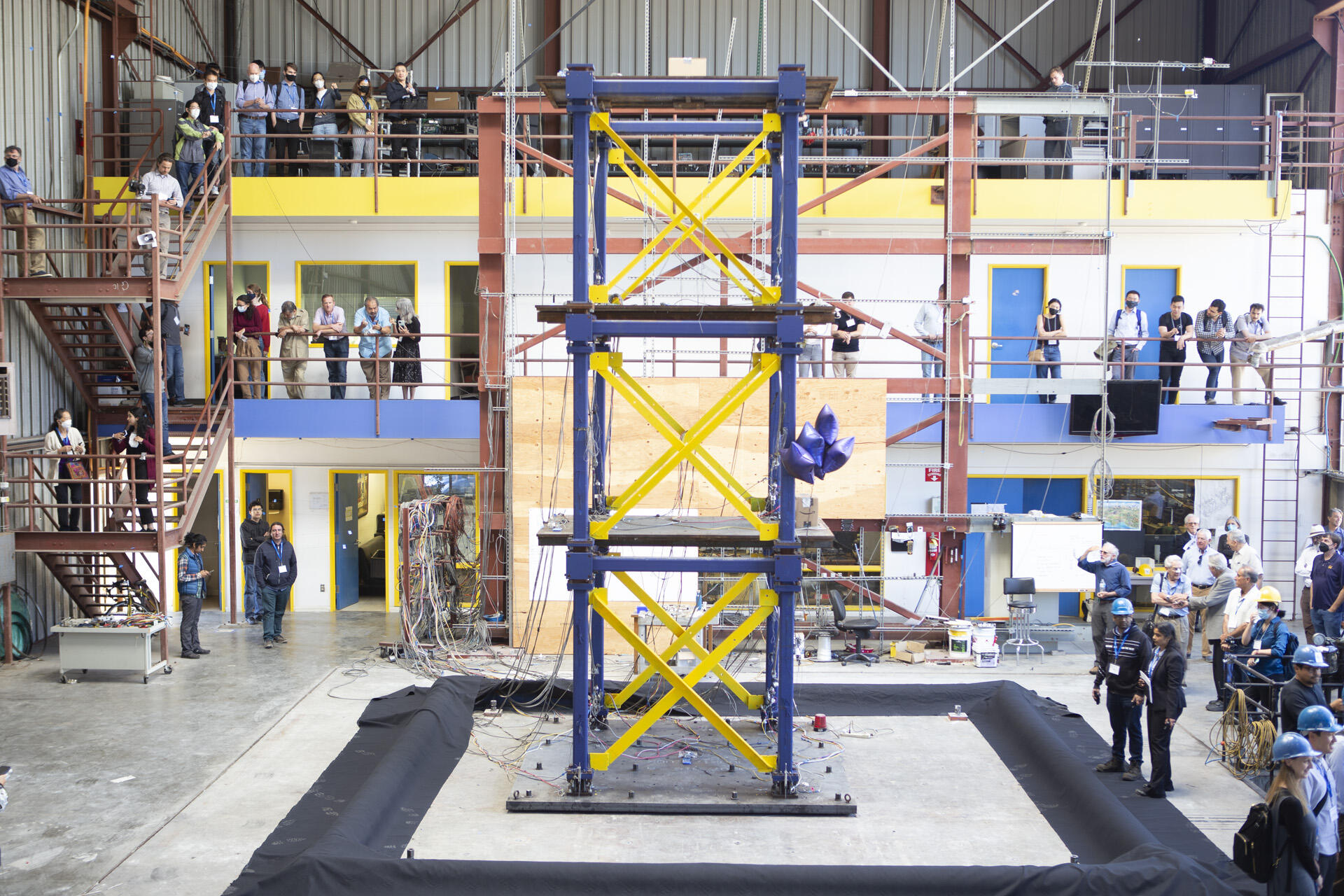
Berkeley Earthquake Simulator Laboratory
The Pacific Earthquake Engineering Research Center operates a range of sophisticated facilities for large-scale structural testing, including a shake table with six degrees of freedom.
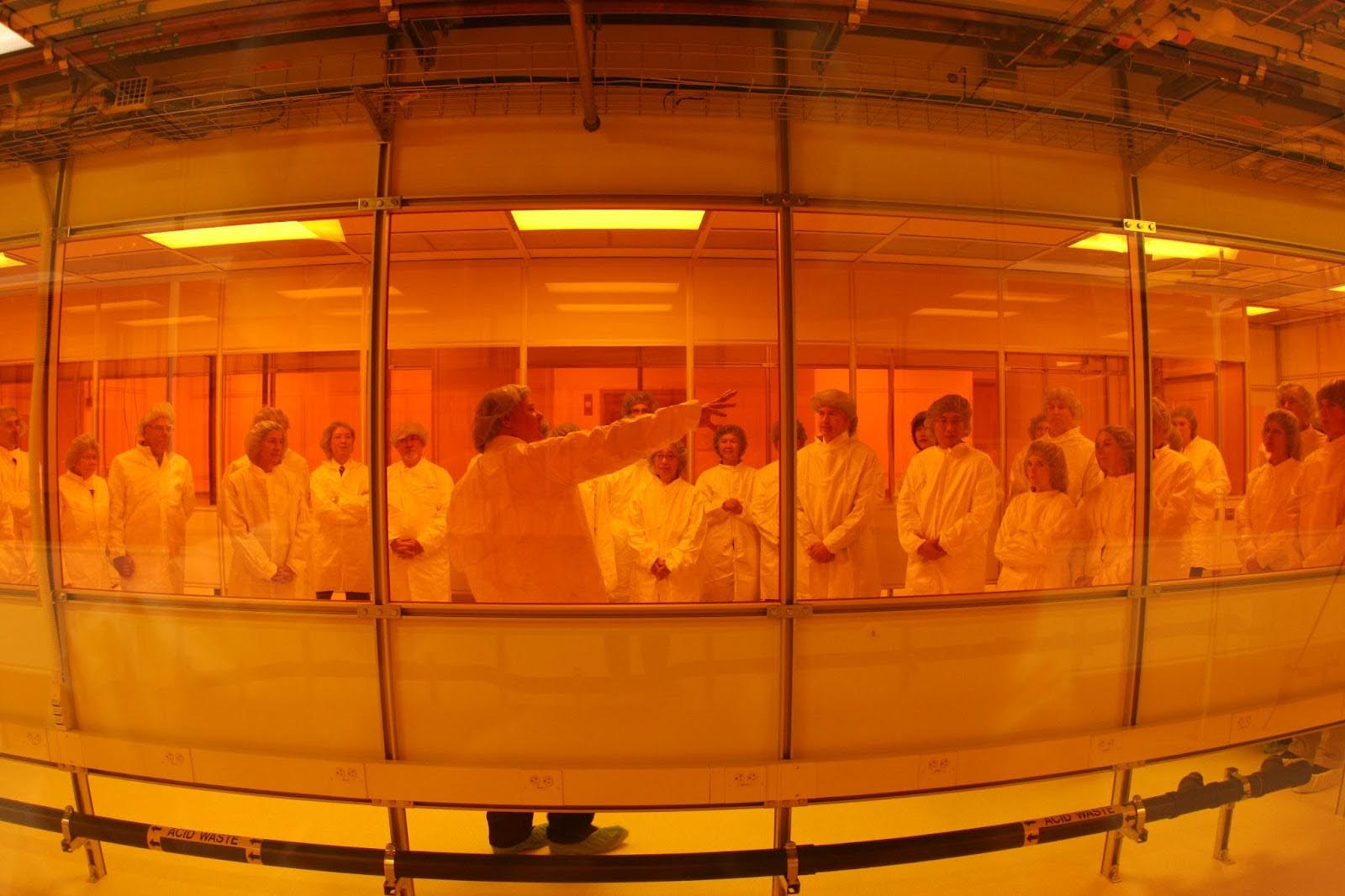
Marvell Nanofabrication Laboratory
Located in Sutardja Dai Hall, the Marvell Nanolab includes more than 15,000 square feet of Class100 and Class1000 cleanroom space, and providing researchers with a complete set of micro- and nano-fabrication tools.

Materials Characterization Facility
Houses state-of-the-art characterization tools maintained by technical staff members, this facility enables researchers to conduct material and device structural characterization on the micro- and nano-scale.
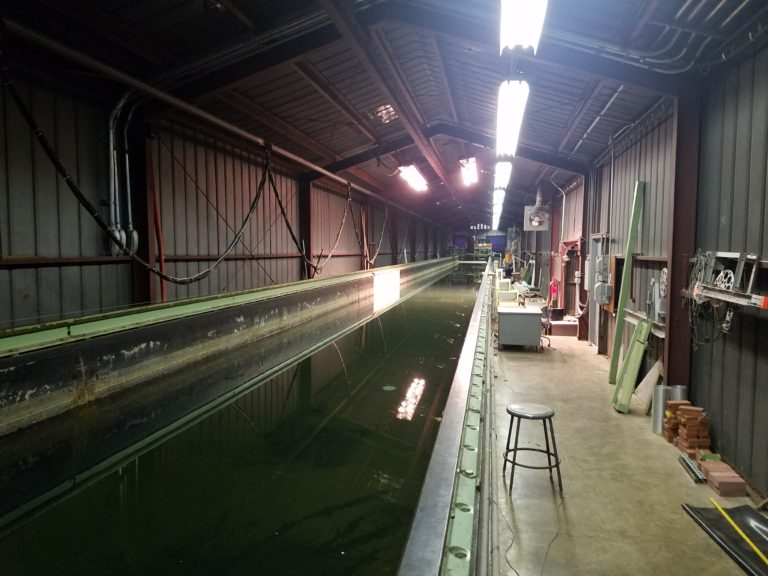
Physical Model Test Facility (Flow Lab)
The centerpiece of this facility is the 64-meter long tow and wave tank, enabling applied and fundamental research on flows relevant to energy production, offshore applications and naval hydrodynamics.