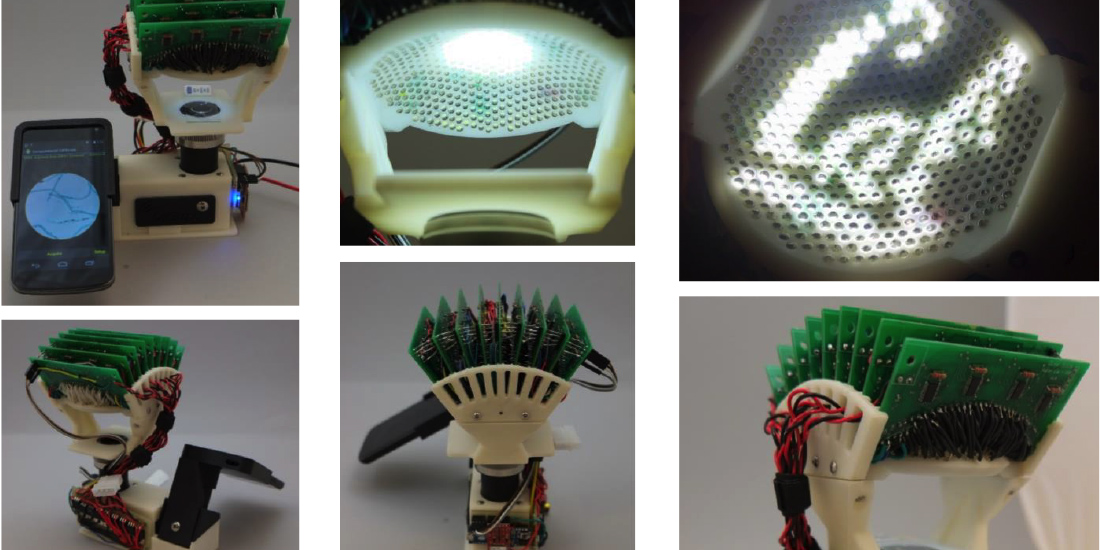
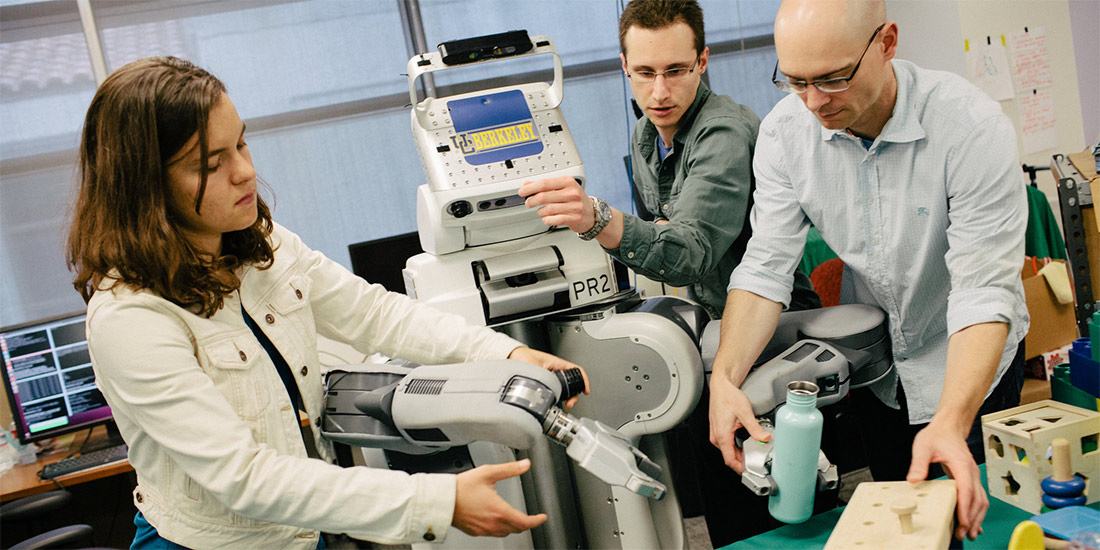
06/17/15 — Berkeley engineers attended the National Maker Faire in Washington, DC and got the chance to meet other engineers, makers and government officials while showcasing recent projects.
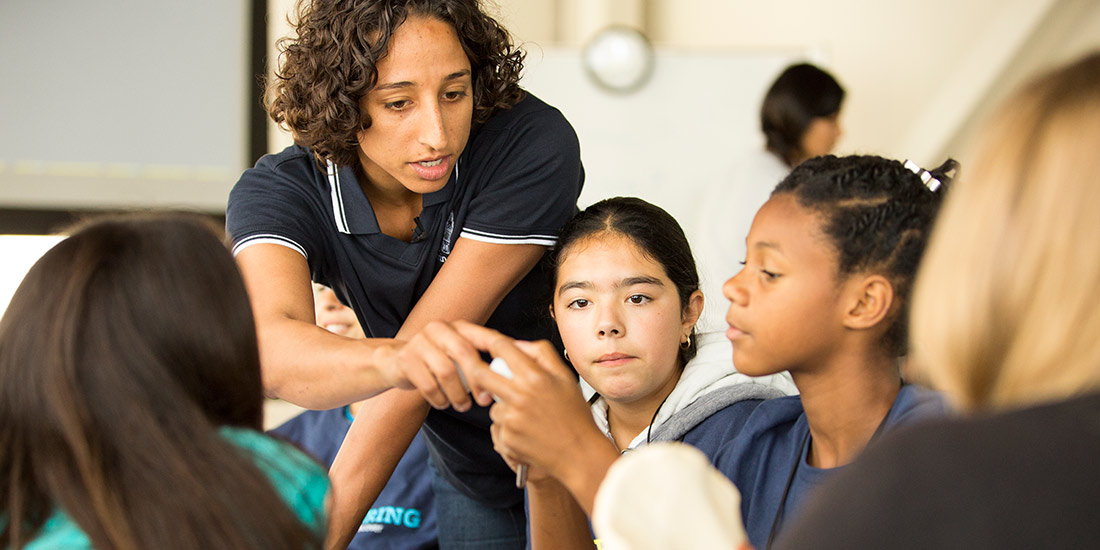
06/17/15 — From Dean Sastry: In order to increase the representation of women in engineering, we are moving beyond good intentions with proven strategies for sustaining their interest and fostering leadership.
06/16/15 — Prolific inventor and designer Jack McCauley (EECS '86) has made a $2.5-million gift to establish the McCauley Family Fund in Design Innovation, which will support programs within the Jacobs Institute.
06/10/15 EFE/Fox News Latino — Eve Andersson (M.S.'98 ME) leads the Google team tasked with developing new products for the disabled, and dreams of helping those with disabilities "work at whatever they want, study what they like, travel wherever they wish, feel free and empowered."
06/10/15 California magazine — As robots and other machines controlled by artificial intelligence are getting more sophisticated and more widely used, calls have gone out to try to instill morals in their decision-making pathways. But how? Computer science professor Stuart Russell weighs in.
06/08/15 — Berkeley engineers are building a backpack equipped with high-tech cameras and scanners that is capable of sensing and mapping indoor spaces. The backpack's potential applications include energy audits, search and rescue situations and more.
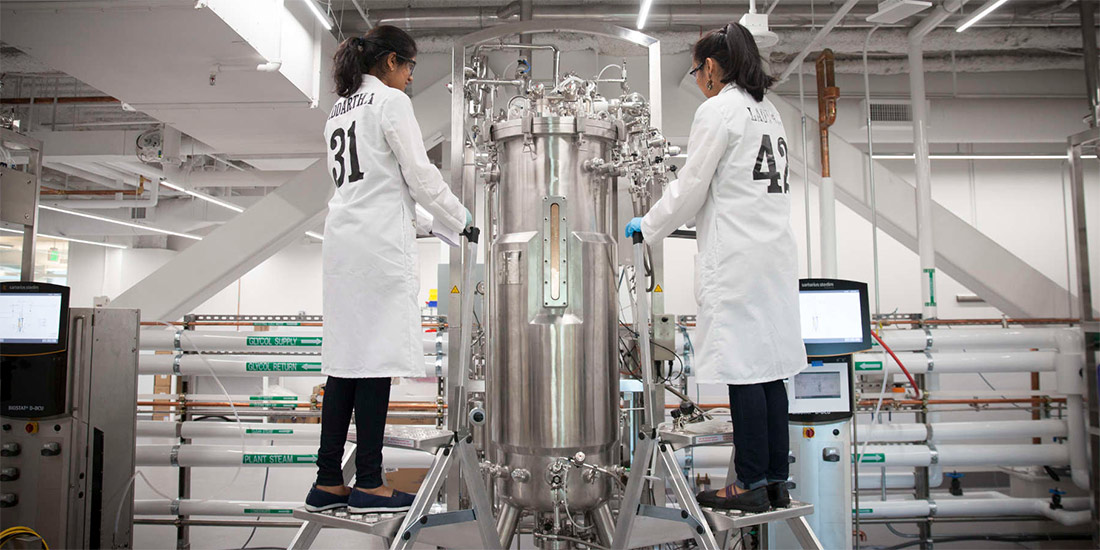
06/04/15 Bloomberg Business — David Breslauer (Ph.D'10 BioE) is the chief scientific officer of Bolt Threads, a startup company developing technology to genetically modify yeast to produce silk-like proteins - a potentially revolutionary development for the apparel industry.
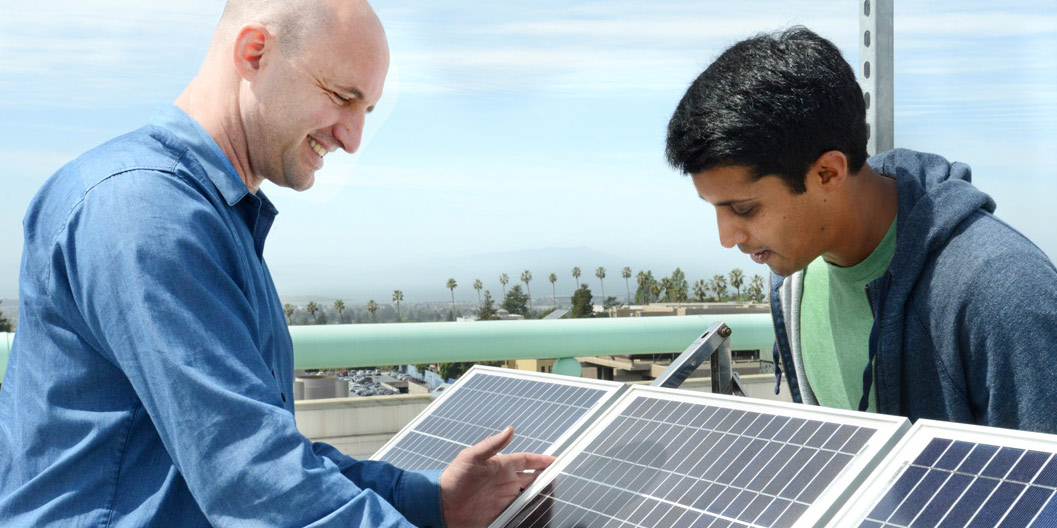
06/01/15 Berkeley Research — Computer science professor Eric Brewer and the students in his cross-departmental Technology and Infrastructure for Emerging Regions (TIER) program are tackling power shortages in Africa, blindness in India, and other challenges where technology can make a major impact in the developing world.
05/28/15 — In an op-ed piece for the science journal Nature, Stuart Russell, an expert in artificial intelligence, outlines the debate over the use of AI weapons systems, and notes widespread agreement on the need for “meaningful human control” over targeting and engagement decisions. “Unfortunately,” he adds, “the meaning of ‘meaningful' is still to be determined."
05/28/15 — Computer science professors Pieter Abbeel and Michael Lustig are now members of the Bakar Fellows Program, which is designed to translate research discoveries to marketable ventures. The fellows will receive up to five years of funding to help them introduce and scale new technologies that are likely to stimulate California's economy.
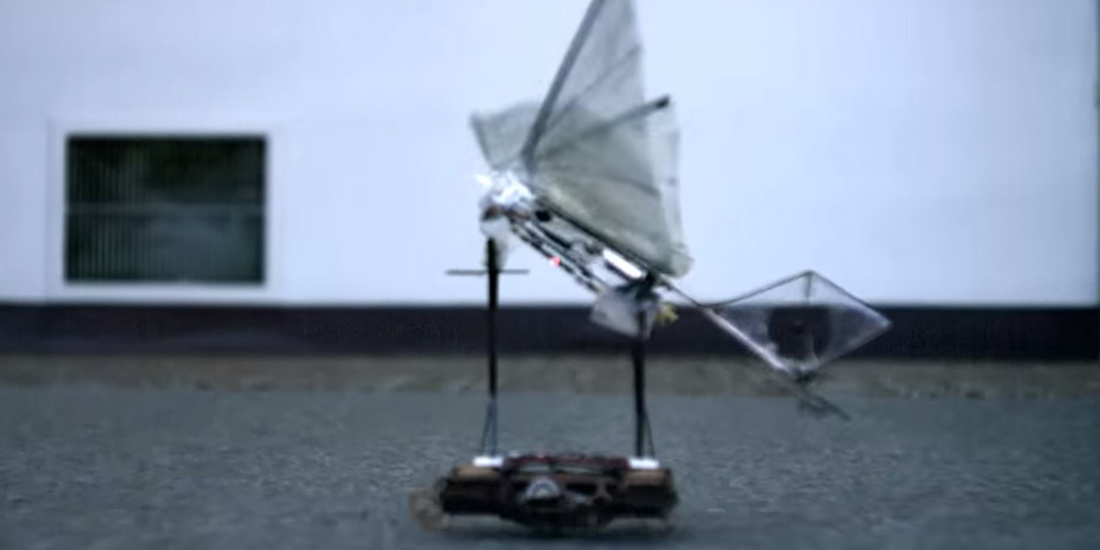
05/27/15 Gizmodo — Researchers in the Biomimetic Millisystems Lab created a robot system capable of running and flying by combining their VelociRoACH (a ground-based robot modeled after a cockroach) with the H2 Bird ornithopter (a birdlike robot).
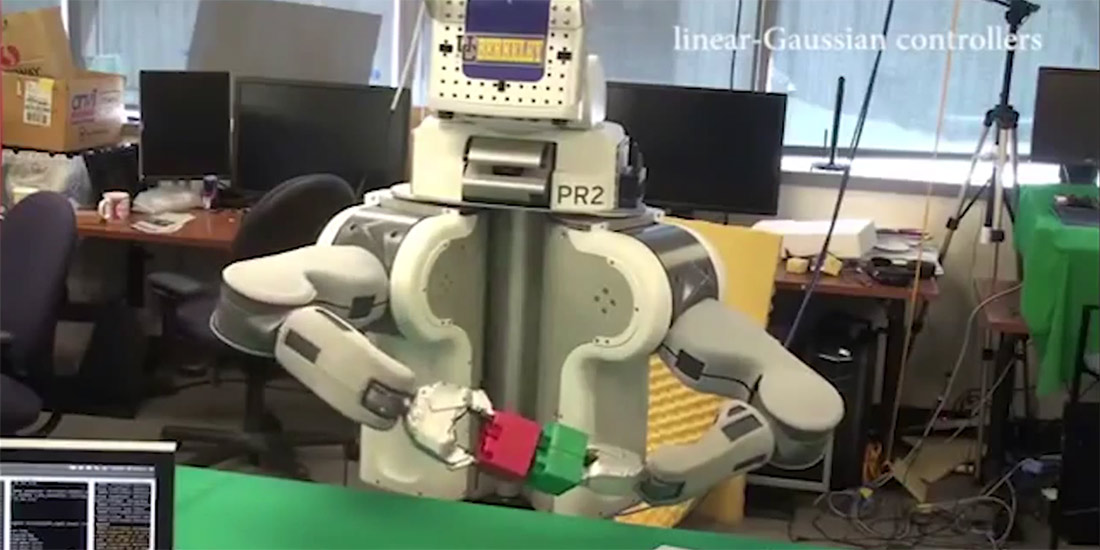
05/22/15 — UC Berkeley researchers have developed algorithms that enable robots to learn motor tasks through trial and error using a process that more closely approximates the way humans learn, marking a major milestone in the field of artificial intelligence.
05/22/15 New York Times — Linking several powerful software techniques, as Berkeley engineers have done with BRETT (Berkeley Robot for the Elimination of Tedious Tasks), makes it possible for a robot to learn tasks rapidly with a relatively little training.
05/20/15 NPR — Seven years ago, Berkeley researcher Pieter Abbeel set out on a quest: to teach a robot how to fold laundry. This proved to be a remarkably difficult task - and the difficulty of the task illuminates some key things about the limits of machines. See story and hear four-minute podcast.
05/20/15 PBS News Hour — How far away are we from making intelligent machines that actually have minds of their own? Berkeley researchers Stuart Russell and Pieter Abbeel weigh in on this nine-minute PBS News Hour segment, along with Elon Musk and Google's Ray Kurzweil.
05/20/15 New York Times — A fermentation process that produces heroin's raw ingredient has stirred debate over whether the drug trafficking trade could benefit more than the pharmaceutical industry.
05/18/15 — Research led by Berkeley bioengineers has completed key steps needed to turn sugar-fed yeast into a microbial factory for producing therapeutic drugs. But because the work could lead to home-brewing of opiates and other controlled substances, the researchers warn that regulators and law enforcement need to pay attention, too.
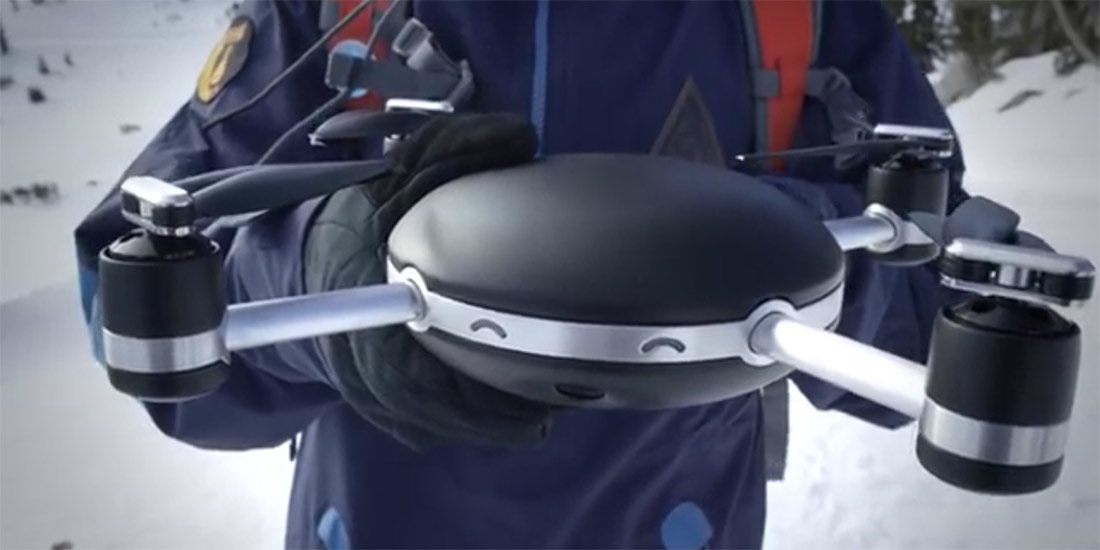
05/15/15 Wired — The Lily is a drone that doesn't need a controller, or a pilot; it just follows you. It's the first product from Lily Robotics, founded by a pair of recent UC Berkeley graduates including CTO Henry Bradlow (B.S.'13 EECS).