• Skip to main content
  • Skip to primary navigation
  • Departments
    • Bioengineering
    • Civil and Environmental Engineering
    • Electrical Engineering and Computer Sciences
    • Industrial Engineering and Operations Research
    • Materials Science and Engineering
    • Mechanical Engineering
    • Nuclear Engineering
    • Aerospace program
    • Engineering Science program
  • News
    • Berkeley Engineer magazine
    • Social media
    • News videos
    • News digest (email)
    • Press kit
  • Events
    • Events calendar
    • Commencement
    • Homecoming
    • Cal Day
    • Space reservations
    • View from the Top
    • Kuh Lecture Series
    • Minner Lecture
  • College directory
  • For staff & faculty
Berkeley Engineering

Berkeley Engineering

Educating leaders. Creating knowledge. Serving society.

  • About
    • Facts & figures
    • Rankings
    • Mission & values
    • Equity & inclusion
    • Voices of Berkeley Engineering
    • Leadership team
    • Milestones
    • Buildings & facilities
    • Maps
  • Admissions
    • Undergraduate admissions
    • Graduate admissions
    • New students
    • Visit
    • Maps
    • Admissions events
    • K-12 outreach
  • Academics
    • Undergraduate programs
    • Majors & minors
    • Undergraduate Guide
    • Graduate programs
    • Graduate Guide
    • Innovation & entrepreneurship
    • Kresge Engineering Library
    • International programs
    • Executive education
  • Students
    • New students
    • Advising & counseling
    • ESS programs
    • CAEE academic support
    • Grad student services
    • Student life
    • Wellness & inclusion
    • Undergraduate Guide
    • > Degree requirements
    • > Policies & procedures
    • Forms & petitions
    • Resources
  • Research & faculty
    • Centers & institutes
    • Undergrad research
    • Faculty
    • Sustainability and resiliency
  • Connect
    • Alumni
    • Industry
    • Give
    • Stay in touch
Home > News

Transportation

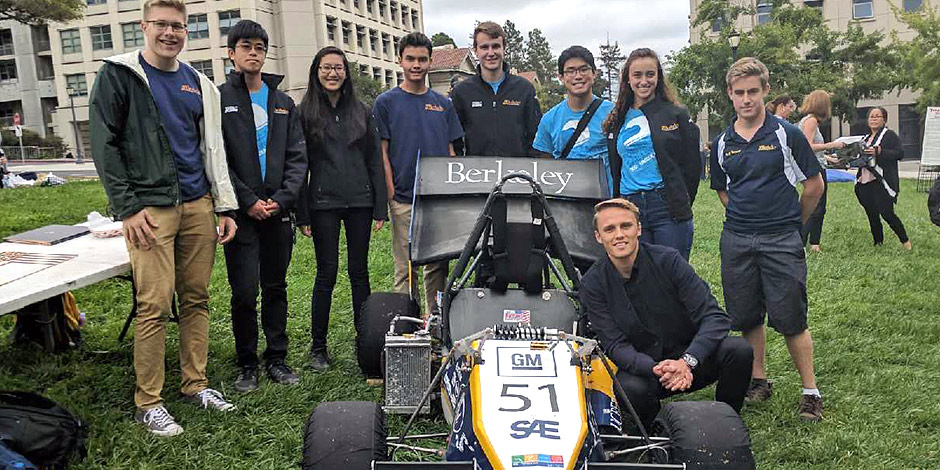
Max Chilton with Berkeley Formula SAE students and their car

IndyCar driver Max Chilton spreads the gospel of STEAM

09/15/17 IndyCar — Speaking to a spirited group of students of all ages at Berkeley, IndyCar driver Max Chilton spread the word on the importance of STEAM - science, technology, engineering, arts and math - to successfully educate the leaders of tomorrow.
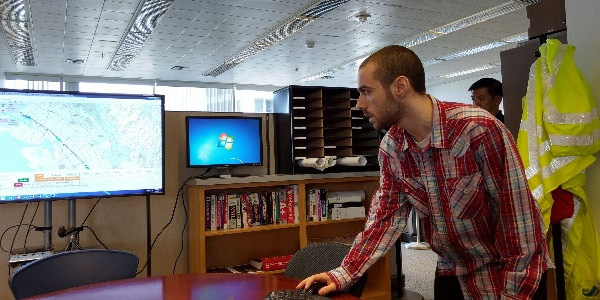
Armen Chouldjian demonstrates the web app he and Anuj Shah developed for BART

For BART engineering interns, a focus on safety, reliability and innovation

08/23/17 Mass Transit — When EECS senior Armen Chouldjian returns to UC Berkeley in the fall, he'll ride BART knowing his summer internship helped increase safety and reliability for all the transit system's riders.
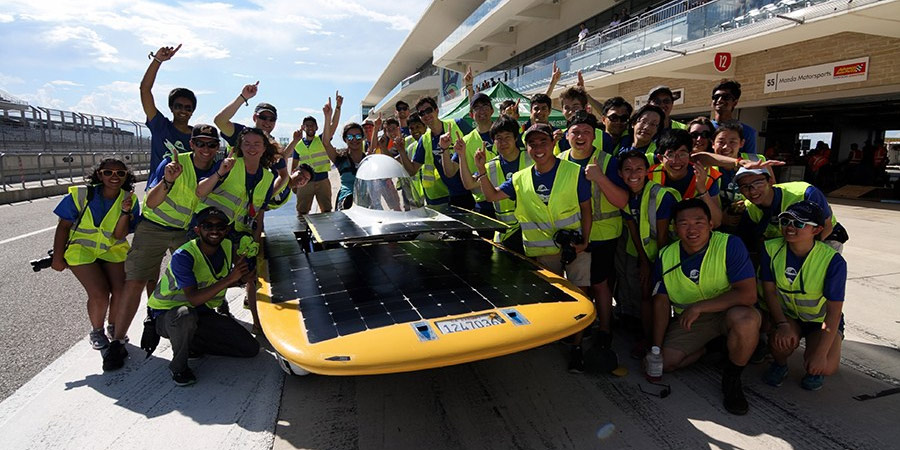
Victorious CalSol team members surround their car, Zephyr, at the track in Austin, Texas.

CalSol finishes 1st at Formula Sun Grand Prix

08/17/17 Daily Californian — The CalSol student team has won the Formula Sun Grand Prix, an annual solar vehicle track race for college teams from around the nation. CalSol's four-year-old Zephyr took first place in the July race in Austin, TX, completing 228 laps with zero penalties.
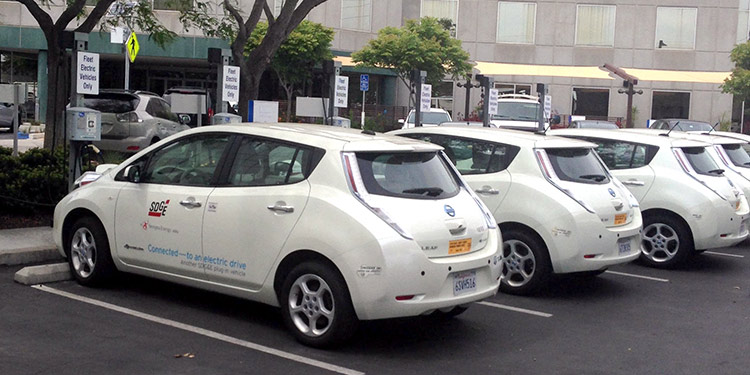
Fleet of electric cars

I-Corps supports entrepreneurs building STEM companies

07/13/17 — The regional I-Corps program, an NSF-funded collaboration among UC Berkeley, UCSF and Stanford, teaches committed entrepreneurs from STEM disciplines to take a hard look at their ideas and turn them into real, sought-after products in the market.
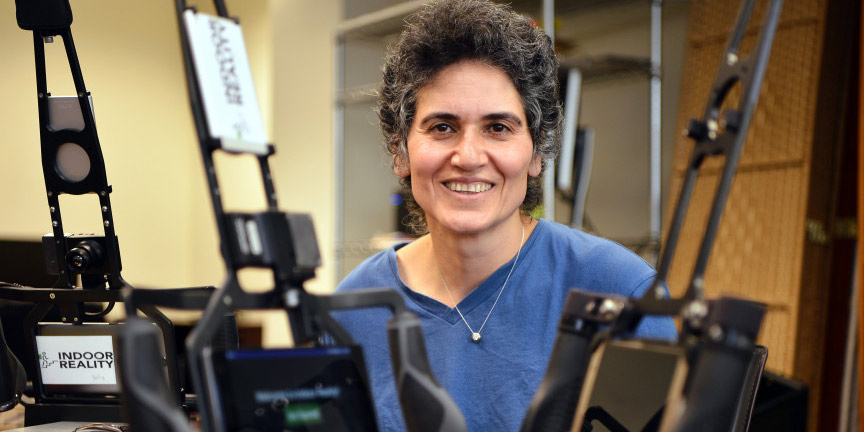
Avideh Zakhor

Avideh Zakhor: the brains behind Google Earth and Street View

05/26/17 Mercury News — EECS professor Avideh Zakhor, inventor of the 3-D modeling technology underlying Google Earth and Street View, is now turning her attention indoors. Her new startup - Indoor Reality - aims to create virtual reality and augmented reality technology for the mapping of building interiors.
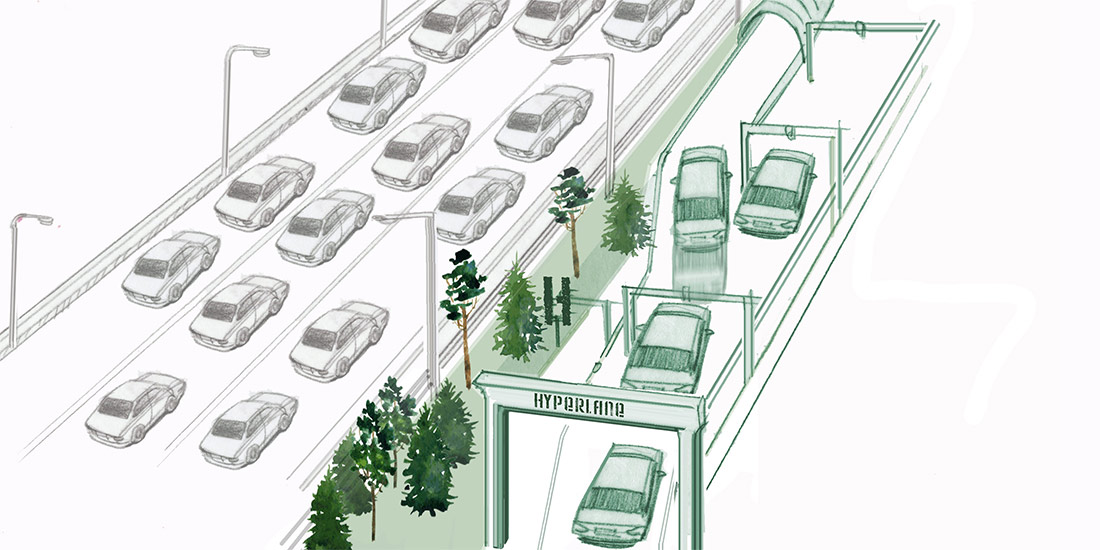
Sketch of Hyperlane concept

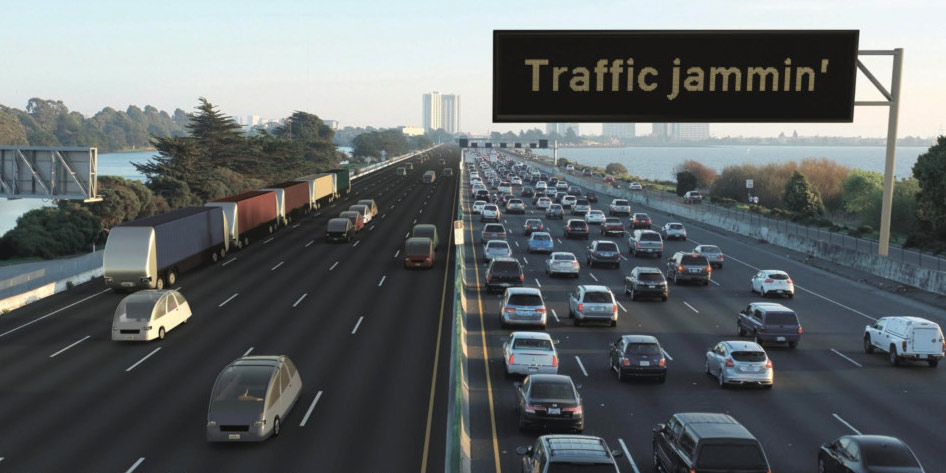
A superfast lane for self-driving cars?

03/22/17 Fortune — Imagine a future where self-driving cars zip beside interstates at 120 mph, with absolutely zero congestion. That future could exist as soon as 2050, according to grad students Baiyu Chen (B.S.'14 CEE, M.S.'15 CEE, M.S.'17 EECS) and Anthony Barrs, whose Hyperlane idea was awarded top prize and $50,000 at the Infrastructure Vision 2050 Challenge.
Karl Hedrick

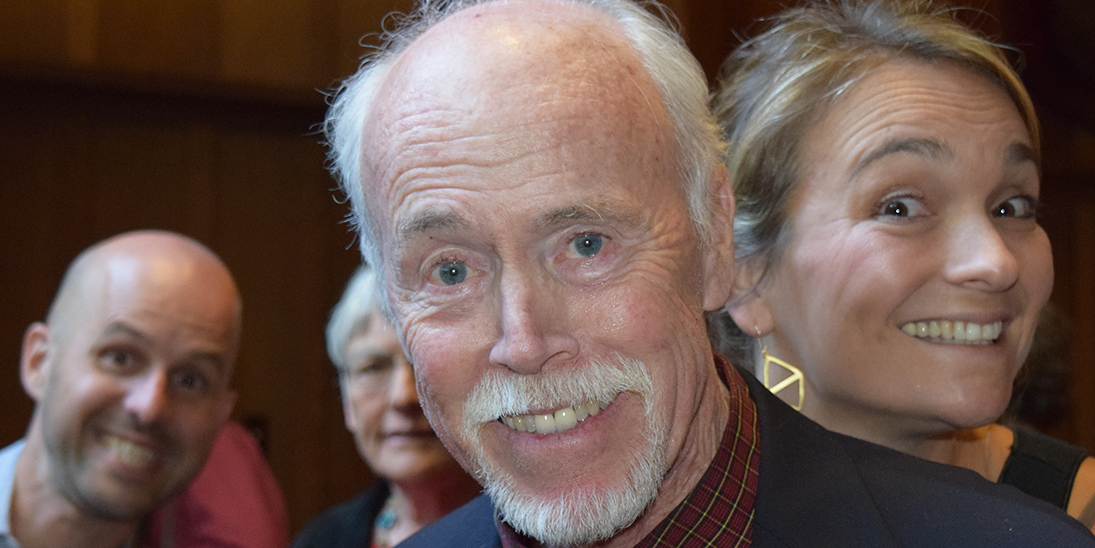
ME professor Karl Hedrick dies at 72

02/28/17 — J. Karl Hedrick, the James Marshall Wells Academic Chair and Professor of Mechanical Engineering, passed away on February 22 after a long battle with lung cancer. He was an expert on nonlinear control theory and its applications to transportation. See also the Daily Cal's obituary for Prof. Hedrick.
Kenichi Soga

Hashtagging the way to safer infrastructure

11/29/16 — Civil and environmental engineering professor Kenichi Soga delivered a CITRIS talk about using social media and sensor-laden environments to build smart infrastructure.
Sign for Nobel laureate bike parking space

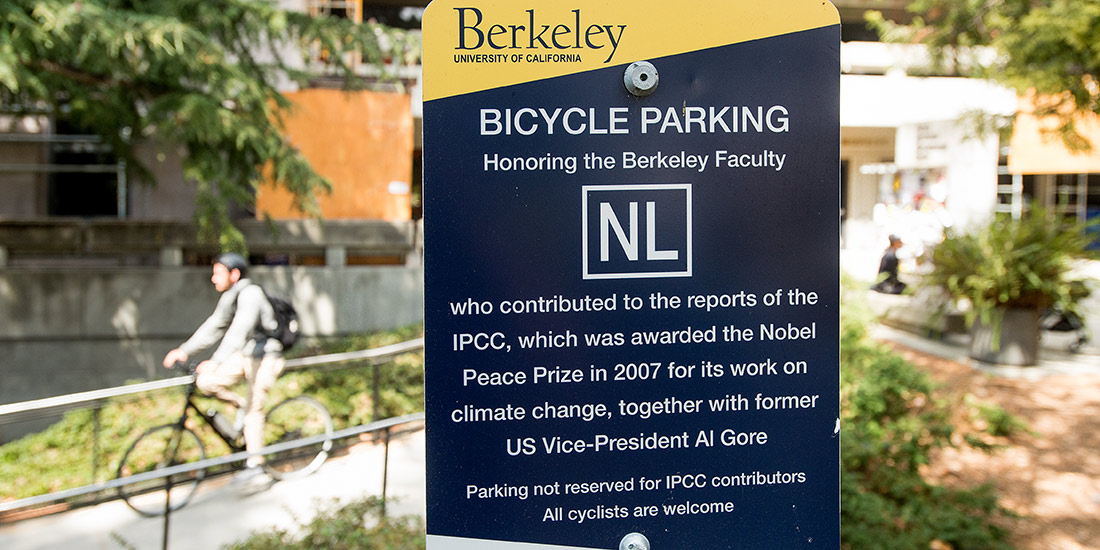
Nobel (bike) parking

11/01/16 — Reserved parking for Nobel laureates won't be limited to cars anymore. New, gold-colored bike racks were installed just outside of the Free Speech Café in recognition of Berkeley's contributions to the 2007 Nobel-prize winning International Panel on Climate Change.
Plants growing on high-rise building

Green cities

11/01/16 — The majority of the world's population is projected to live in cities by the year 2050. Although cities are considered strains the environment, nuclear engineering professor Daniel Kammen see the potential for cities to be models of sustainability.
Berkeley research team and their autonomous car

Berkeley team recognized for autonomous car research

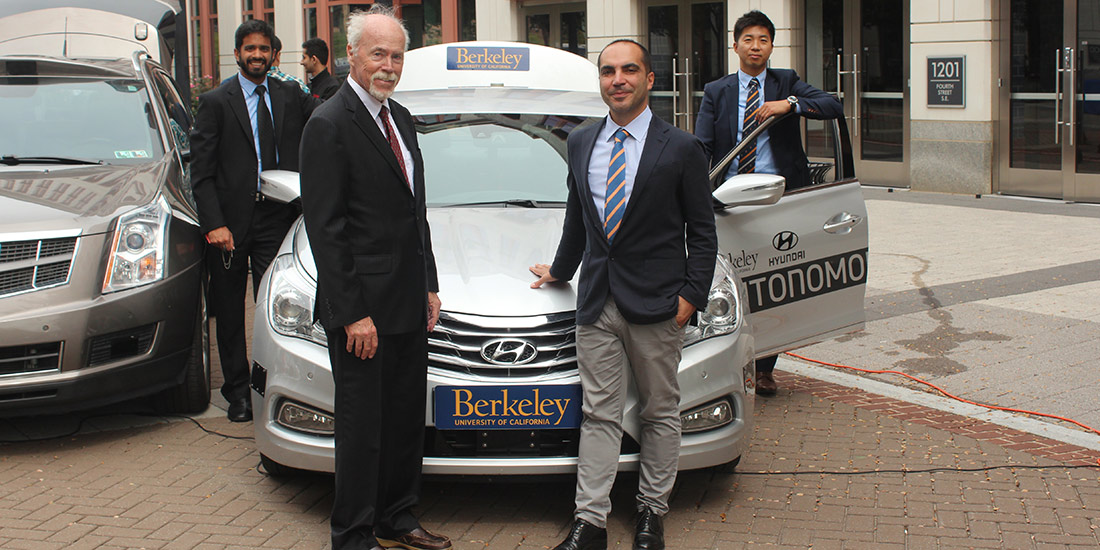
10/05/16 — ME professors Francesco Borrelli and Karl Hedrick, Ph.D. student Ashwin Carvalho, and Associate Director for Self-Driving Vehicle Development Chan Kyu Lee were in attendance for the U.S. Department of Transportation's announcement of a new policy on Automated Vehicle Development.
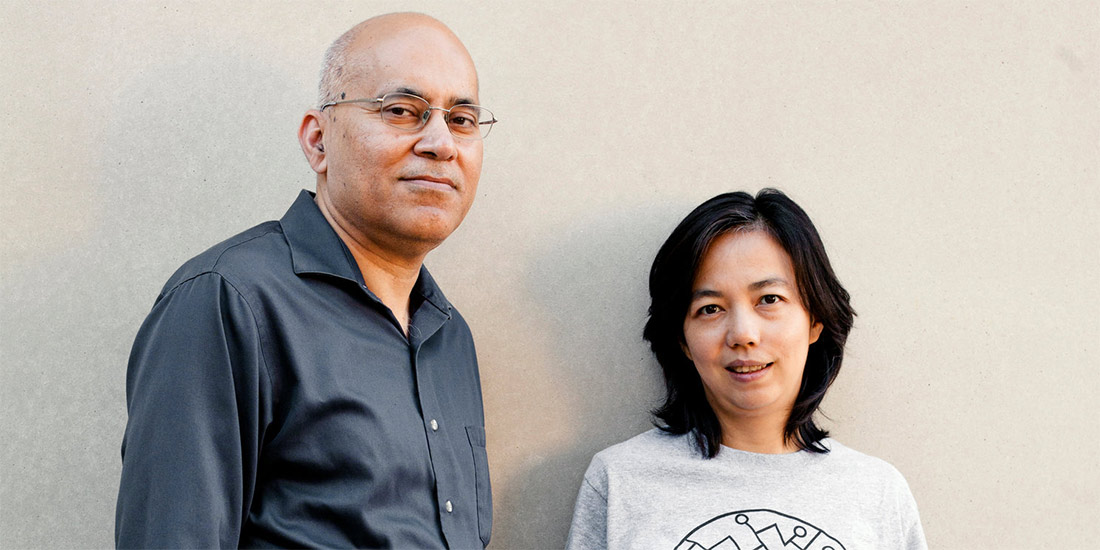
Jitendra Malik of UC Berkeley and Fei-Fei Li of Stanford

A lesson of Tesla crashes? Computer vision can’t do it all yet

09/21/16 New York Times — EECS department chair Jitendra Malik, a researcher in computer vision for three decades, doesn't own a Tesla, but he has advice for people who do. “Knowing what I know about computer vision,” he said, “I wouldn't take my hands off the steering wheel.”
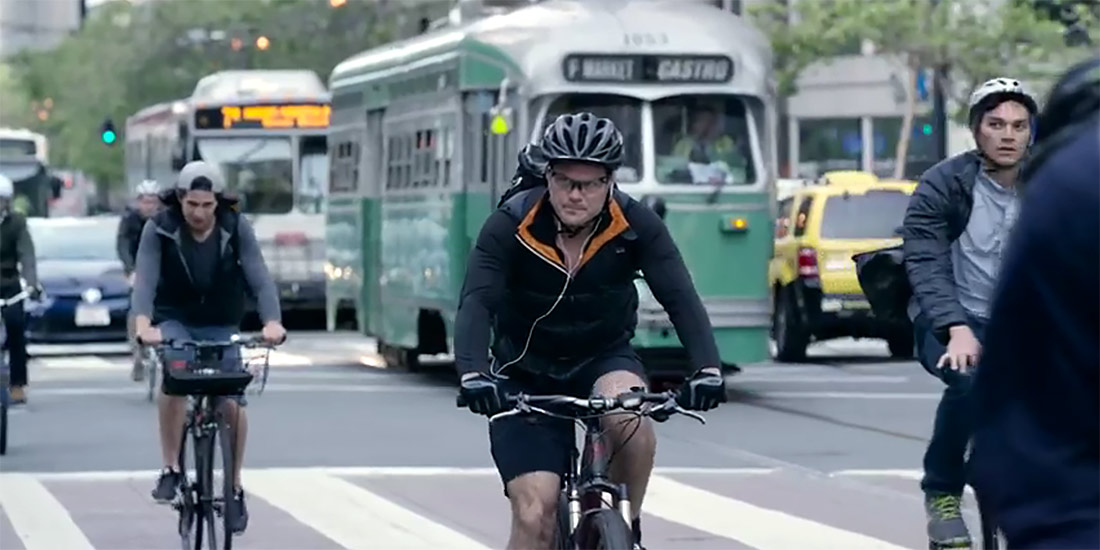
Bikes, streetcars, buses and more vehicles on a San Francisco street

SF, UC Berkeley to continue collaborating on ‘smart cities’

09/09/16 — This year's bid by San Francisco and UC Berkeley failed to win the U.S. Department of Transportation's Smart City Challenge, but the city and university have agreed to continue to jointly explore innovative urban transportation options, and ways that technology can improve city life in general.
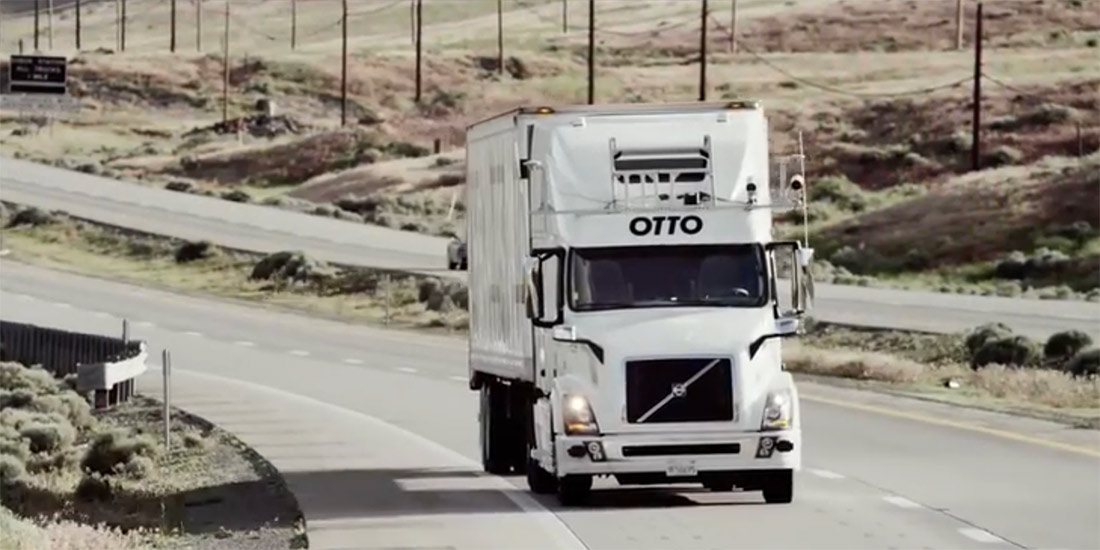
Otto self-driving truck on highway test run

Uber Is betting we’ll see driverless 18-wheelers before taxis

09/08/16 MIT Technology Review — With its acquisition of self-driving truck startup Otto, Uber is hoping for a shortcut in the race to profit from driverless vehicles. But research engineer Steven Shladover of Berkeley's California Partners for Advanced Transportation Technology Program (PATH) sees challenges - real and perceived - in putting 40-ton trucks on the road with only software behind the wheel.
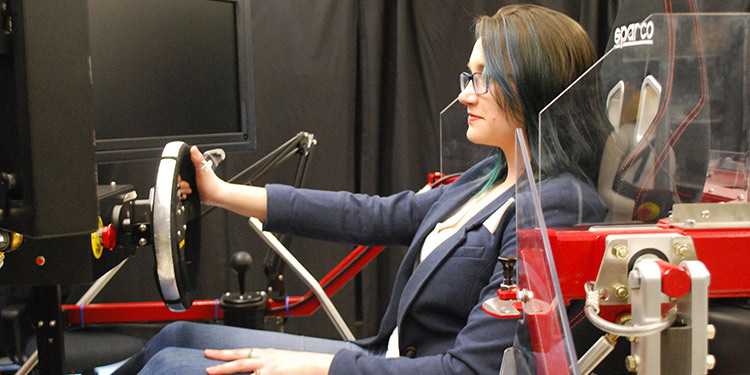
Student Katherine Rose Driggs Campbell in a driving simulator

$4.6 million grant to improve how automated cars, drones interact with humans

09/08/16 — As companies contemplate deploying self-driving cars, trucks and delivery drones, Berkeley engineers are embarking on a major project to improve how they interact with humans.
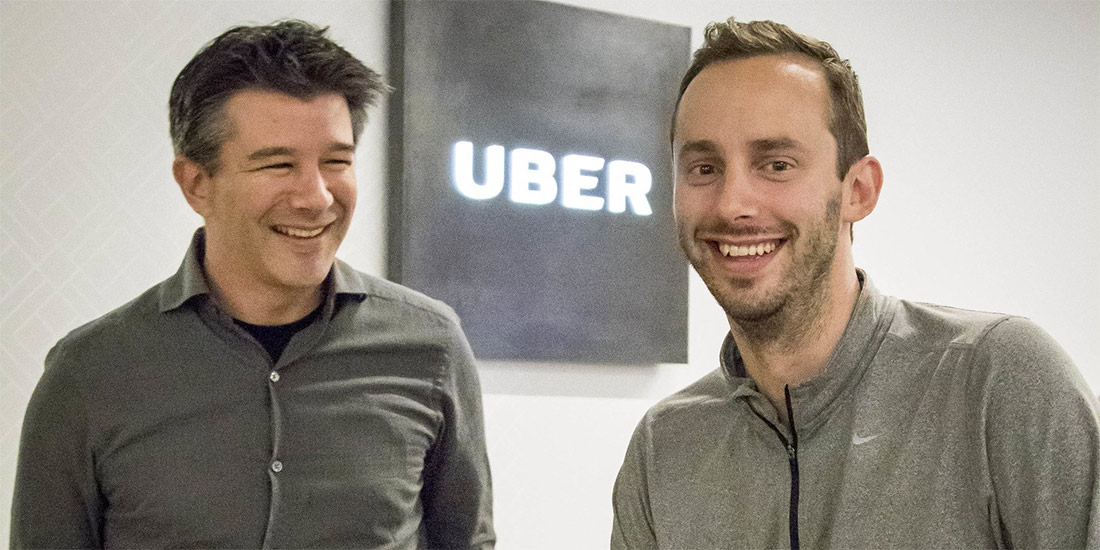
Anthony Levandowski (right) and Uber CEO Travis Kalanick in the lobby of Uber’s headquarters

How robot lover Anthony Levandowski pioneered the driverless car

08/22/16 The Guardian — Anthony Levandowski (B.S.'02, M.S.'03 IEOR) is one the most influential engineers behind self-driving vehicles. Now that Uber has bought his latest startup, Otto, he talks about how it all started with a phone call from Mom.
Sketch of bLoop

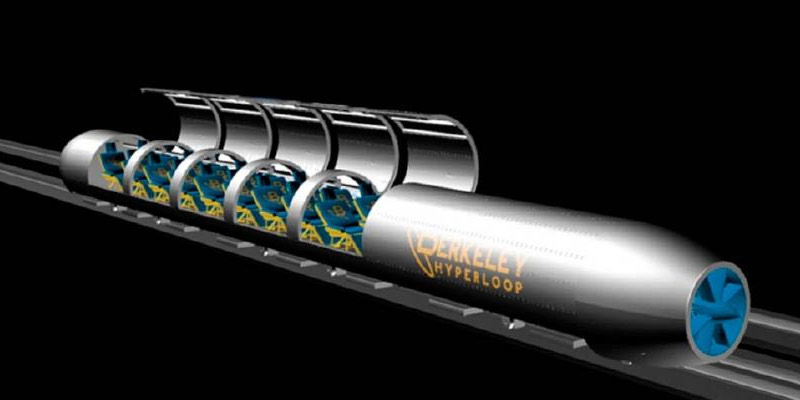
Whooshing into the future

06/21/16 California magazine — Aiming to make speed-of-sound commutes a reality, the bLoop team, made up of 40 UC Berkeley students and faculty, is heading into the final round of the hyperloop competition sponsored by Elon Musk's SpaceX company.
Artist

On the road to driverless cars

05/24/16 Berkeley Science Review — How Berkeley research, including foundational work by PATH plus recent advances in engineering and computer science, is fundamental to industry progress on automated transportation.
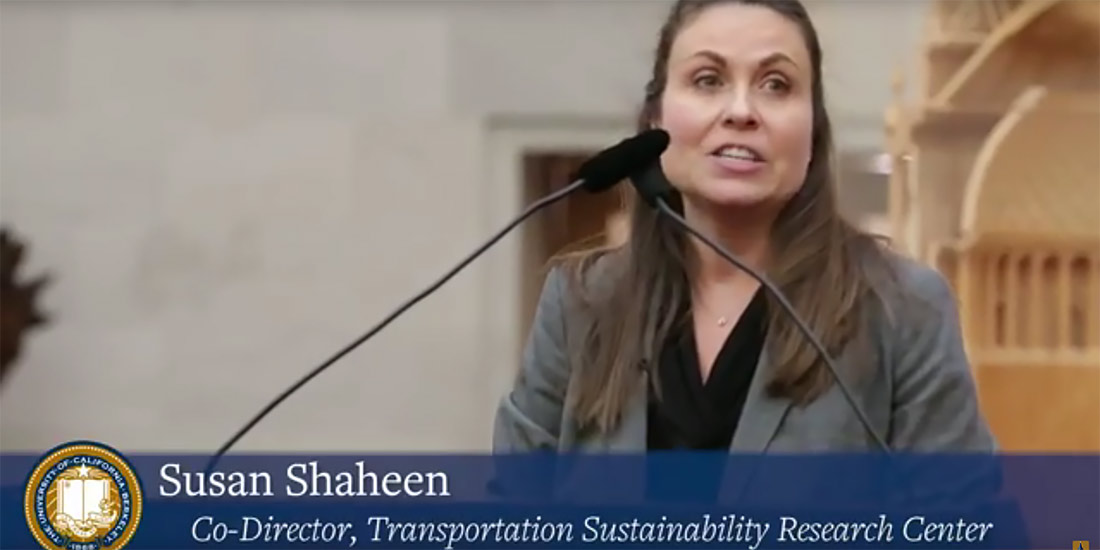
Susan Shaheen speaking at the Smart City Challenge kickoff

San Francisco, UC Berkeley team up to tackle transit challenges

05/05/16 — UC Berkeley transportation researchers joined San Francisco Mayor Ed Lee in inviting the region's tech companies to join the Smart City Challenge, a Department of Transportation competition that could bring $40 million to the city and UC Berkeley to create the nation's first smart transportation network.
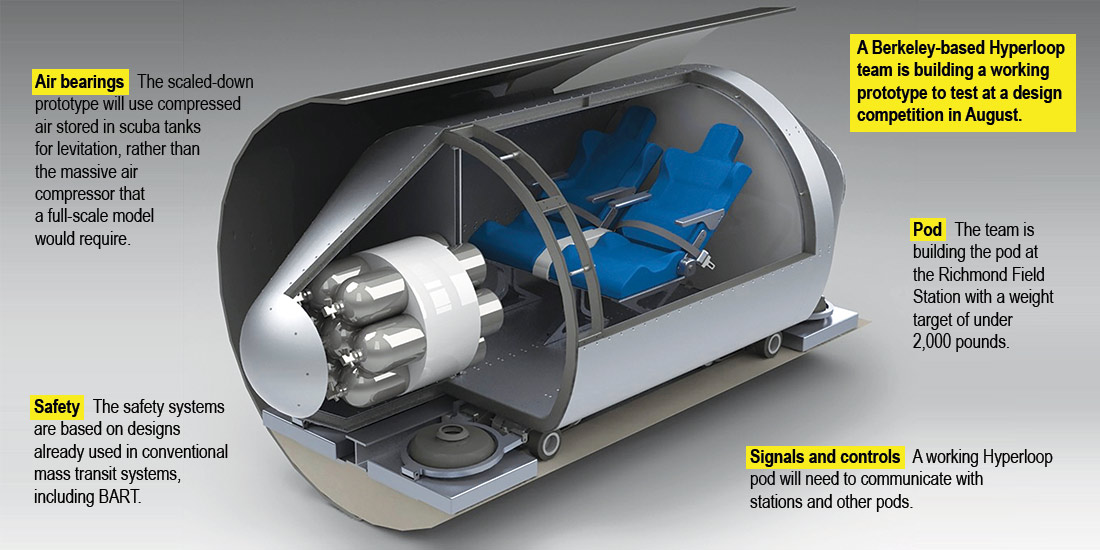
Diagram of Berkeley Hyperloop prototype, showing air bearings, safety features, signals and controls.

Learning to levitate

05/01/16 — This August, the Berkeley Hyperloop (bLoop) team will shoot its transportation pod down a test track at high speeds for a design competition. But first, the team of 40 students must make their Hyperloop pod levitate.
  • « Go to Previous Page
  • Go to page 1
  • Go to page 2
  • Go to page 3
  • Go to page 4
  • Go to page 5
  • Go to page 6
  • Go to Next Page »
  • Contact
  • Give
  • Privacy
  • UC Berkeley
  • Accessibility
  • Nondiscrimination
  • instagram
  • X logo
  • linkedin
  • facebook
  • youtube
  • bluesky
© 2025 UC Regents