• Skip to main content
  • Skip to primary navigation
  • Departments
    • Bioengineering
    • Civil and Environmental Engineering
    • Electrical Engineering and Computer Sciences
    • Industrial Engineering and Operations Research
    • Materials Science and Engineering
    • Mechanical Engineering
    • Nuclear Engineering
    • Aerospace program
    • Engineering Science program
  • News
    • Berkeley Engineer magazine
    • Social media
    • News videos
    • News digest (email)
    • Press kit
  • Events
    • Cal Day
    • Commencement
    • Events calendar
    • Engineering Ethics workshop
    • Homecoming
    • Kuh Lecture Series
    • Minner Lecture
    • Space reservations
    • View from the Top
  • College directory
  • For staff & faculty
Berkeley Engineering

Berkeley Engineering

Educating leaders. Creating knowledge. Serving society.
  • About
    • Facts & figures
    • Rankings
    • Mission & values
    • Equity & inclusion
    • Voices of Berkeley Engineering
    • Leadership team
    • Milestones
    • Buildings & facilities
    • Maps
  • Admissions
    • Undergraduate admissions
    • Graduate admissions
    • New students
    • Visit
    • Maps
    • Admissions events
    • K-12 outreach
  • Academics
    • Undergraduate programs
    • Majors & minors
    • Undergraduate Guide
    • Graduate programs
    • Graduate Guide
    • Innovation & entrepreneurship
    • Kresge Engineering Library
    • International programs
    • Executive education
  • Students
    • New students
    • Advising & counseling
    • ESS programs
    • CAEE academic support
    • Grad student services
    • Student life
    • Wellness & inclusion
    • Undergraduate Guide
    • > Degree requirements
    • > Policies & procedures
    • Forms & petitions
    • Resources
  • Research & faculty
    • Centers & institutes
    • Undergrad research
    • Faculty
    • Sustainability and resiliency
  • Connect
    • Alumni
    • Industry
    • Give
    • Stay in touch
Home > News

Research

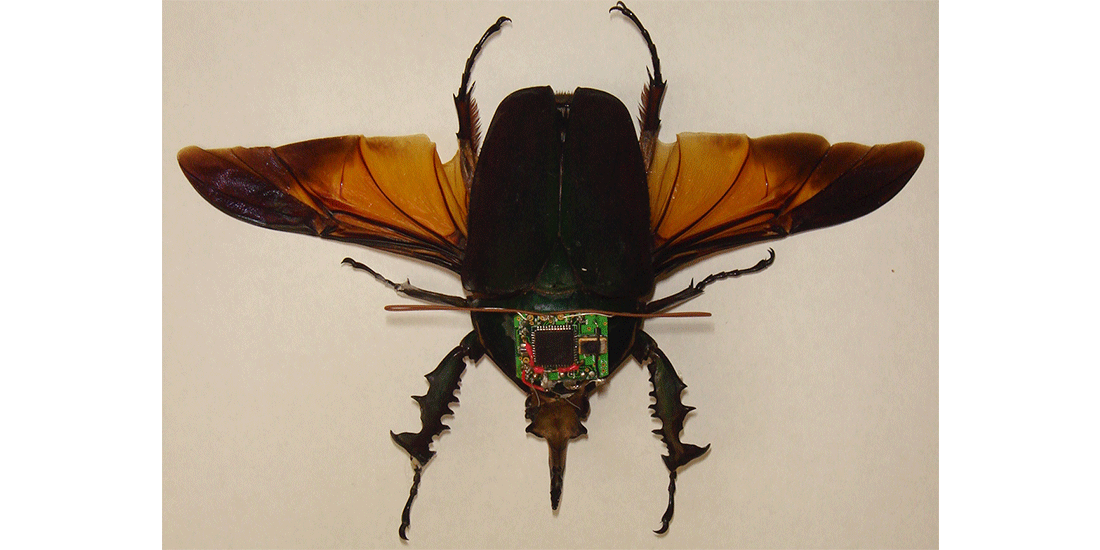
Beetle implanted with microcontroller

EECS researcher creates controllable flying insects using TI technology

09/12/14 Texas Instruments — EECS associate professor Michel Maharbiz spends his days studying the "beautiful systems" of the insect world, and applying that knowledge to building the tiniest of flying objects.
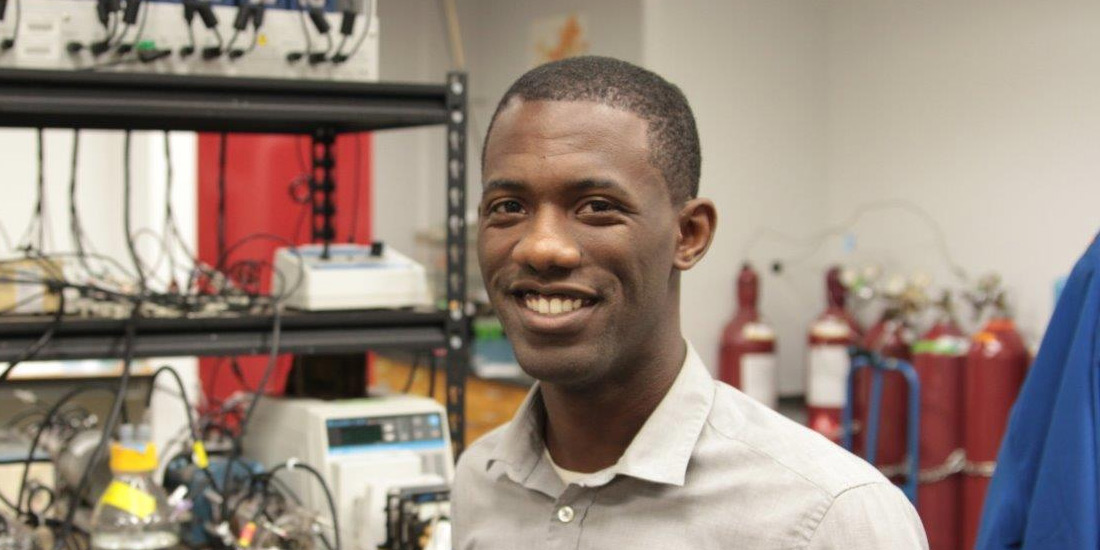
William Tarpeh at the Berkeley Water Center

Defining development engineering

09/12/14 — Development engineers elude easy definition, but they are trained as multi-tooled tacticians creating holistic solutions to technical challenges that are interlaced with social and political complexities.
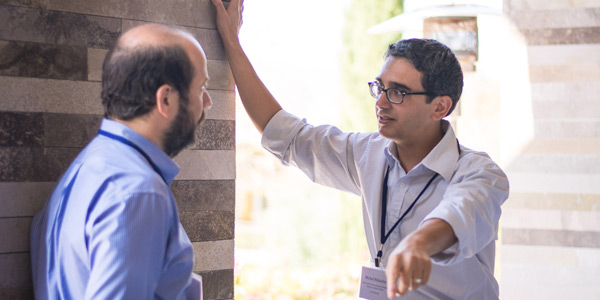
Bakar Fellow Michel Maharbiz of EECS explaining neural dust

Bakar research fellows make their case in Silicon Valley

09/09/14 — Sixteen Bakar Fellows, including several Berkeley Engineering faculty members, recently presented their research ideas to a a packed room of potential investors on Sand Hill Road.
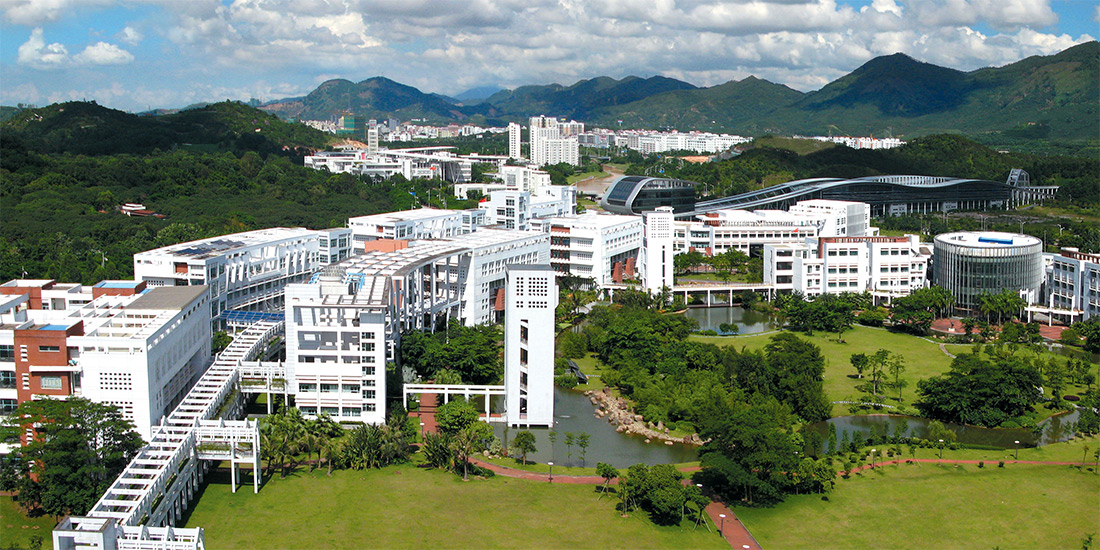
Tsinghua University

UC Berkeley and Tsinghua University launch research and graduate education partnership

09/06/14 — UC Berkeley and Tsinghua University have signed an agreement to establish a joint institute in the city of Shenzhen in South China to promote research collaboration and graduate student education. First areas of focus for the institute will be nanotechnology and nanomedicine, low-carbon and new energy technologies, and data science and next-generation Internet.
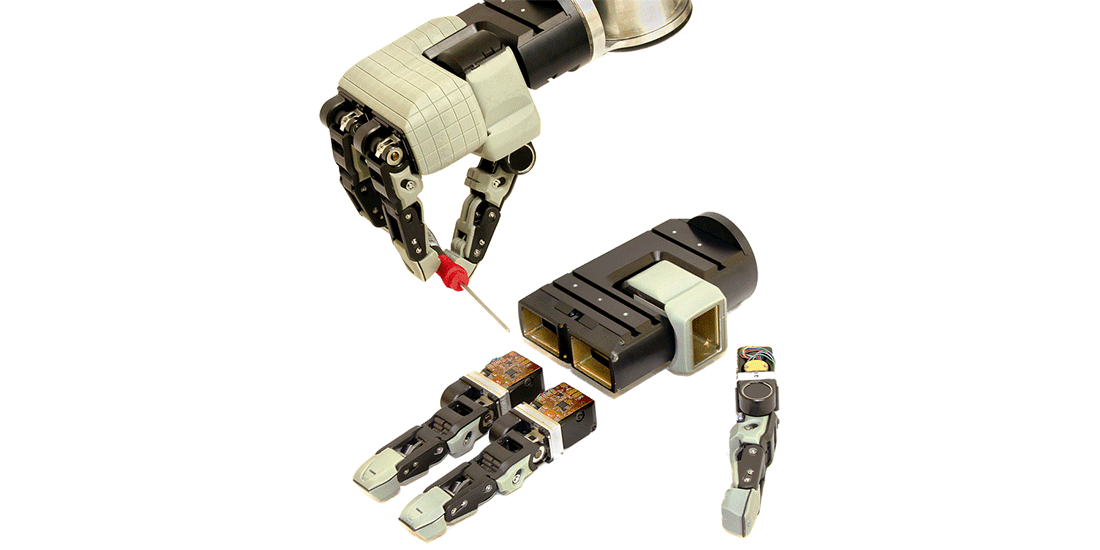
Robot hand performing a delicate task

Brainy, yes, but hardly handy

09/02/14 New York Times — Robots won't be able to take on many human roles until they acquire a delicate sense of touch, and that "takes time, and it's more complicated,” says Ken Goldberg, a roboticist and IEOR professor at Berkeley Engineering. “Humans are really good at this, and they have millions of years of evolution.”
Wafer used to build "organoid chips"---chips that mimic the behavior of the human body.

New ‘biochips’ that mimic our bodies could speed development of drugs

08/27/14 Wired — Researchers in the labs of Berkeley bioengineers Kevin Healy and Luke Lee are collaborating on a project to recreate parts of the human body on chips. The research aims to find ways to get tissue to live and mimic how real organs function in order to eliminate years of animal and human testing of medical treatments.
Professor Seung-Wuk Lee is interviewed on Danish TV

Bioengineering research on Danish TV

08/26/14 Jyske Bank — The Danish television program “Tech and City” filmed an episode at UC Berkeley showcasing bioengineering professor Seung-Wuk Lee's virus-electric energy work, and the CellScope project from professor Dan Fletcher's lab, explained by PhD alum and lecturer Frankie Myers.
Samples from the Average Explorer

Out of many, one

08/25/14 The New Yorker — EECS professor, Alexei Efros built the AverageExplorer to study visual information. The software creates an average image after compiling thousands of similar Internet photos.
Software for blending and averaging images

New tool makes a single picture worth a thousand – and more – images

08/14/14 — New software developed by UC Berkeley computer scientists seeks to tame the growing sea of visual data by generating an "average" photo that can represent many thousands of related images.
AMPlab: Algorithms, machines, people

What cars did for today’s world, data may do for tomorrow’s

08/12/14 New York Times — Berkeley's AMP Lab, created two years ago for research into new kinds of large-scale computing, has become a key part of the world-changing ecosystem of digital hardware and software, spinning out companies like Databricks and Mesosphere that make megacomputing systems available and affordable.
Acoustic bottle beam

Bottling up sound waves

08/07/14 Berkeley Lab — Berkeley Lab researchers, led by Berkeley Engineering materials science professor Xiang Zhang, have developed a technique for generating self-bending acoustic bottle beams that hold promise for ultrasonic imaging and therapy, and for acoustic cloaking, levitation and particle manipulation.
Manipulated 3D images of a paper crane

Photo editing tool enables object images to be manipulated in 3-D

08/06/14 R&D Magazine — A team including EECS professor Alexei Efros, formerly of Carnegie Mellon but now at Berkeley, created a photo editing tool that lets users manipulate images in 3-D so that objects can be turned or flipped and even originally hidden surfaces can be exposed.
Brian Barsky with vision experiment rig

New technology could help farsighted computer users see without glasses

07/31/14 CBS News — UC Berkley professor Brian Barsky's experiments could solve a common modern problem. He's developing software designed to help anyone who has to wear glasses every time they look at a computer or smartphone.
Video showing how vision correction technology works

Vision-correcting display makes reading glasses so yesterday

07/29/14 — Researchers at UC Berkeley are developing vision-correcting displays that can compensate for a viewer's visual impairments to create sharp images without the need for glasses or contact lenses.
Bomb-sniffing dog

Tiny laser sensor heightens bomb detection sensitivity

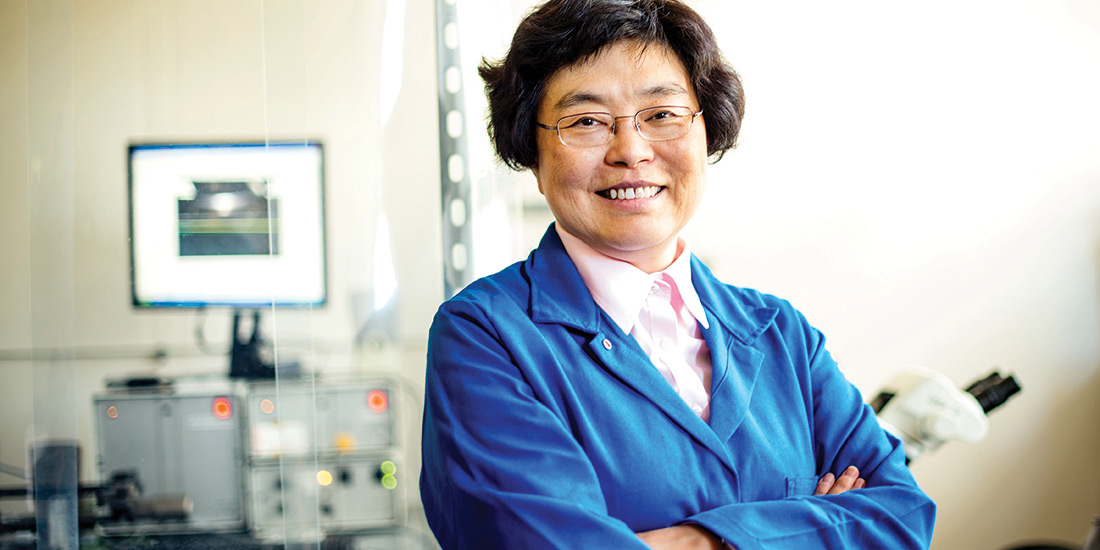
07/20/14 — UC Berkeley researchers, led by mechanical engineering professor Xiang Zhang, are developing ultra-sensitive bomb detectors using tiny laser sensors that could detect incredibly minute concentrations of explosives.
Nanoneedles

Nanolasers on silicon to provide faster data transmission

07/14/14 LiveScience — New technology in development at Berkeley Engineering promises to ensure that fiber optic networks will be able to keep pace with consumer demand for speed and seamless data flow. The work, led by EECS professor Connie Chang-Hasnain, involves growing lasers (called nanoneedles) on silicon , the base layer of choice for electronic devices.
Tactile display of a jellyfish

Blind lead the way in brave new world of tactile technology

07/01/14 — Imagine feeling a slimy jellyfish, a prickly cactus or map directions on your iPad display. Virtual textured touchscreens are where tactile technology is headed. New research has found that people are faster at navigating tactile technology when using both hands and several fingers. Moreover, blind people in the study outmaneuvered their sighted counterparts.
Genetic model

The games genes play: Algorithm helps explain sex in evolution

06/16/14 — What do you get when you mix theorists in computer science with evolutionary biologists? You get an algorithm to explain sex, say researchers at UC Berkeley's Simons Institute for the Theory of Computing.
Main robot and small scout robot

Big to tiny robots on risky ground: You go first

06/13/14 Phys.org — Researchers at Berkeley Engineering's Biomimetic Millisystems Lab and ETH Zurich have suggested an approach for protecting expensive components in big robots when on difficult terrain: Send in little, inexpensively made robots ahead of them as scouts.
Exoskeleton

World Cup may score points for exoskeleton development

06/10/14 University of California — When soccer's World Cup kicks off June 12, mechanical engineering professor Homayoon Kazerooni and his research assistants won't be watching the players. They'll be staring at the paraplegic teenager in a brain-controlled robotic suit kicking a soccer ball.
  • « Go to Previous Page
  • Go to page 1
  • Interim pages omitted …
  • Go to page 26
  • Go to page 27
  • Go to page 28
  • Go to page 29
  • Go to page 30
  • Interim pages omitted …
  • Go to page 34
  • Go to Next Page »
  • Contact
  • Give
  • Privacy
  • UC Berkeley
  • Accessibility
  • Nondiscrimination
  • instagram
  • X logo
  • linkedin
  • facebook
  • youtube
  • bluesky
© 2026 UC Regents