• Skip to main content
  • Skip to primary navigation
  • Departments
    • Bioengineering
    • Civil and Environmental Engineering
    • Electrical Engineering and Computer Sciences
    • Industrial Engineering and Operations Research
    • Materials Science and Engineering
    • Mechanical Engineering
    • Nuclear Engineering
    • Aerospace program
    • Engineering Science program
  • News
    • Berkeley Engineer magazine
    • Social media
    • News videos
    • News digest (email)
    • Brand & Press kit
  • Events
    • Cal Day
    • Commencement
    • Events calendar
    • Homecoming
    • Kuh Lecture Series
    • Minner Lecture
    • Space reservations
    • View from the Top
  • College directory
  • For staff & faculty
Berkeley Engineering

Berkeley Engineering

Educating leaders. Creating knowledge. Serving society.

  • About
    • Facts & figures
    • Rankings
    • Mission & values
    • Equity & inclusion
    • Voices of Berkeley Engineering
    • Leadership team
    • Milestones
    • Buildings & facilities
    • Maps
  • Admissions
    • Undergraduate admissions
    • Graduate admissions
    • New students
    • Visit
    • Maps
    • Admissions events
    • K-12 outreach
  • Academics
    • Undergraduate programs
    • Majors & minors
    • Undergraduate Guide
    • Graduate programs
    • Graduate Guide
    • Innovation & entrepreneurship
    • Kresge Engineering Library
    • International programs
    • Executive education
  • Students
    • New students
    • Advising & counseling
    • ESS programs
    • CAEE academic support
    • Grad student services
    • Student life
    • Wellness & inclusion
    • Undergraduate Guide
    • > Degree requirements
    • > Policies & procedures
    • Forms & petitions
    • Resources
  • Research & faculty
    • Centers & institutes
    • Undergrad research
    • Faculty
    • Sustainability and resiliency
  • Connect
    • Alumni
    • Industry
    • Give
    • Stay in touch
Home > News

Research

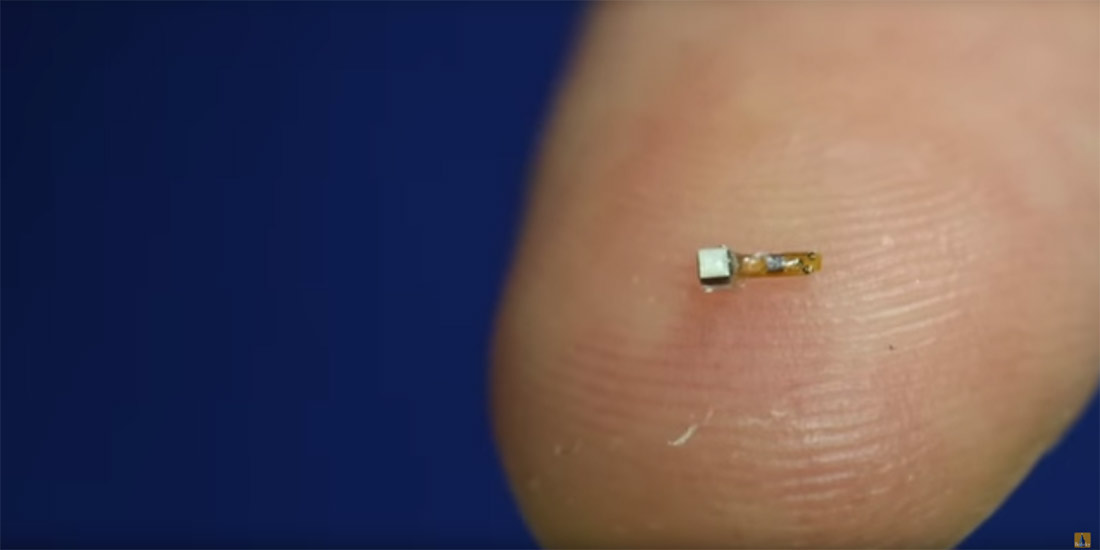
Tiny (3mm) sensor on a fingertip

Sprinkling of neural dust opens door to electroceuticals

08/04/16 — Tiny, implantable wireless sensors have been developed by a team led by EECS professors Michel Maharbiz and Jose Carmena. The dust-sized prototypes could stimulate and monitor internal nerves, muscles and organs, as well as introduce the possibility of "electroceuticals" to be used in a wide variety of treatments.
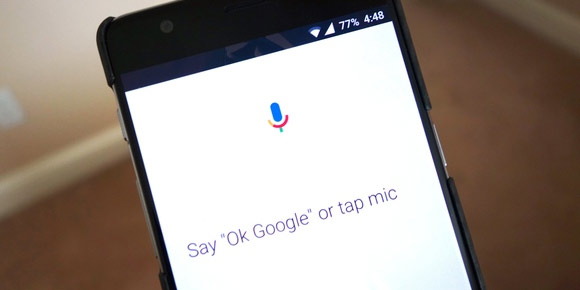
Voice commanad prompt on an Android phone

How secret voice commands in YouTube could hijack your phone

07/18/16 PCWorld — EECS Ph.D. student Nick Carlini, professor David Wagner and a team of Georgetown University researchers have revealed how secret commands could use voice-control tools like Siri and Google Now to take over your smartphone.
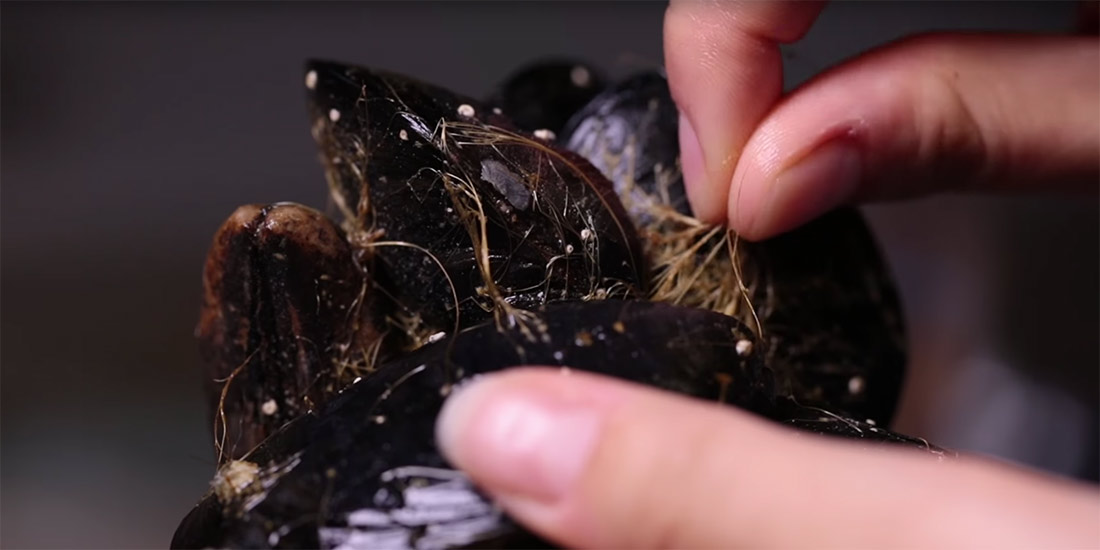
Byssal threads on a mussel

Fetal surgery stands to advance from new glues inspired by mussels

06/30/16 — Using lessons learned from a lowly mollusk, bioengineer Phillip Messersmith is making better glues that can be used for fetal surgery and other medical procedures.
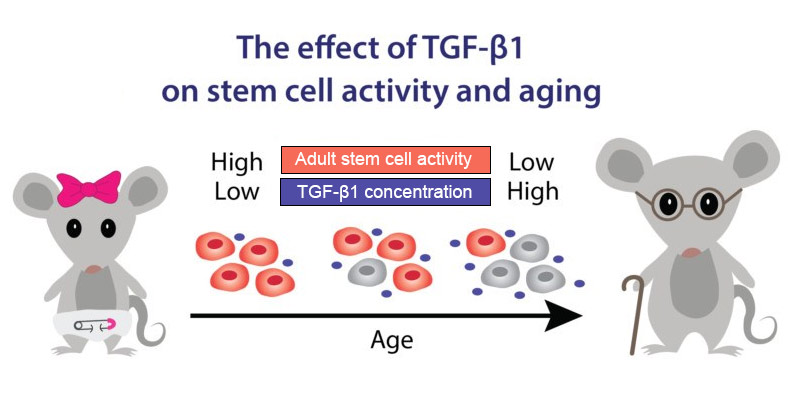
Diagram of the effect of transforming growth factor-beta 1 on stem cell activity and aging

The bloody battle against aging

06/29/16 Berkeley Science Review — By examining the chemical makeup of young blood, bioengineers Irina Conboy and David Schaffer have discovered a drug that could turn back the age clock.
Marcus Lehmann presents the Wave Carpet at Berkeley Lab

Wave energy’s make-or-break moment

06/21/16 University of California — The CalWave team, led by researchers from Berkeley Engineering and Berkeley Lab, is working to take their unique “wave carpet” technology out of the test tank and into the open ocean, in hopes of winning a $2.5 million Department of Energy competition.
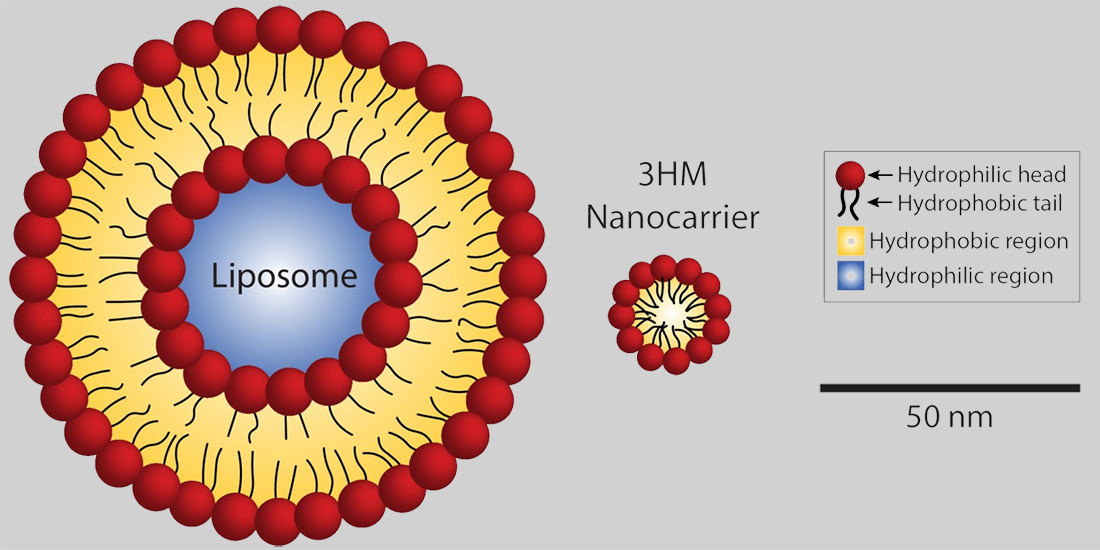
Size comparison of liposomes and 3HM nanocarriers

Finding chemo

06/17/16 Berkeley Science Review — New cancer treatments come in tiny packages, like the 3HM nanocarriers being developed by materials science professor Ting Xu and her collaborators to protect drugs during their journey through the bloodstream to brain tumors.
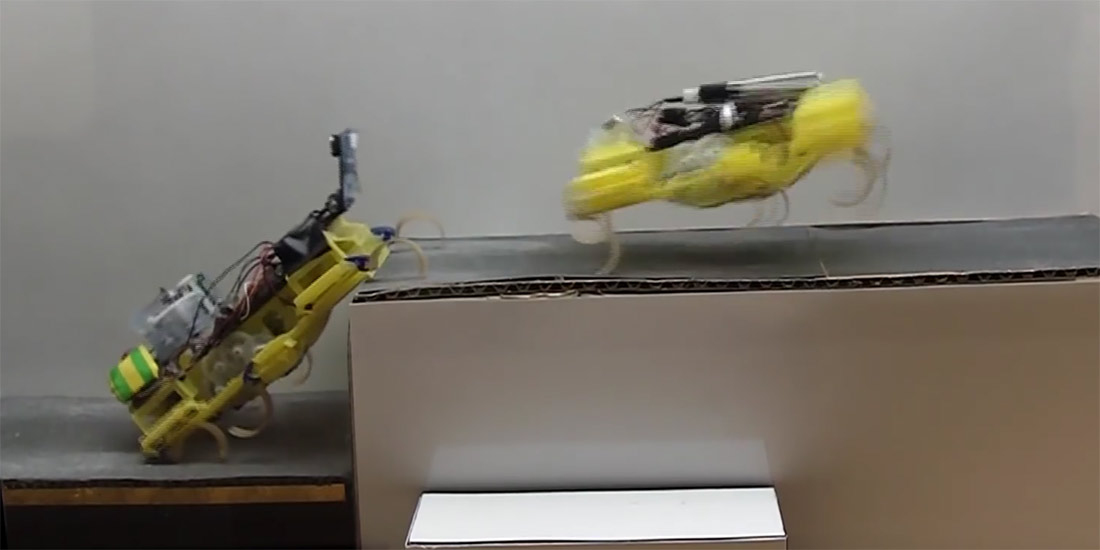
Two two VelociRoACH robots work together to climb a step

Roach-like robots run, climb and communicate with people

06/13/16 National Science Foundation — While the ability of insects to go just about anywhere can be disturbing at times, electrical engineer Ronald Fearing sees their talent as inspiration for a special breed of tiny robots that can travel rough terrain, follow instructions, and work together to save lives in a disaster.
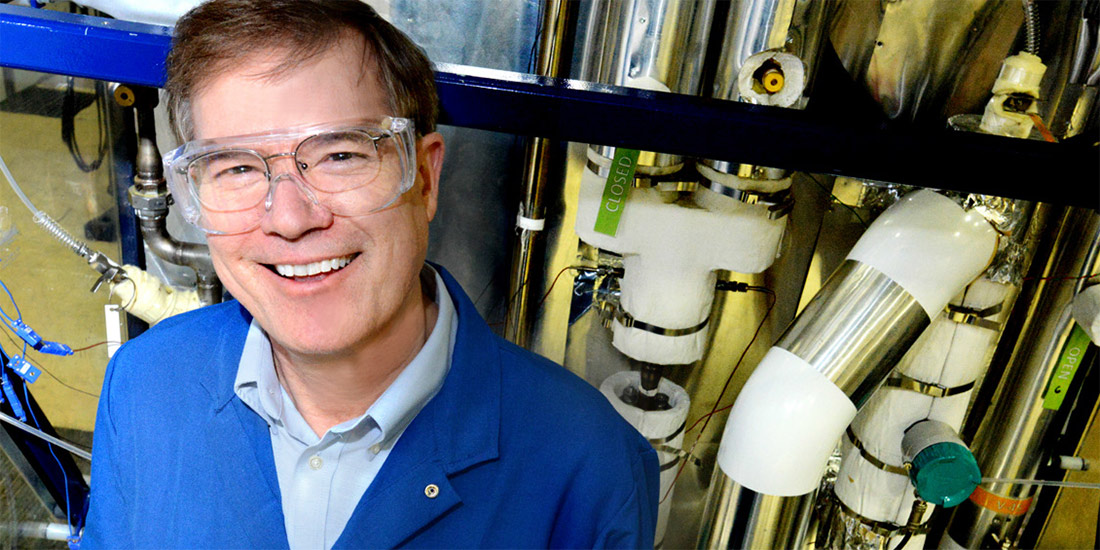
Per Peterson amid cooling pipes

An energy strategy that can take the heat

06/08/16 Berkeley Research — Working with Chinese colleagues through the Clean Energy Research Center for Water-Energy Technologies, nuclear engineering professor Per Peterson is exploring the use of superhot molten salts to boost efficiency in both nuclear and solar energy production.
Artist

On the road to driverless cars

05/24/16 Berkeley Science Review — How Berkeley research, including foundational work by PATH plus recent advances in engineering and computer science, is fundamental to industry progress on automated transportation.
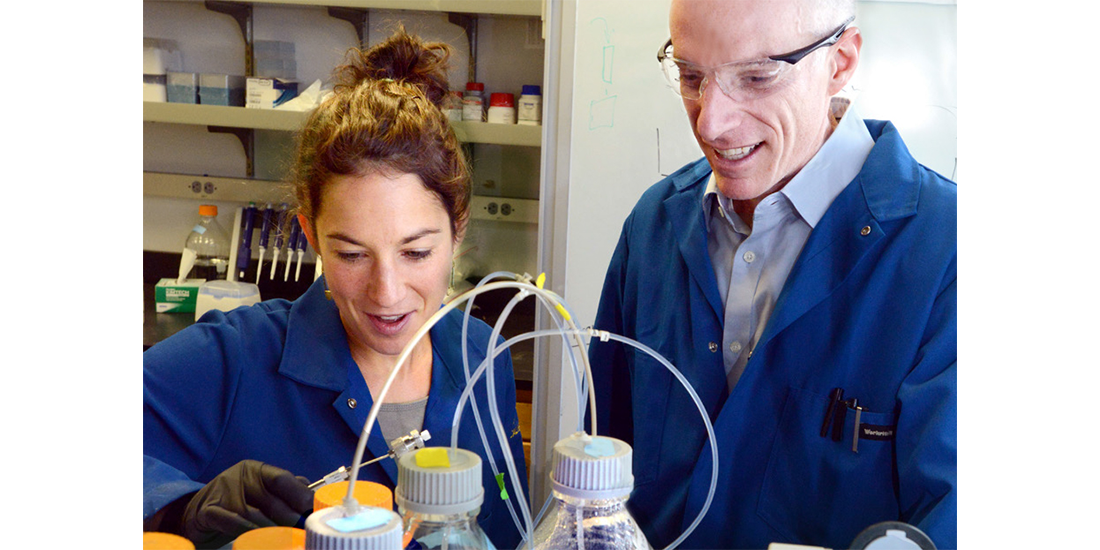
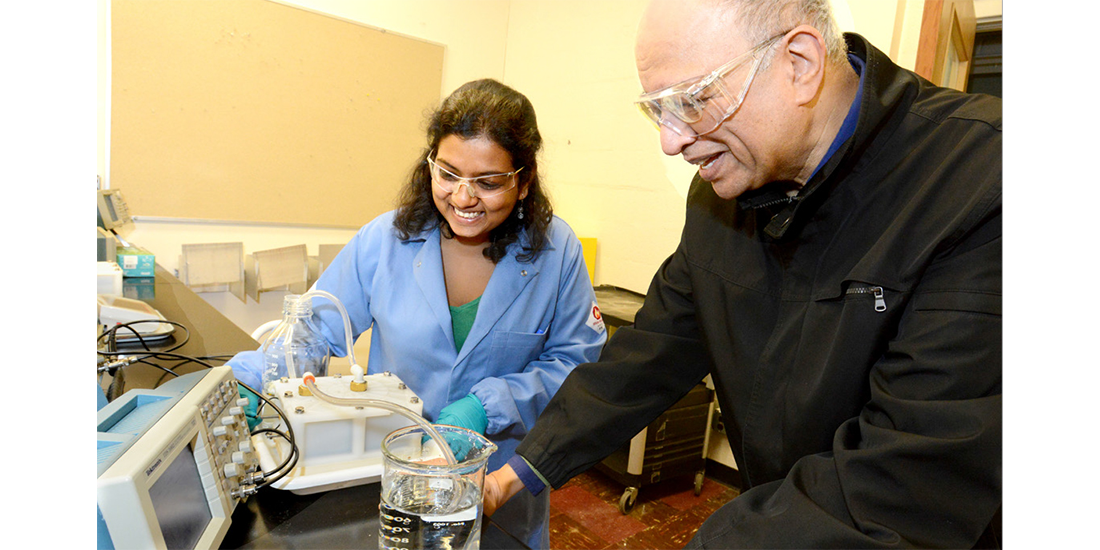
Postdoctoral researcher Florence Bonvin and David Sedlak use liquid chromatography as one of their tools to track chemical contaminants in water supplies

Hazards and opportunities in the pipeline

05/10/16 Berkeley Research — Environmental engineering professor David Sedlak, whose book Water 4.0 calls for a new revolution in urban water systems, is studying the fate of chemical contaminants in wastewater, seeking better ways to treat and clean the water we depend on.
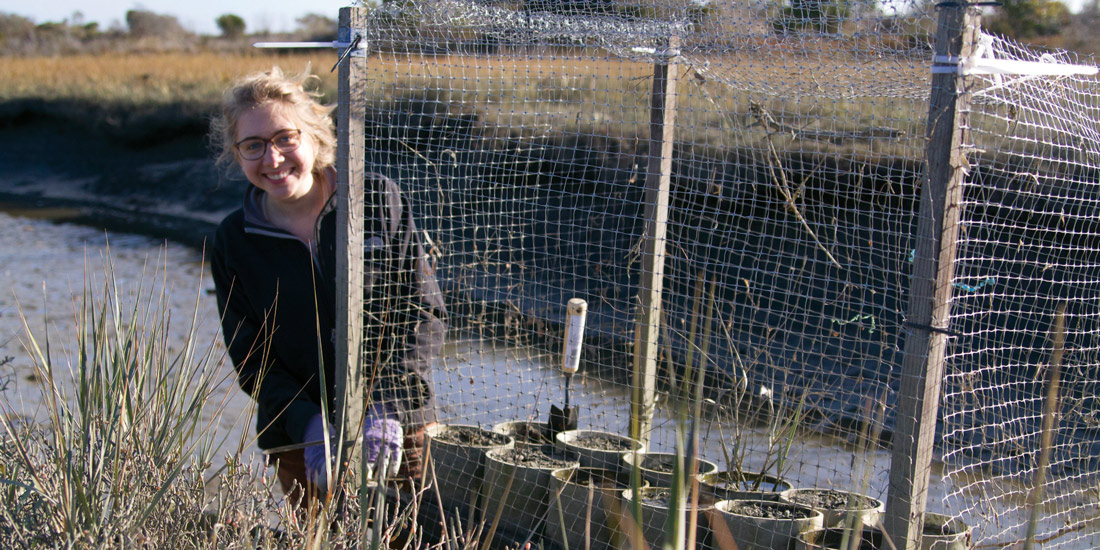
Madeline Foster-Martinez at the marsh organ she built at Richmond Field Station

Restoring tidal marshlands

05/01/16 — Are biosolids the answer to making tidal wetlands less vulnerable to storm surges similar to that of Hurricane Katrina? Doctoral student and Louisiana native Madeline Foster-Martinez is working to find out.
Jasjeet Sekhon

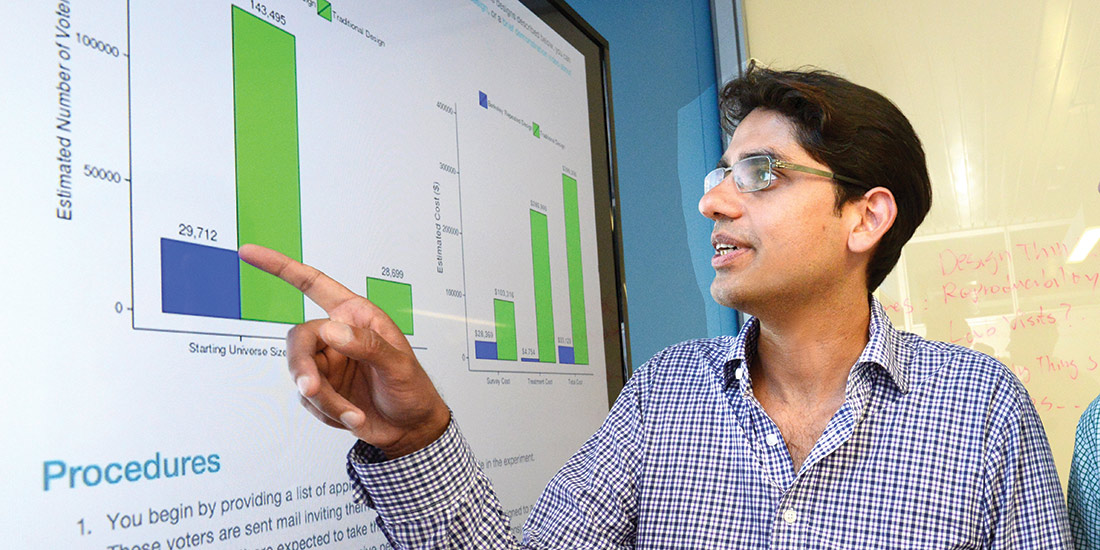
Election data Q+A

05/01/16 — Read a Q+A with Jasjeet Sekhon, senior fellow at the Berkeley Institute for Data Science, who uses massive data analysis to examine persuasion in elections and the effectiveness of digital advertising and personalized medicine.
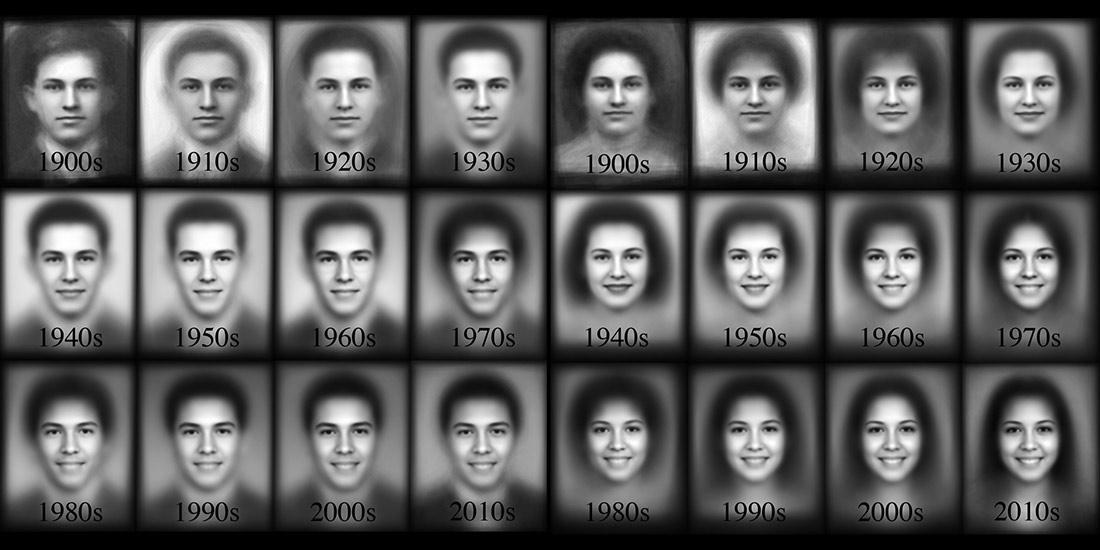
"Average" faces by decade

Say cheese

05/01/16 — Computer scientists are using machine learning techniques to analyze large collections of American high school yearbook photos by superimposing the changes in hairstyles, clothing and even smiles from over the last century.
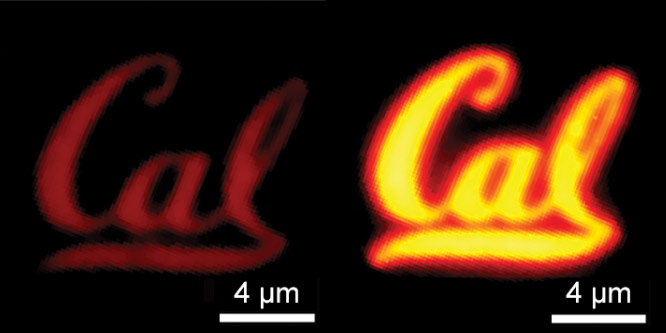
Photoluminescence of MoS2 monolayer: before (left) and after superacid treatment

Making monolayers work

05/01/16 — Berkeley engineers have found a simple way to fix the defects of monolayer semiconductors, leading to a dramatic 100-fold increase in the material's photoluminescence quantum yield.
Rikky Muller

Life with machine: Robot relationships get real

05/01/16 — Three Berkeley professors studying artificial intelligence and robotics are testing how machines and humans come into physical contact, behave independently and interact with one another. The common goal: to create machines with the intelligence to better serve and work with human beings.
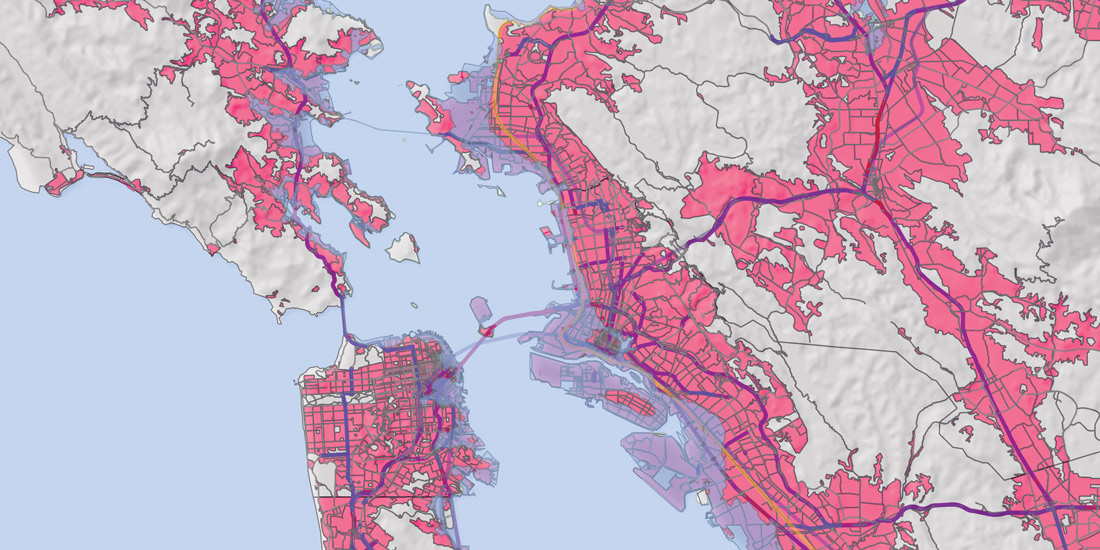
Inundation projections

Rising seas: A new look at resilient infrastructure

05/01/16 — A cross-disciplinary team of researchers is studying how sea-level rise will impact and disrupt the Bay Area using a variety of data modeling and analysis methods.
Postdoc researcher Chinmayee Subban and Ashok Gadgil are refining an affordable water treatment technology to produce fresh drinking water from brackish water

The search for smarter energy and water strategies

04/25/16 Berkeley Research — Environmental engineering professor Ashok Gadgil, principal investigator for a $64 million joint U.S.-China research center, is seeking innovative ways to meet the energy and water needs of both developing and industrial societies.
Robot by a mirror

Robots that act differently when you’re around

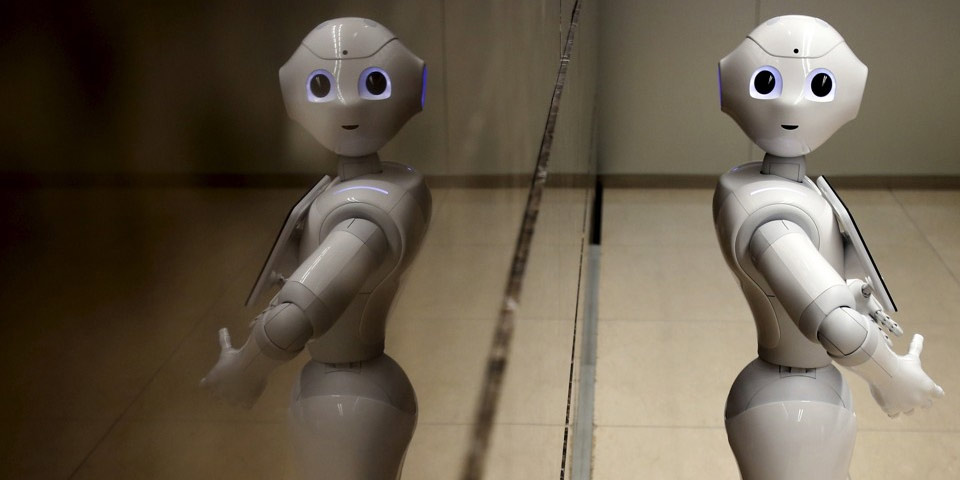
04/19/16 The Atlantic — Roboticist Anca Dragan, head of Berkeley's Interactive Autonomy and Collaborative Technologies lab, is working on algorithms that can help robots coexist with people in the real world.

Watching snow melt

04/11/16 — The collaborative Sierra Net project builds wireless sensor networks in major California watersheds to modernize the way the state's water supply is measured.
kidney

Improving the odds for kidney transplant success

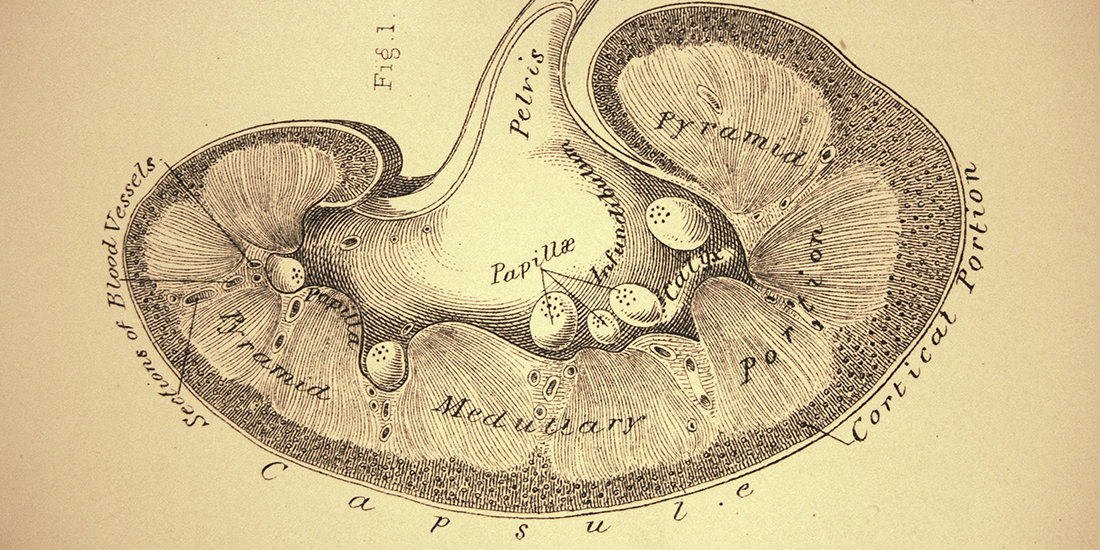
04/11/16 — A student team was recently recognized by the Clinton Global Initiative University for their low-cost kidney transplant monitor.
  • « Go to Previous Page
  • Go to page 1
  • Interim pages omitted …
  • Go to page 21
  • Go to page 22
  • Go to page 23
  • Go to page 24
  • Go to page 25
  • Interim pages omitted …
  • Go to page 36
  • Go to Next Page »
  • Contact
  • Give
  • Privacy
  • UC Berkeley
  • Accessibility
  • Nondiscrimination
  • instagram
  • X logo
  • linkedin
  • facebook
  • youtube
  • bluesky
© 2026 UC Regents