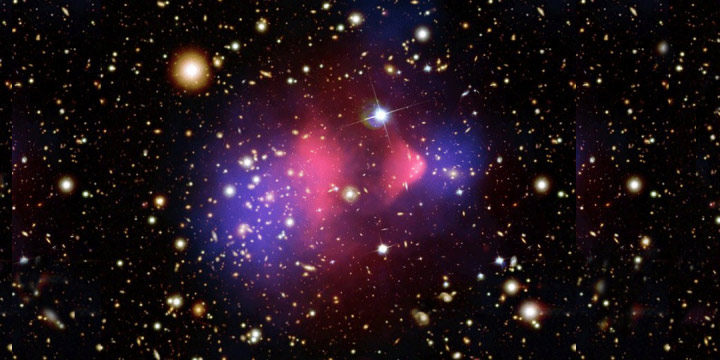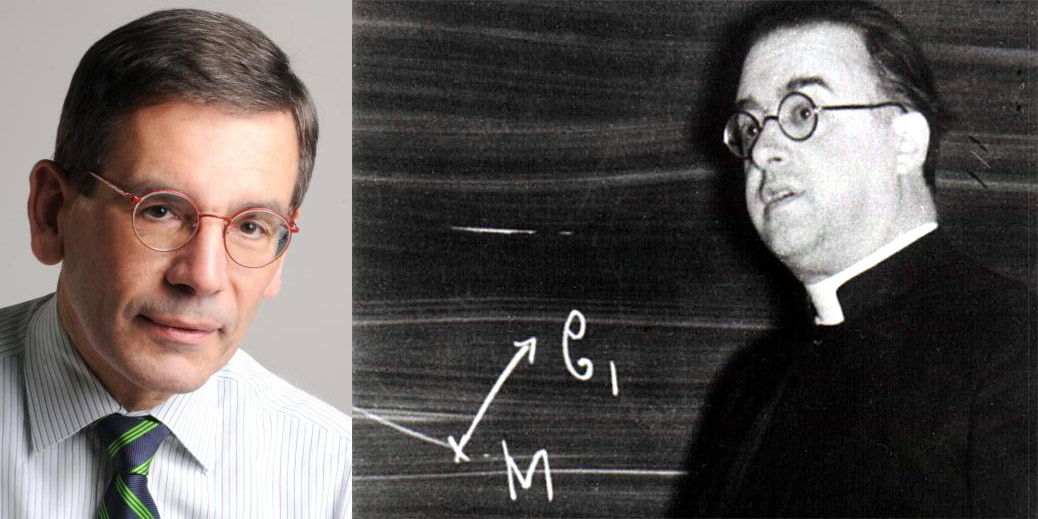
06/02/16 America — Karl van Bibber, nuclear engineering chair, cosmologist and practicing Catholic, discusses his own work and that of priest-scientist Georges Lemaître, father of the Big Bang theory.
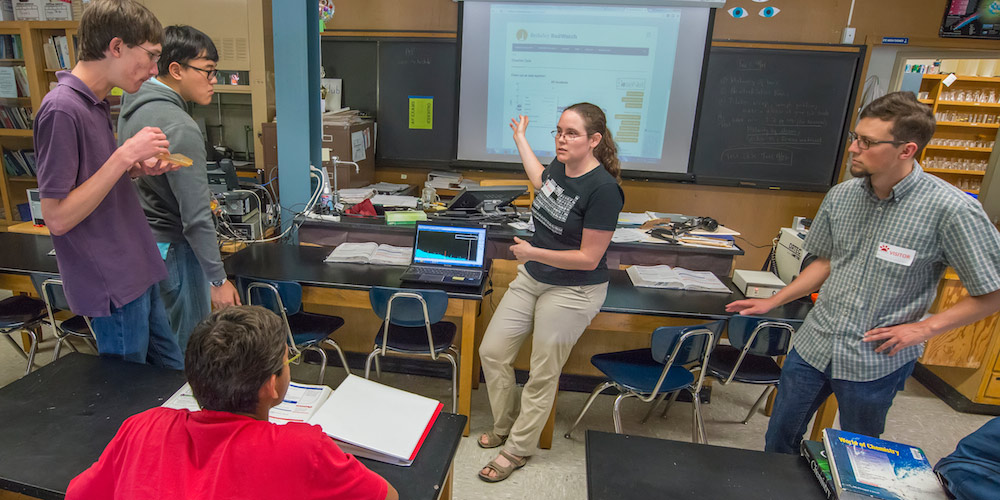
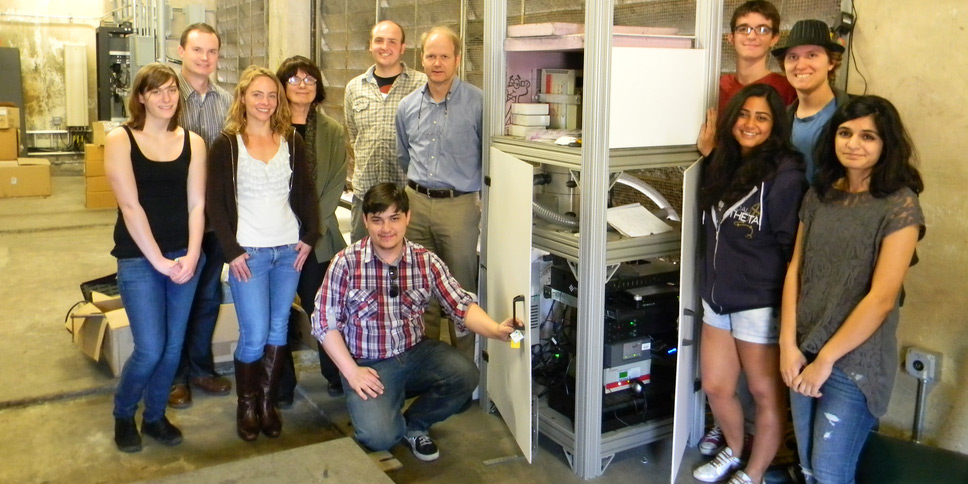
05/25/16 Berkeley Lab — Stretching from East Bay high school science clubs to a Japanese city hall, DoseNet measures natural background radiation levels as an international education and outreach project, run by UC Berkeley nuclear engineering faculty and postdocs working with Berkeley Lab researchers.
05/23/16 Washington Post — In a paper written for Science magazine, UC Berkeley professor of energy and resources, public policy and nuclear engineering Daniel Kammen explores the potential for using renewable energy technologies in urban areas to promote low-carbon, resilient and livable cities.
02/09/16 — A new $25 million grant from the National Nuclear Security Administration puts UC Berkeley at the head of a multi-institution consortium focused on research that supports nuclear science, national security and nuclear nonproliferation.
02/01/16 Daily Californian — The multi-university Nuclear Science and Security Consortium, led by UC Berkeley and headed by nuclear engineering professor Jasmina Vujic, has received another $25 million federal grant to research nuclear energy and security, aimed at attracting young scholars to the field.
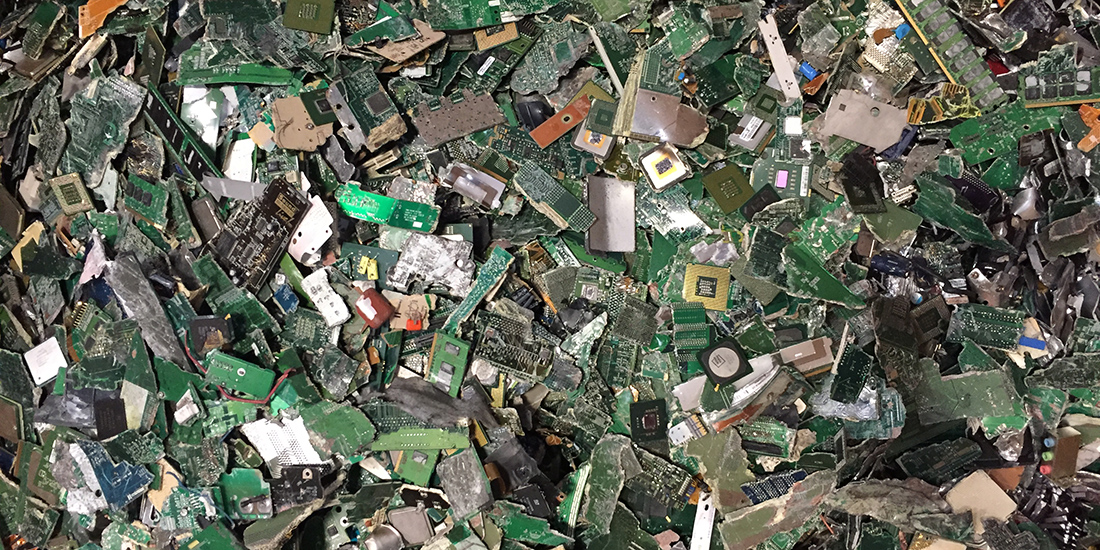
11/16/15 — Alumnus Glen Langstaff (B.S'77 ME/NE) wants to use new technology to make disposing of old technology cheaper and more efficient. Here's how:
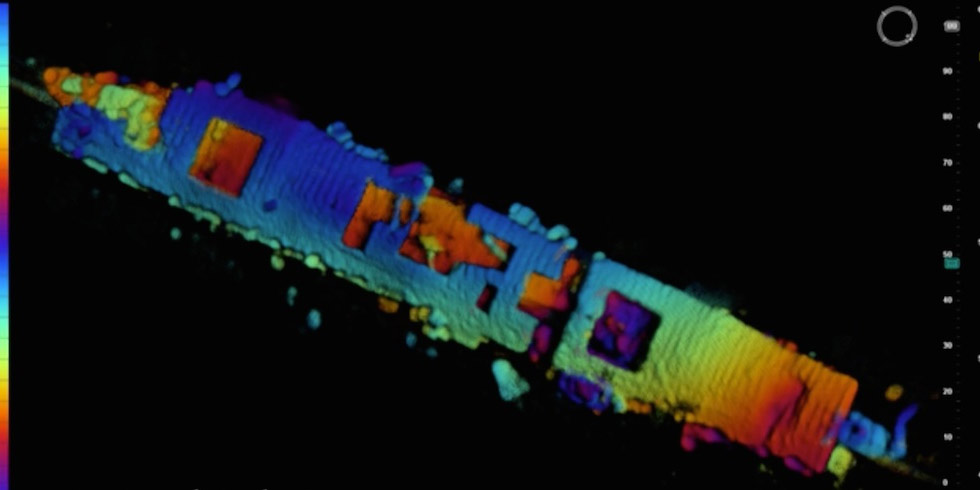
11/01/15 — Sixty-four years after the U.S.S Independence was sent to the bottom of the Pacific, the wreckage was found and tested for radiation contamination by a Berkeley team.
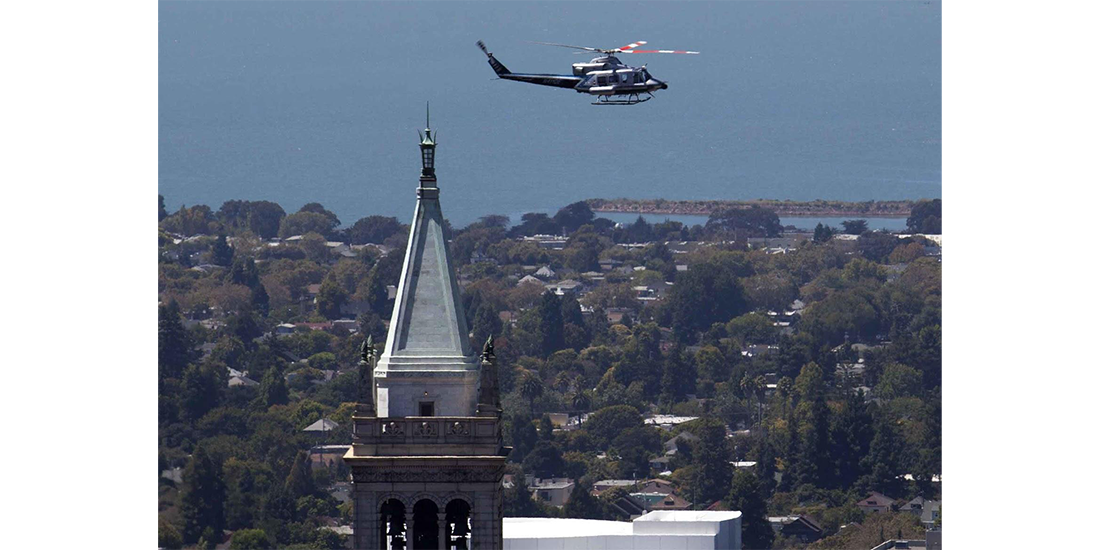
09/01/15 — Kai Vetter, nuclear engineering professor and RadWatch director, is one of the scientists behind helicopter flyovers of campus this week as researchers seek to measure naturally occurring radiation in the environment.
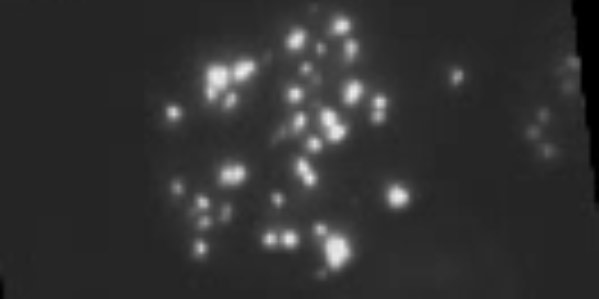
09/01/15 Berkeley Lab — Time-lapse imaging can make lengthy, complicated processes easier to grasp. Now Berkeley Lab scientists led by Sylvain Costes (Ph.D'99 NE) are using a similar approach to study how cells repair DNA damage.
07/08/15 Berkeley Lab — Kai Vetter, professor of nuclear engineering and Berkeley Lab scientist, is helping researchers determine the radiation risk of exploring an underwater aircraft carrier scuttled off the Farallon Islands after World War II.
03/18/15 — Dark-matter axion research at four U.S. institutions, led by nuclear engineering professor Karl van Bibber, is one of two new grants to UC Berkeley scientists from the Heising-Simons Foundation.
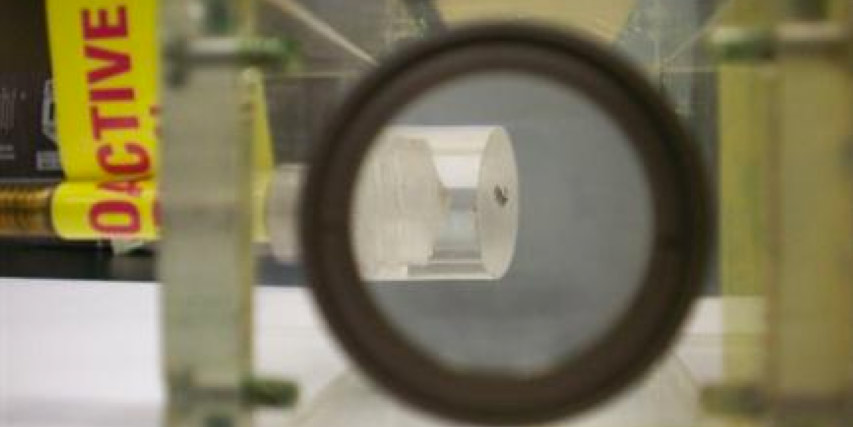
01/08/15 Physics Central — A tiny radioactive fleck - rediscovered in a bucket on its way to a disposal site - may well be the first sample of plutonium big enough to be seen by the naked eye, produced in 1942 by the element's discoverer, Glenn Seaborg.
10/30/14 — Peter Hosemann, associate professor of nuclear engineering, will be presented with a pair of awards at the Minerals, Metals and Materials Society (TMS) meeting in March, recognizing both his accomplishments to date and his exceptional promise for the future.
10/24/14 — Rachel Slaybaugh, assistant professor of nuclear engineering, will be awarded the American Nuclear Society's 2014 Young Members Excellence Award for her exemplary leadership in and contributions to the field of nuclear engineering.
06/19/14 — A team of Berkeley nuclear engineering scientists has launched a project called RadWatch to provide the public online access to a wealth of information - including near real-time readings - on environmental radiation levels. The researchers say the effort is meant to demystify radiation, an often misunderstood subject.
06/13/14 Forbes — A commentary questioning whether the EPA's new proposed emissions rule for nuclear power plants is politically motivated quotes a forum post by nuclear engineering professor Per Peterson, who wrote that "There exists no plausible public health or environmental reason to regulate [Krypton-85] emissions, since they do not and can never have any significant public health or environmental impact."
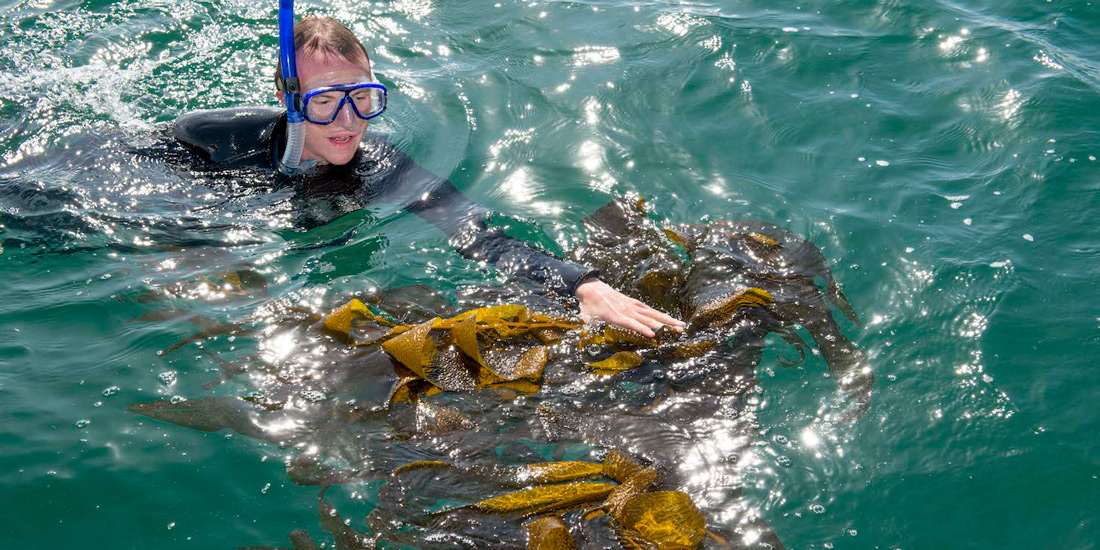
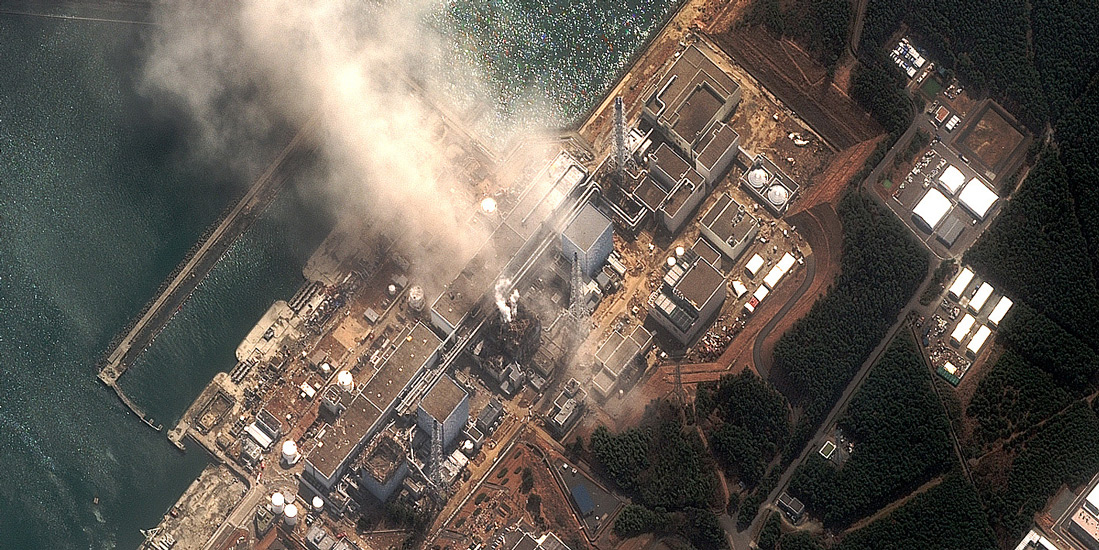
05/07/14 Berkeley Lab — Scientists working together on Kelp Watch 2014, including nuclear engineering professor Kai Vetter, announced Wednesday that the West Coast shoreline shows no signs of ocean-borne radiation from Japan's Fukushima nuclear power plant disaster, following their analysis of the first collection of kelp samples along the western U.S. coastline.
04/04/14 — Sometime soon, Sylvain Costes (Ph.D'99 NE) hopes that annual medical checkups will include a simple blood test to determine levels of DNA damage. The list of things assaultive to the body's basic building blocks is long - radiation, ultraviolet light and toxins, to name a few - and errors occur even during normal cell division. The body continually repairs this damaged DNA, but sometimes, the routine repair process can fail. DNA damage and genetic mutations can lead to serious health problems like cancer, immunological disorders, neurological disorders and premature aging.
03/24/14 Contra Costa Times — Japanese radioisotopes aren't lurking in the sand at Miramar Beach, the California Department of Public Health said in a final report debunking suggestions that the beach contained radioactive material from the 2011 Fukushima Daiichi nuclear disaster. "Nuclear radiation is something you can't smell, see and feel; it tends to scare people" said UC Berkeley nuclear engineering professor Kai Vetter, leader of the school's Rad Watch project, which has tested West Coast air, rain, milk and fish without finding any evidence that Fukushima-related contamination poses a health threat.