• Skip to main content
  • Skip to primary navigation
  • Departments
    • Bioengineering
    • Civil and Environmental Engineering
    • Electrical Engineering and Computer Sciences
    • Industrial Engineering and Operations Research
    • Materials Science and Engineering
    • Mechanical Engineering
    • Nuclear Engineering
    • Aerospace program
    • Engineering Science program
  • News
    • Berkeley Engineer magazine
    • Social media
    • News videos
    • News digest (email)
    • Brand & Press kit
  • Events
    • Cal Day
    • Commencement
    • Events calendar
    • Homecoming
    • Kuh Lecture Series
    • Minner Lecture
    • Space reservations
    • View from the Top
  • College directory
  • For staff & faculty
Berkeley Engineering

Berkeley Engineering

Educating leaders. Creating knowledge. Serving society.

  • About
    • Facts & figures
    • Rankings
    • Mission & values
    • Equity & inclusion
    • Voices of Berkeley Engineering
    • Leadership team
    • Milestones
    • Buildings & facilities
    • Maps
  • Admissions
    • Undergraduate admissions
    • Graduate admissions
    • New students
    • Visit
    • Maps
    • Admissions events
    • K-12 outreach
  • Academics
    • Undergraduate programs
    • Majors & minors
    • Undergraduate Guide
    • Graduate programs
    • Graduate Guide
    • Innovation & entrepreneurship
    • Kresge Engineering Library
    • International programs
    • Executive education
  • Students
    • New students
    • Advising & counseling
    • ESS programs
    • CAEE academic support
    • Grad student services
    • Student life
    • Wellness & inclusion
    • Undergraduate Guide
    • > Degree requirements
    • > Policies & procedures
    • Forms & petitions
    • Resources
  • Research & faculty
    • Centers & institutes
    • Undergrad research
    • Faculty
    • Sustainability and resiliency
  • Connect
    • Alumni
    • Industry
    • Give
    • Stay in touch
Home > News

Sustainability & environment

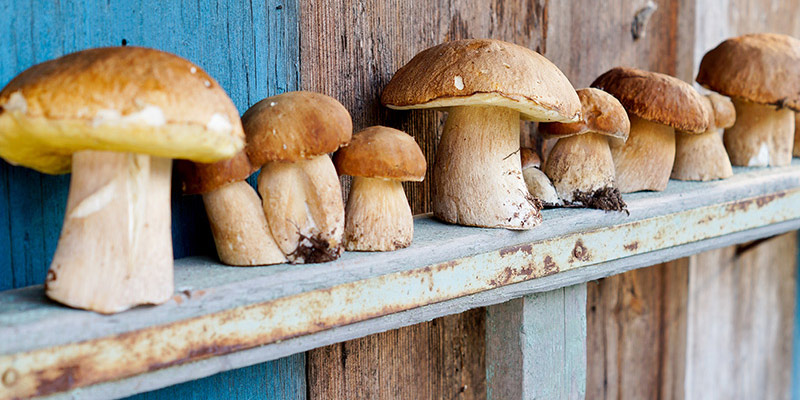
Mushrooms along a fence

The future of fungi

01/04/17 Berkeley Science Review — Doctoral researcher Sonia Travaglini (M.S.'15 ME) writes about her exploration of the many non-culinary uses of mushrooms, from engineering building blocks and faux leather to bioremediation of toxic waste.
Jacobs Hall

Jacobs Hall ranks platinum for sustainability

12/07/16 — Jacobs Hall, home of the College of Engineering's Jacobs Institute for Design Innovation, has won platinum certification from the U.S. Green Building Council's LEED program.
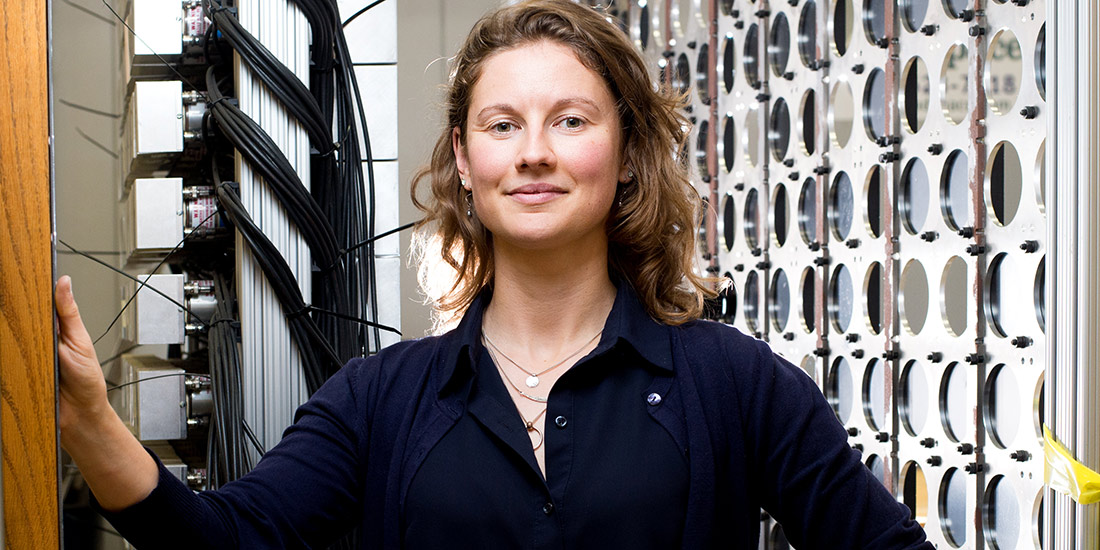
Nuclear engineering assistant professor Rachel Slaybaugh

New nukes

11/01/16 — Nuclear power production is on track for a reboot, with advanced nuclear technologies holding promise for cost-effective energy production.
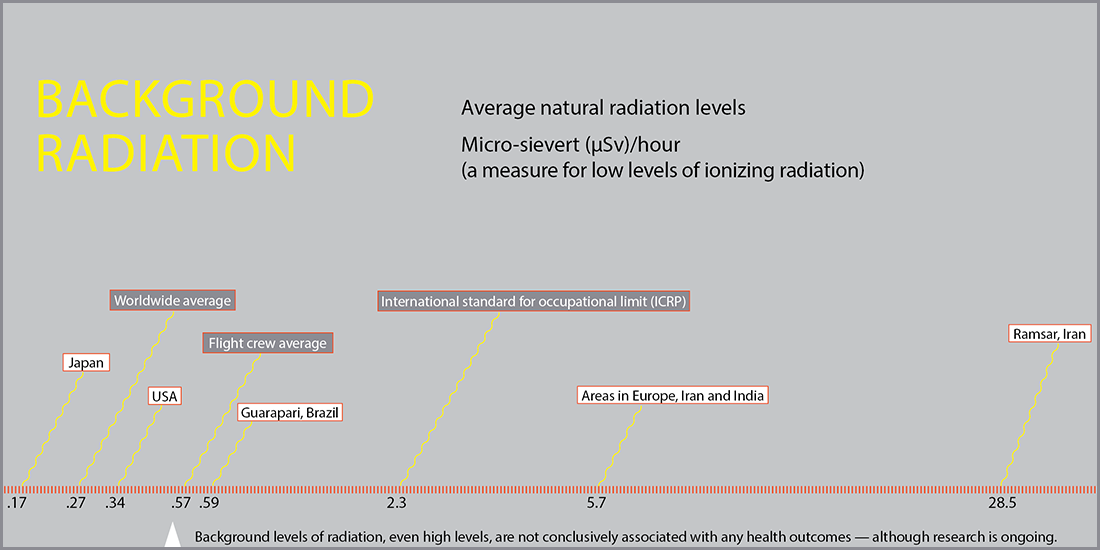
Graphic showing average natural background radiation levels around the world

Raising rad awareness

11/01/16 — Nuclear engineers with the Berkeley RadWatch program have developed DoseNet, an education and outreach tool composed of a network of wall-mounted sensors designed to measure naturally occurring background radiation.
Diagram showing components of an eco-friendly tiny house

Eco-friendly tiny house

11/01/16 — A team of Berkeley students took two years to build a 171-square-foot eco-friendly house for a statewide alternative housing competition. The tiny house integrates advances in sustainable and affordable design.
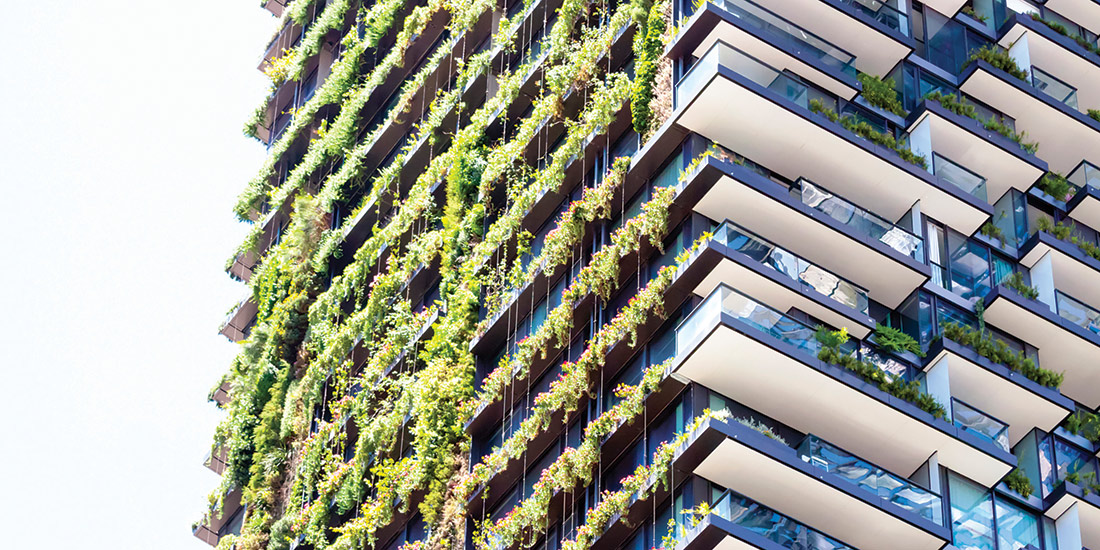
Plants growing on high-rise building

Green cities

11/01/16 — The majority of the world's population is projected to live in cities by the year 2050. Although cities are considered strains the environment, nuclear engineering professor Daniel Kammen see the potential for cities to be models of sustainability.
Concrete support pillar

Concrete thinking

11/01/16 — Concrete is the most commonly used building tool - yet one of the most environmentally damaging. Professors Claudia Ostertag, Arpad Horvath and Paulo Monteiro are finding ways to mitigate that.
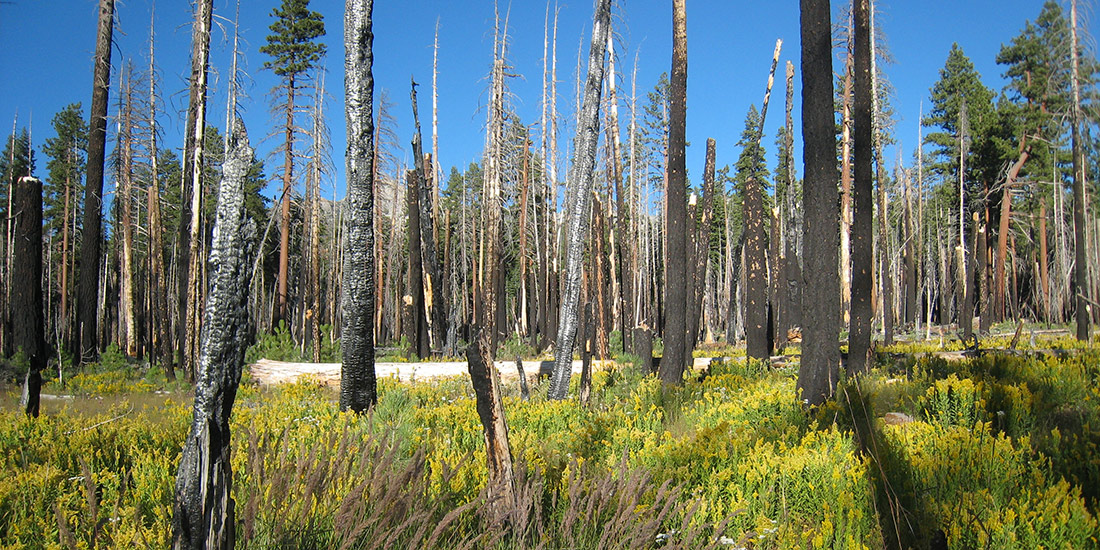
Fire-cleared area in Yosemite

Wildfire management vs. suppression benefits forest and watershed

10/24/16 — An unprecedented 40-year experiment in Yosemite National Park, led by a team of Berkeley civil and environmental engineers, strongly supports the idea that managing fire, rather than suppressing it, makes wilderness areas more resilient to fire, with the added benefit of increased water availability and resistance to drought.
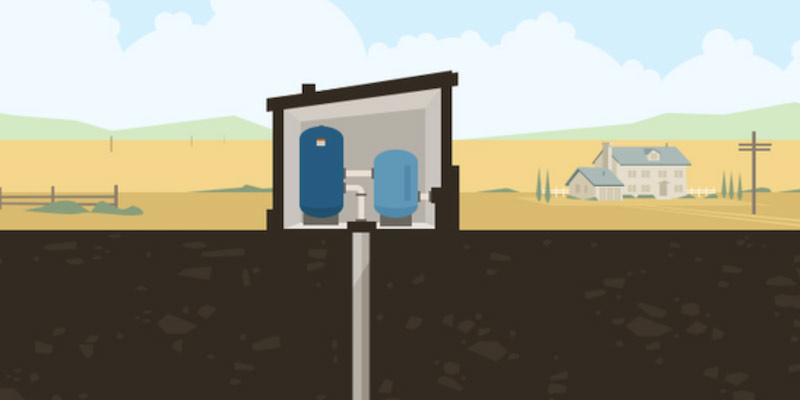
Drawing of rural well-water treatment system

Berkeley startup helps people find out what they’re drinking

10/04/16 California magazine — SimpleWater, launched by a team of Berkeley engineers and entrepreneurs, offers a water-testing and product-recommendation service called Tap Score that helps users of private wells learn about and treat potential contaminants in their drinking water.
LBNL molecular foundry

Adam Arkin on Big Data and big problems

09/02/16 — Bioengineering professor Adam Arkin digs deep on current and future efforts to to harness the genetic potential of the earth to solve problems in soil quality, water quality, plant productivity, nutrition, and human-impacted health.

Nuclear innovators on campus

08/12/16 — Answering the call for clean energy solutions, the nuclear engineering department hosted a two-week intensive Nuclear Innovation Boot Camp.
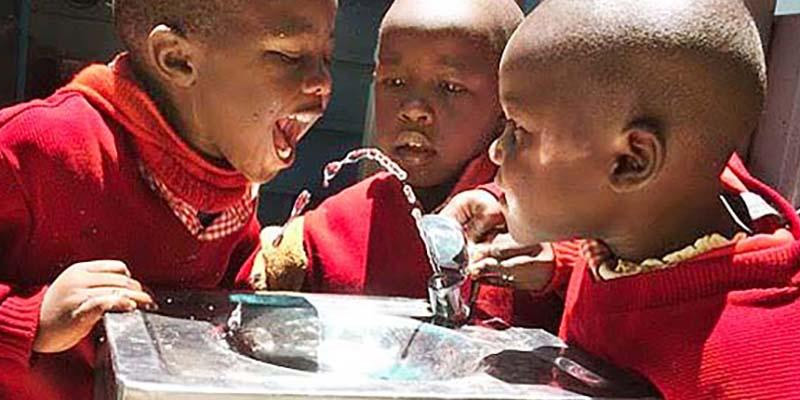
Kenyan children drinking water from a fountain

Bringing clean water to Kenya’s largest slum

08/04/16 California magazine — Paul Sagues (M.S.'80 ME), chairman of the Marin-based water systems firm Xio, and energy professor Dan Kammen were part of a high-profile Berkeley-driven team bringing a model clean water project to Kibera, Africa's largest slum.
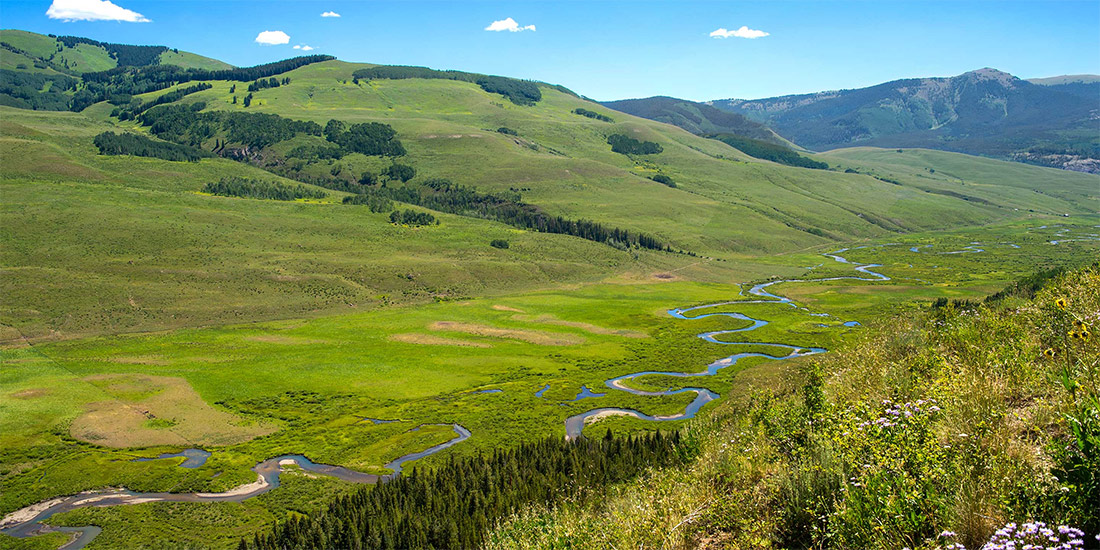
The mountainous headwaters of the East River catchment, located in the Upper Colorado River Basin

Lab to lead new watershed study

08/04/16 Berkeley Lab — Geophysicist Susan Hubbard (Ph.D'98 CEE), Berkeley Lab's associate director for earth and environmental sciences, will head up a three-year DOE initiative to quantify how mountainous watershed floods, drought, fire and early snowmelt affect the downstream delivery of water, nutrients, carbon and metals.
David Sedlak

Q&A: Lead, chloramines and drinking water safety

06/10/16 — Water 4.0 author David Sedlak answers questions about water quality issues in the news.
Nuclear engineering postdocs explain DoseNet to high school science students in Moraga, CA

Radiation 101: DoseNet delivers environmental data as an educational tool

05/25/16 Berkeley Lab — Stretching from East Bay high school science clubs to a Japanese city hall, DoseNet measures natural background radiation levels as an international education and outreach project, run by UC Berkeley nuclear engineering faculty and postdocs working with Berkeley Lab researchers.
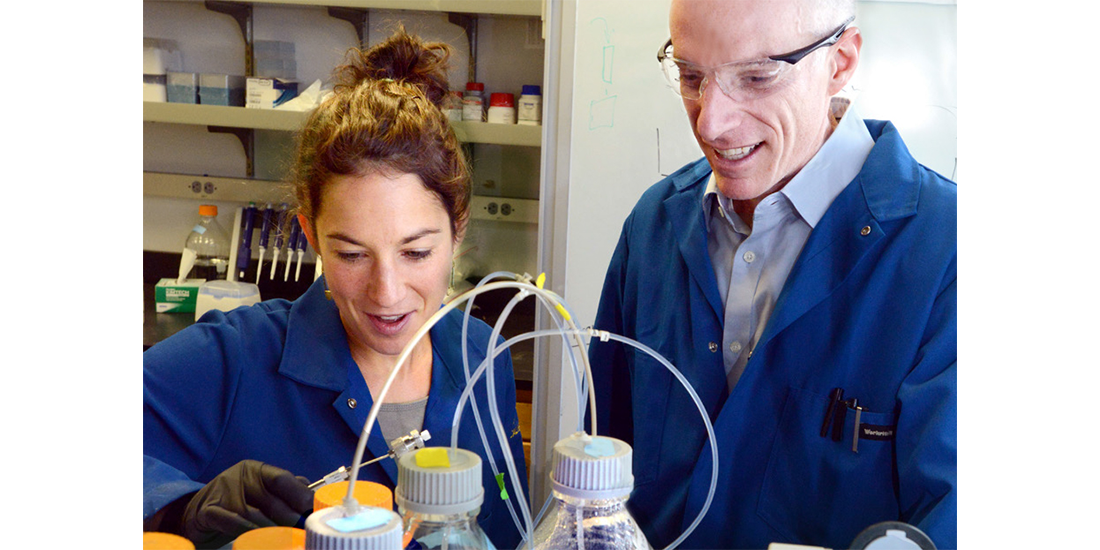
Postdoctoral researcher Florence Bonvin and David Sedlak use liquid chromatography as one of their tools to track chemical contaminants in water supplies

Hazards and opportunities in the pipeline

05/10/16 Berkeley Research — Environmental engineering professor David Sedlak, whose book Water 4.0 calls for a new revolution in urban water systems, is studying the fate of chemical contaminants in wastewater, seeking better ways to treat and clean the water we depend on.
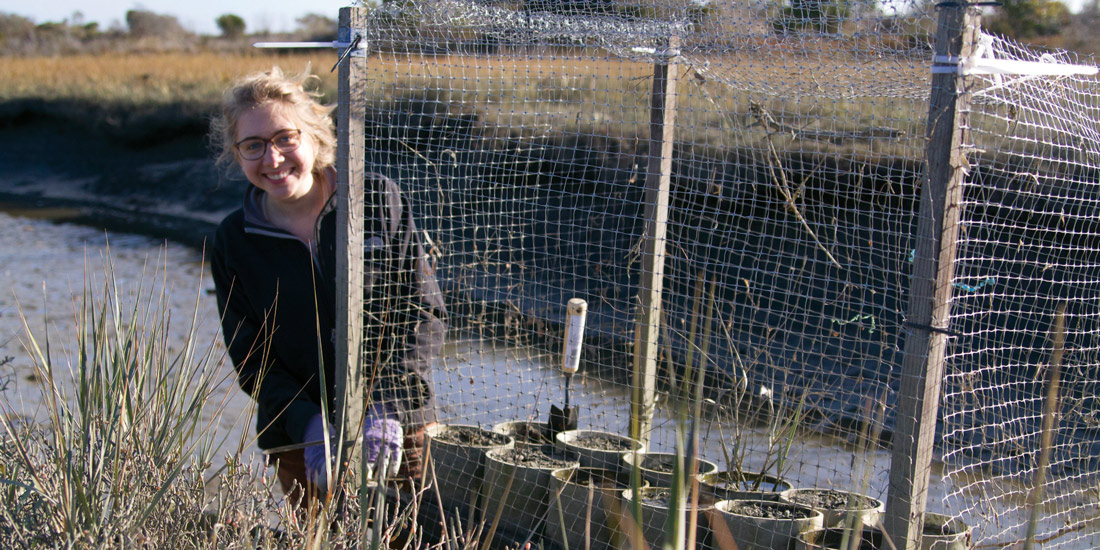
Madeline Foster-Martinez at the marsh organ she built at Richmond Field Station

Restoring tidal marshlands

05/01/16 — Are biosolids the answer to making tidal wetlands less vulnerable to storm surges similar to that of Hurricane Katrina? Doctoral student and Louisiana native Madeline Foster-Martinez is working to find out.
Inundation projections

Rising seas: A new look at resilient infrastructure

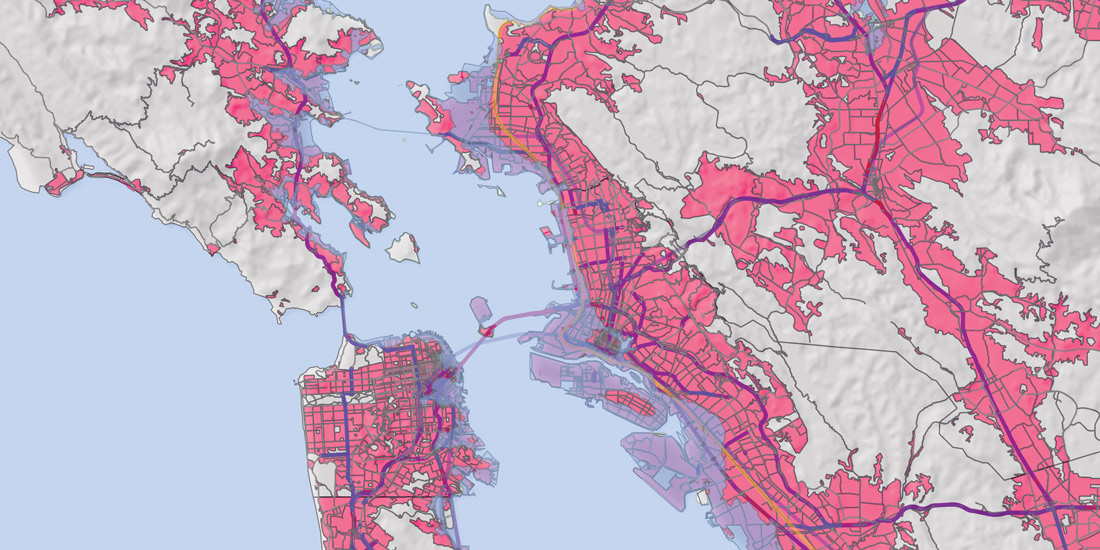
05/01/16 — A cross-disciplinary team of researchers is studying how sea-level rise will impact and disrupt the Bay Area using a variety of data modeling and analysis methods.
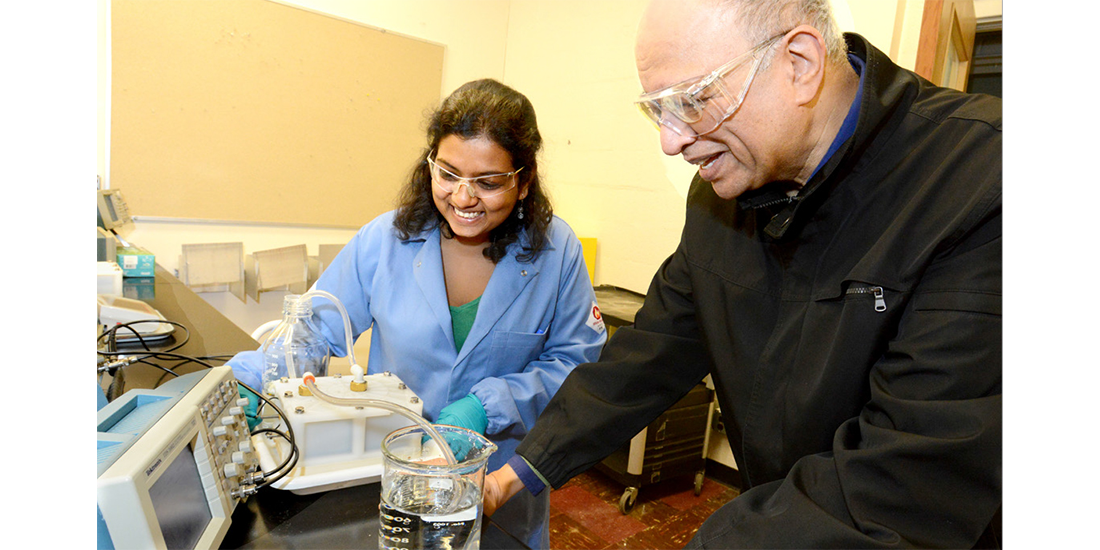
Postdoc researcher Chinmayee Subban and Ashok Gadgil are refining an affordable water treatment technology to produce fresh drinking water from brackish water

The search for smarter energy and water strategies

04/25/16 Berkeley Research — Environmental engineering professor Ashok Gadgil, principal investigator for a $64 million joint U.S.-China research center, is seeking innovative ways to meet the energy and water needs of both developing and industrial societies.
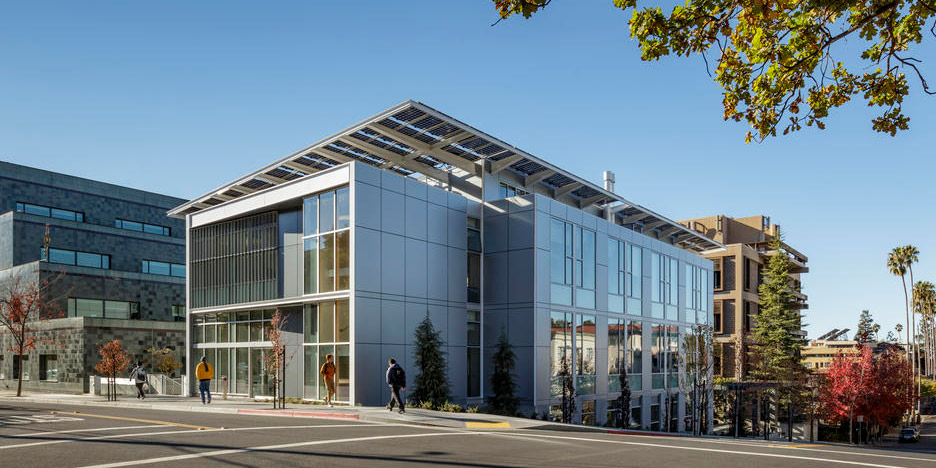
Jacobs Hall (Photo © Tim Griffith)

Architects name Jacobs Hall a top green project

04/22/16 American Institute of Architects — In an Earth Day announcement, the AIA's Committee on the Environment selected Jacobs Hall as one of ten top examples of sustainable architecture and ecological design projects that protect and enhance the environment.
  • « Go to Previous Page
  • Go to page 1
  • Interim pages omitted …
  • Go to page 7
  • Go to page 8
  • Go to page 9
  • Go to page 10
  • Go to page 11
  • Interim pages omitted …
  • Go to page 16
  • Go to Next Page »
  • Contact
  • Give
  • Privacy
  • UC Berkeley
  • Accessibility
  • Nondiscrimination
  • instagram
  • X logo
  • linkedin
  • facebook
  • youtube
  • bluesky
© 2026 UC Regents