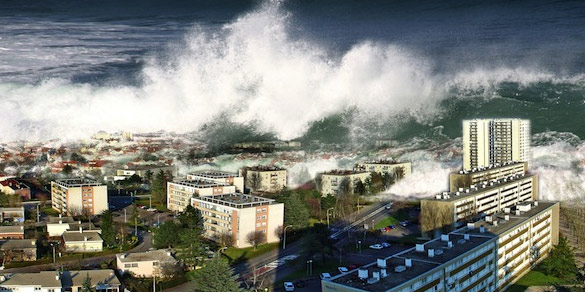
09/12/17 — Over 90 percent of wastewater generated on the planet every day is dumped into the environment without any treatment. CEE alum Ashley Muspratt is working on a solution.
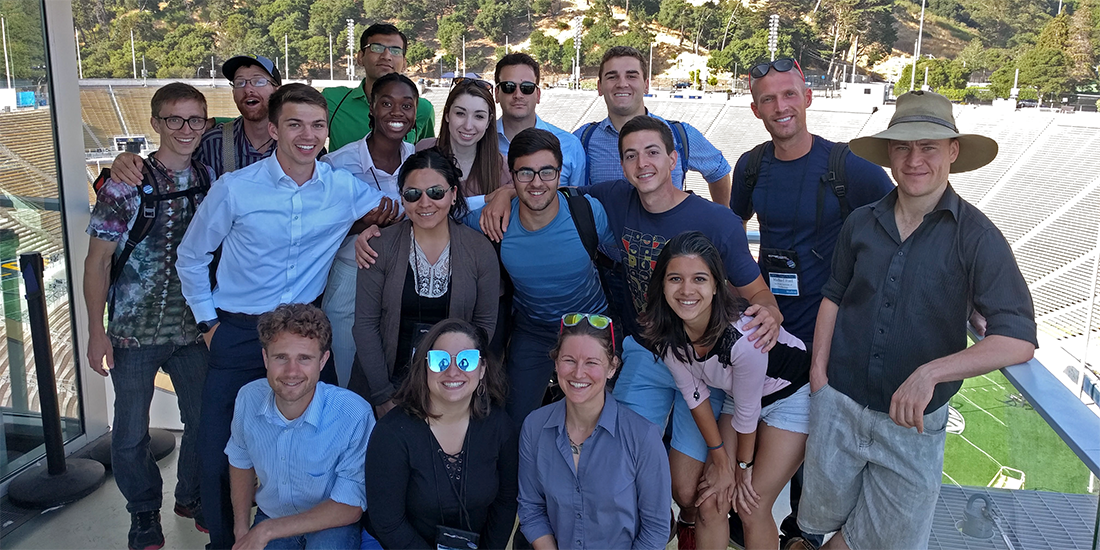
08/24/17 — Two dozen students from all over the world gathered at Berkeley for two weeks over the summer to discuss, plan and help start building a new nuclear energy sector. The students, along with professional mentors and speakers, were part of the 2017 Nuclear Innovation Boot Camp.
08/17/17 The Water Blog — In a Q&A, civil and environmental engineering professor David Sedlak, co-director of the Berkeley Water Center, discusses the World Bank's Water Scarce Cities Initiative, which aims to develop integrated and innovative water management solutions.
07/03/17 UCSF — As director of UCSF's Program on Reproductive Health and the Environment, Tracey Woodruff (B.S.'85 EECS, Ph.D.'91 BioE) believes that we need to know more about environmental toxics so we can reduce our exposure to the worst of them and protect ourselves and our children from their harmful effects.
06/23/17 — David Sedlak, professor of civil and environmental engineering, says our aging urban water infrastructure needs a major upgrade in order to keep our cities thriving. He spoke with Berkeley News about technologies being developed to recycle water, capture storm water and use water more efficiently.
06/19/17 — After teaching a climate change mitigation course for more than a decade, civil and environmental engineering professor William Nazaroff has drawn a few conclusions. One is that it's time to develop and deploy technologies that move beyond combustion.
05/19/17 Vox — The latest in a series of Climate Lab videos produced by Vox Media and the University of California features the work of nuclear engineering professor and associate dean Per Peterson.
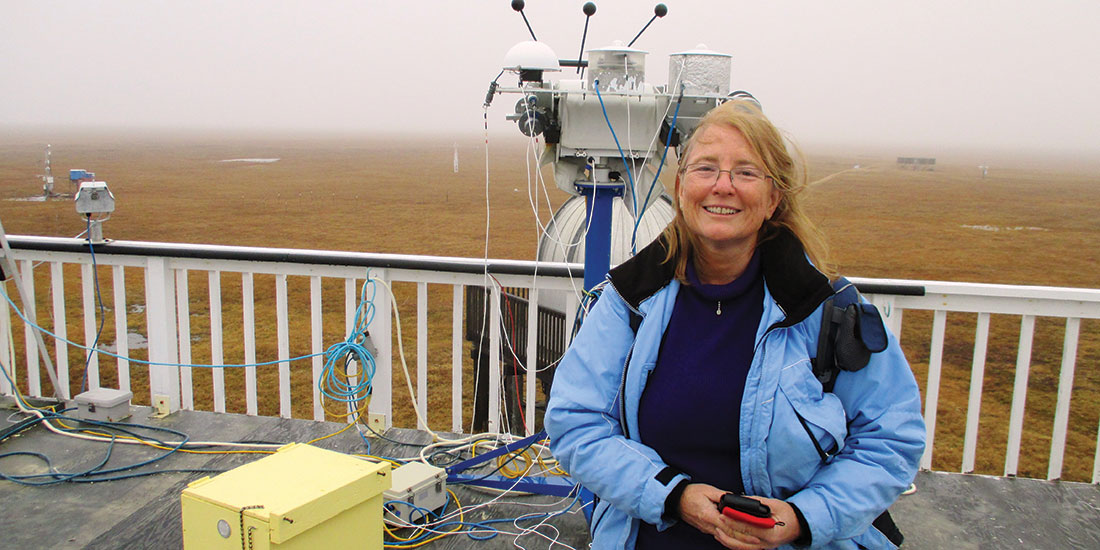
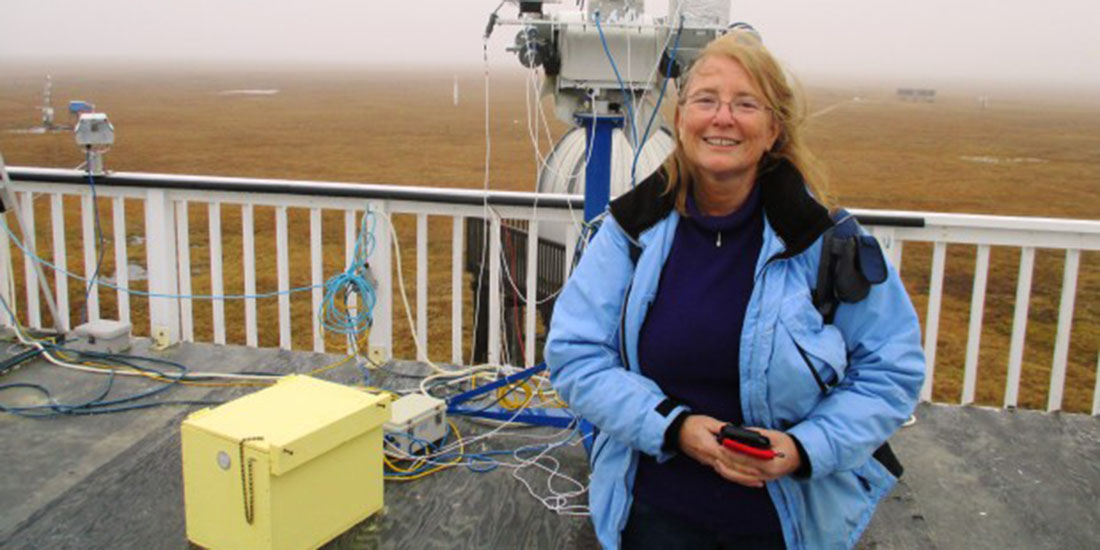
05/01/17 — Alumna Leslie Field founded Ice911, a nonprofit organization that uses salt-sized hollow glass spheres sprinkled on vulnerable ice to boost reflectivity and slow the melting process.
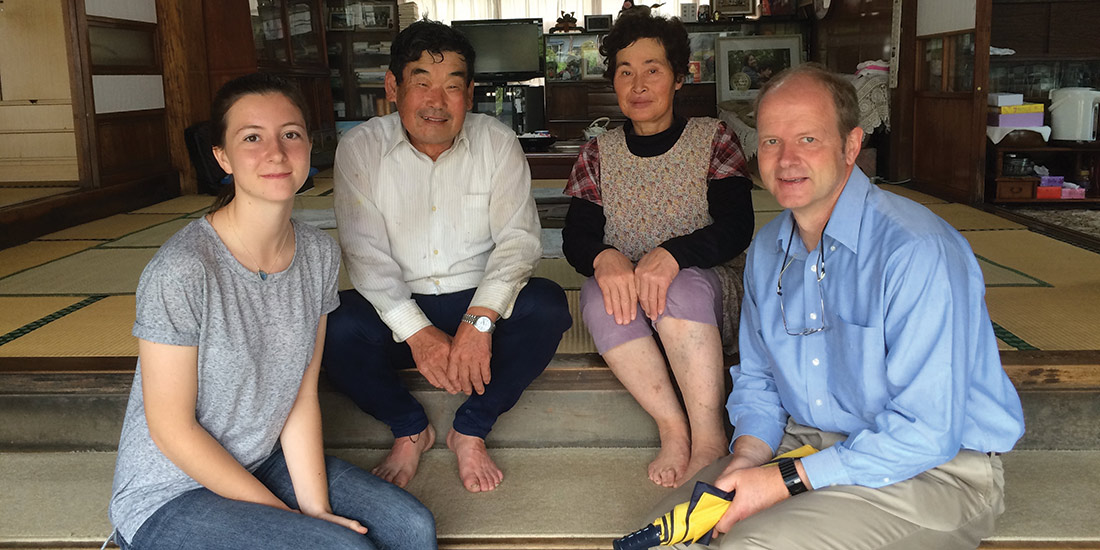
05/01/17 — Nuclear engineering professor Kai Vetter has founded an organization called the Institute for Resilient Communities, designed to help authorities communicate scientific information following disasters.
05/01/17 — At the Sutardja Center for Entrepreneurship and Technology, students are experimenting with plant-based, more eco-friendly alternatives to meat.
04/27/17 SCET — Moving on from its plant-based meat course last semester, the Sutardja Center for Entrepreneurship & Technology is now tackling the challenge of creating plant-based seafood alternatives to combat the environmental problems caused by overfishing.
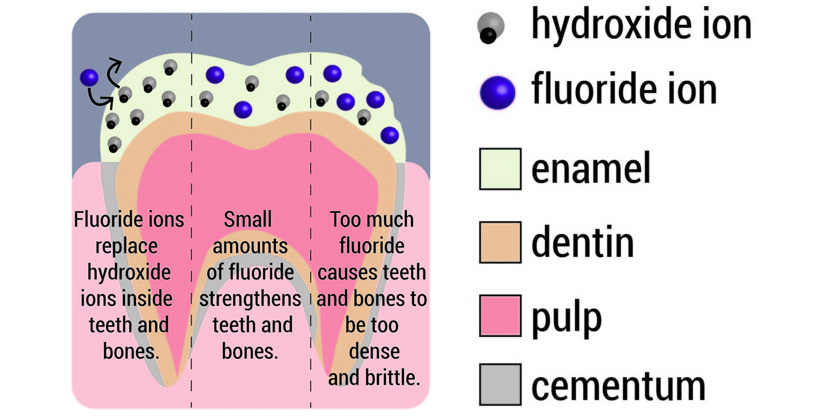
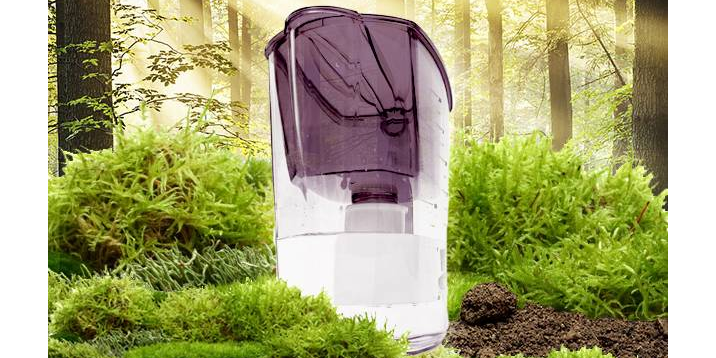
04/27/17 Berkeley Science Review — Environmental engineering Ph.D. student Emily Cook reports on the pros and cons of water fluoridation and fluoride-filtering technologies.
04/19/17 Salon — CEE professor Ashok Gadgil, co-lead for the Berkeley Lab's Water-Energy Initiative, talks about engineering new solutions to solve the water crisis using simple, cheap and abundant ingredients, like wood, sunlight, even human waste.
04/17/17 ASCE — A group led by Berkeley civil engineering students will take an innovative, zero net energy house into a Denver competition this fall, organized by the U.S. Department of Energy.
04/05/17 CITRIS — Structural engineering professor Stephen Mahin will lead a new center for computational modeling and simulation of the effects of natural hazards on the built environment, supported by a five-year, $10.9-million grant from the National Science Foundation.
02/17/17 — With more than 100 3-D printers on campus, at least 600 pounds of plastic trash is generated each year. Undergraduates Nicole Panditi, a mechanical engineering senior, and Scott Silva, a CNR junior, have a solution.
01/25/17 San Francisco Chronicle — Most UC Berkeley students will tell you that they're shooting for an A. But the 45 young men and women enrolled in the “Challenge Lab” at the Sutardja Center for Entrepreneurship & Technology are pursuing more ambitious goals: saving the world, and perhaps winning $5,000 in the process.
01/17/17 — “Post-carbon Future” series: Leslie Field (Ph.D'91 EECS), runs a California-based nonprofit that is developing new technology to slow the melting of ice in the Arctic.
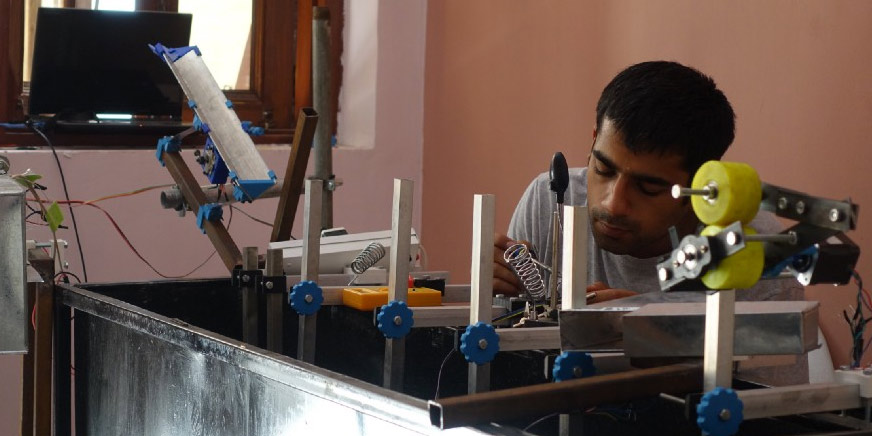
01/12/17 Medium — Reflow Filament, cofounded by Fung Institute alumnus Rahul Mehendiratta (M.Eng.'14 ME), aims to create a new model for the 3D printing industry that empowers communities and encourages innovation in developing regions worldwide.
01/04/17 New York Times — Clean tech companies are aiming for a comeback in their quest to use genetic editing to make industrial chemicals. Among them is Lygos, spun out of Berkeley bioengineering in 2011 to create malonic acid from yeast (instead of the usual cyanide) for use in fragrances and cosmetics.