11/02/18 — The Advanced Research Projects Agency-Energy (ARPA-E) has selected eighteen teams, including two with Berkeley Engineering researchers, to participate in the Grid Optimization Competition. which aims to develop new management software for the nation's electricity grid.
10/22/18 — Berkeley engineers have come up with a clever and inexpensive solution to automatically regulate the temperature of lithium-ion batteries. Their technology could expand the practical use of electric vehicles and consumer electronics in more extreme temperatures.
10/15/18 — In an episode of the Knowledge@Wharton podcast, Berkeley professor of energy Daniel Kammen and Wharton's Brian Berkey discusses a new United Nations report warning that severe impacts of global warming are likely to occur by 2040.
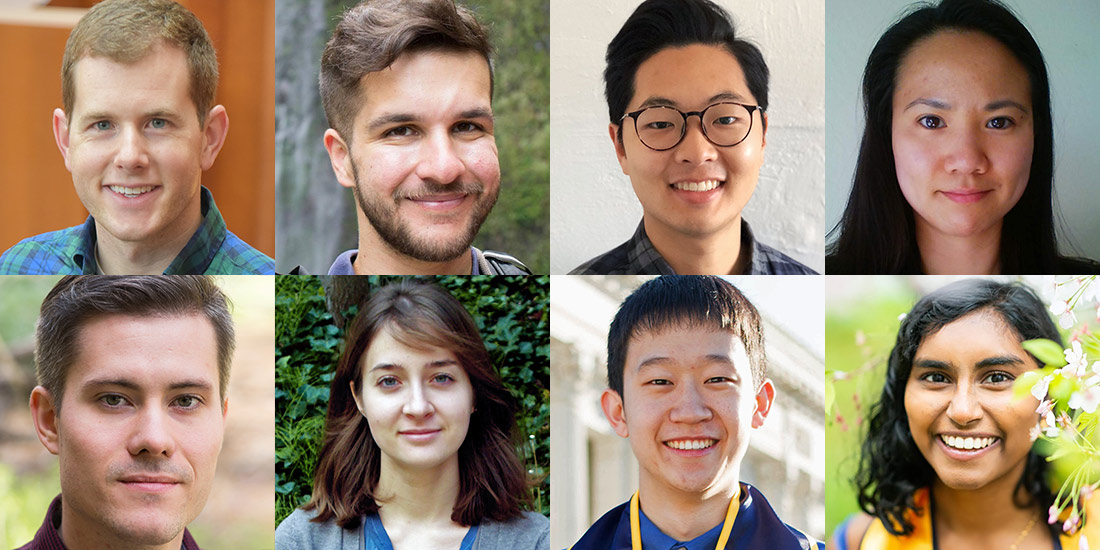
09/14/18 — Eight Berkeley engineers - representing bioengineering, computer science and energy science - have been named to the Siebel Scholars Foundation's 2019 class, recognized for their academic achievements and demonstrated leadership.
08/22/18 San Francisco Chronicle — In an op-ed column, energy researcher Dan Kammen writes about why he believes California should - and ultimately will - pass into law the “bold goal” of 100 percent clean, zero-carbon electricity by 2045.
08/06/18 — Berkeley engineers are co-leading a new DOE-funded Energy Frontier Research Center to study how extreme conditions such as radiation exposure and corrosion affect nuclear reactor materials. The new center, led by the Los Alamos National Laboratory, is called the Fundamental Understanding of Transport Under Reactor Extremes, or FUTURE.
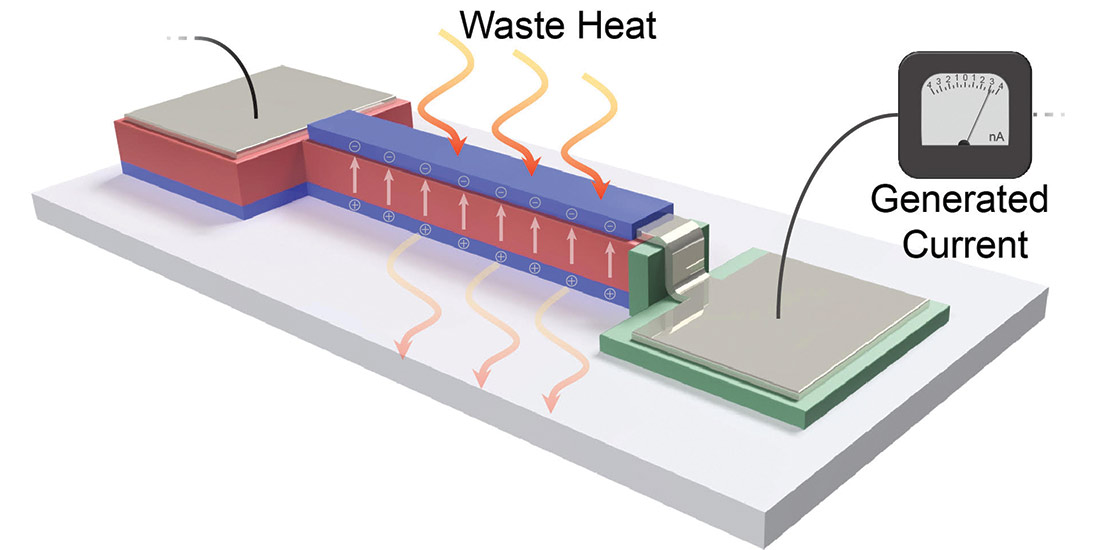
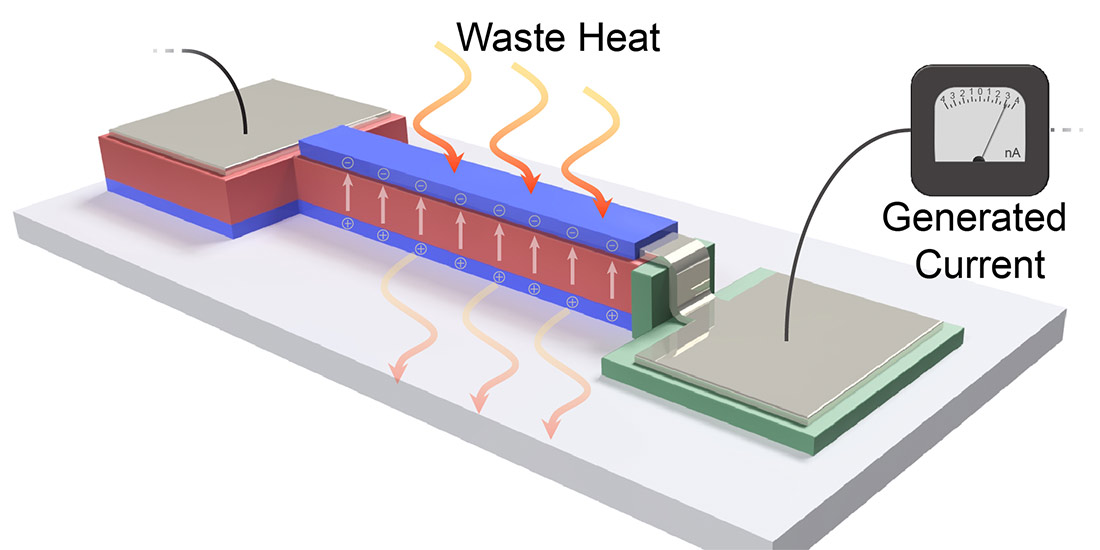
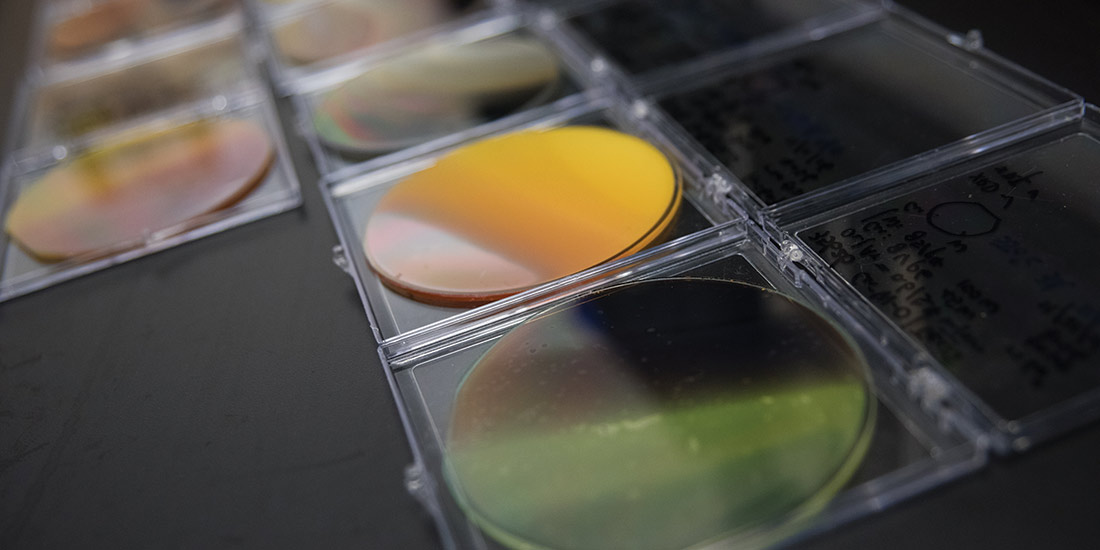
04/16/18 — Nearly 70 percent of the energy produced in the United States is wasted as heat - from exhaust pipes, high-speed electronics and other sources. Now Berkeley engineers have developed a thin-film system that can produce energy from these waste sources at unprecedented levels.
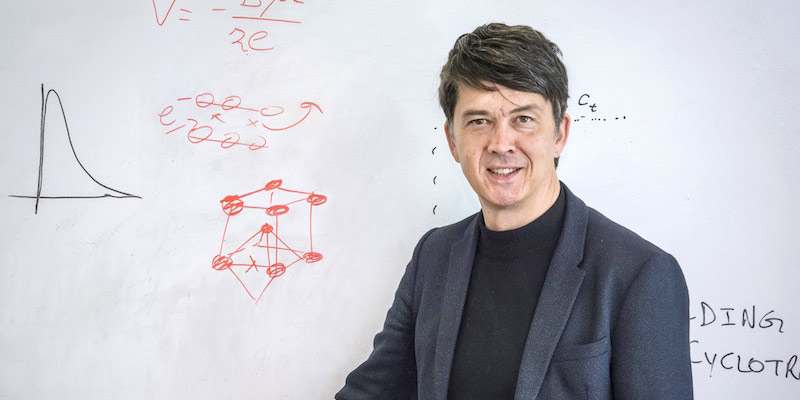
04/11/18 — A research team led by Gerbrand Ceder, professor of materials science and engineering, has devised a way to build lithium battery cathodes using materials that have greater capacity, and a far lower price, than the traditional cobalt.
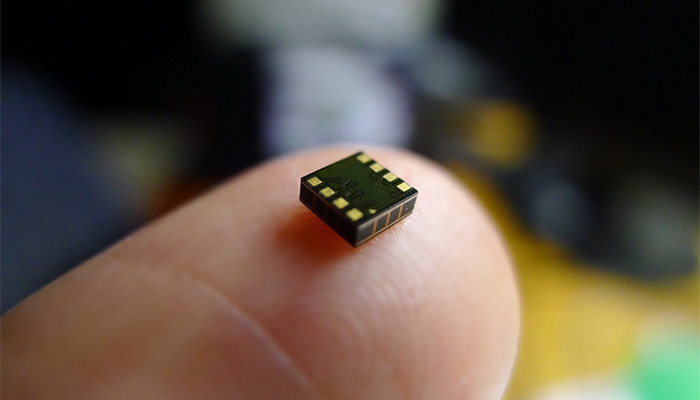
03/23/18 — Chirp Microsystems, a startup enabled with technology developed at UC Davis and UC Berkeley, has been acquired by Japanese electronics giant TDK Corporation. Based in Berkeley, Chirp Microsystems makes tiny, ultra-low power sensors that function like sonar or echolocation. The micro-electromechanical systems (MEMS) technology enables extremely precise sensing and has applications in drones, robots, vehicles, smart home products, augmented reality and virtual reality systems.
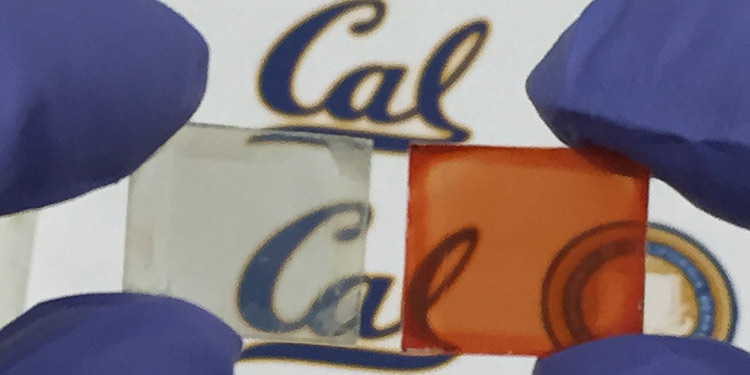
01/22/18 — Smart windows that automatically adjust their transparency in response to light conditions could potentially generate power as well, according to a new study led by Berkeley researcher Peidong Yang, who holds a joint appointment in materials science and engineering. The new study shows that perovskite can switch back and forth between transparency and non-transparency while retaining its electronic properties.
01/16/18 — Ravi Prasher, adjunct professor of mechanical engineering, and his Berkeley colleagues are searching for new battery materials to help store renewable energy so we can use it when we need it.
01/12/18 LA Times — Solid-state automotive batteries, like those being designed for Fisker Inc.'s all-electric EMotion supercar, will eventually exist, says materials science and engineering professor Gerbrand Ceder, but “it's not going to happen as fast as people think.”
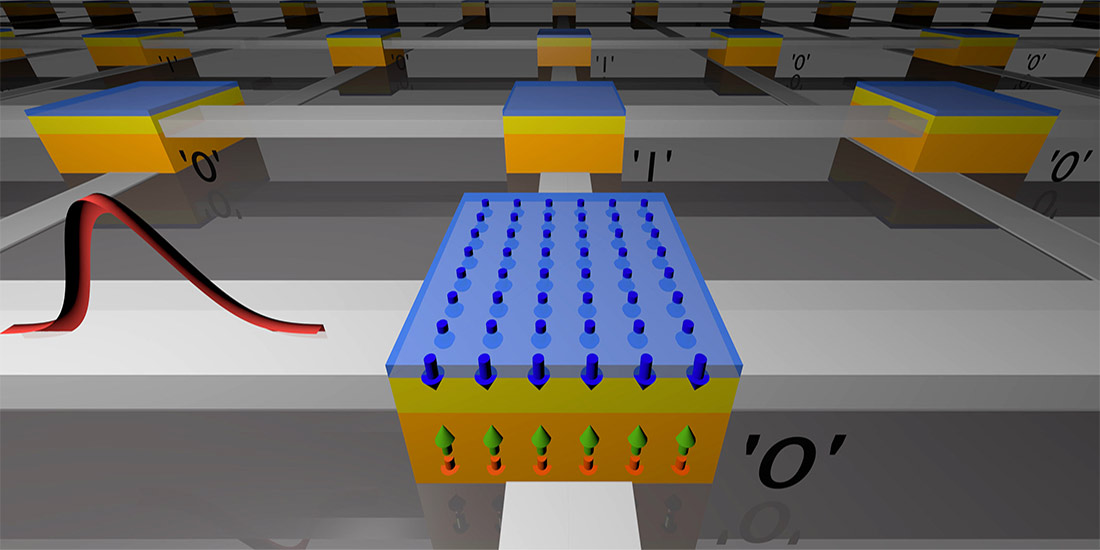
11/03/17 — Researchers at UC Berkeley and UC Riverside have developed a new, ultrafast method for electrically controlling magnetism in certain metals, a breakthrough that could lead to speedier, more energy-efficient computer memory.
11/02/17 Berkeley Lab — A team of Berkeley Lab scientists led by Gerbrand Ceder, professor of materials science and engineering, have reported major progress toward making lithium battery cathodes with so-called “disordered” materials.
11/01/17 — Berkeley Lab's Materials Project was deployed with great success in an effort to find new materials that hold promise for capturing more of the sun's energy.
10/18/17 Denver Post — A collaboration between UC Berkeley and the University of Denver took third place in the Solar Decathlon 2017, a challenge for student teams to build and operate highly energy-efficient and innovative solar houses. The team's RISE house was designed specifically for the city of Richmond, Calif.