• Skip to main content
  • Skip to primary navigation
  • Departments
    • Bioengineering
    • Civil and Environmental Engineering
    • Electrical Engineering and Computer Sciences
    • Industrial Engineering and Operations Research
    • Materials Science and Engineering
    • Mechanical Engineering
    • Nuclear Engineering
    • Aerospace program
    • Engineering Science program
  • News
    • Berkeley Engineer magazine
    • Social media
    • News videos
    • News digest (email)
    • Brand & Press kit
  • Events
    • Cal Day
    • Commencement
    • Events calendar
    • Engineering Ethics workshop
    • Homecoming
    • Kuh Lecture Series
    • Minner Lecture
    • Space reservations
    • View from the Top
  • College directory
  • For staff & faculty
Berkeley Engineering

Berkeley Engineering

Educating leaders. Creating knowledge. Serving society.

  • About
    • Facts & figures
    • Rankings
    • Mission & values
    • Equity & inclusion
    • Voices of Berkeley Engineering
    • Leadership team
    • Milestones
    • Buildings & facilities
    • Maps
  • Admissions
    • Undergraduate admissions
    • Graduate admissions
    • New students
    • Visit
    • Maps
    • Admissions events
    • K-12 outreach
  • Academics
    • Undergraduate programs
    • Majors & minors
    • Undergraduate Guide
    • Graduate programs
    • Graduate Guide
    • Innovation & entrepreneurship
    • Kresge Engineering Library
    • International programs
    • Executive education
  • Students
    • New students
    • Advising & counseling
    • ESS programs
    • CAEE academic support
    • Grad student services
    • Student life
    • Wellness & inclusion
    • Undergraduate Guide
    • > Degree requirements
    • > Policies & procedures
    • Forms & petitions
    • Resources
  • Research & faculty
    • Centers & institutes
    • Undergrad research
    • Faculty
    • Sustainability and resiliency
  • Connect
    • Alumni
    • Industry
    • Give
    • Stay in touch
Home > News

Bioengineering

New CRISPR-powered device detects genetic mutations in minutes

03/22/19 — BioE's Niren Murthy, Irina Conboy and former postdoc Kiana Aran used a new device called CRISPR-Chip to identify genetic mutations in DNA samples from Duchenne muscular dystrophy patients.
Ray Chiu

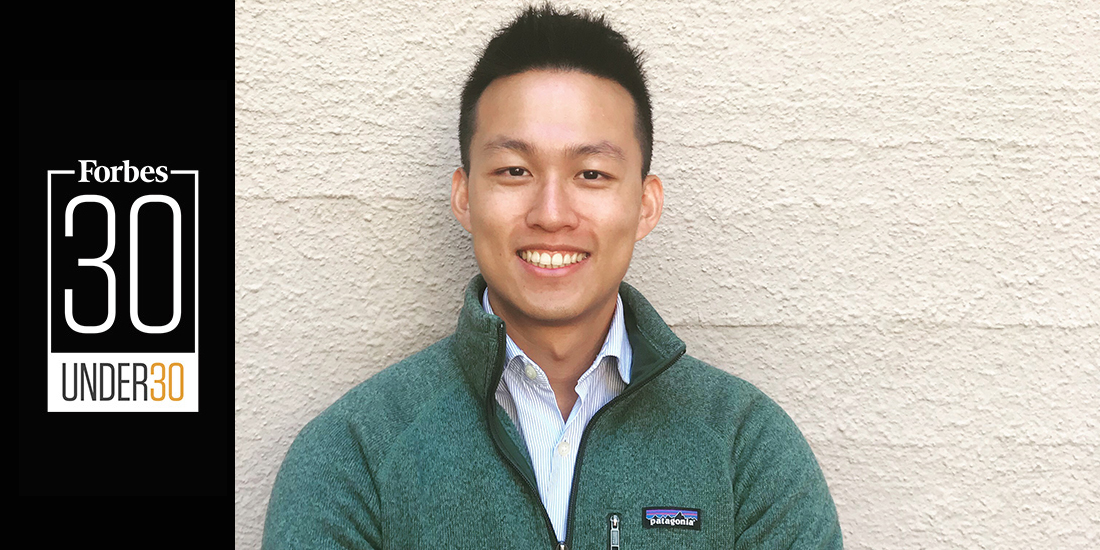
Po-Jui Chiu, Forbes 30 under 30

03/05/19 — Berkeley Engineering alum Po-Jui "Ray" Chiu was named one of Forbes' 30 Under 30 in the energy category.
UC Berkeley students Ben Truong, Surabhi Yadav, Erik Phillip, Zachary Chao and Andre Balthazard talk about solutions during "Hacking4 Local: Oakland"

Solve the housing crisis, fight climate change and more — all for credit

02/07/19 Mercury News — The 25 students enrolled in UC Berkeley's new “Hacking4Local” class are shooting for more than a good grade. They also intend to help solve the Bay Area's housing shortage, prevent wildfires in the East Bay hills and slow climate change. Those lofty goals, and more, are all part of the syllabus.
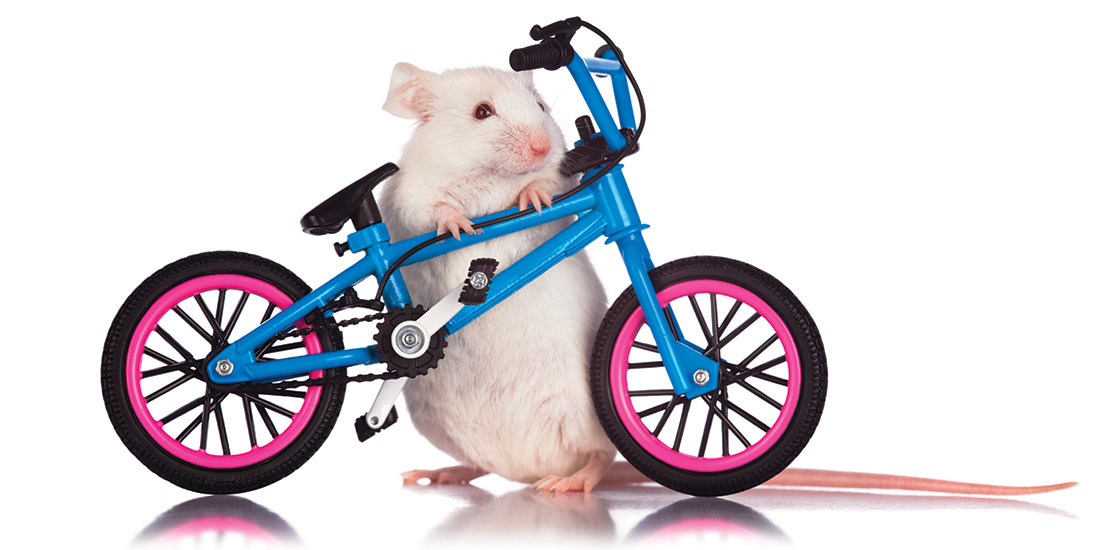
Mouse with a miniature bicycle

Calorie burner

11/14/18 — Scientists found the specific biochemical pathway that activates brown fat and causes the body to burn more calories.
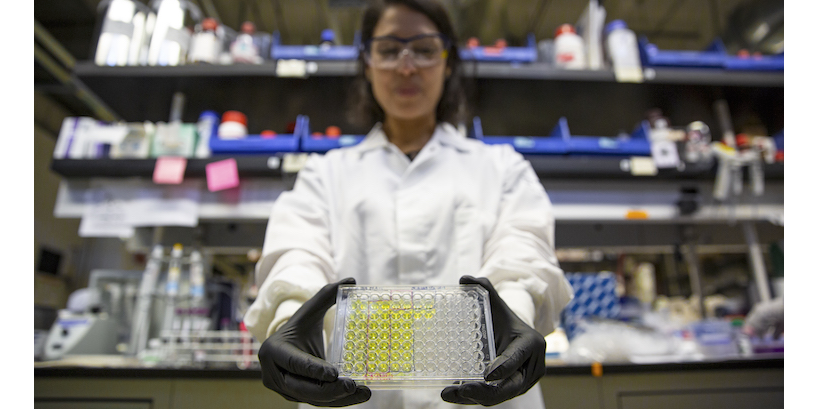
Tara deBoer holding synthetic urine samples being tested with DETECT solution

New test rapidly identifies antibiotic-resistant ‘superbugs’

10/15/18 — A new test dubbed DETECT, co-developed by Berkeley bioengineers, can diagnose patients with antibiotic-resistant infections in a matter of minutes and help limit the spread of antibiotic-resistant “superbugs,” which kill as many as 700,000 people worldwide each year.
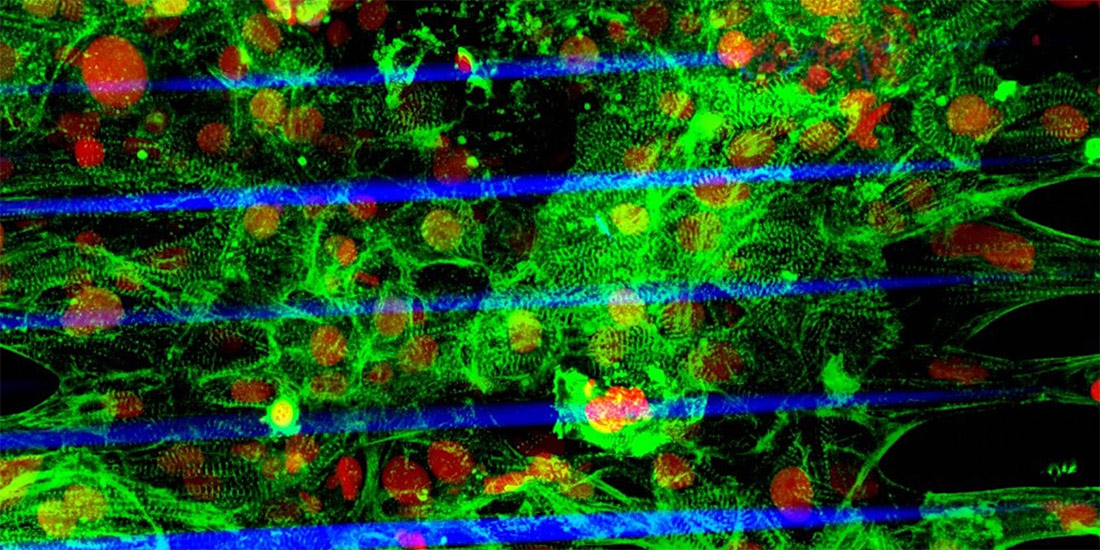
human stem cell-derived cardiac microtissue grown on a fiber-based scaffold

Can common heart condition cause sudden death?

09/28/18 Gladstone Institutes — Kevin Healy's bioengineering lab combined their tissue engineering with the Gladstone Institute's genome editing techniques to create a “diseased heart micro-tissue” model. The new tool will help explore how common environmental stress affects normal and abnormal heart tissue.
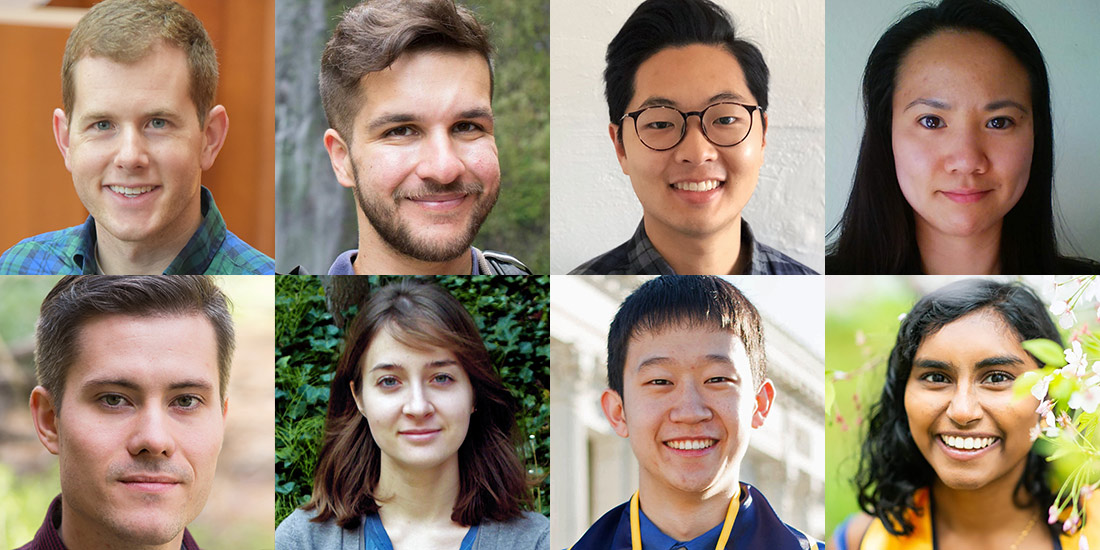
Portraits of eight Siebel Scholars

Eight Berkeley engineers honored as Siebel Scholars

09/14/18 — Eight Berkeley engineers - representing bioengineering, computer science and energy science - have been named to the Siebel Scholars Foundation's 2019 class, recognized for their academic achievements and demonstrated leadership.

From cyclotrons to wetsuits

08/10/18 Daily Californian — In a special issue marking UC Berkeley's 150th anniversary, a review of the campus's history of scientific endeavors features Berkeley Engineering figures in a variety of prominent roles, including Vice Chancellor for Research (and EECS professor) Randy Katz.
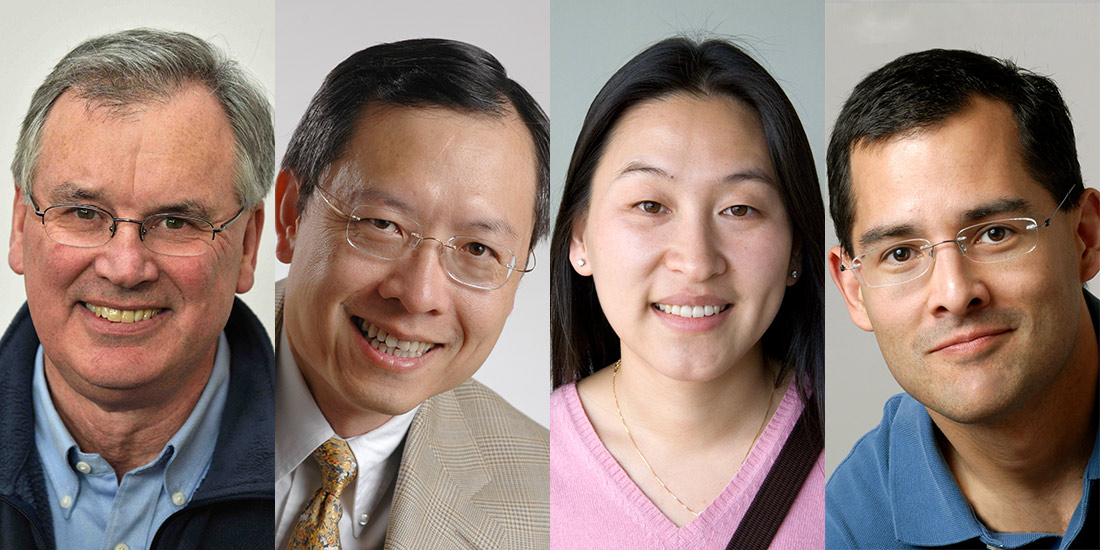
Bakar Fellows Steven Conolly, David Schaffer, Ming Wu and Ting Xu

Engineering innovators join Bakar ranks

07/27/18 — Berkeley Engineering faculty members Steven Conolly, Ming Wu, Ting Xu and David Schaffer are among the new members of the Bakar Fellows Program.
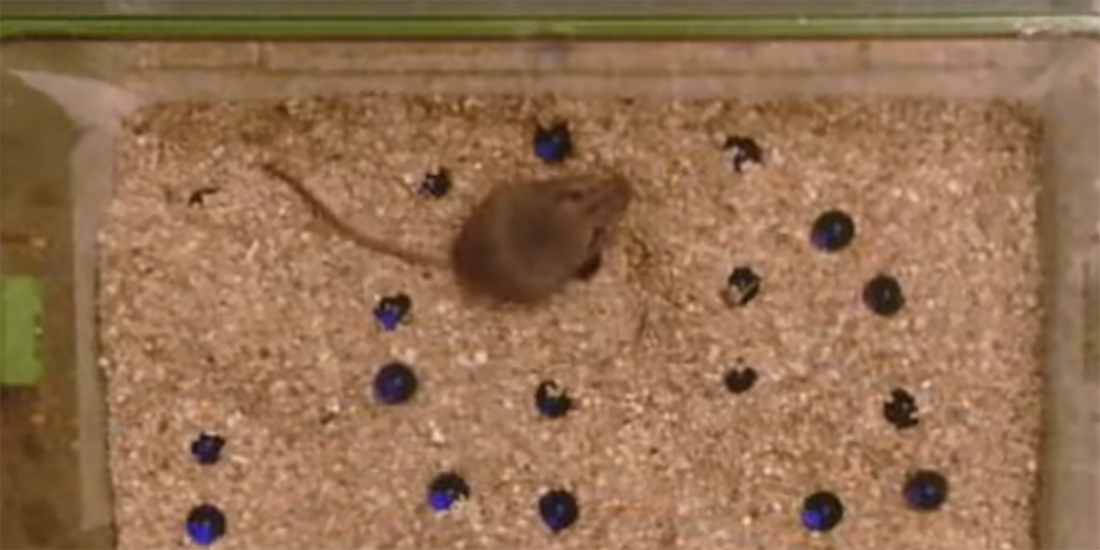
Mouse exhibiting repetitive digging behavior

CRISPR reduces autism symptoms in mice

06/26/18 — Scientists have used a CRISPR-Cas9 gene editing technique developed by Berkeley bioengineer Niren Murthy to lessen some autism symptoms in mice with a form of fragile X syndrome, the most common known single-gene cause of autism spectrum disorder.
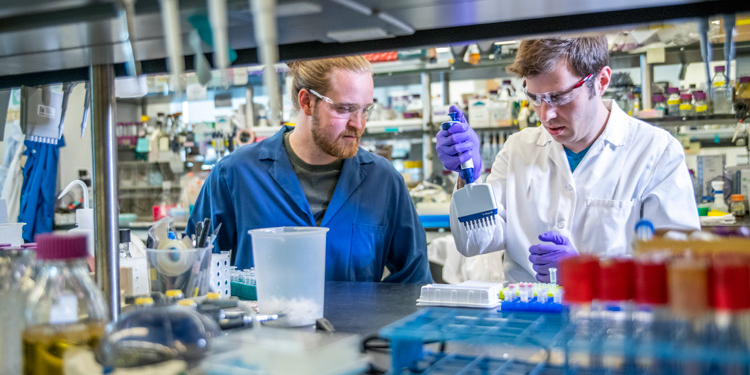
Sebastian Palluk and Daniel Arlow in a lab at the Joint BioEnergy Institute

New technique could speed synthesis of DNA

06/18/18 — A team of scientists in chemical and biomolecular engineering professor Jay Keasling's lab has made a breakthrough in the synthesis of new genes, offering promise for cheaper, faster and safer development of medicines.
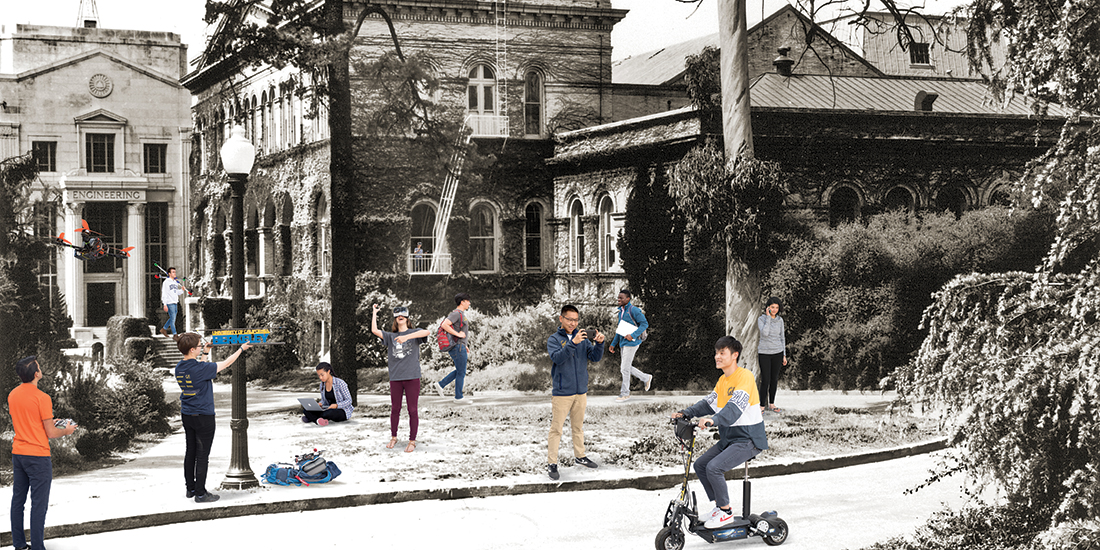
Mashup of photo of McLaughlin Hall and the Mechanical and Electrical Engineering Building (date unknown) with photos of current students

Then & now

06/02/18 — Over the past 150 years, Berkeley Engineering has created a legacy of innovation and public service.

Curing diseases with CRISPR

06/01/18 — Berkeley engineers are using CRISPR-Cas9 technology to advance cures for ALS and Duchenne muscular dystrophy.
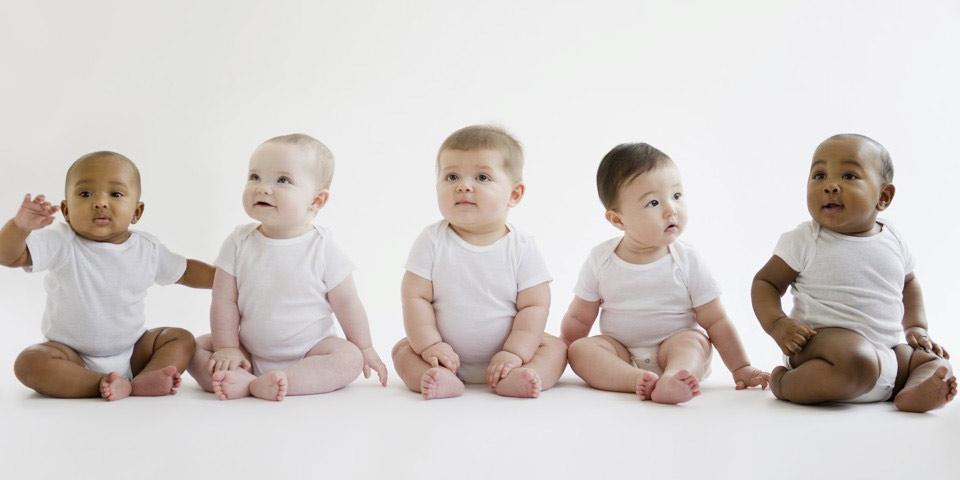
Five babies of different races in a row

When geneticists talk sloppily about race

04/30/18 The Atlantic — Bioengineering professor Ian Holmes writes about how a geneticist's recent op-ed in The New York Times caused controversy when it used sloppy language to talk about the tricky relationship between race and genetics research.
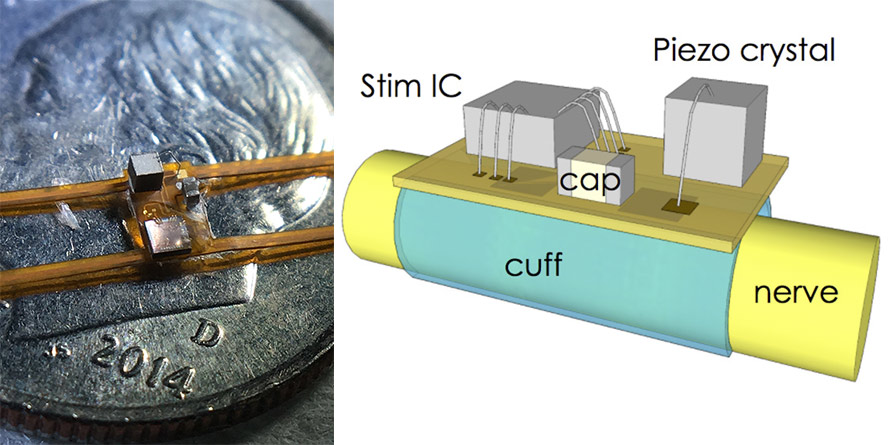
Tiny StimDust device shown atop a dime, and schematic drawing detaililng its components

Tiny nerve stimulator gains sophistication

04/10/18 — Berkeley engineers, led by EECS professors Rikky Muller and Michel Maharbiz, have taken implanted neural dust sensors forward by building the smallest, most efficient wireless nerve stimulator ever.
Double Shelix logo

You do belong in science

04/03/18 — The Double Shelix podcast, hosted by Berkeley bioengineering Ph.D. candidates Sally Winkler and Kayla Wolf, is posting a special series of episodes this month on the the theme of belonging in STEM.
Berkeley Engineering

Grad program rankings edge still higher

03/19/18 — In the latest U.S. News & World Report rankings of graduate programs, Berkeley Engineering and its departments held steady or moved higher in all categories, including electrical engineering joining CEE as the top-ranked program in the nation.
Brown fat tissue from a mouse

Brown fat flexes its muscle to burn energy — and calories

03/06/18 — Scientists at the UC Berkeley, including bioengineering professor Sanjay Kumar, have discovered that the same kind of fat cells that help newborn babies regulate their body temperature could be a target for weight-loss drugs in adults.
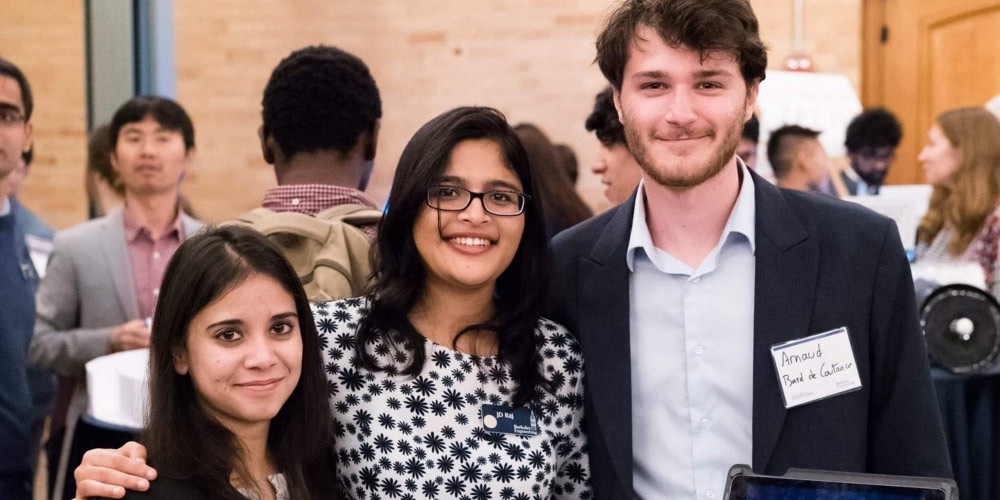
Pandemic Resiliency team members Suyasha Gupta, Jasodhara Raj and Arnaud Bard de Coutance

Designing resiliency for the pandemic flu

02/23/18 Fung Institute — For their capstone project at the Fung Institute, a trio of master of engineering students are working on a software solution to combat the inefficiencies that currently impede efforts to report and track outbreaks of influenza.
Diagram of an adeno-associated virus, and cross-section photo of mouse spinal cord tissue showing cells in which the CRISPR-Cas9 gene has been expressed

First step toward CRISPR cure of Lou Gehrig’s disease

12/20/17 — Berkeley scientists led by Davis Shaffer, professor of chemical and biomolecular engineering and bioengineering, have for the first time used CRISPR-Cas9 gene editing to disable a defective gene that causes amyotrophic lateral sclerosis in mice, extending their lifespan by 25 percent.
  • « Go to Previous Page
  • Go to page 1
  • Interim pages omitted …
  • Go to page 6
  • Go to page 7
  • Go to page 8
  • Go to page 9
  • Go to page 10
  • Interim pages omitted …
  • Go to page 19
  • Go to Next Page »
  • Contact
  • Give
  • Privacy
  • UC Berkeley
  • Accessibility
  • Nondiscrimination
  • instagram
  • X logo
  • linkedin
  • facebook
  • youtube
  • bluesky
© 2026 UC Regents