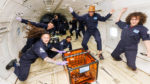
07/07/22 — A NASA astronaut since 2017, Warren Hoburg (M.S.’11, Ph.D.’13 EECS) will be piloting the spacecraft Dragon to the International Space Station
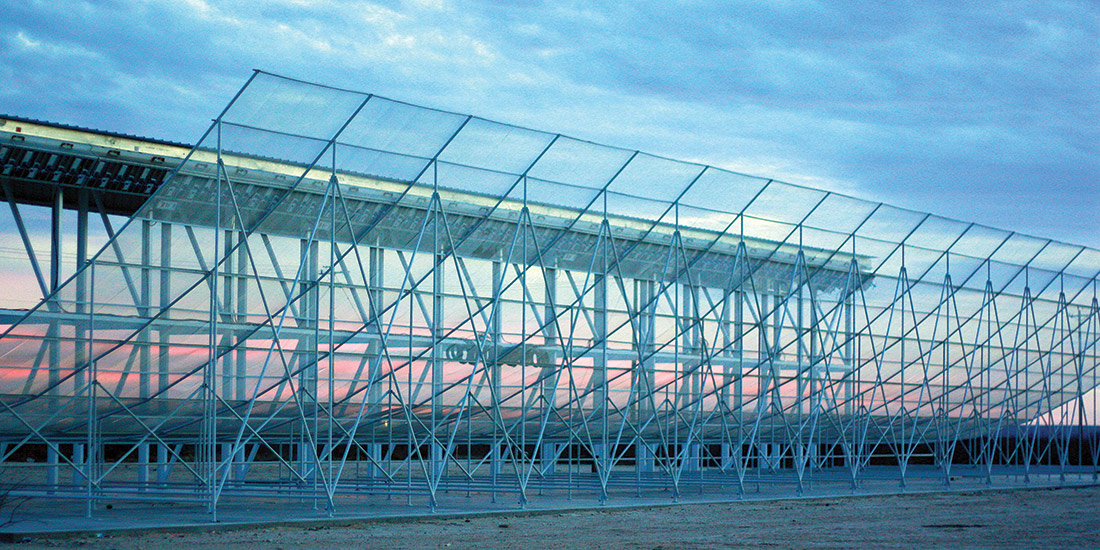
04/27/22 — The high efficiency, light weight and flexibility of the latest solar cell technology means photovoltaics could provide all the power needed for an extended mission to Mars, or even a permanent settlement there, according to a new analysis led by Berkeley engineers
11/15/21 — To meet the growing demand for researchers in aviation, defense and space exploration, Berkeley Engineering has added a new aerospace engineering major.
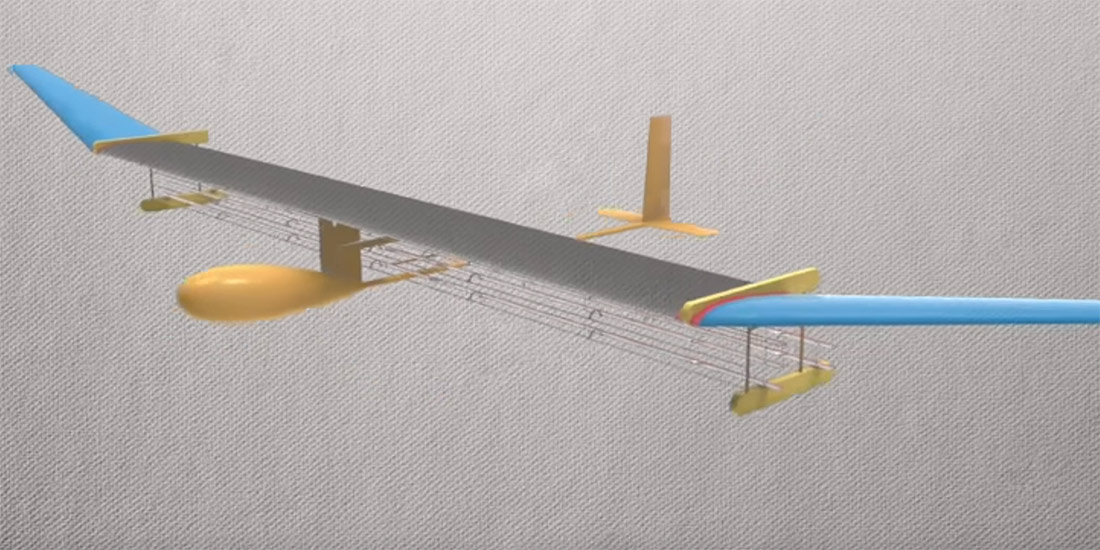
12/05/18 Forbes — Researchers at the Massachusetts Institute of Technology have conducted a successful 8-second flight test of an aircraft with an ion drive propulsion system, a larger version of the same cutting-edge technology that Berkeley engineers are using to fly centimeter-scale microrobots.
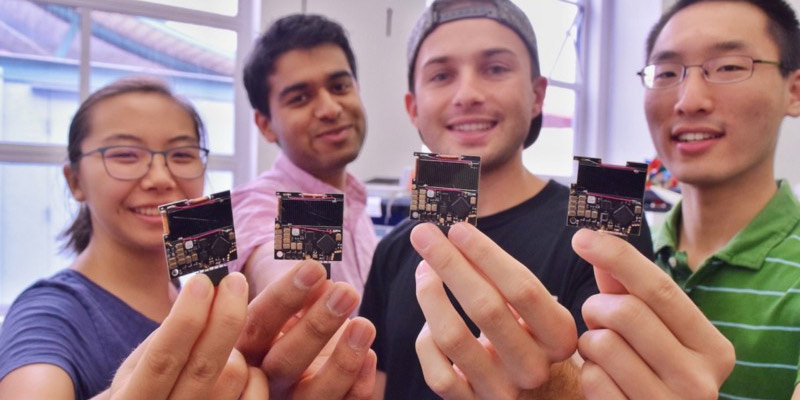
10/15/18 Medium — Six undergrad engineers are developing "SpinorSats" - each less than 10 grams, about the size of an Apple Watch - that they hope will be the smallest maneuverable satellites in space.
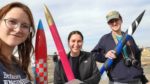
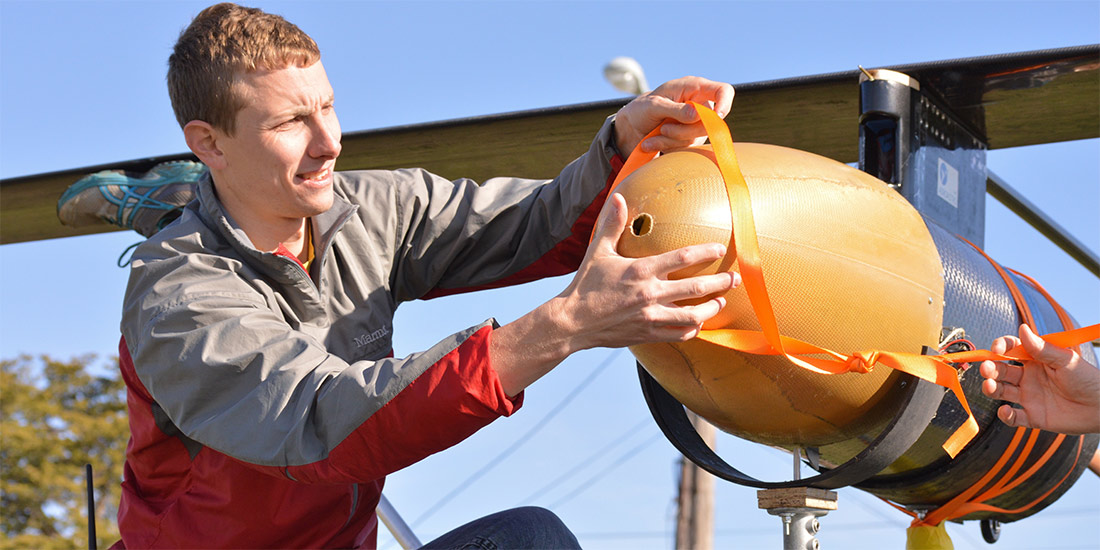
04/30/18 — The student group Space Technologies at Cal is developing a balloon-based platform for near-space research. They recently launched a high-altitude balloon from Memorial Glade.
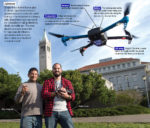
12/20/17 R&D — Aerospace engineer and astronaut candidate Warren "Woody" Hoburg (M.S.'11, Ph.D.'13 EECS) has been named Innovator of the Year by R&D Magazine for his pioneering work creating the Jungle Hawk Owl extended-flight drone.
02/17/17 New Scientist — For a crewed mission into deep space, every piece of technology and equipment has to be better: lighter, stronger, multi-purpose. NASA just funded two new teams of researchers, one led by Berkeley bioengineering professor Adam Arkin, to work toward that goal.
12/09/16 — A fast-growing student group has taken to the skies, formalized unmanned aerial vehicle flying on campus and are set to launch an intercollegiate drone-racing league.
05/01/16 — Responsible Robotics is creating new technologies that enable drone operators to easily comply with emerging Federal Aviation Administration regulations.
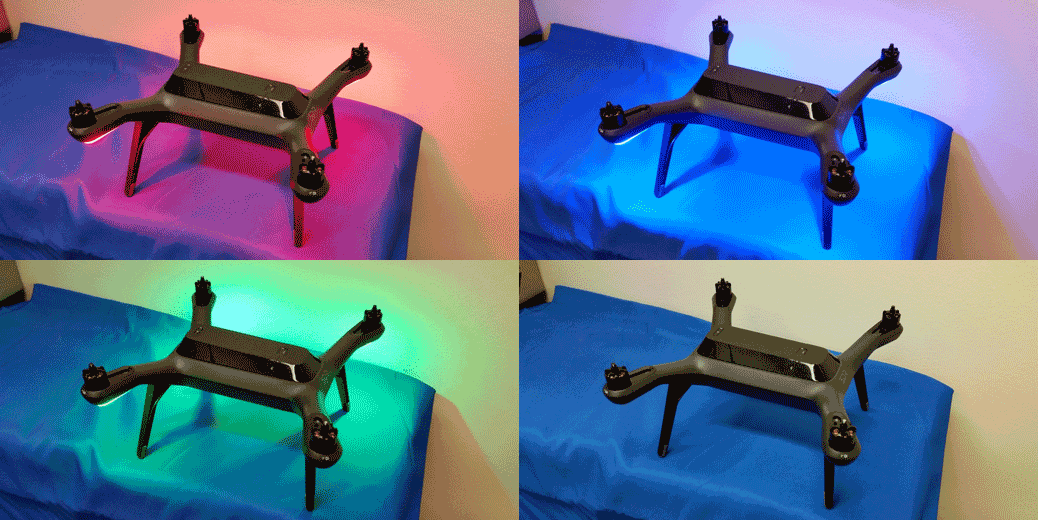
08/20/15 — Berkeley engineers from the Lightcense project are testing a kind of license plate for drones - a rectangular array of bright, multicolored LEDs attached to the underside of a craft - that they think could help make drone operators more accountable.
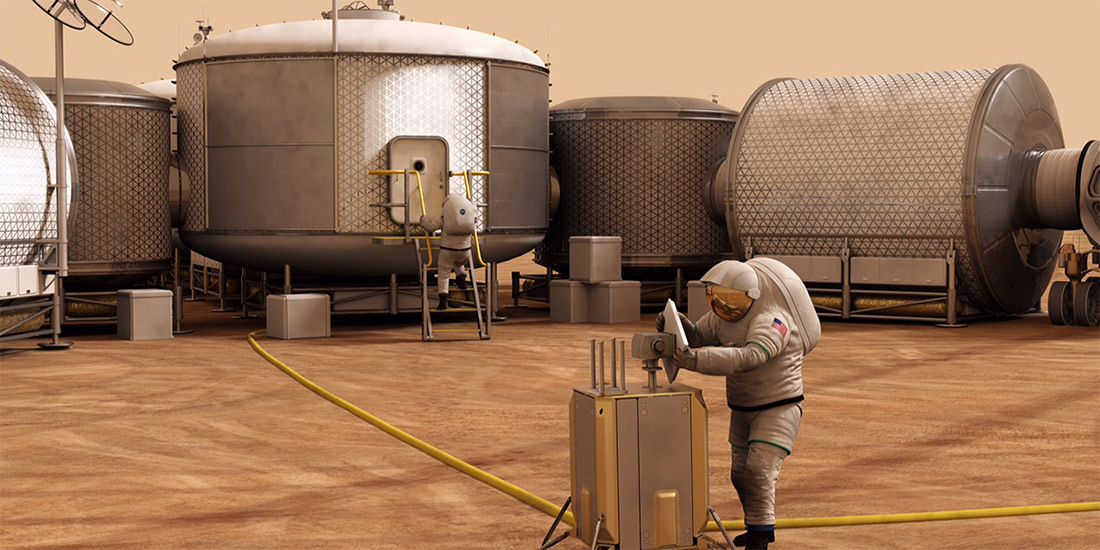
11/06/14 — Genetically engineered microbes could help make manned missions to Mars, the moon and other planets more practical, according to a new analysis by UC Berkeley bioengineers and NASA scientists.
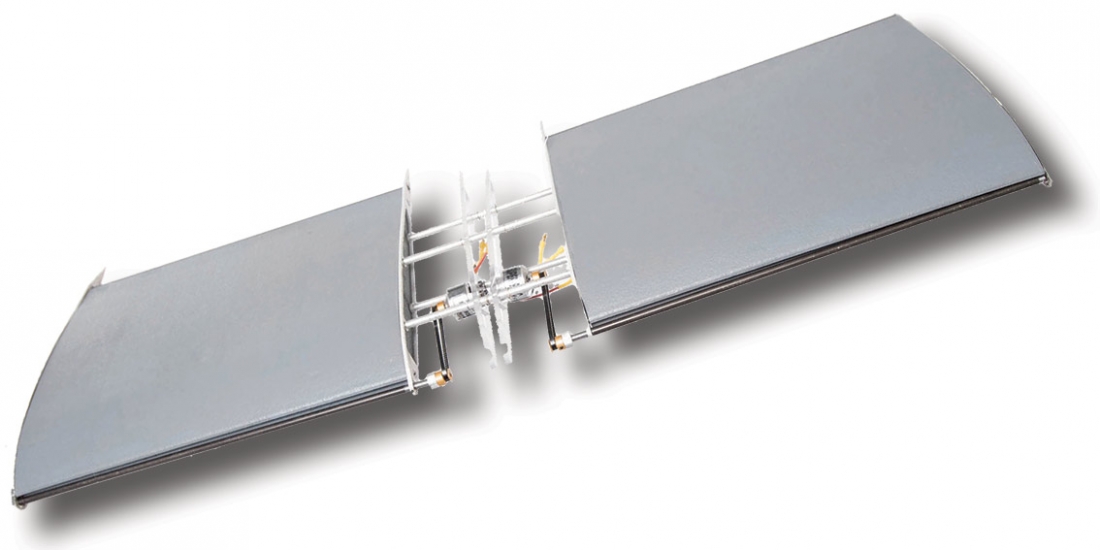
12/18/13 National Geographic — Cameron Rose, an EECS grad student whose research focuses on flapping-winged robots in flight, dreams of one day helping the field of robotics achieve "something even close to the level of maneuverability and control that animals possess," he told National Geographic. "I also dream to use my knowledge and passion for robotics to encourage other African American students to pursue similar paths."
11/22/13 — Adam Wright (B.S'05 ME) is building submarines that fly through water. He started his career at Hawkes Ocean Technologies as an unpaid intern before his freshman year of college. Early this year, he was named the company's president and CEO.