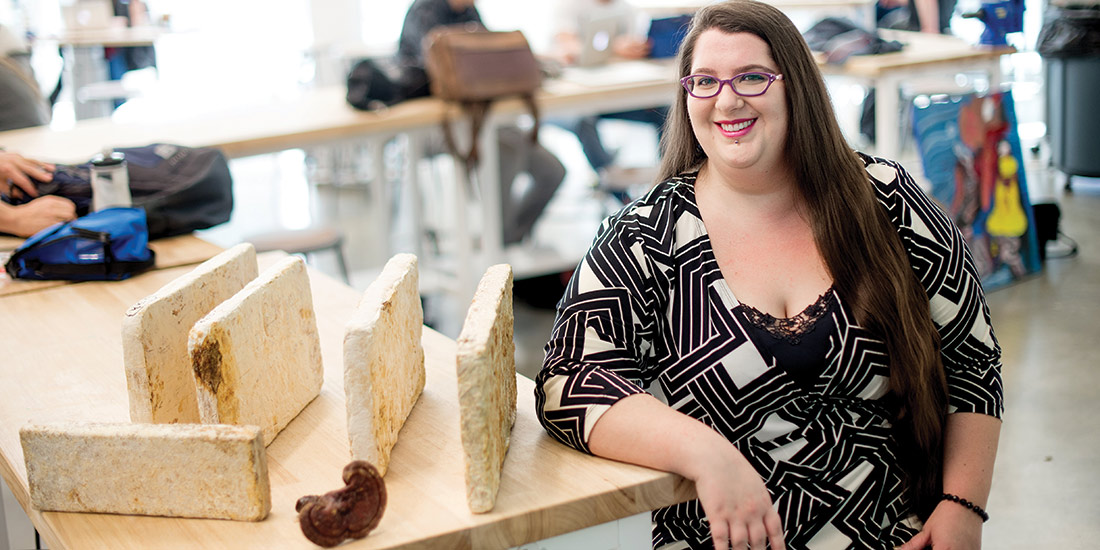
05/01/16 — What low-cost, low-impact material already growing in nature is now being researched for its strength and potential fortification for packaging, insulation and more? Mycelium, the thready, root-like part of a fungus.
05/01/16 — Several people submitted numerous comments in reply to “Sophie's super hand” featured in the fall issue of Berkeley Engineer. Researcher Daniel Lim invited readers to participate in the ongoing project.
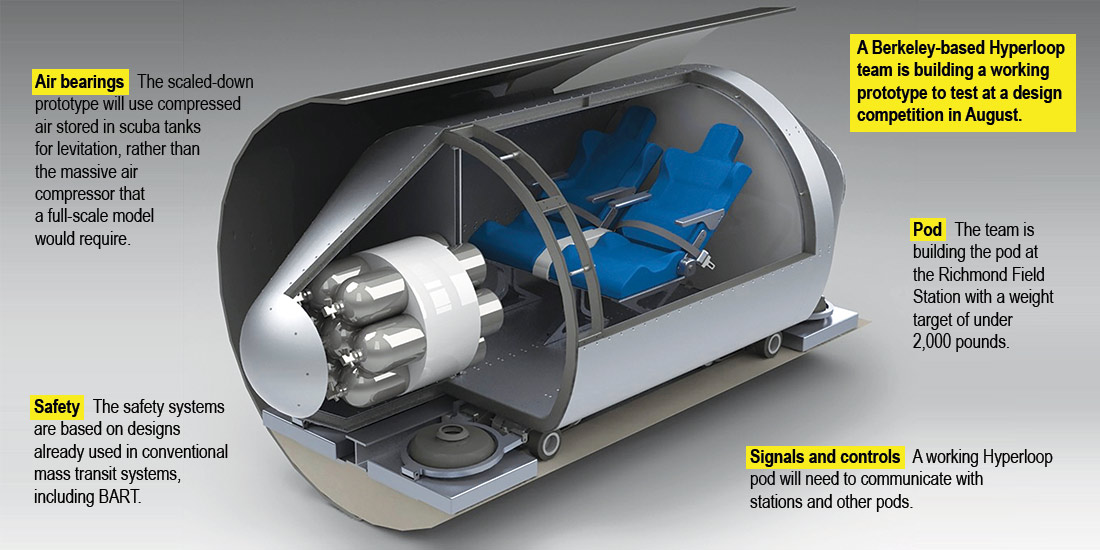
05/01/16 — This August, the Berkeley Hyperloop (bLoop) team will shoot its transportation pod down a test track at high speeds for a design competition. But first, the team of 40 students must make their Hyperloop pod levitate.
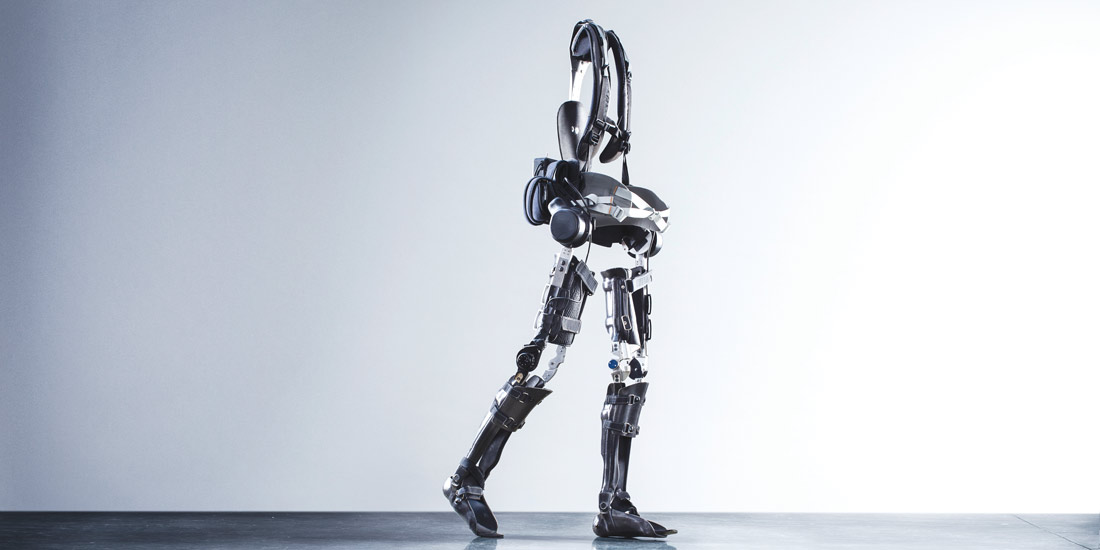
05/01/16 — The startup company suitX won a Robotics for Good competition this spring for their plan to adapt one of their exoskeleton designs to assist children with conditions such as cerebral palsy, spina bifida or spinal muscular atrophy.
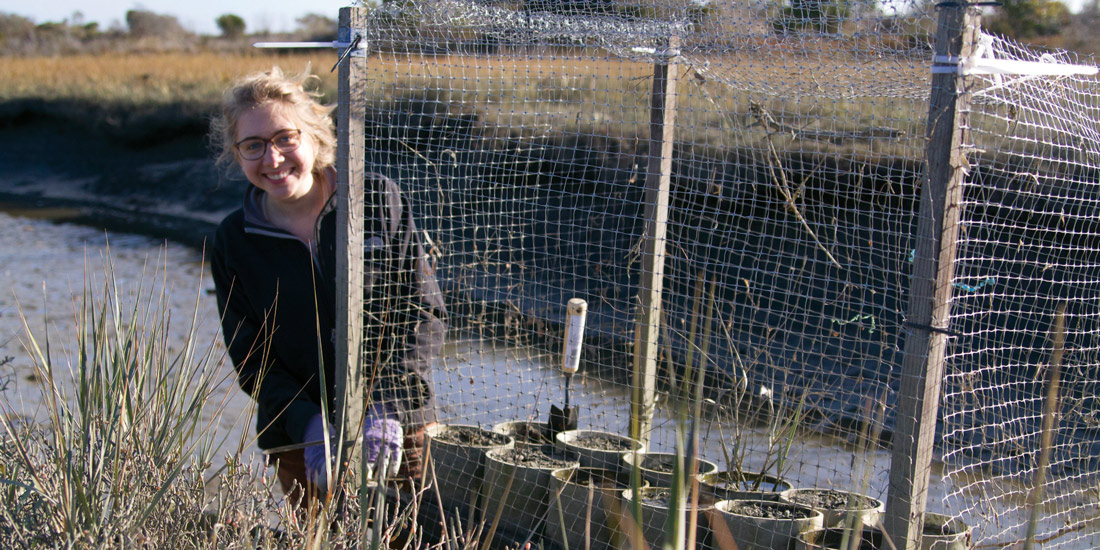
05/01/16 — Are biosolids the answer to making tidal wetlands less vulnerable to storm surges similar to that of Hurricane Katrina? Doctoral student and Louisiana native Madeline Foster-Martinez is working to find out.
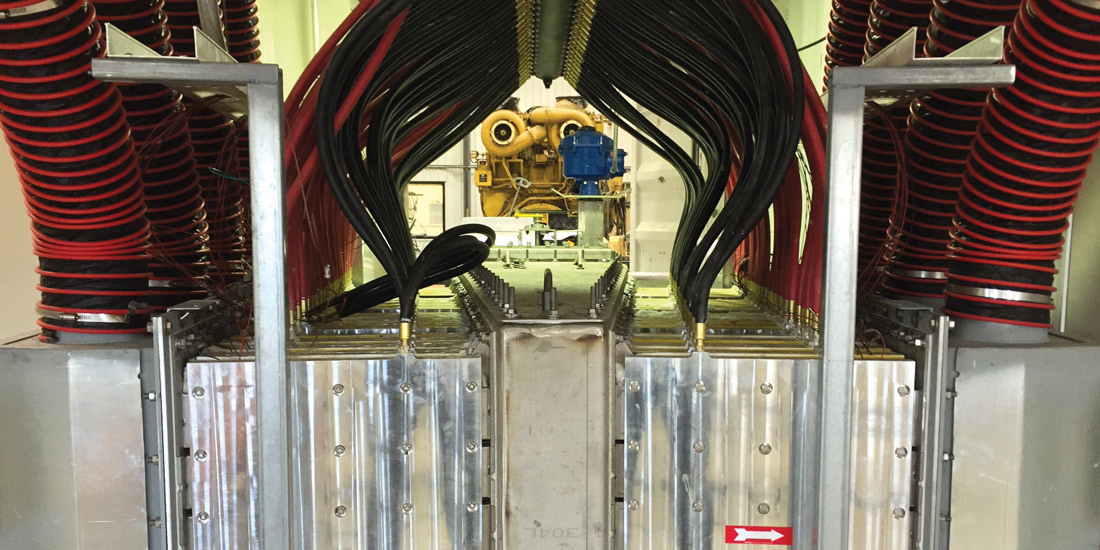
05/01/16 — The Theoretical and Applied Fluid Dynamics Lab will begin building a machine that may potentially convert enough ocean wave energy into enough electricity to supply millions of homes with electricity.
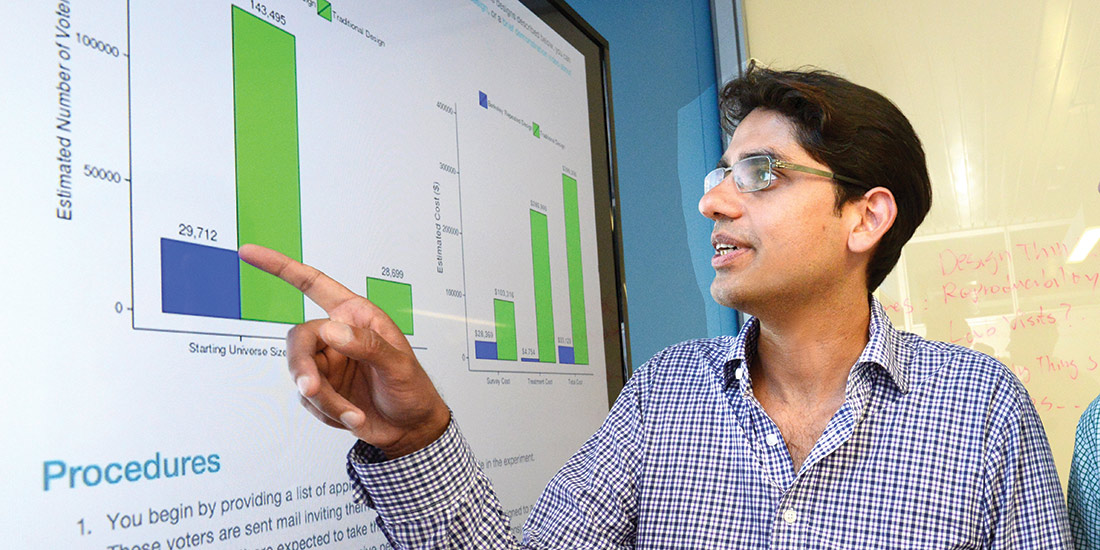
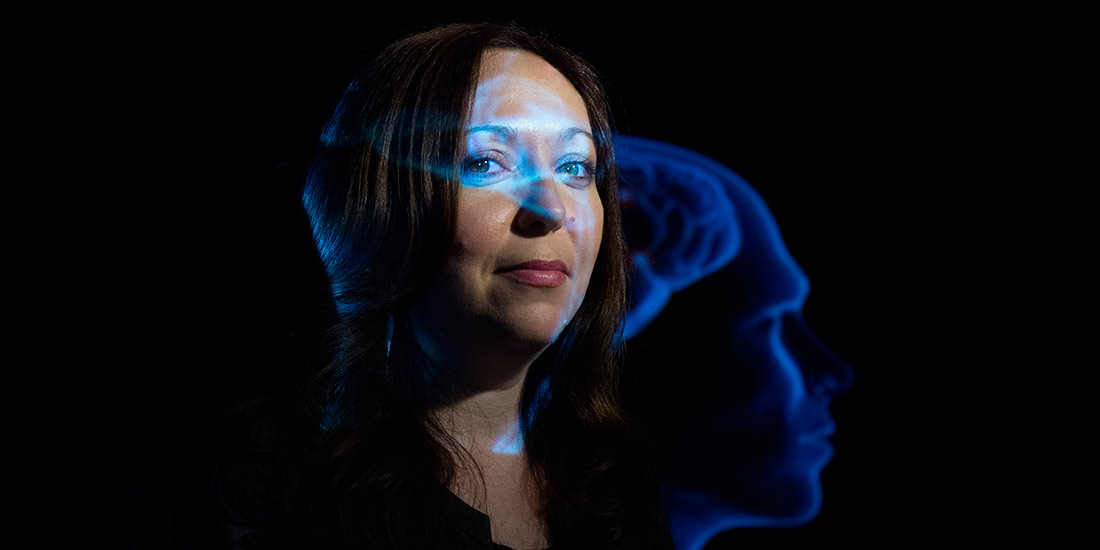
05/01/16 — Read a Q+A with Jasjeet Sekhon, senior fellow at the Berkeley Institute for Data Science, who uses massive data analysis to examine persuasion in elections and the effectiveness of digital advertising and personalized medicine.
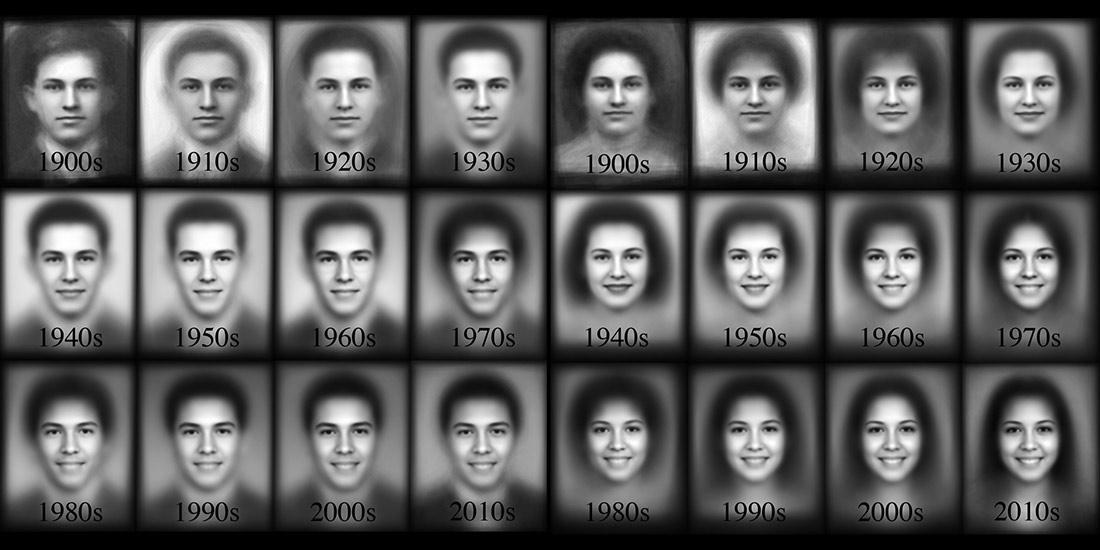
05/01/16 — Computer scientists are using machine learning techniques to analyze large collections of American high school yearbook photos by superimposing the changes in hairstyles, clothing and even smiles from over the last century.
05/01/16 — Fingerprint scanning technology is advancing to create three-dimensional images of a fingerprint to eliminate the risk of counterfeited two-dimensional images, offering more security.
05/01/16 — The metallic alloy CrMnFeCoNi is being researched to study the mechanisms that make it one of the toughest at any temperature. The future applications to understanding how it works? Cryogenics and the potential to design even stronger reinforcing metallic materials.
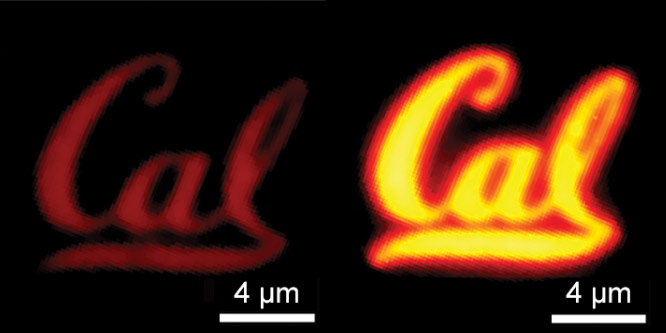
05/01/16 — Berkeley engineers have found a simple way to fix the defects of monolayer semiconductors, leading to a dramatic 100-fold increase in the material's photoluminescence quantum yield.
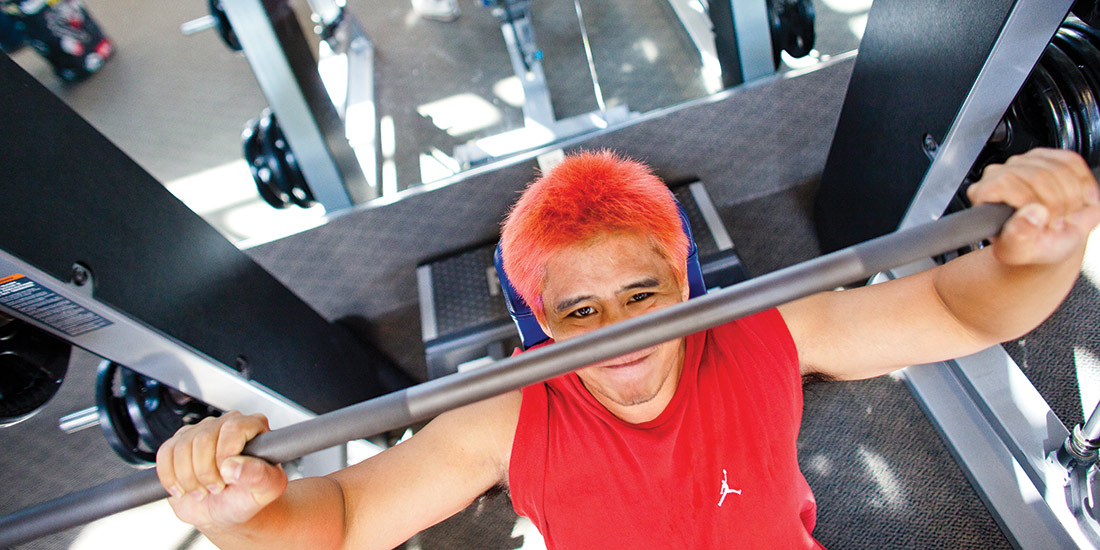
05/01/16 — Three Berkeley professors studying artificial intelligence and robotics are testing how machines and humans come into physical contact, behave independently and interact with one another. The common goal: to create machines with the intelligence to better serve and work with human beings.
05/01/16 — A cross-disciplinary team of researchers is studying how sea-level rise will impact and disrupt the Bay Area using a variety of data modeling and analysis methods.
05/01/16 — Alphabet Energy is betting on a resurgence of thermoelectrics with new technology to convert energy lost as heat into clean, recycled power.
05/01/16 — Responsible Robotics is creating new technologies that enable drone operators to easily comply with emerging Federal Aviation Administration regulations.
05/01/16 — Elizabeth Hausler Strand delivered the 2015 Civil and Environmental Engineering Distinguished Lecture about Build Change's progress in providing safer, earthquake-resistant buildings in developing countries.
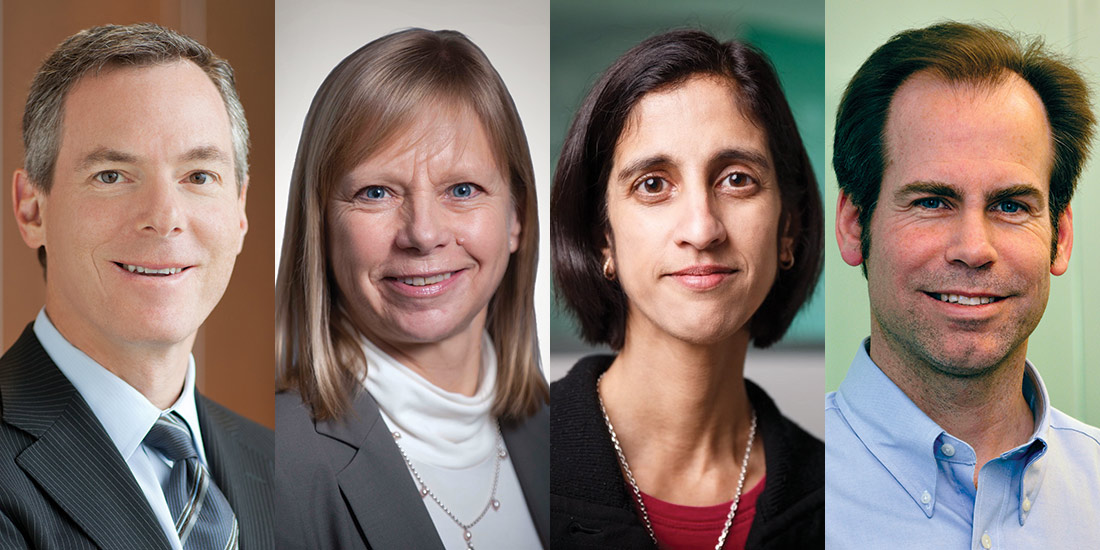
05/01/16 — Several alumni have been inducted into the National Academy of Engineering for their contributions to engineering research, practice, or education and the National Academy of Medicine for their contributions to the advancement of medical sciences.
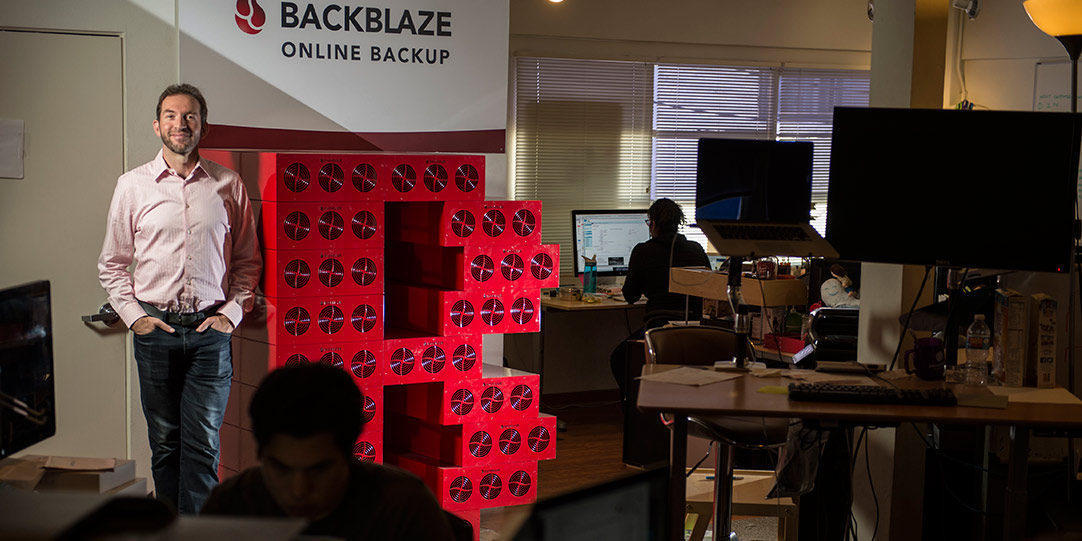
05/01/16 — Backblaze, a cloud backup company that offers unlimited storage for a fee of $5 per month, is accelerating its growth to find, encrypt and save all of a user's files of any size or type to an off-site location.