• Skip to main content
  • Skip to primary navigation
  • Departments
    • Bioengineering
    • Civil and Environmental Engineering
    • Electrical Engineering and Computer Sciences
    • Industrial Engineering and Operations Research
    • Materials Science and Engineering
    • Mechanical Engineering
    • Nuclear Engineering
    • Aerospace program
    • Engineering Science program
  • News
    • Berkeley Engineer magazine
    • Social media
    • News videos
    • News digest (email)
    • Press kit
  • Events
    • Events calendar
    • Commencement
    • Homecoming
    • Cal Day
    • Space reservations
    • View from the Top
    • Kuh Lecture Series
    • Minner Lecture
  • College directory
  • For staff & faculty
Berkeley Engineering

Berkeley Engineering

Educating leaders. Creating knowledge. Serving society.

  • About
    • Facts & figures
    • Rankings
    • Mission & values
    • Equity & inclusion
    • Voices of Berkeley Engineering
    • Leadership team
    • Milestones
    • Buildings & facilities
    • Maps
  • Admissions
    • Undergraduate admissions
    • Graduate admissions
    • New students
    • Visit
    • Maps
    • Admissions events
    • K-12 outreach
  • Academics
    • Undergraduate programs
    • Majors & minors
    • Undergraduate Guide
    • Graduate programs
    • Graduate Guide
    • Innovation & entrepreneurship
    • Kresge Engineering Library
    • International programs
    • Executive education
  • Students
    • New students
    • Advising & counseling
    • ESS programs
    • CAEE academic support
    • Grad student services
    • Student life
    • Wellness & inclusion
    • Undergraduate Guide
    • > Degree requirements
    • > Policies & procedures
    • Forms & petitions
    • Resources
  • Research & faculty
    • Centers & institutes
    • Undergrad research
    • Faculty
    • Sustainability and resiliency
  • Connect
    • Alumni
    • Industry
    • Give
    • Stay in touch
Home > News

News

Silicon Valley combating deepfake videos that could upend an election

11/05/19 Los Angeles Times — Leaders in artificial intelligence are unveiling a tool to push back against deepfake videos, built in part on scanning software that UC Berkeley has been developing in partnership with the U.S. military.

Farewell

10/25/19 — Obituaries for Berkeley Engineering faculty and alumni.
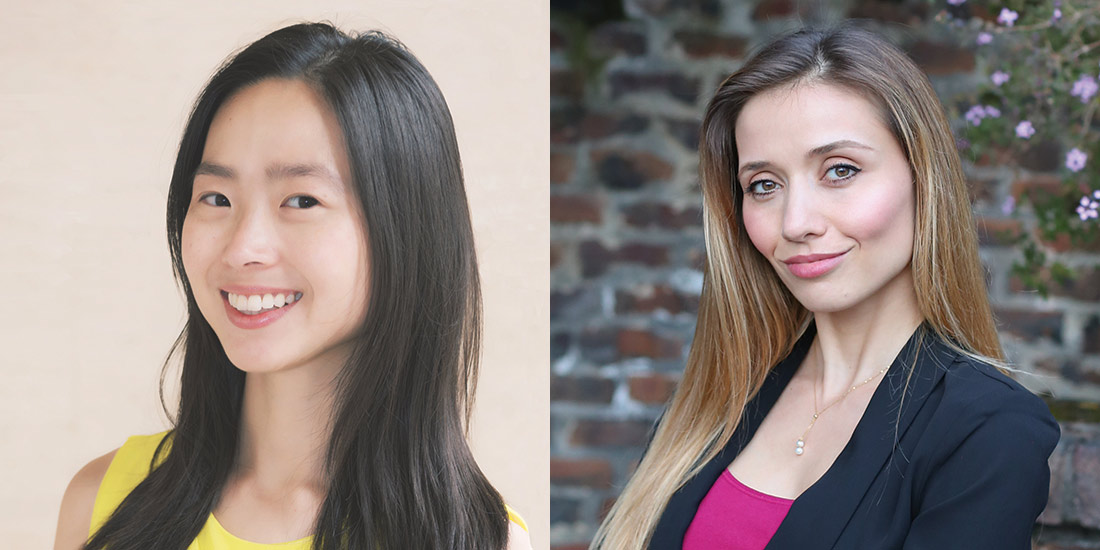
Grace Gu and Raluca Ada Popa

Two faculty named top innovators

10/25/19 — Grace Gu and Raluca Ada Popa were included in MIT Technology Review's 2019 list of “35 Innovators Under 35.”

Alum honored as MEMS pioneer

10/25/19 — Kurt Peterson was awarded the 2019 IEEE Medal of Honor for his contributions to microelectromechanical systems research.
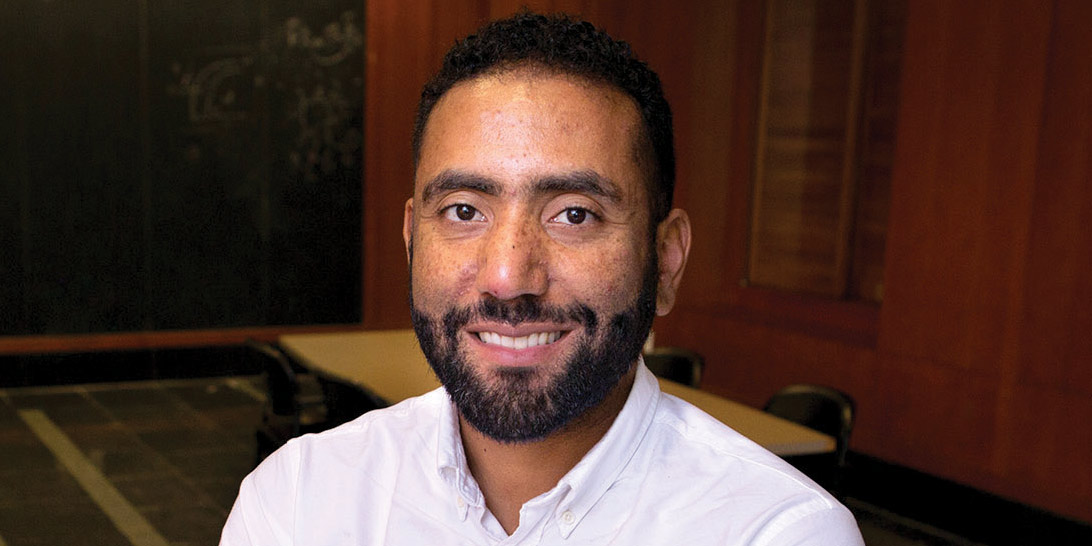
Aaron Streets

Streets named Pew Scholar

10/25/19 — Professor Aaron Streets is joining the 2019 Pew Scholars Program in Biomedical Sciences.
Yuhong Cao with nanoEP filter

Keeping edited cells healthy

10/25/19 — Researchers have developed a better technique to deliver macromolecules into cells, using inexpensive lab equipment.
close-up of the fault interface, as viewed through the slider block from a high angle.

At fault

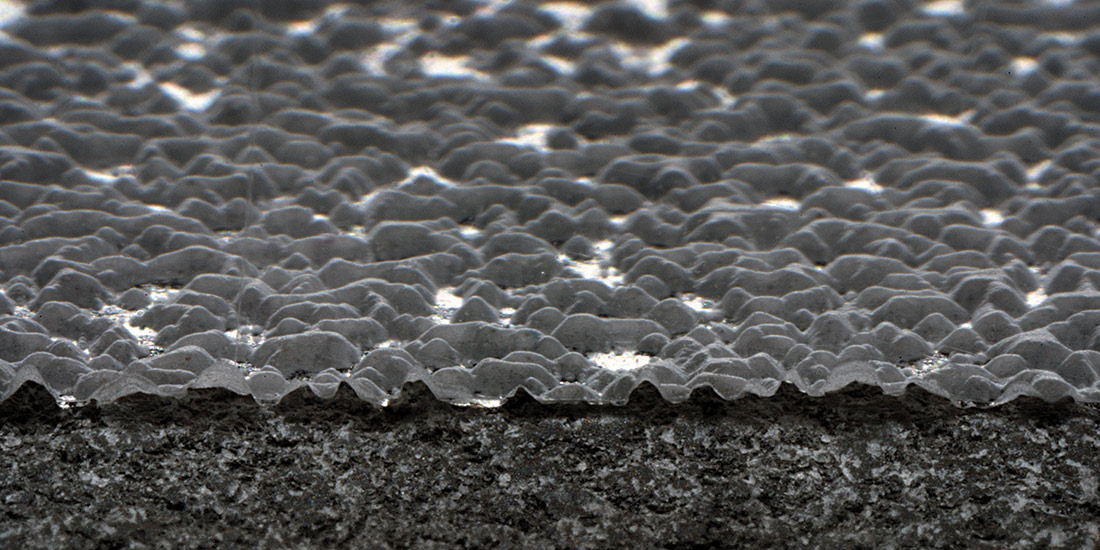
10/25/19 — A team of earthquake engineers, working out of the lab of professor Steven Glaser, is taking research on asperities to a new level by studying fault mechanics at nanoscale.
Twisted helixes

A surprising twist

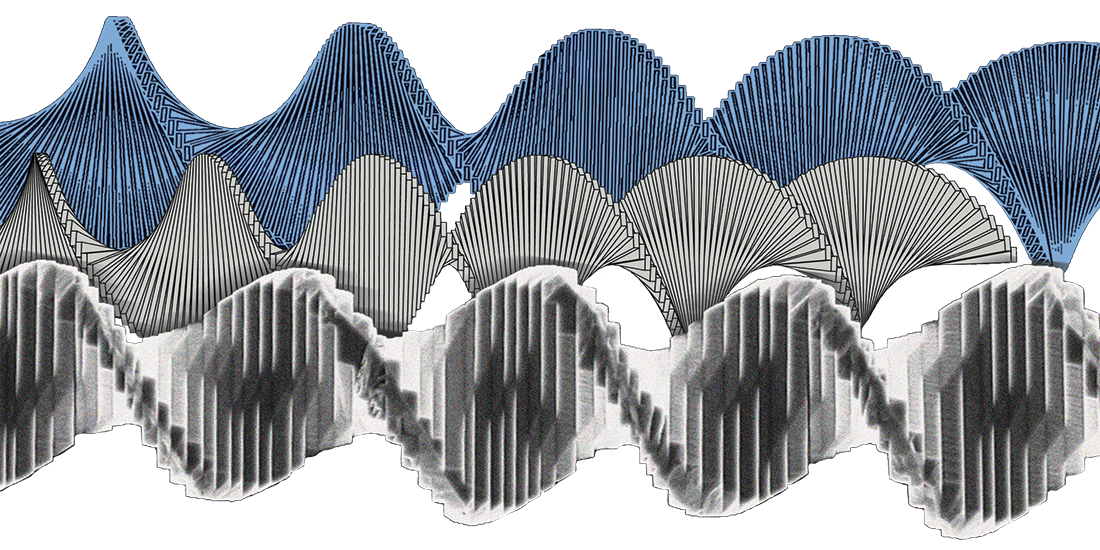
10/25/19 — Materials scientists have created new inorganic crystals made of stacks of atomically thin sheets that spiral like a card deck.
Photo of water pipe cross-sections

Get the lead out

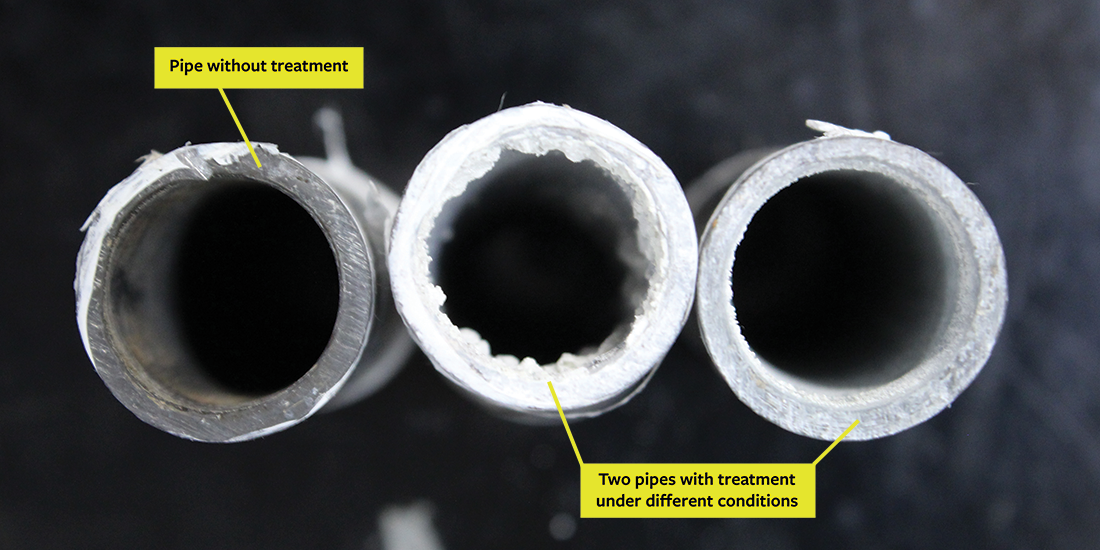
10/25/19 — More than 18 million people in the United States are at risk from water pipes that leach lead. Now, researchers led by civil and environmental engineering professor Ashok Gadgil have devised a novel solution to this problem.
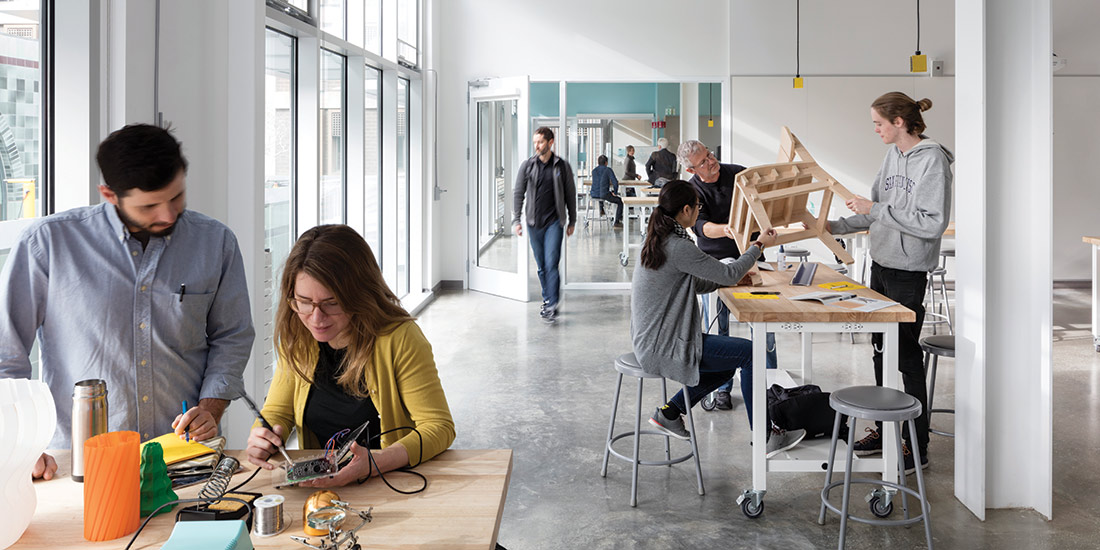
Students in classroom in Jacobs Hall

New master’s degree programs

10/25/19 — Berkeley Engineering is joining with other units on campus to offer a master of design degree and a joint MEng/MBA degree program.
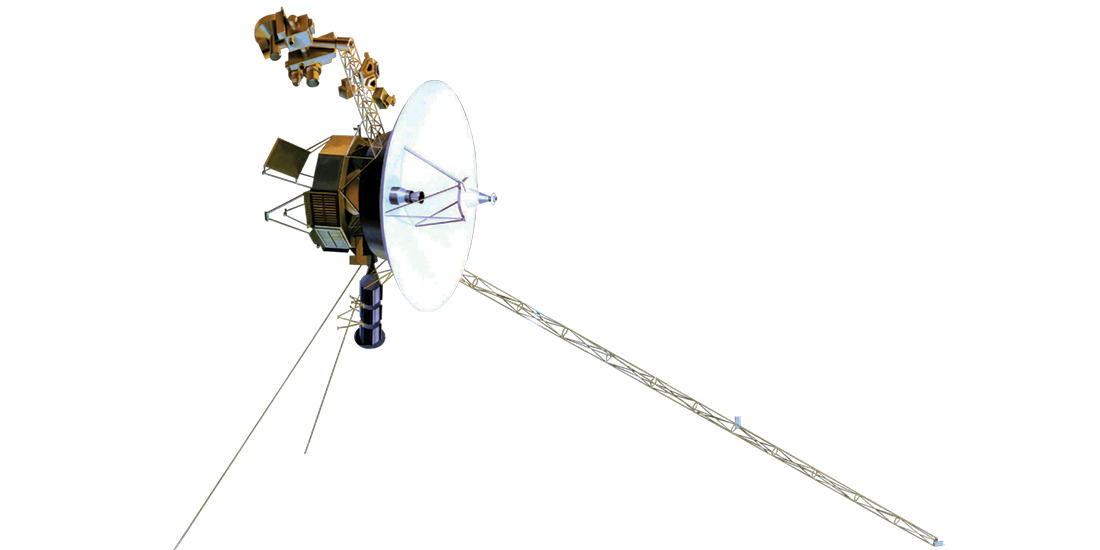
Voyager spacecraft

Mirror mirror

10/25/19 — Researchers broke another record in thermophotovoltaics, raising the efficiency of converting heat into electricity from 23% to 29%.
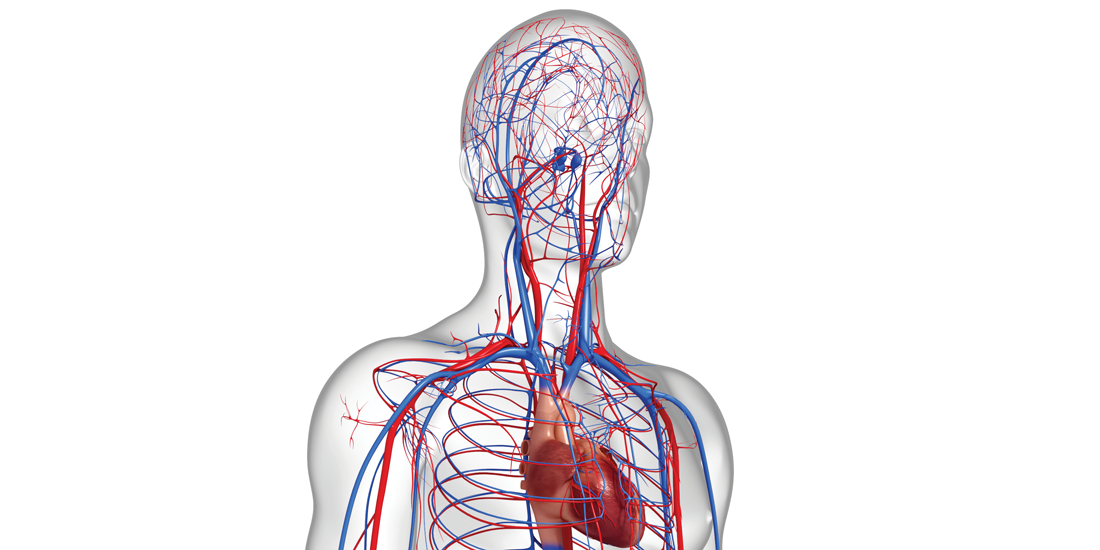
Illustration detail of human cisculatory system

Mass-producing biomaterials

10/25/19 — A new 3D printing technique may allow whole organs, living tissue, bone and blood vessels to be printed on demand.
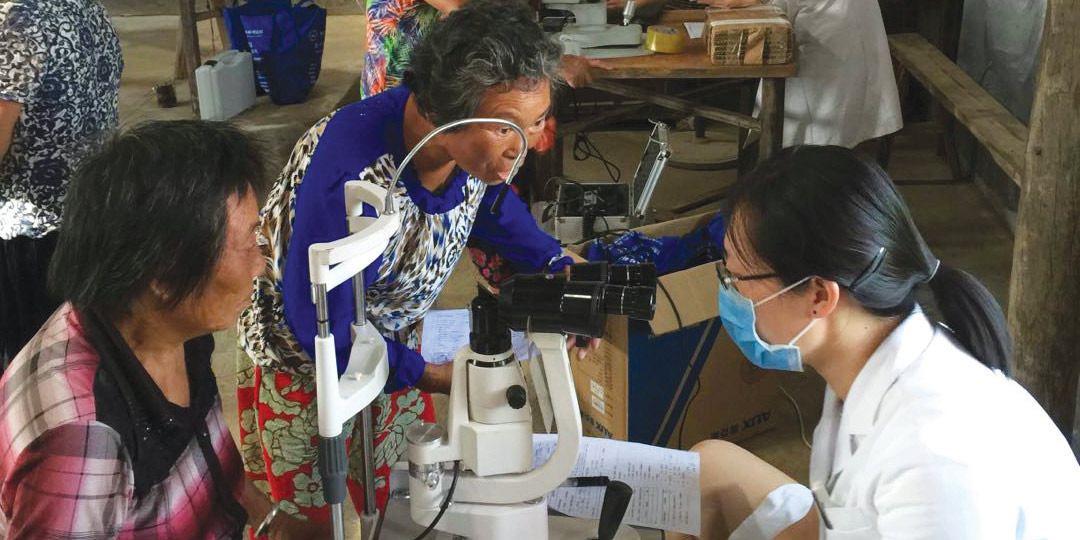
Eye exams being performed at a hospital in China.

Better eye screening

10/25/19 — Researchers from the RADAR Lab have developed algorithms that can help with the diagnosis of diabetic retinopathy — the most common cause of vision loss among people with diabetes — by detecting features in retinal images with better than 97% accuracy.

Roach-inspired robot

10/25/19 — Engineers have created an insect-sized robot that can move as fast as a cockroach and withstand the weight of the average human.
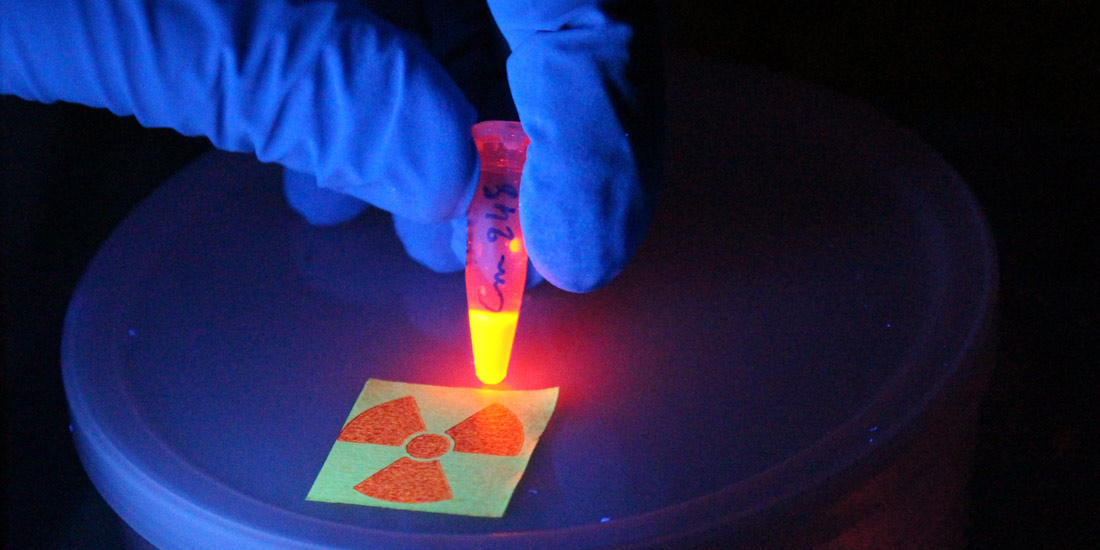
Glowing ions with potential use in redioactive decontamination

Separate ways

10/25/19 — Nuclear engineers have created a more efficient method for separating out contaminants from chemical elements known as actinides.
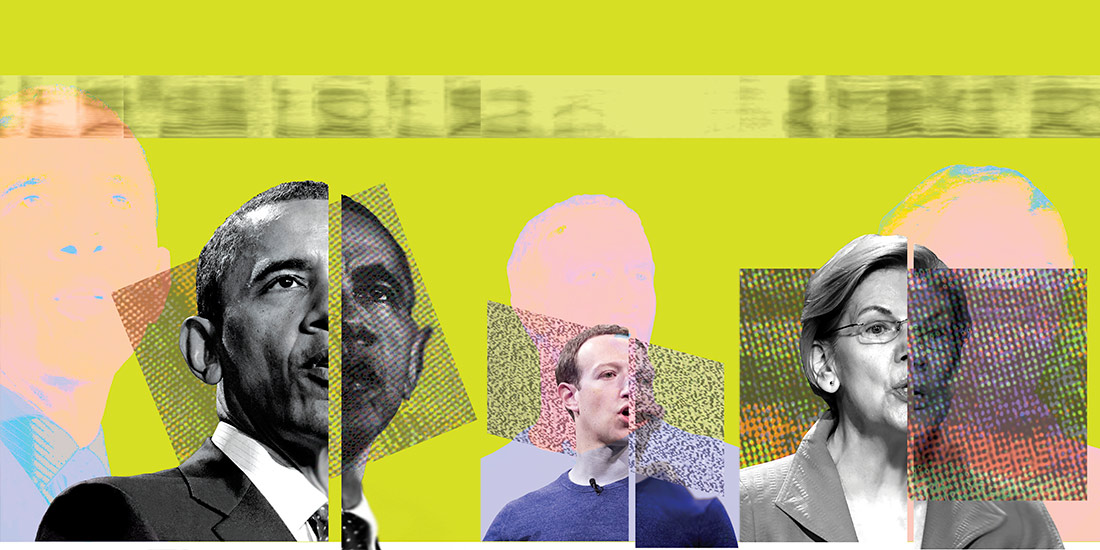
Photo illustration of Barack Obama, Mark Zuckerberg and Elizabeth Warren

Moments of untruth

10/25/19 — Computer science researchers are using groundbreaking machine learning technologies to expose deepfake videos, manipulated images and other types of digital deception.
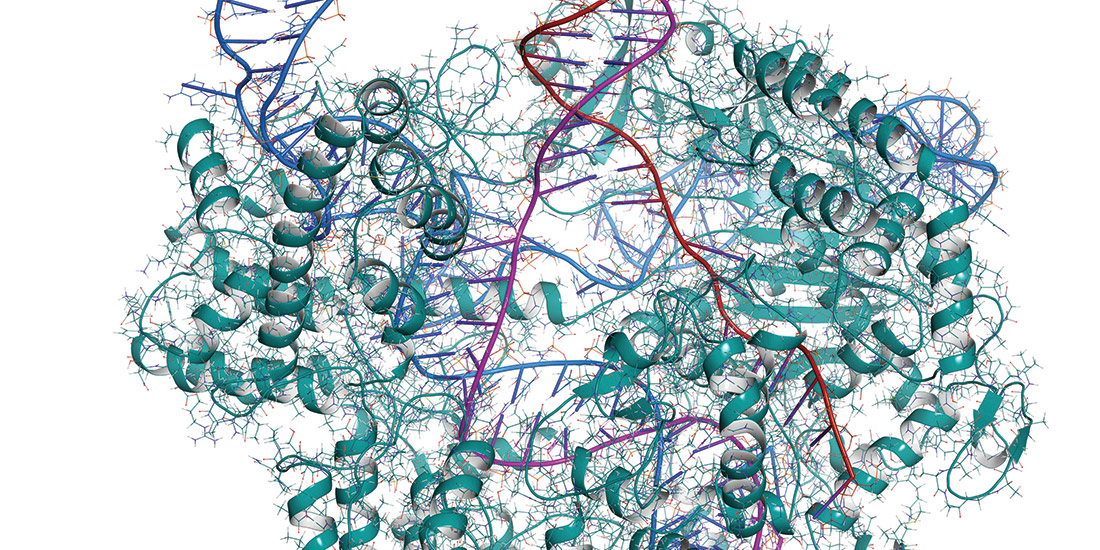
Illustration of ribbons and helix patterns

New frontiers in gene editing

10/25/19 — Berkeley bioengineers are developing new techniques and tools to advance CRISPR-Cas9 applications, which could have implications for nearly every genetic disease.
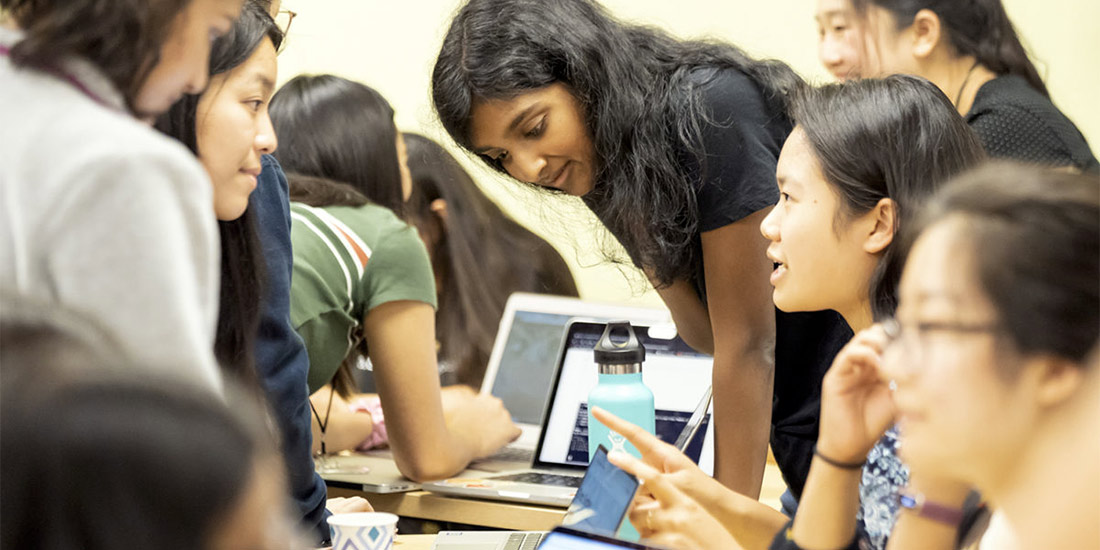
Dean Tsu-Jae King Liu greets students at a Berkeley Engineering community event.

Dean’s note: A heart for students in engineering

10/25/19 — Engineering Student Services plays a key role in the success and well-being of our students.

New & noteworthy

10/25/19 — Class notes and other updates about Berkeley Engineering alumni and faculty.
Two brain scans: One as normally seen by a radiologist, and one with hemorrhaging areas highlighted by AI technology

With AI, machines become expert at reading brain scans

10/22/19 — A computer algorithm developed by scientists at UCSF and UC Berkeley bested two out of four expert radiologists at finding tiny brain hemorrhages in head scans - an advance that one day may help doctors treat patients with traumatic brain injuries, strokes and aneurysms.
  • « Go to Previous Page
  • Go to page 1
  • Interim pages omitted …
  • Go to page 43
  • Go to page 44
  • Go to page 45
  • Go to page 46
  • Go to page 47
  • Interim pages omitted …
  • Go to page 145
  • Go to Next Page »
  • Contact
  • Give
  • Privacy
  • UC Berkeley
  • Accessibility
  • Nondiscrimination
  • instagram
  • X logo
  • linkedin
  • facebook
  • youtube
  • bluesky
© 2026 UC Regents