• Skip to main content
  • Skip to primary navigation
  • Departments
    • Bioengineering
    • Civil and Environmental Engineering
    • Electrical Engineering and Computer Sciences
    • Industrial Engineering and Operations Research
    • Materials Science and Engineering
    • Mechanical Engineering
    • Nuclear Engineering
    • Aerospace program
    • Engineering Science program
  • News
    • Berkeley Engineer magazine
    • Social media
    • News videos
    • News digest (email)
    • Press kit
  • Events
    • Events calendar
    • Commencement
    • Homecoming
    • Cal Day
    • Space reservations
    • View from the Top
    • Kuh Lecture Series
    • Minner Lecture
  • College directory
  • For staff & faculty
Berkeley Engineering

Berkeley Engineering

Educating leaders. Creating knowledge. Serving society.
  • About
    • Facts & figures
    • Rankings
    • Mission & values
    • Equity & inclusion
    • Voices of Berkeley Engineering
    • Leadership team
    • Milestones
    • Buildings & facilities
    • Maps
  • Admissions
    • Undergraduate admissions
    • Graduate admissions
    • New students
    • Visit
    • Maps
    • Admissions events
    • K-12 outreach
  • Academics
    • Undergraduate programs
    • Majors & minors
    • Undergraduate Guide
    • Graduate programs
    • Graduate Guide
    • Innovation & entrepreneurship
    • Kresge Engineering Library
    • International programs
    • Executive education
  • Students
    • New students
    • Advising & counseling
    • ESS programs
    • CAEE academic support
    • Grad student services
    • Student life
    • Wellness & inclusion
    • Undergraduate Guide
    • > Degree requirements
    • > Policies & procedures
    • Forms & petitions
    • Resources
  • Research & faculty
    • Centers & institutes
    • Undergrad research
    • Faculty
    • Sustainability and resiliency
  • Connect
    • Alumni
    • Industry
    • Give
    • Stay in touch
Home > News

AI & robotics

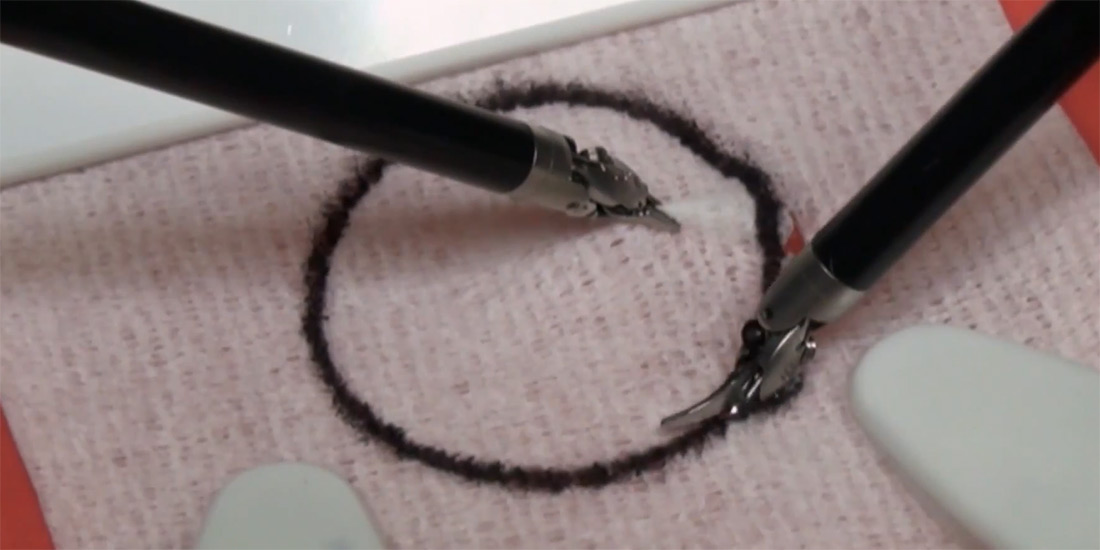
Autonomous surgical robot cutting circle out of gauze

New research center aims to develop second generation of surgical robots

10/24/14 New York Times — With funding from the National Science Foundation and two private donors, Berkeley Engineering scientists will establish a research center intended to help develop medical robots that can perform low-level and repetitive surgical tasks.
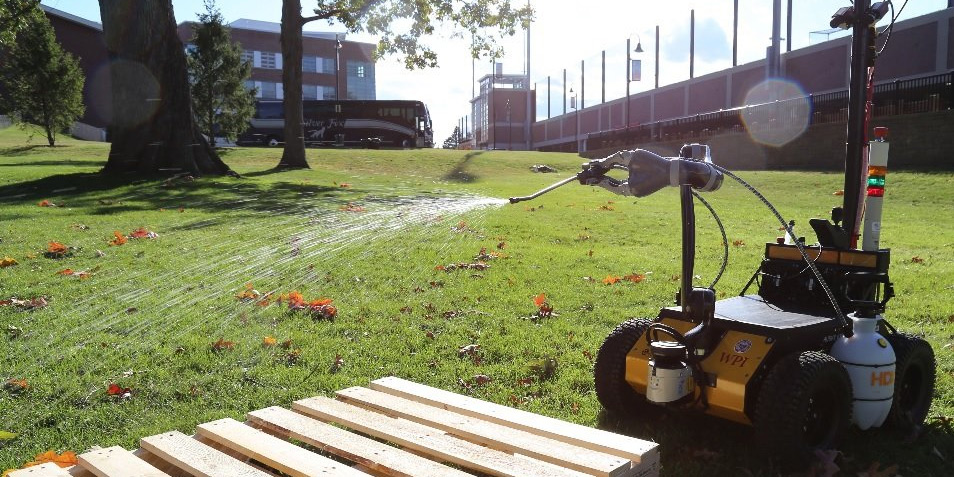
prototype robot developed by engineers at the Worcester Polytechnic Institute

Scientists consider repurposing robots for Ebola

10/23/14 New York Times — Robotics scientists, pondering the intriguing possibility of repurposing existing search-and-rescue robots to help contain the Ebola epidemic, are planning a nationwide series of brainstorming meetings, including one Nov. 7 at UC Berkeley.
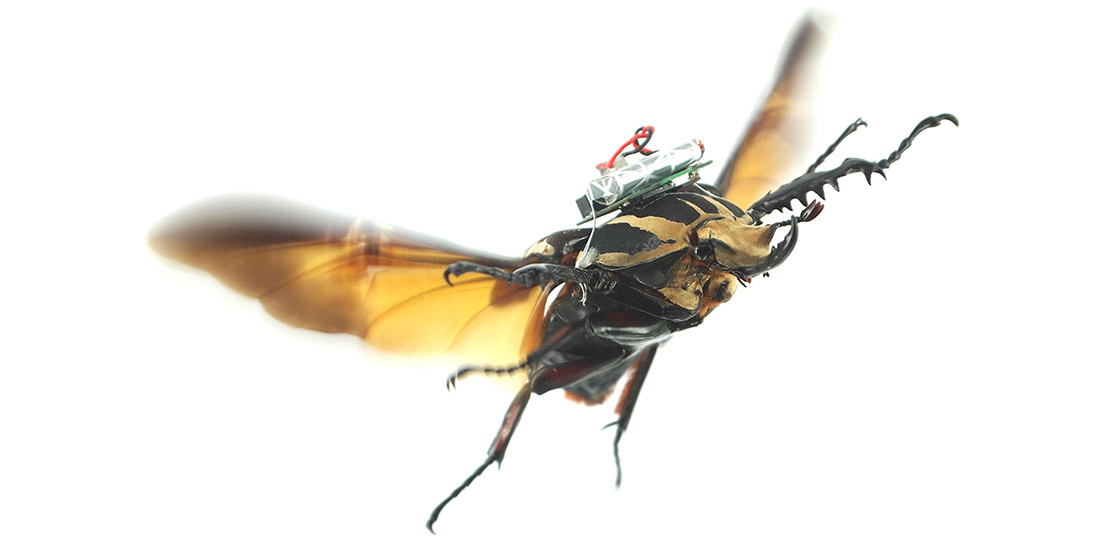
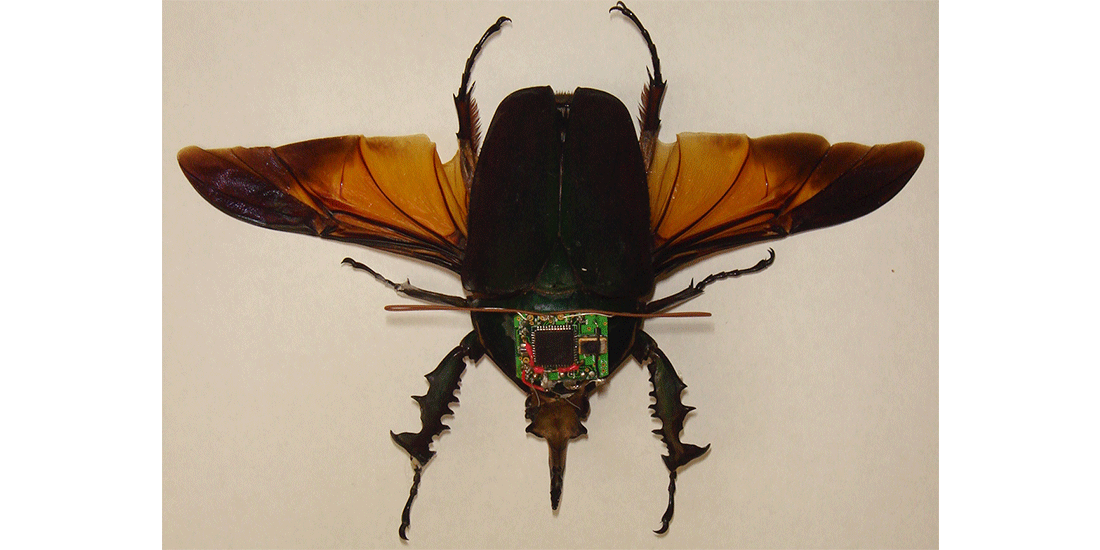
Beetle implanted with microcontroller

EECS researcher creates controllable flying insects using TI technology

09/12/14 Texas Instruments — EECS associate professor Michel Maharbiz spends his days studying the "beautiful systems" of the insect world, and applying that knowledge to building the tiniest of flying objects.
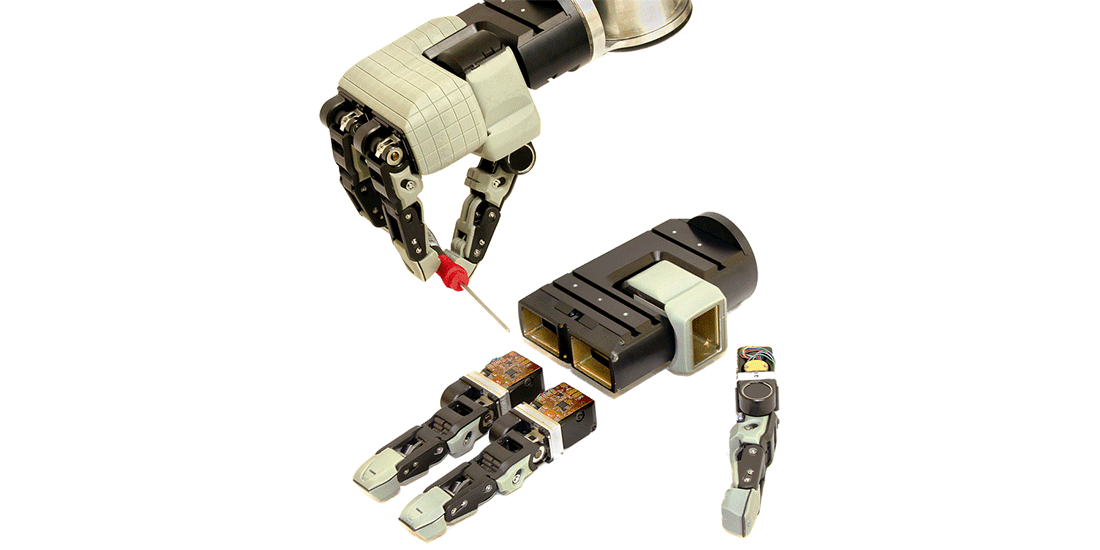
Robot hand performing a delicate task

Brainy, yes, but hardly handy

09/02/14 New York Times — Robots won't be able to take on many human roles until they acquire a delicate sense of touch, and that "takes time, and it's more complicated,” says Ken Goldberg, a roboticist and IEOR professor at Berkeley Engineering. “Humans are really good at this, and they have millions of years of evolution.”
Melissa and Lavanya Jawaharlal with their Pi-Bot

Engineering sisters and their bargain bots

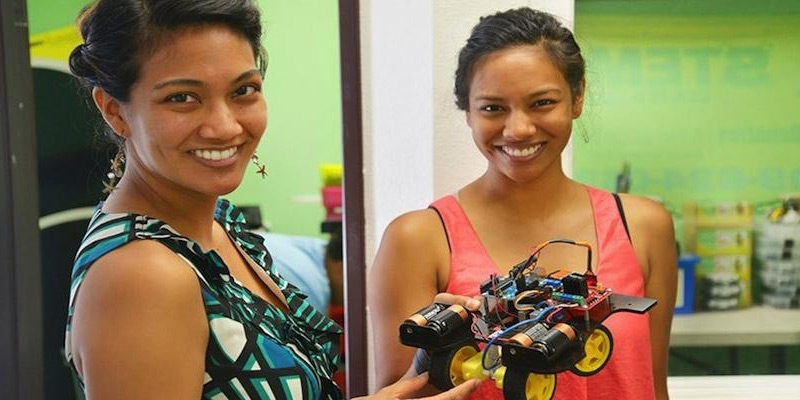
08/27/14 California magazine — Melissa and Lavanya (B.S.'15 ME) Jawaharlal created their affordable Pi-Bots and founded STEM Center USA to engage kids - especially girls - who otherwise might never discover their aptitude for science, technology, engineering and math.
Robotic and human hands

The 10 best universities for robotics in the U.S.

07/18/14 Business Insider — In a roundup of university robotics options from around the country, UC Berkeley lands at the top of the list, described as "an incredibly robust college for robotics that will likely meet your interests no matter what they are."
Main robot and small scout robot

Big to tiny robots on risky ground: You go first

06/13/14 Phys.org — Researchers at Berkeley Engineering's Biomimetic Millisystems Lab and ETH Zurich have suggested an approach for protecting expensive components in big robots when on difficult terrain: Send in little, inexpensively made robots ahead of them as scouts.
Cartoon of robot servant

So, where are my robot servants?

05/29/14 IEEE Spectrum — Four years after Berkeley engineers' video of a towel-folding robot went viral, IEEE Spectrum ponders what it will take to develop robots that can become true helpers and companions in people's homes. Berkeley roboticist Ken Goldberg says he doubts that ever-smarter machines will replace human contact, “but people aren't always available.”
Johnny Depp in Transcendence

Science Goes to the Movies: ‘Transcendence’

05/12/14 National Public Radio — In a conversation with NPR's Science Friday, EECS professor Stuart Russell explains what it would take to “upload” a mind to the Internet, and what is really worrisome about strong artificial intelligence.

Art imitates academia

05/01/14 — EECS professors Jose Carmena and Michel Maharbiz served as technical consultants to Transcendence film director Wally Pfister and answered questions about the film at a campus screening.
Pi-bot diagram

Bot on a budget

05/01/14 — Lavanya Jawaharlal, with her sister Melissa, co-founded STEM Center USA and developed the affordable Pi-Bot robot kit to increase access to science, technology, engineering and math fields.
Johnny Depp in Transcendence

Neuroengineers bring science cred, Berkeley feel to ‘Transcendence’ film

04/18/14 — When Hollywood knocked on the doors of UC Berkeley engineering professors Michel Maharbiz and Jose Carmena, the researchers answered. Director Wally Pfister tapped the researchers' expertise in neural engineering and brain-machine interfaces during the filming of his movie, “Transcendence.”
Cat whiskers

What if robots had whiskers?

01/21/14 Berkeley Lab — Researchers with Berkeley Lab and Berkeley Engineering have created e-whiskers – highly sensitive tactile sensors made from carbon nanotubes and silver nanoparticles that should have a wide range of applications including advanced robotics, human-machine interfaces, and biological and environmental sensors.

Dreams of the world: Flight simulation of robotic birds

12/18/13 National Geographic — Cameron Rose, an EECS grad student whose research focuses on flapping-winged robots in flight, dreams of one day helping the field of robotics achieve "something even close to the level of maneuverability and control that animals possess," he told National Geographic. "I also dream to use my knowledge and passion for robotics to encourage other African American students to pursue similar paths."

Berkeley Engineering team builds lamp robot at hackathon

09/09/13 Daily Pennsylvanian — A reporter for the Daily Pennsylvanian student newspaper shadows four Berkeley Engineering students as they try repeat the Berkeley team's 2012 victory at the PennApps Hackathon, the largest such student-run event in the country.

Foundry@CITRIS startup aims to get out the (robotic) bugs

09/06/13 TC — Dash Robotics, one of the first projects to come through the Foundry@CITRIS, has created a low-cost “origami” robot that runs fast on six legs, weighs half an ounce, is controlled with a smartphone and can easily be built at home.

Berkeley’s little legged robots grow wings and tails

06/05/13 IEEE Spectrum — Berkeley Engineering students have been exploring what you can do when you give ground robots bio-inspired accessories, and they've got some little legged robots doing cool new stuff thanks to the addition of wings and tails.

‘Sprawl-Tuned’ insect bot skitters all over the place

02/22/13 IEEE Spectrum — Berkeley's Biomimetic Millisystems Lab has posted a video of a new, six-legged robot called STAR, for Sprawl-Tuned Autonomous Robot. The tiny mechanism can adapt its limbs to scramble over and under obstacles and run along smooth and rough surfaces.

Fastest-turning robot from EECS lab uses tail to take corners

01/29/13 New Scientist — A tail-swinging robot, developed by Nick Kohut and colleagues in Ron Fearing's Biomimetic Millisystems Lab, can turn precisely without slowing down, allowing it to corner more rapidly than any other legged robot to date. This video from New Scientist TV shows it in action.

Flexing fingers for micro-robotics

12/19/12 Berkeley Lab — Researchers with Lawrence Berkeley National Laboratory and Berkeley Engineering have developed an elegant and powerful new microscale actuator that can flex like a tiny beckoning finger in response to a small temperature variation
  • « Go to Previous Page
  • Go to page 1
  • Interim pages omitted …
  • Go to page 14
  • Go to page 15
  • Go to page 16
  • Go to page 17
  • Go to Next Page »
  • Contact
  • Give
  • Privacy
  • UC Berkeley
  • Accessibility
  • Nondiscrimination
  • instagram
  • X logo
  • linkedin
  • facebook
  • youtube
  • bluesky
© 2026 UC Regents