• Skip to main content
  • Skip to primary navigation
  • Departments
    • Bioengineering
    • Civil and Environmental Engineering
    • Electrical Engineering and Computer Sciences
    • Industrial Engineering and Operations Research
    • Materials Science and Engineering
    • Mechanical Engineering
    • Nuclear Engineering
    • Aerospace program
    • Engineering Science program
  • News
    • Berkeley Engineer magazine
    • Social media
    • News videos
    • News digest (email)
    • Brand & Press kit
  • Events
    • Cal Day
    • Commencement
    • Events calendar
    • Engineering Ethics workshop
    • Homecoming
    • Kuh Lecture Series
    • Minner Lecture
    • Space reservations
    • View from the Top
  • College directory
  • For staff & faculty
Berkeley Engineering

Berkeley Engineering

Educating leaders. Creating knowledge. Serving society.

  • About
    • Facts & figures
    • Rankings
    • Mission & values
    • Equity & inclusion
    • Voices of Berkeley Engineering
    • Leadership team
    • Milestones
    • Buildings & facilities
    • Maps
  • Admissions
    • Undergraduate admissions
    • Graduate admissions
    • New students
    • Visit
    • Maps
    • Admissions events
    • K-12 outreach
  • Academics
    • Undergraduate programs
    • Majors & minors
    • Undergraduate Guide
    • Graduate programs
    • Graduate Guide
    • Innovation & entrepreneurship
    • Kresge Engineering Library
    • International programs
    • Executive education
  • Students
    • New students
    • Advising & counseling
    • ESS programs
    • CAEE academic support
    • Grad student services
    • Student life
    • Wellness & inclusion
    • Undergraduate Guide
    • > Degree requirements
    • > Policies & procedures
    • Forms & petitions
    • Resources
  • Research & faculty
    • Centers & institutes
    • Undergrad research
    • Faculty
    • Sustainability and resiliency
  • Connect
    • Alumni
    • Industry
    • Give
    • Stay in touch
Home > News

Research

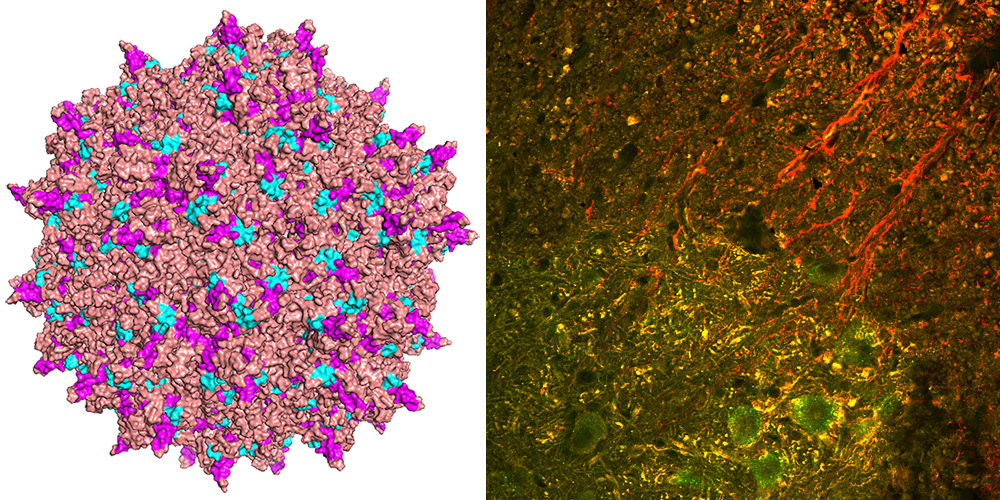
Diagram of an adeno-associated virus, and cross-section photo of mouse spinal cord tissue showing cells in which the CRISPR-Cas9 gene has been expressed

First step toward CRISPR cure of Lou Gehrig’s disease

12/20/17 — Berkeley scientists led by Davis Shaffer, professor of chemical and biomolecular engineering and bioengineering, have for the first time used CRISPR-Cas9 gene editing to disable a defective gene that causes amyotrophic lateral sclerosis in mice, extending their lifespan by 25 percent.
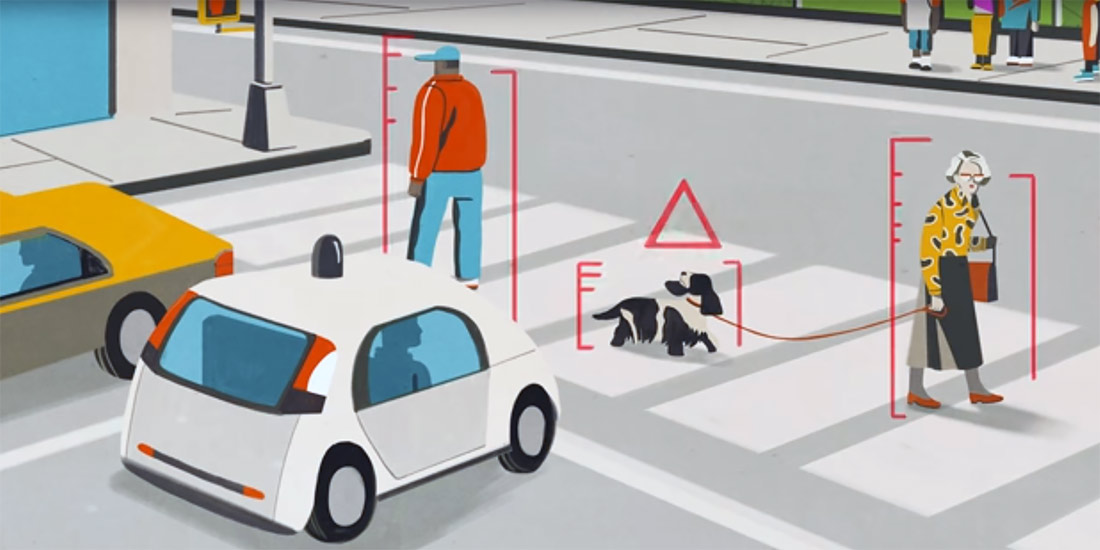
Illustration of autonomous vehicle situation on city street

Are we going too fast on driverless cars?

12/15/17 Science — Automakers, high-tech companies and politicians are solidly behind self-driving cars and trucks as a sure path to a better, more mobile society. But research on the social, economic and environmental effects of autonomous vehicles is sparse - something Berkeley transportation engineers are seeking to remedy.
Randy Katz

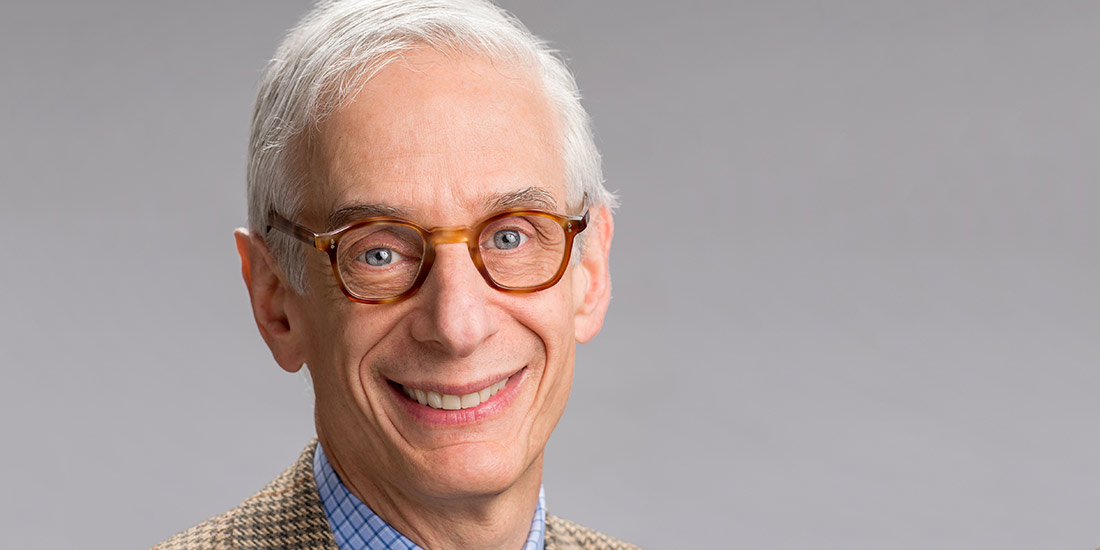
Computer scientist Randy Katz named vice chancellor for research

12/06/17 — EECS professor Randy Katz, who helped develop many of the wireless tools and fast, reliable computer storage we take for granted today, has been appointed vice chancellor for research at Berkeley, effective Jan. 1, 2018.
The robot Vestri plays with objects to learn how to complete a task.

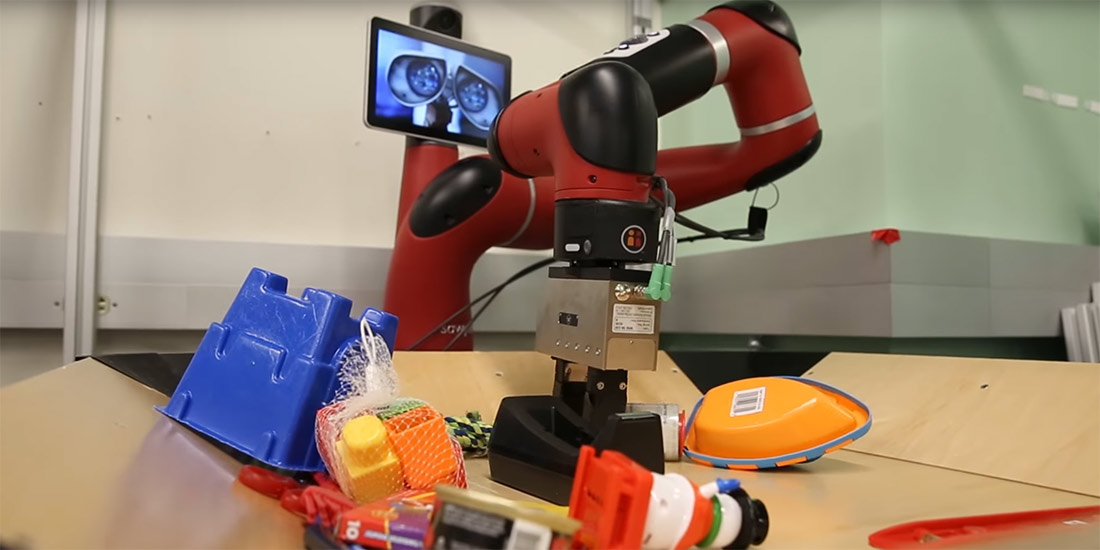
New robots can see into the future

12/06/17 — Berkeley researchers, led by EECS assistant professor Sergey Levine, have developed a learning technology that enables robots to imagine the future of their actions so they can figure out how to manipulate objects they have never encountered before.
Chelsea Finn, Sergey levine and Pieter Abbeel working on a robot that uses deep learning software.

Building AI that can build AI

11/06/17 New York Times — As the tech industry hunts for new ways to quicken the development of artificially intelligent machines, Berkeley researchers are focusing on machine-learning algorithms that will help robots learn new tasks based on things they've learned before. "Computers are going to invent the algorithms for us, essentially," says EECS professor Pieter Abbeel.
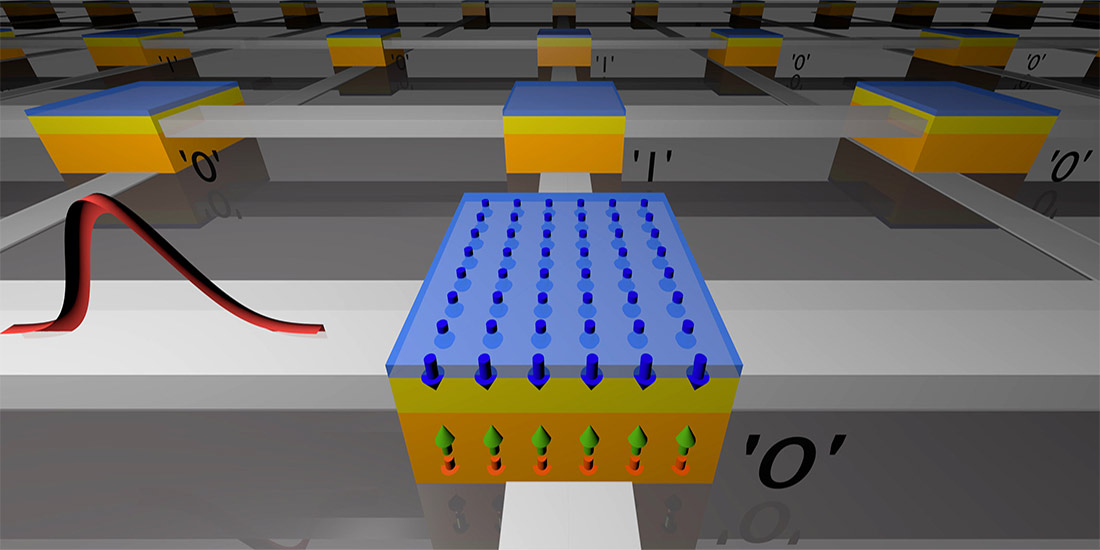
schematic of a magnetic memory array

Ultrafast magnetic reversal points the way toward speedy, low-power computer memory

11/03/17 — Researchers at UC Berkeley and UC Riverside have developed a new, ultrafast method for electrically controlling magnetism in certain metals, a breakthrough that could lead to speedier, more energy-efficient computer memory.
Gerbrand Ceder

Major progress in realizing new type of lithium cathode

11/02/17 Berkeley Lab — A team of Berkeley Lab scientists led by Gerbrand Ceder, professor of materials science and engineering, have reported major progress toward making lithium battery cathodes with so-called “disordered” materials.
Pieter Abbeel in front of robot image

Case studies in forward thinking

11/01/17 — Nine Berkeley Engineering faculty members share some of their forward-looking work and how it might impact what's to come.

Shoestring theory

11/01/17 — Ever wonder why shoelaces come untied? Well, wonder no longer.
Comparing potential solar fuel materials

Materials genome to solar fuels

11/01/17 — Berkeley Lab's Materials Project was deployed with great success in an effort to find new materials that hold promise for capturing more of the sun's energy.
Big data photo illustration

NSF awards support Berkeley data science institute, national workshops

10/27/17 — The UC Berkeley Institute for Data Science and its partners have received one award from the National Science Foundation to deepen the theoretical foundations of data science in a new transdisciplinary institute, and another to strengthen educational strategies through national workshops.
RISElab

Berkeley experts on how to build more secure, faster AI systems

10/16/17 — In a new report from Berkeley's Real-Time Intelligent Secure Execution Lab (RISELab), leading researchers outline challenges in systems, security and architecture that may impede the progress of artificial intelligence, and propose new research directions to address them.
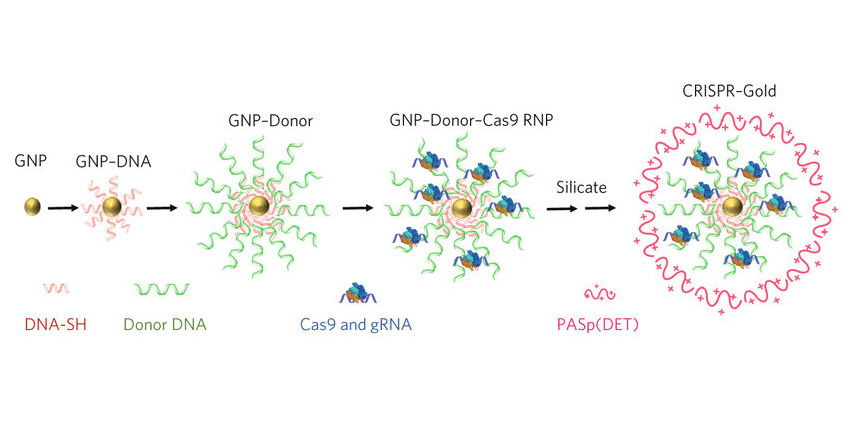
Diagram of CRISPR–Gold nanoparticle delivery

CRISPR-Gold fixes Duchenne muscular dystrophy mutation in mice

10/03/17 — Berkeley bioengineers have developed a new non-viral way to deliver CRISPR-Cas9 gene-editing technology inside cells. Researchers in the labs of professors Niren Murthy and Irina Conboy have demonstrated in mice that the technique can repair the mutation that causes Duchenne muscular dystrophy, a severe muscle-wasting disease.
Lotfi Zadeh and old TV screen reading "What

Golden Goose Award for fuzzy logic’s clear impact

09/29/17 AAAS — The late EECS professor Lotfi Zadeh's 1965 concept of "fuzzy sets" has received a 2017 Golden Goose Award, bestowed by group of science societies to honor seemingly obscure, federally-funded research that had led to major breakthroughs.
Video of shoelace coming untied

Knotty circumstance: How that shoelace study went viral

09/25/17 California magazine — The study that would become a media sensation started innocently enough, when a 4-year-old naively asked her father (mechanical engineering professor Oliver O'Reilly), “Why do shoelaces come untied?”
Jeff Mahler and Ken Goldberg working with their gripping robot in the AutoLab

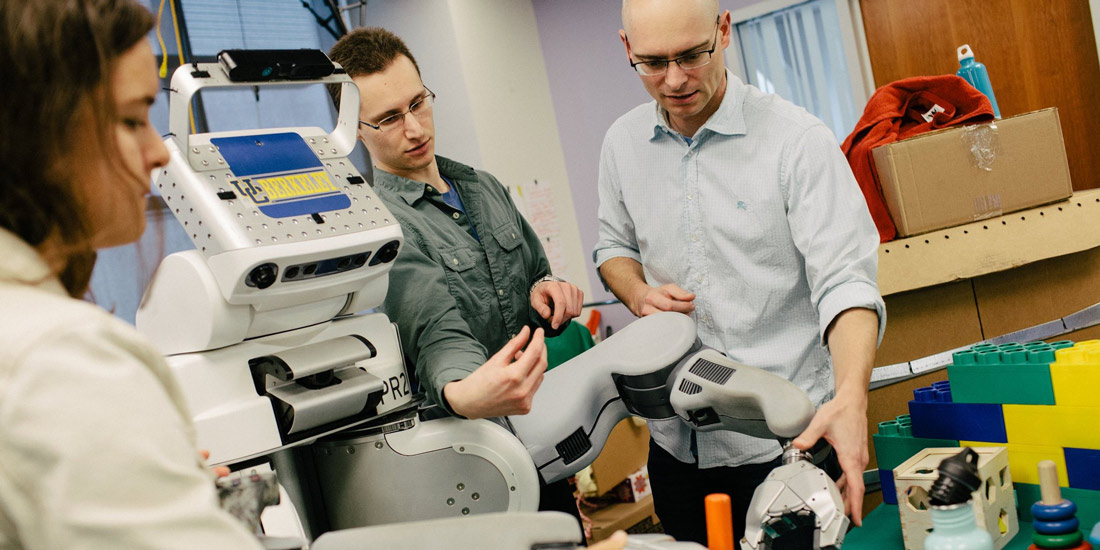
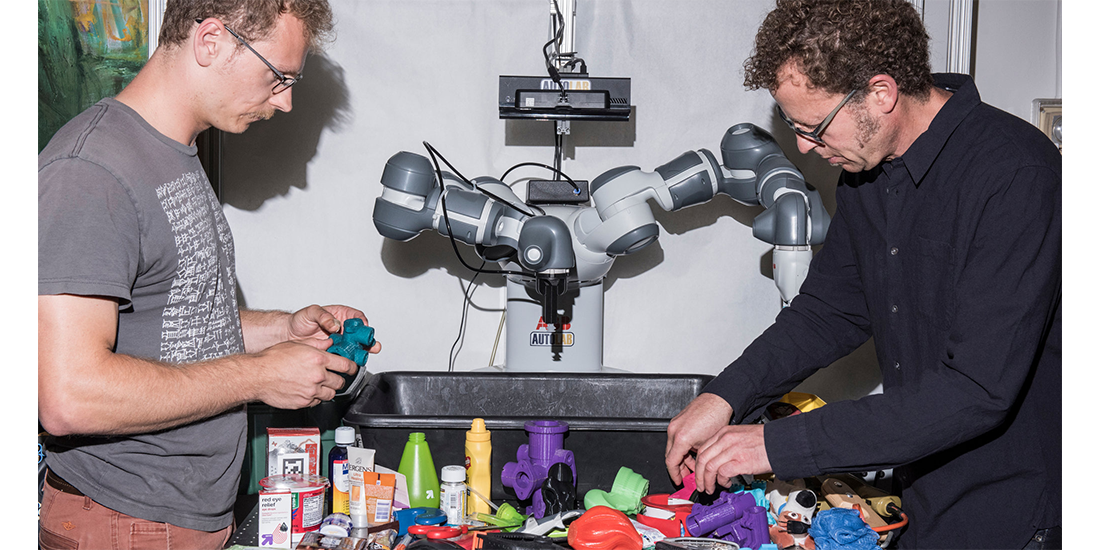
In the future, warehouse robots will learn on their own

09/12/17 New York Times — Robotics researchers in Berkeley Engineering's AUTOLAB are using neural networks and machine learning to teach robots to grab things they have never encountered before - a remarkable achievement that could drive significant changes for some of the world's biggest businesses.
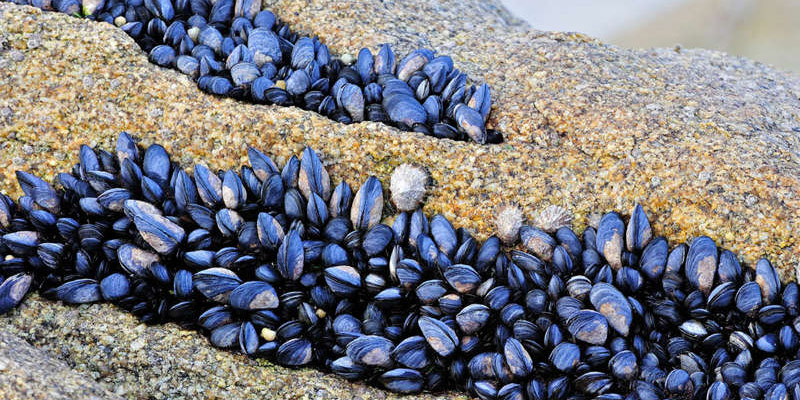
Mussels clinging to a rock

Glue inspired by mussels could save lives

08/23/17 Food & Wine — Mussels may do a lot more for us than just offering a delicious vehicle for butter and garlic. UC Berkeley scientists are now studying the way mussels stick to slippery rocks to make prenatal surgery a much safer option.
Anca Dragan

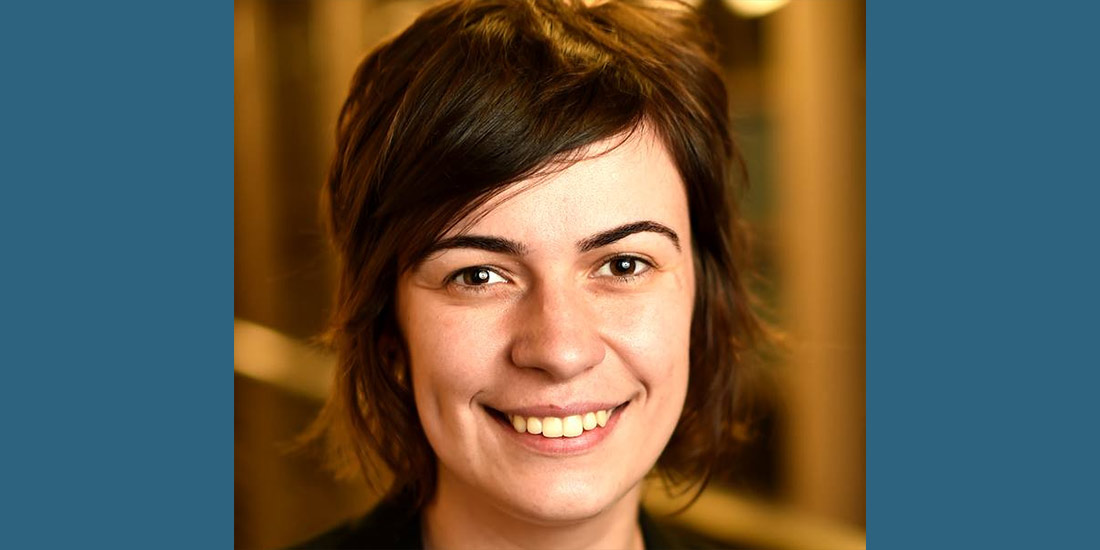
Ensuring that robots and humans work and play well together

08/17/17 MIT Tech Review — EECS assistant professor Anca Dragan is working to distill complicated or vague human behavior into simple mathematical models that robots can understand. Her visionary work has landed her a spot on MIT Tech Review's 35 Innovators Under 35 list.
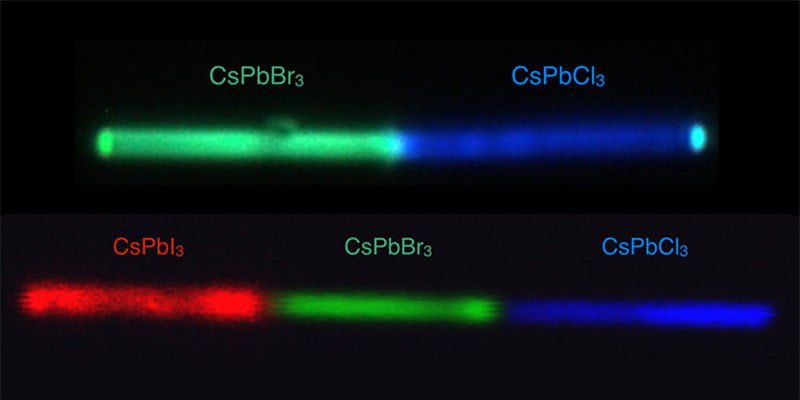
Single nanowires shown emitting different colors.

‘Soft’ semiconductors could transform HD displays

06/29/17 Berkeley Lab — A class of semiconductors called halide perovskites could usher in new generation of optoelectronic devices, according to Berkeley Lab scientists led by materials science and engineering professor Peidong Yang.
Chengzhi Shi checks the connections between the transducer array and the digital circuit.

High-speed communications for the deep sea?

06/29/17 Berkeley Lab — A new approach to sending acoustic waves through water could open up the world of high-speed communications to activities underwater (including scuba diving, remote ocean monitoring and deep-sea exploration), according to research led by mechanical engineering professor Xiang Zhang.
  • « Go to Previous Page
  • Go to page 1
  • Interim pages omitted …
  • Go to page 17
  • Go to page 18
  • Go to page 19
  • Go to page 20
  • Go to page 21
  • Interim pages omitted …
  • Go to page 35
  • Go to Next Page »
  • Contact
  • Give
  • Privacy
  • UC Berkeley
  • Accessibility
  • Nondiscrimination
  • instagram
  • X logo
  • linkedin
  • facebook
  • youtube
  • bluesky
© 2026 UC Regents