11/01/16 — The College of Engineering and Haas School of Business launch the Management, Entrepreneurship, & Technology double-degree undergraduate program.
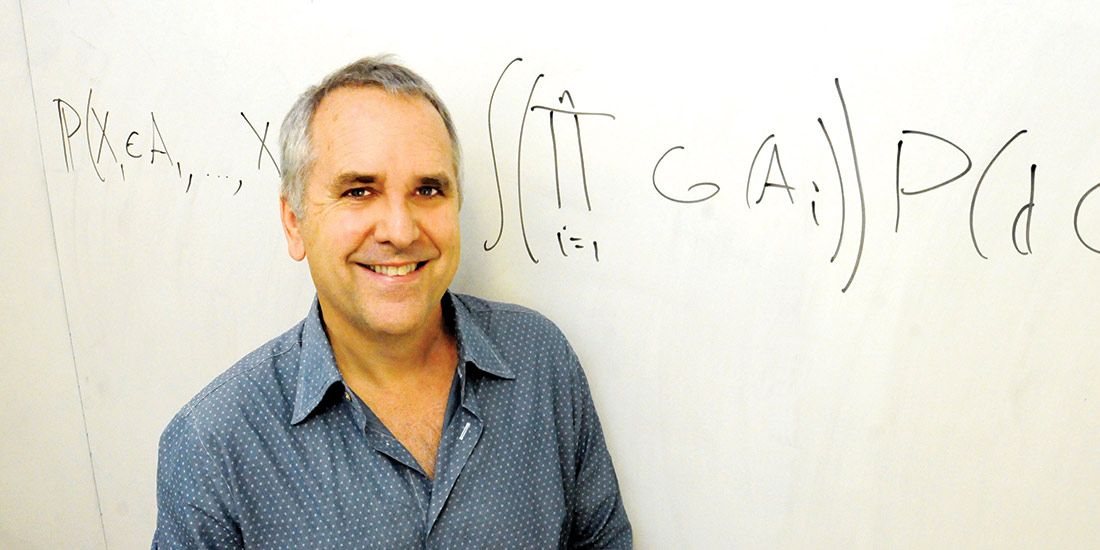
11/01/16 — An April article in the magazine Science identifies Berkeley computer science professor Michael Jordan as the world's most influential computer scientist.
11/01/16 — Scientists have created a dust-sized ultrasound sensor that can be placed in the human body to monitor nerves, muscles, or even organs and potentially lead to new treatments for epilepsy or immune system disorders.
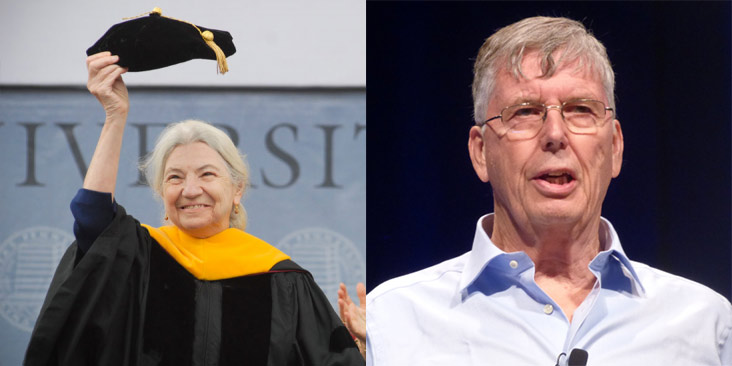
11/01/16 — A companion to Tech Review's annual 35 Innovators Under 35 list features a list of seven innovators over 70. The new list includes electrical engineering and computer sciences (EECS) professor Ruzena Bajcsy and professor emeritus Michael Stonebraker, now at MIT.
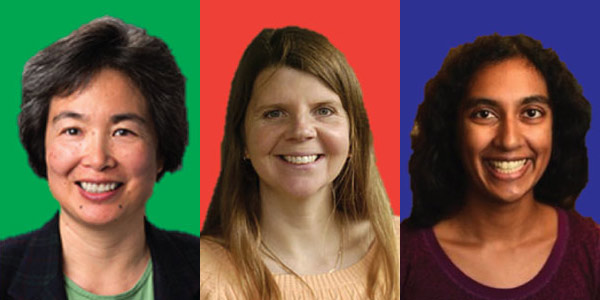
09/29/16 CITRIS — EECS professors Tsu-Jae King Liu and Claire Tomlin, and alumna Vidya Ganapati (M.S.'12, Ph.D.'15), are among the inaugural winners of the CITRIS Athena Awards, recognizing the accomplishments of technology leaders and organizations fostering interest in computer science for the next generation of women and girls.
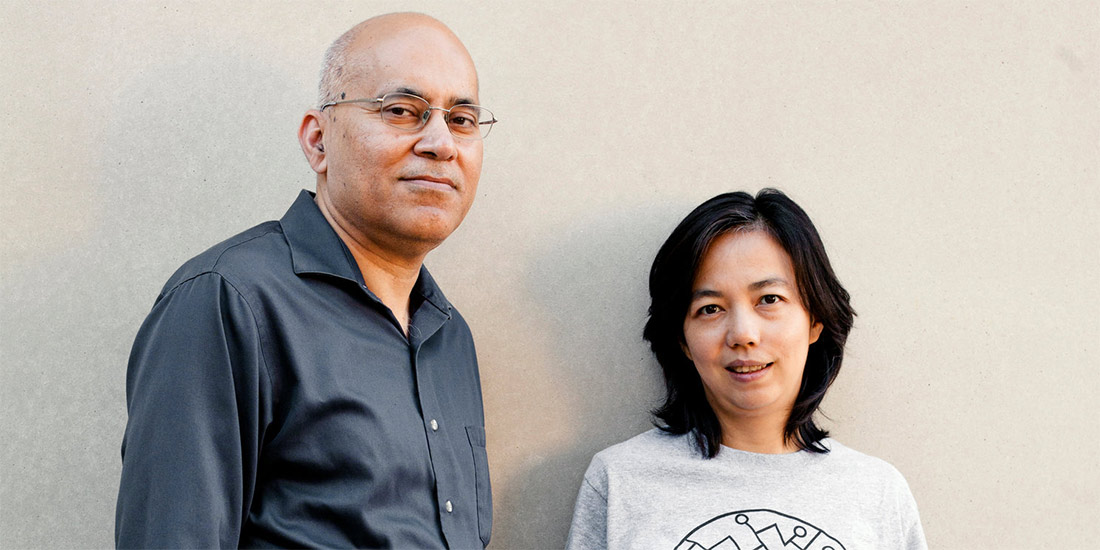
09/21/16 New York Times — EECS department chair Jitendra Malik, a researcher in computer vision for three decades, doesn't own a Tesla, but he has advice for people who do. “Knowing what I know about computer vision,” he said, “I wouldn't take my hands off the steering wheel.”
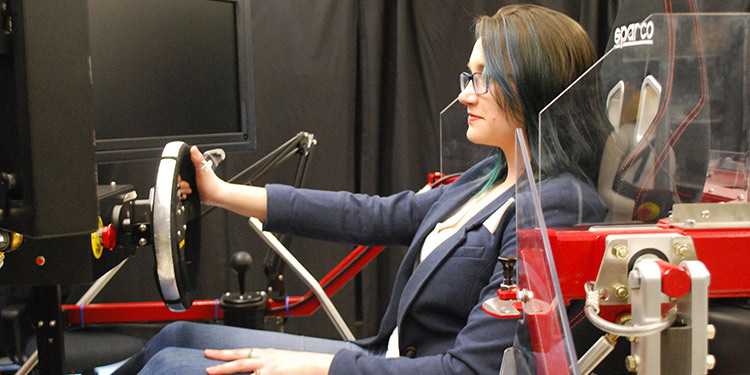
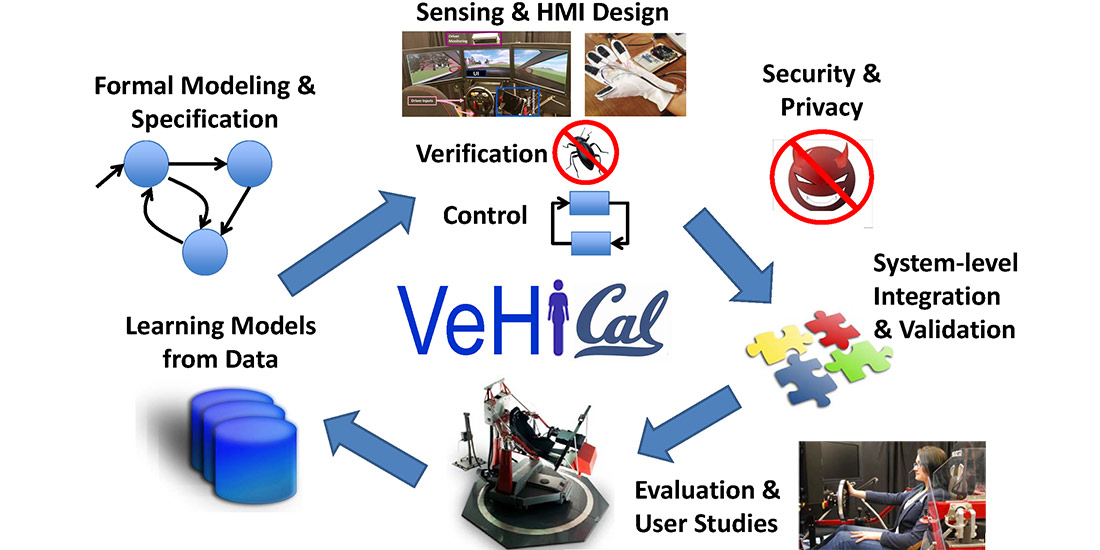
09/08/16 — As companies contemplate deploying self-driving cars, trucks and delivery drones, Berkeley engineers are embarking on a major project to improve how they interact with humans.
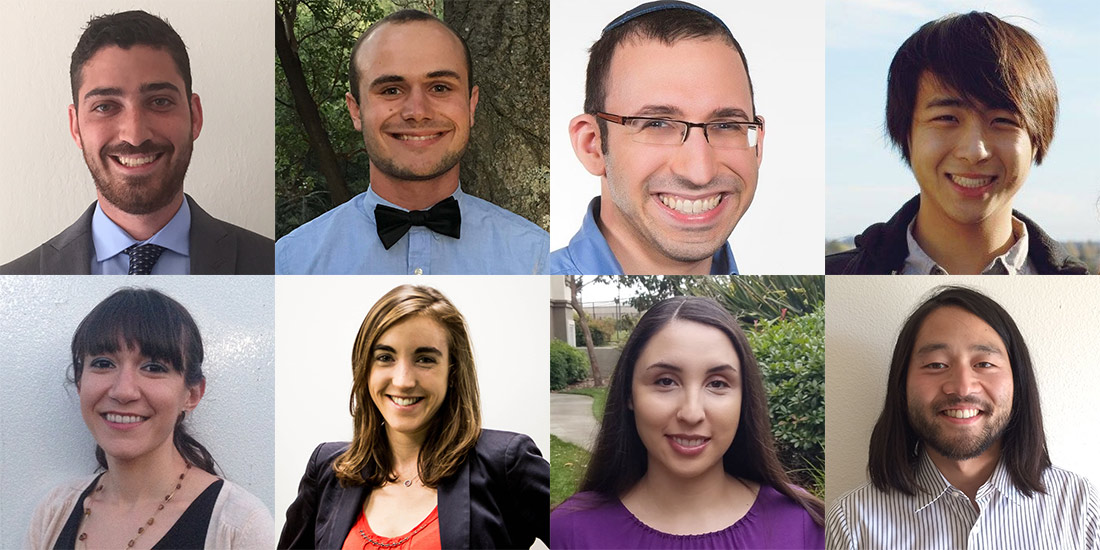
09/06/16 National Science Foundation — The NSF on Tuesday awarded $4.6 million to VeHICaL (Verified Human Interfaces, Control, and Learning for Semi-Autonomous Systems), a project led by by EECS professor Sanjit Seshia that seeks to "impact the way humans collaborate and interact with automation." Researchers include EECS professors Ruzena Bajcsy, Shankar Sastry, Bjoern Hartmann, Claire Tomlin, and Tom Griffiths.
08/29/16 — Berkeley artificial intelligence expert Stuart Russell will lead a new Center for Human-Compatible Artificial Intelligence, launched this week. The primary focus of the multi-university center is to ensure that AI systems are beneficial to humans.
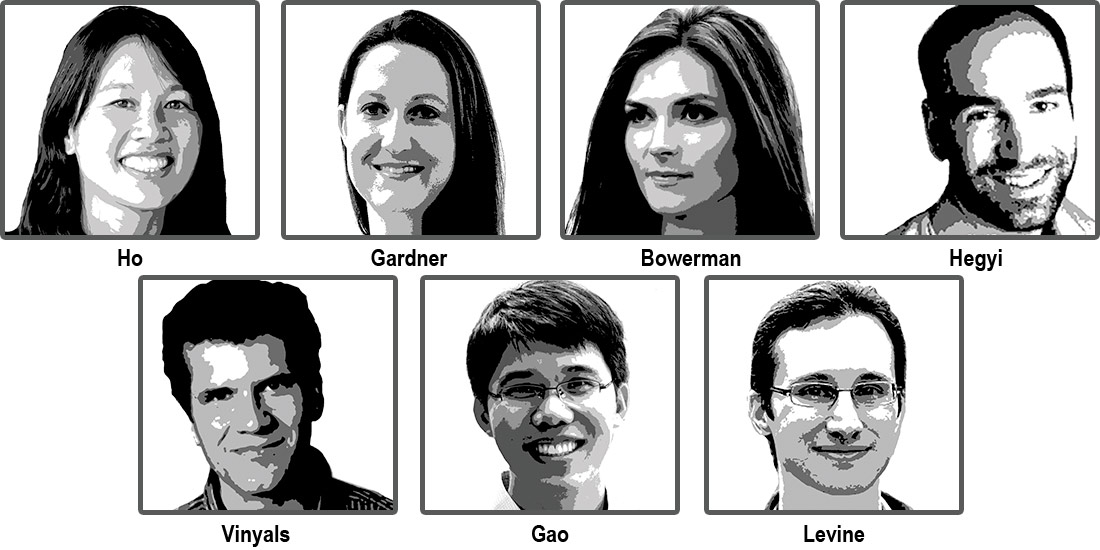
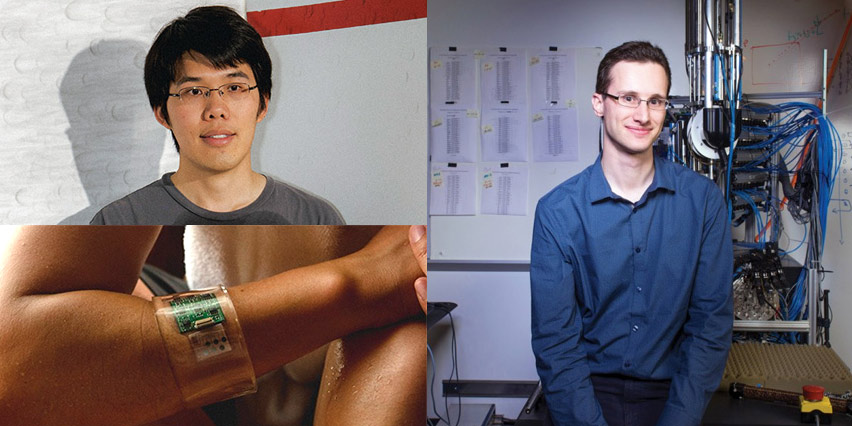
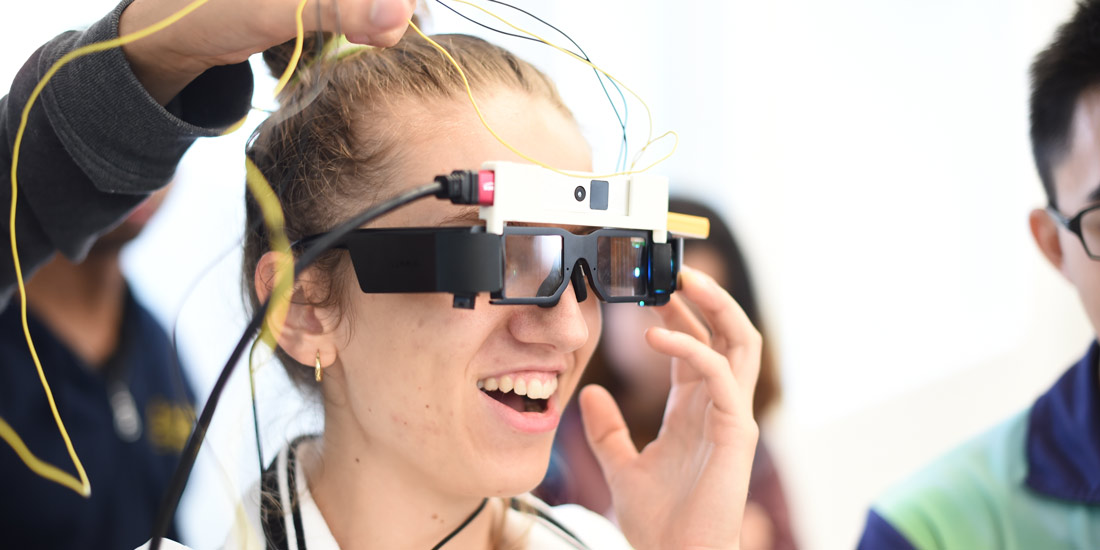
08/23/16 — Wei Gao, an EECS postdoc developing wearable sweat sensors to monitor health, and EECS assistant professor Sergey Levine, who helped pioneer “deep learning” for robots, are among seven Berkeley engineers on this year's list of top innovators under 35, compiled by MIT Technology Review.
08/23/16 MIT Technology Review — A companion to Tech Review's annual 35 Innovators Under 35 list features seven innovators older than 70, including EECS professor Ruzena Bajcsy and EECS professor emeritus Michael Stonebraker, now at MIT.
08/23/16 — The M.E.T. Program, our exciting new partnership with the Haas School of Business, will guide students to earn two full B.S. degrees - one in engineering, one in business.
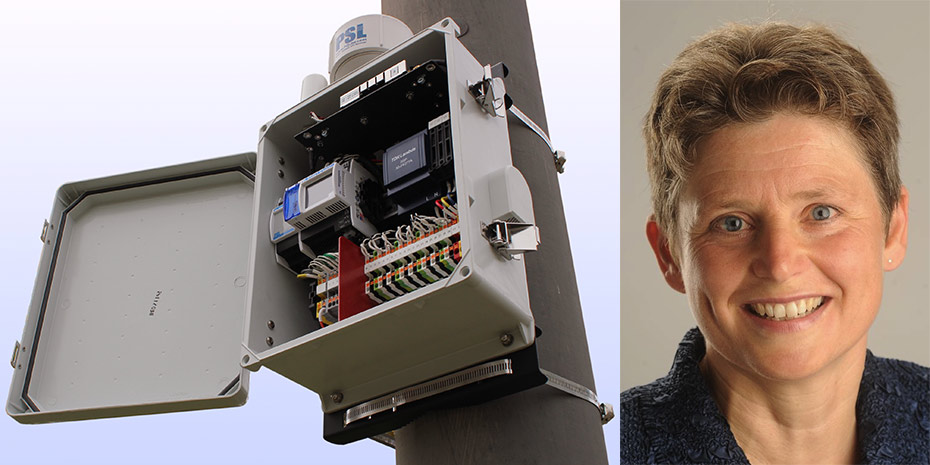
08/10/16 IEEE Spectrum — EECS professor Alexandra von Meier and power quality expert Alex McEachern set out to build an advanced power sensor for utility distribution grids, and accidentally produced a promising tool to protect those grids from cyber attack.
08/09/16 Little Atoms — Bell Labs, a trailblazer of scientific innovation, was also a playground for some of the leading avant-garde artists of the 1960s and '70s, thanks to an artist-engineer collective forged by Berkeley professor Billy Klüver (M.S.'55, Ph.D.'57 EECS).
08/04/16 — Tiny, implantable wireless sensors have been developed by a team led by EECS professors Michel Maharbiz and Jose Carmena. The dust-sized prototypes could stimulate and monitor internal nerves, muscles and organs, as well as introduce the possibility of "electroceuticals" to be used in a wide variety of treatments.
08/01/16 — The Management, Entrepreneurship, & Technology Program, a new undergraduate offering that integrates the study of engineering and business, is designed to give students a seamless understanding of technology innovation, preparing future leaders who will create real-world impact.
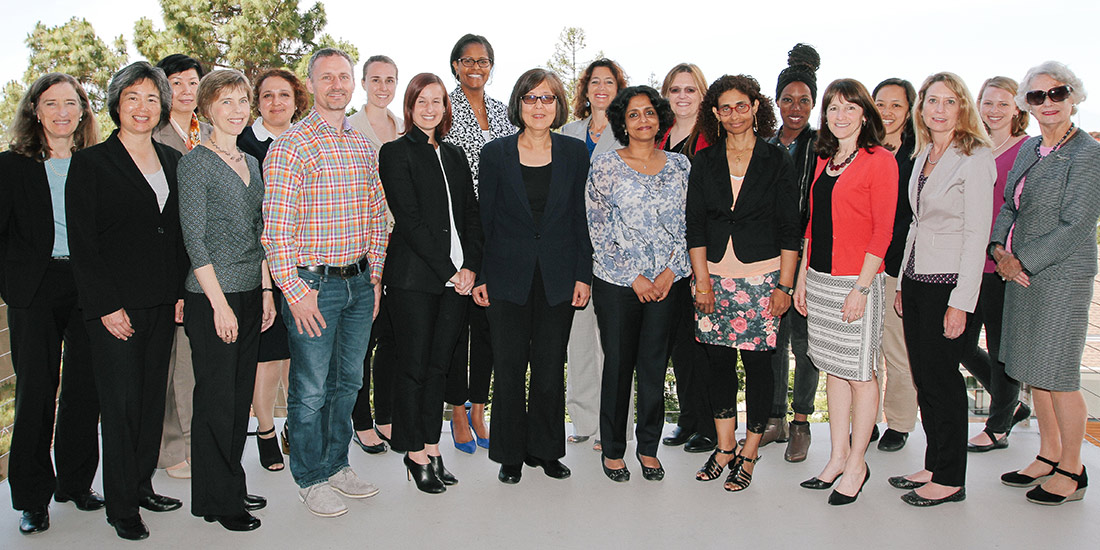
07/22/16 Medium — Facing the dearth of women in senior positions in the field, the Women in Technology Leadership Round Table encourages participants to measure what they want to change, and to be bold.