• Skip to main content
  • Skip to primary navigation
  • Departments
    • Bioengineering
    • Civil and Environmental Engineering
    • Electrical Engineering and Computer Sciences
    • Industrial Engineering and Operations Research
    • Materials Science and Engineering
    • Mechanical Engineering
    • Nuclear Engineering
    • Aerospace program
    • Engineering Science program
  • News
    • Berkeley Engineer magazine
    • Social media
    • News videos
    • News digest (email)
    • Press kit
  • Events
    • Events calendar
    • Commencement
    • Homecoming
    • Cal Day
    • Space reservations
    • View from the Top
    • Kuh Lecture Series
    • Minner Lecture
  • College directory
  • For staff & faculty
Berkeley Engineering

Berkeley Engineering

Educating leaders. Creating knowledge. Serving society.

  • About
    • Facts & figures
    • Rankings
    • Mission & values
    • Equity & inclusion
    • Voices of Berkeley Engineering
    • Leadership team
    • Milestones
    • Buildings & facilities
    • Maps
  • Admissions
    • Undergraduate admissions
    • Graduate admissions
    • New students
    • Visit
    • Maps
    • Admissions events
    • K-12 outreach
  • Academics
    • Undergraduate programs
    • Majors & minors
    • Undergraduate Guide
    • Graduate programs
    • Graduate Guide
    • Innovation & entrepreneurship
    • Kresge Engineering Library
    • International programs
    • Executive education
  • Students
    • New students
    • Advising & counseling
    • ESS programs
    • CAEE academic support
    • Grad student services
    • Student life
    • Wellness & inclusion
    • Undergraduate Guide
    • > Degree requirements
    • > Policies & procedures
    • Forms & petitions
    • Resources
  • Research & faculty
    • Centers & institutes
    • Undergrad research
    • Faculty
    • Sustainability and resiliency
  • Connect
    • Alumni
    • Industry
    • Give
    • Stay in touch
Home > News

Computing

Robots are really bad at folding towels

05/20/15 NPR — Seven years ago, Berkeley researcher Pieter Abbeel set out on a quest: to teach a robot how to fold laundry. This proved to be a remarkably difficult task - and the difficulty of the task illuminates some key things about the limits of machines. See story and hear four-minute podcast.

How smart is today’s artificial intelligence?

05/20/15 PBS News Hour — How far away are we from making intelligent machines that actually have minds of their own? Berkeley researchers Stuart Russell and Pieter Abbeel weigh in on this nine-minute PBS News Hour segment, along with Elon Musk and Google's Ray Kurzweil.
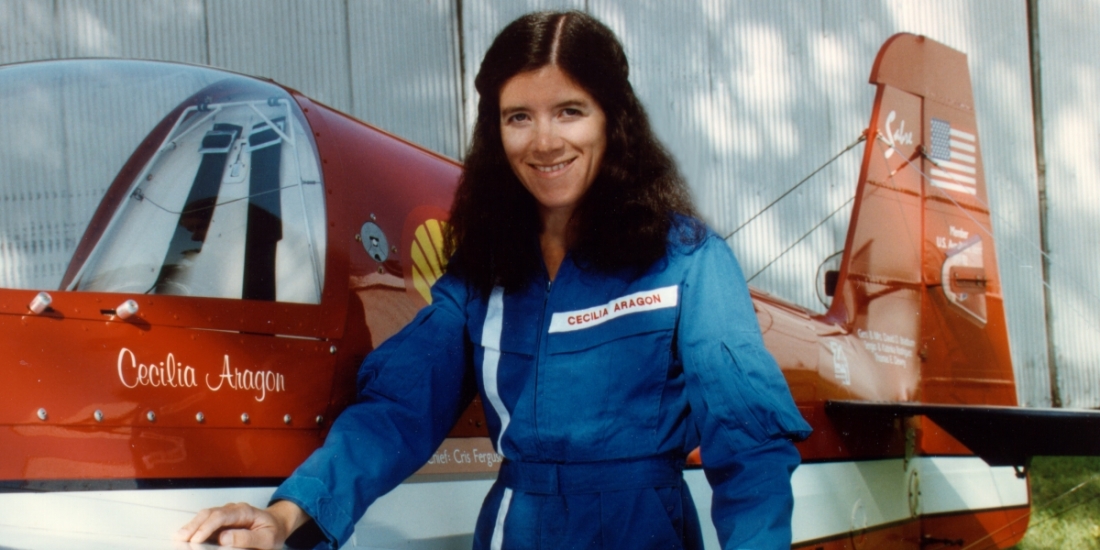
Cecilia Aragon

Award-winning computer scientist opening doors for fellow Latinas

05/05/15 — Data scientist and University of Washington professor Cecilia Aragon co-founded Latinas in Computing, an international professional association that mentors Latinas working in technology, because she believes in numbers.
Claude Shannon, the creator of Information Theory, and Alan Turing, the creator of modern Computer Science

Through the computational lens

05/01/15 Simons Institute — EECS professor Umesh Vazirani discusses efforts at the Simons Institute for the Theory of Computing to foster a dialogue between the disciplines of information theory and computer science.
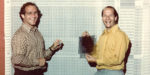
David Patterson and Carlo Séquin, pictured in 1981.

Simplify: The RISC story

05/01/15 — EECS professors David Patterson and Carlo Séquin, along with the Reduced Instruction Set Computer team, were honored by IEEE for their landmark work from the 1980s.
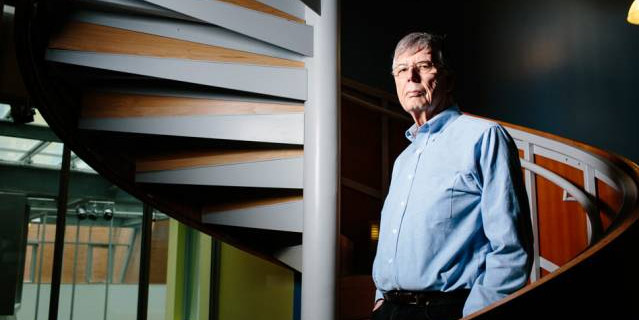
Stuart Russell

Q&A: Concerns of an Artificial Intelligence pioneer

04/21/15 Quanta magazine — Computer scientist and EECS professor Stuart Russell wants to ensure that our increasingly intelligent machines remain aligned with human values.
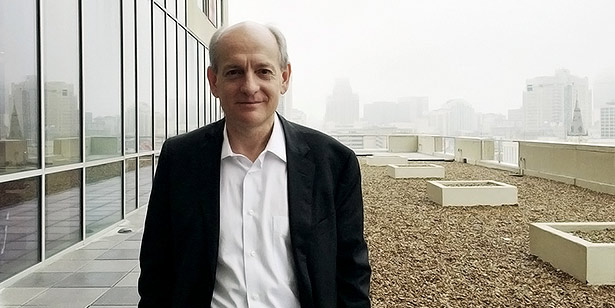
Michael Stonebraker

Michael Stonebraker wins $1 million Turing Award

03/25/15 MIT — MIT researcher Michael Stonebraker, who revolutionized the field of database management systems in his nearly three decades as a Berkeley EECS professor, has won the Association for Computing Machinery's A.M. Turing Award, often referred to as “the Nobel Prize of computing.”
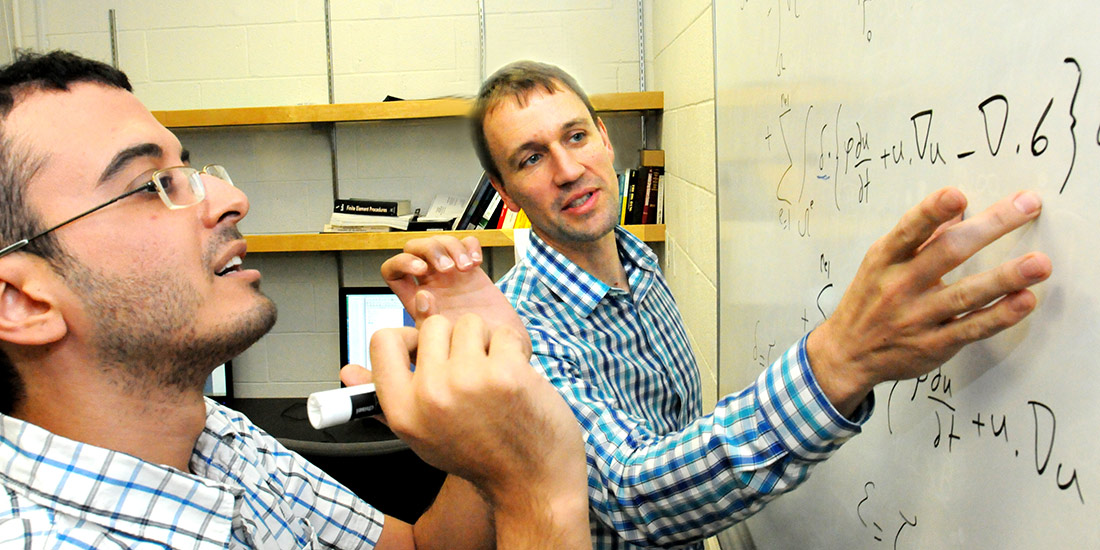
Shawn Shadden (right) and PhD graduate student Amir Arzani

Bakar Fellow Shawn Shadden is using computer modeling to sharpen diagnostic tools

03/20/15 Berkeley Research — Bakar Fellow Shawn Shadden, an assistant professor of mechanical engineering, has developed computational strategies designed to serve as diagnostic tools to better inform treatment for medical conditions including stroke, heart disease and osteoporosis.
Eric Brewer

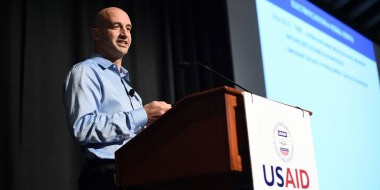
Data and development: The Mezuri platform

02/25/15 Blum Center — Computer science professor Eric Brewer, leader of the Technology and Infrastructure for Emerging Regions (TIER) group, talks about his platform to better understand development projects through integrated data analysis.

Thanking the Academy

02/10/15 — James O'Brien, an EECS professor, walks the red carpet for a technical achievement award from the Academy of Motion Picture Arts and Sciences.
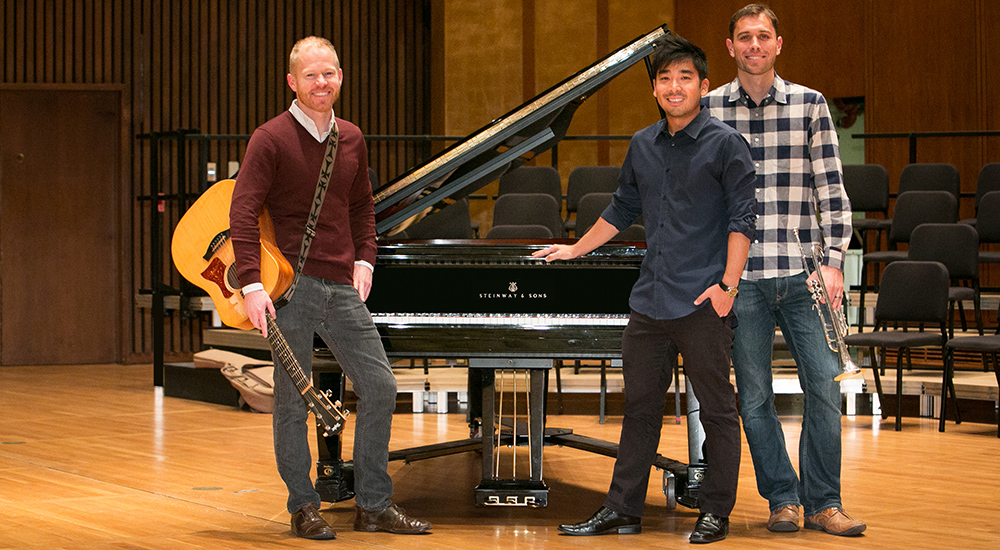
The founders of Hooktheory

What makes pop, pop?

01/13/15 — Three engineers work by day at one of the nation's premier research labs; by night, they color-code transcriptions of pop songs. It could be the setup to a new prime-time sitcom. Or, perhaps, the wacky backstory of another successful startup.
David Patterson

Berkeley’s RISC-V wants to be free

12/10/14 EE Journal — EECS professor David Patterson and his graduate assistants are promoting their open-source RISC-V microprocessor instruction set as the go-to computer teaching tool, a CPU architecture for everything from SoC to IoT.
Alexei Efros

The big picture

11/01/14 — EECS professor Alexei Efros seeks to bring large volumes of inaccessible visual data on the Internet to the public by filtering the information into more easily digestible nuggets.

Sight for sore eyes

11/01/14 — Brian Barsky, professor of computer science and vision science, teamed up with colleagues at MIT to improve vision-correcting display technology; given an eyeglasses prescription, researchers can now pre-correct the display to enable that user to see the screen in sharp focus without glasses.
Village Base Station

Outback technology

10/29/14 — TIER scales sustainable technology - and tall trees - to bring cell service to rural villages.
Tsinghua University

UC Berkeley and Tsinghua University launch research and graduate education partnership

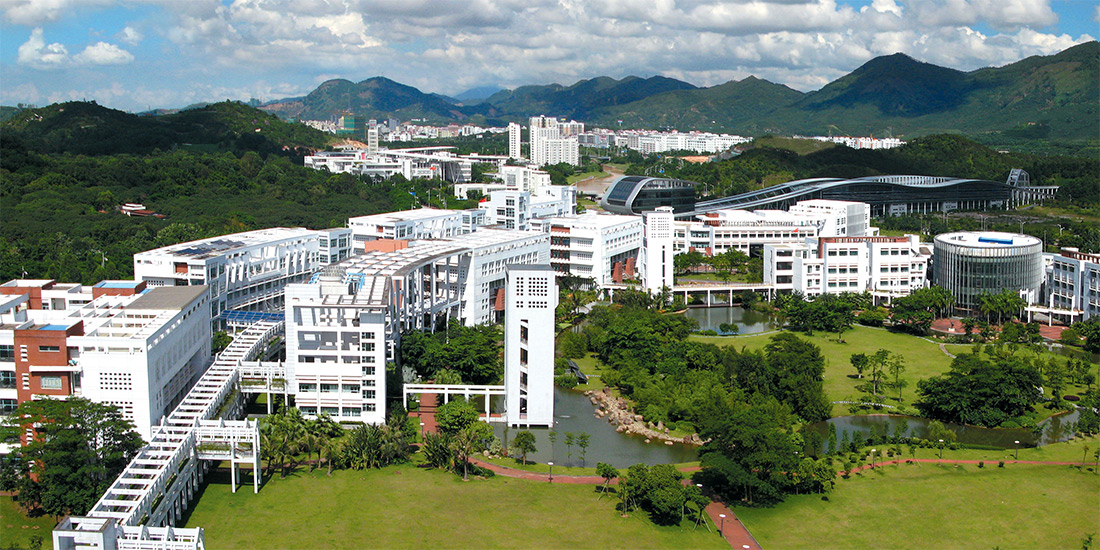
09/06/14 — UC Berkeley and Tsinghua University have signed an agreement to establish a joint institute in the city of Shenzhen in South China to promote research collaboration and graduate student education. First areas of focus for the institute will be nanotechnology and nanomedicine, low-carbon and new energy technologies, and data science and next-generation Internet.
Students digitizing Hearst Museum artifacts

‘HackTheHearst’ to expand public discovery of ancient treasures

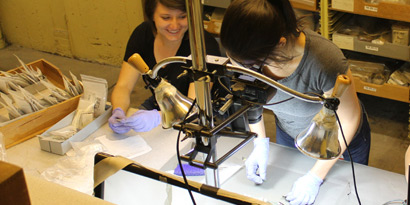
09/03/14 — The Hearst Museum of Anthropology is seeking participants for a hackathon this month that will create apps or web interfaces to enable easier, open-source exploration of the museum's digitized collections data and images.

Young Berkeley engineers recognized as innovators, humanitarians

08/20/14 MIT Technology Review — An EECS post-doc and two Berkeley Engineering alumni are named to the 2014 MIT Technology Review “35 Innovators Under 35” list. All three are part of the humanitarian category. Post-doc Kurtis Heimerl, 30, developed the Village Base Station, which brings cellular telecommunications to remote places of the world. Heimerl is CEO of Endaga, a company founded […]
Software for blending and averaging images

New tool makes a single picture worth a thousand – and more – images

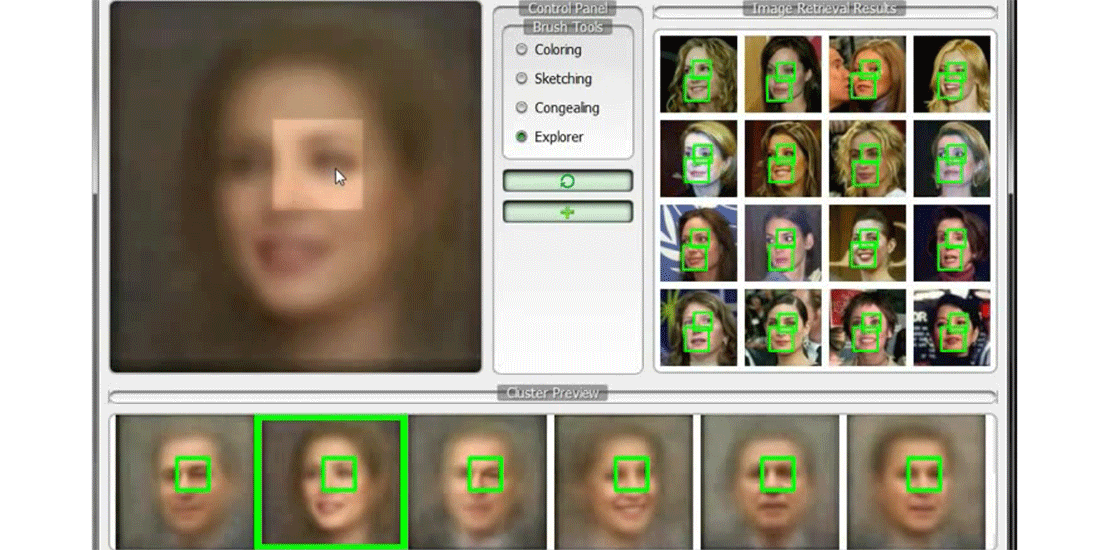
08/14/14 — New software developed by UC Berkeley computer scientists seeks to tame the growing sea of visual data by generating an "average" photo that can represent many thousands of related images.
AMPlab: Algorithms, machines, people

What cars did for today’s world, data may do for tomorrow’s

08/12/14 New York Times — Berkeley's AMP Lab, created two years ago for research into new kinds of large-scale computing, has become a key part of the world-changing ecosystem of digital hardware and software, spinning out companies like Databricks and Mesosphere that make megacomputing systems available and affordable.
  • « Go to Previous Page
  • Go to page 1
  • Interim pages omitted …
  • Go to page 8
  • Go to page 9
  • Go to page 10
  • Go to page 11
  • Go to page 12
  • Go to page 13
  • Go to Next Page »
  • Contact
  • Give
  • Privacy
  • UC Berkeley
  • Accessibility
  • Nondiscrimination
  • instagram
  • X logo
  • linkedin
  • facebook
  • youtube
  • bluesky
© 2026 UC Regents