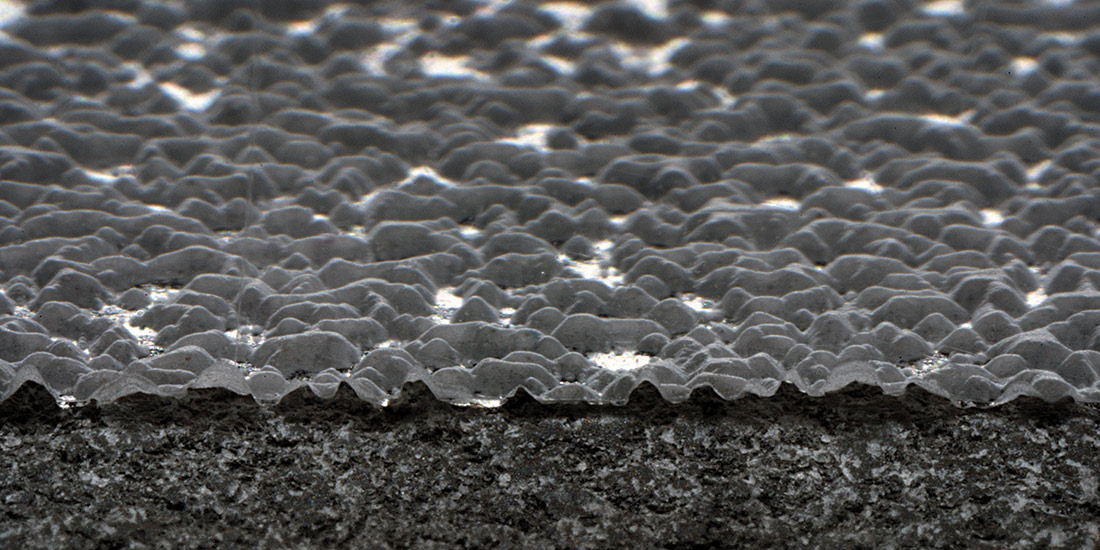
10/25/19 — A team of earthquake engineers, working out of the lab of professor Steven Glaser, is taking research on asperities to a new level by studying fault mechanics at nanoscale.
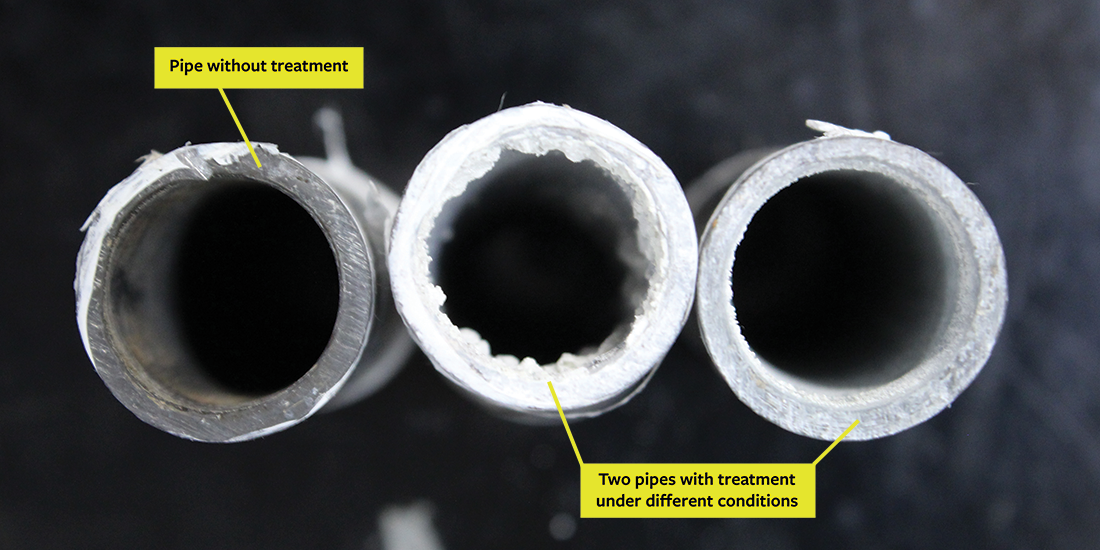
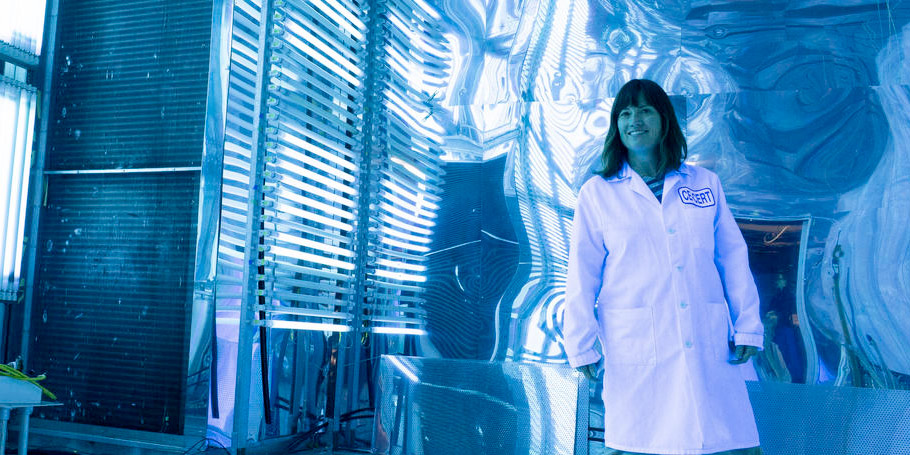
10/25/19 — More than 18 million people in the United States are at risk from water pipes that leach lead. Now, researchers led by civil and environmental engineering professor Ashok Gadgil have devised a novel solution to this problem.
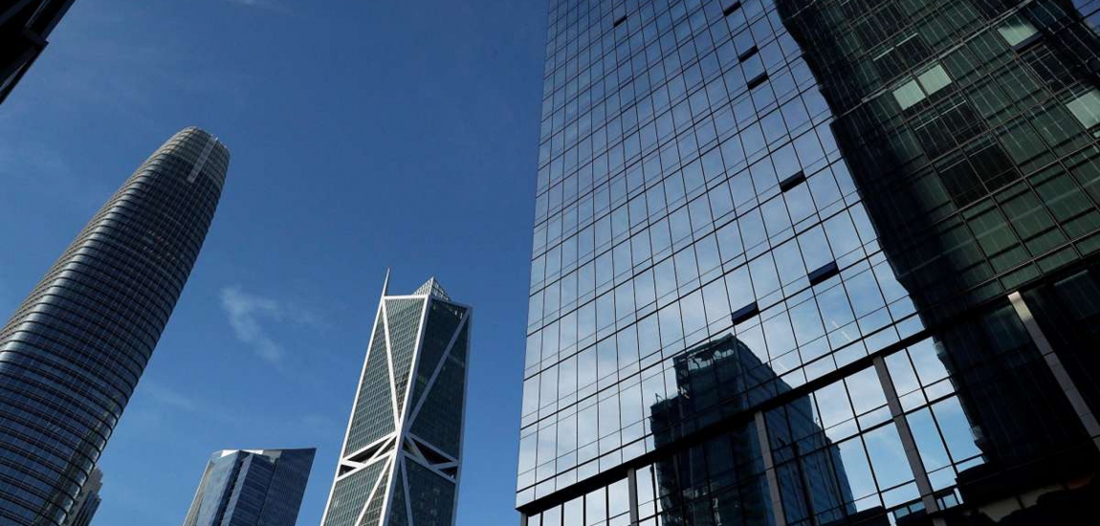
10/15/19 San Francisco Chronicle — Jack Moehle, professor of structural engineering, comments on the safety of towers that have transformed San Francisco's skyline over the past decade.
09/27/19 — The National Alliance for Water Innovation , which includes researchers from Berkeley Engineering, has been awarded a five-year, $100 million Energy-Water Desalination Hub by the U.S. Department of Energy to address water security issues in the United States.
09/23/19 — Berkeley Engineering, Berkeley Lab and MIT researchers have created a new tool that uses cellphone data to estimate building occupancy rates in urban areas, with the aim of optimizing energy use at a citywide scale - and helping to mitigate climate change.
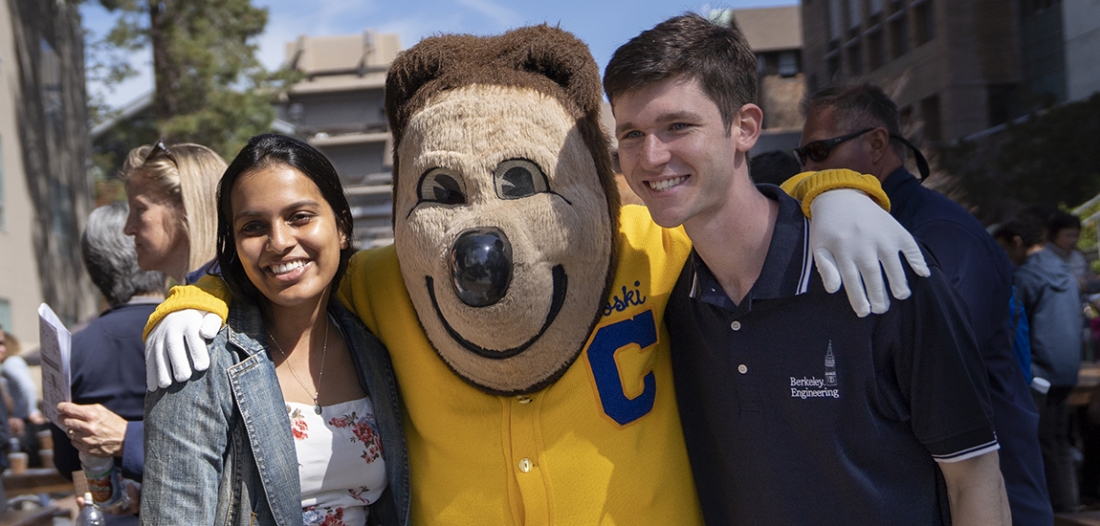
09/09/19 U.S. News & World Report — Berkeley Engineering's undergraduate program was again ranked third overall and the top public engineering school by U.S. News & World Report. Eight individual engineering programs were ranked among the top 5 in their respective fields, and all were in the top 10.
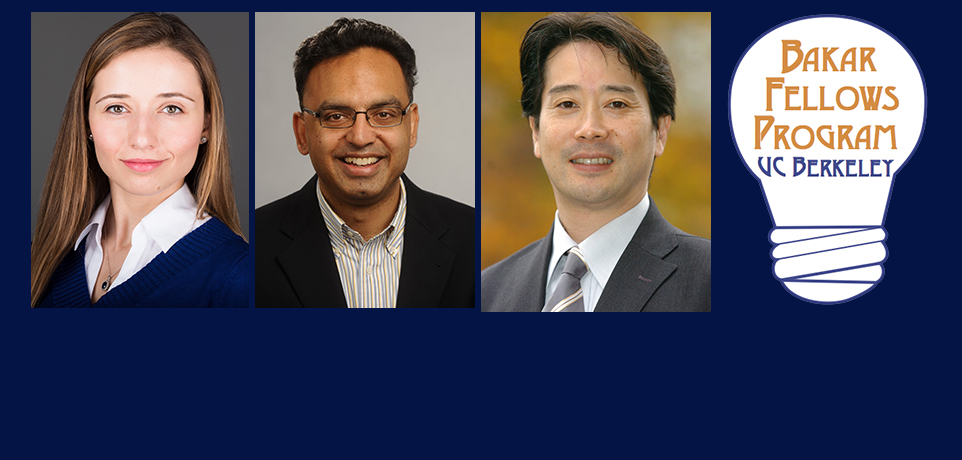
09/05/19 — Three Berkeley Engineering professors have been named 2019–20 Bakar Fellows: Niren Murthy (BioE), Raluca Ada Popa (EECS) and Kenichi Soga (CEE).
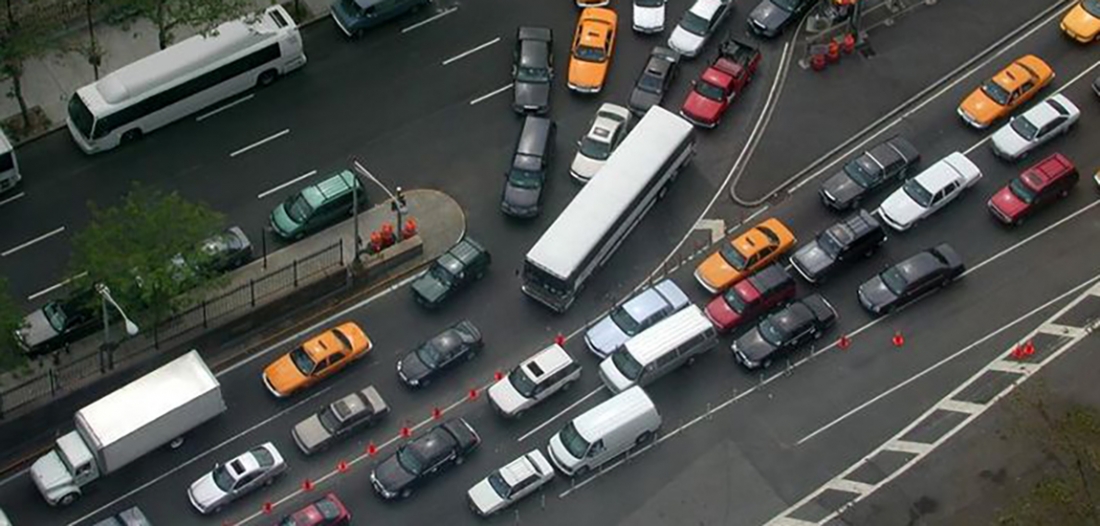
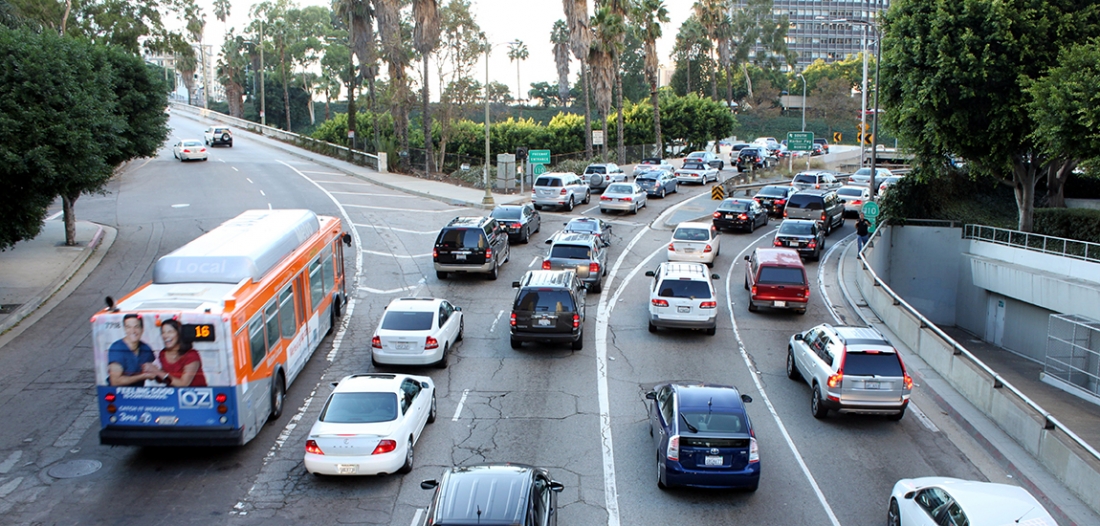
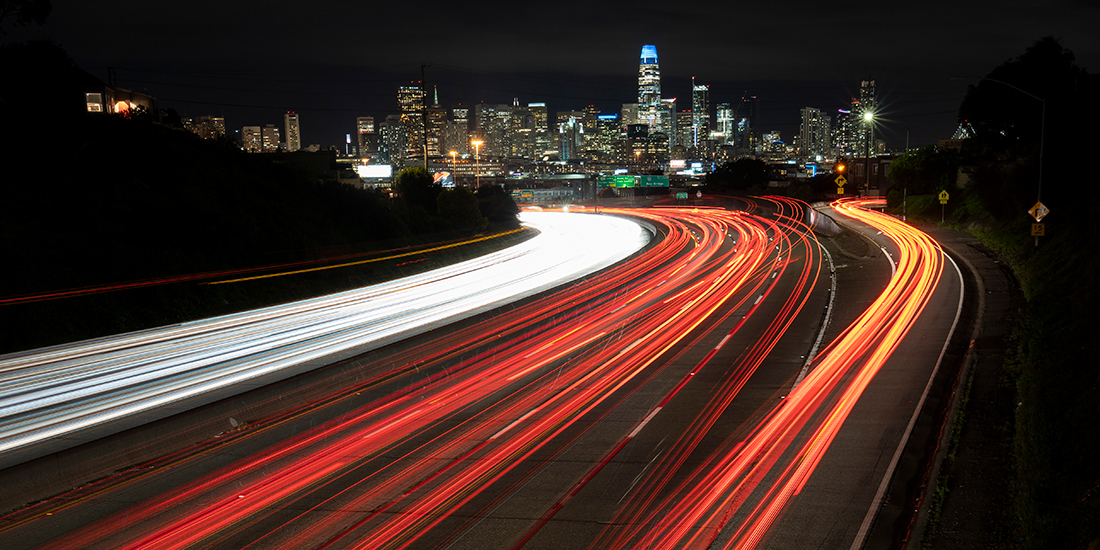
08/28/19 Wired — Berkeley Engineering's Alexandre Bayen and Liao-Cho are studying the impact that autonomous vehicles can have on traffic flow. And, their findings suggest that self-driving cars can help alleviate traffic.
08/21/19 Los Angeles Magazine — Traffic apps, like Waze, turned L.A. neighborhoods into "shortcuts." Los Angeles Magazine recently spoke to UC Berkeley's Alex Bayen and Susan Shaeen about how we got here and whether this trend can be reversed.
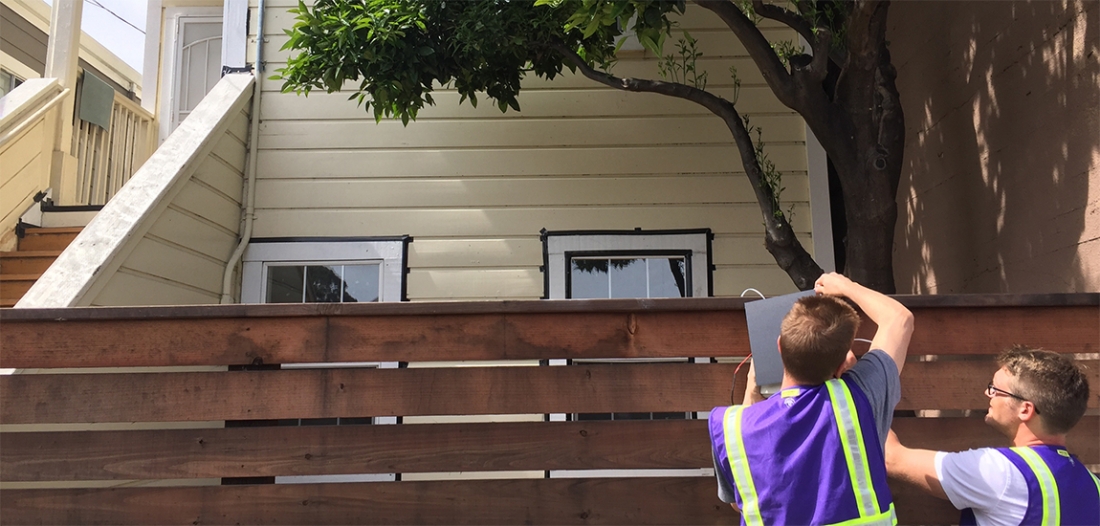
07/22/19 Berkeley Lab — Berkeley researchers have developed a new type of sensor network that is affordable and capable of tracking soot (black carbon). With more than 100 custom-built sensors installed across West Oakland for 100 days, the team created the largest black carbon monitoring network deployed in a single city.
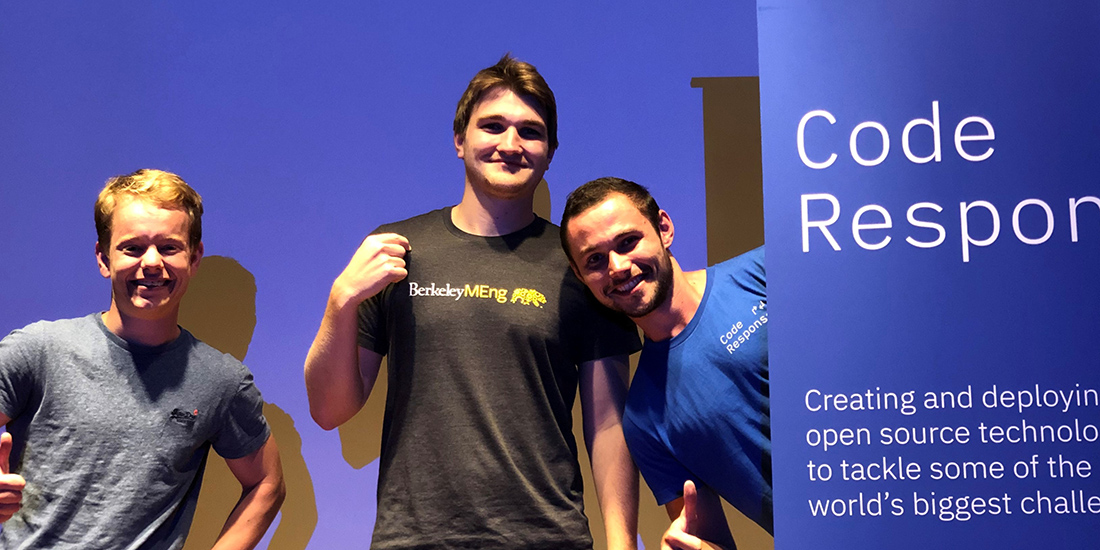
06/07/19 Consumer Technology Association — During a natural disaster, fast and efficient collection of information saves time and lives. With AsTeR, a platform developed by Berkeley MEng students, victims will get help sooner and firefighters will be able to assist a larger amount of people in a limited time.
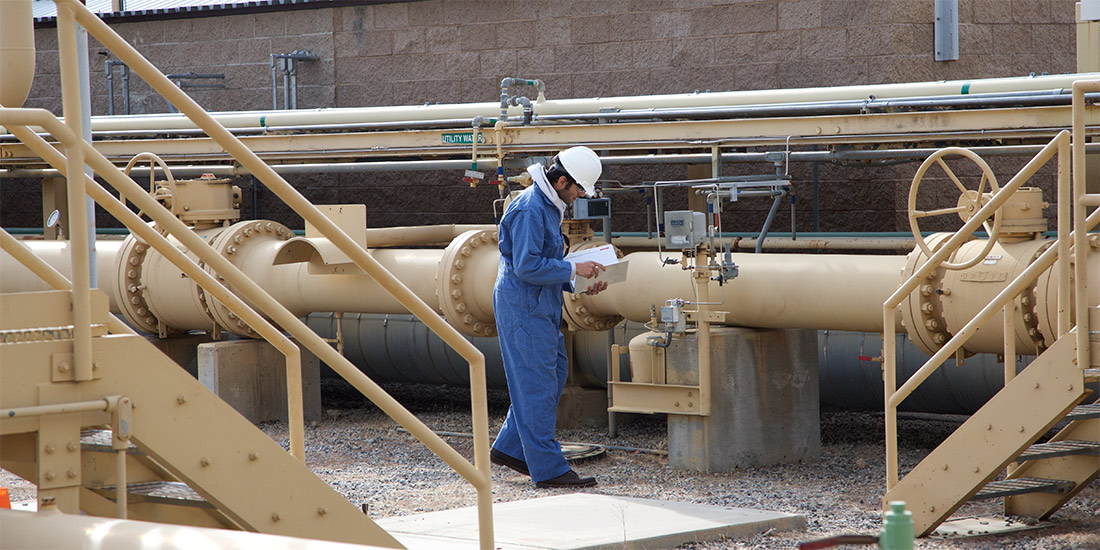
05/17/19 PEER — The California Energy Commission awarded a $4.9 million grant to the Pacific Earthquake Engineering Research Center on May 15 to improve the seismic risk assessment of natural gas storage and pipeline infrastructure.
05/01/19 — The integration of self-driving vehicles requires policy decisions that consider how travel behavior will shift with the introduction of new mobility choices.
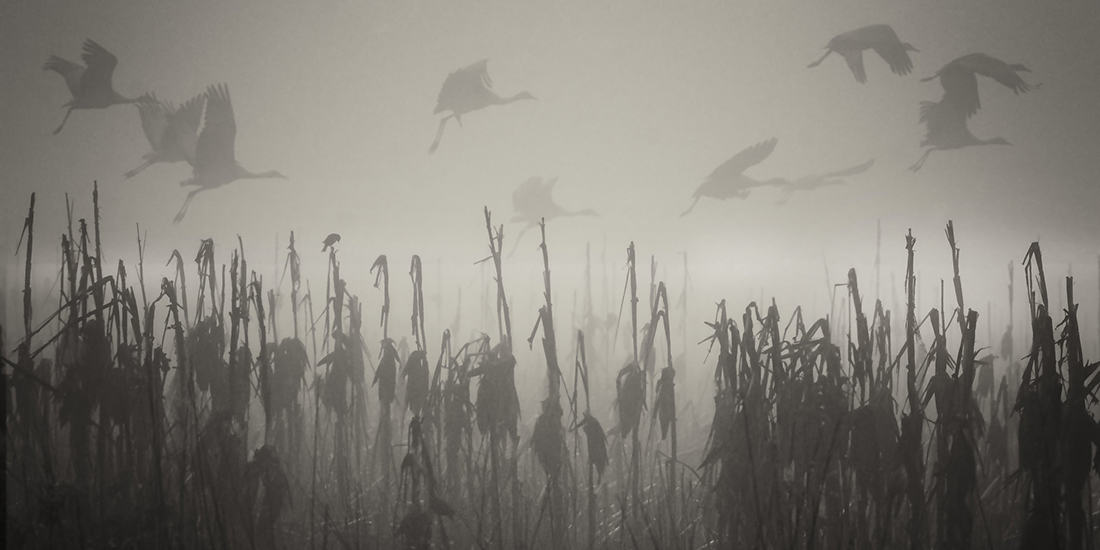
04/10/19 — The Central Valley's heavy wintertime tule fog – known for snarling traffic and closing schools - has been on the decline over the past 30 years, and falling levels of air pollution are the cause, says a new study by scientists at the University of California, Berkeley.
02/21/19 — In honor of National Engineers Week, University of California campuses are presenting snapshots of exemplary UC engineers, many of whom excelled despite formidable barriers and challenging backgrounds.
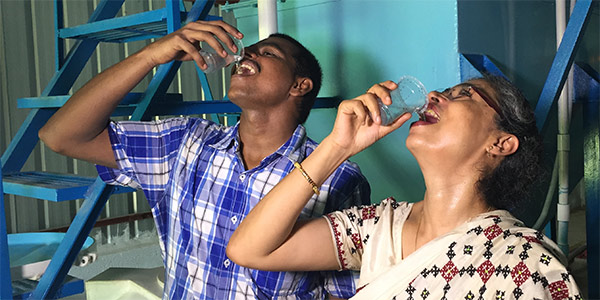
12/12/18 The Better India — Everyday, tens of millions of people drink water that significantly increases their risk of cancer and other deadly diseases. UC Berkeley professor Ashok Gadgil amd Asian Institute of Technology's Joyashree Roy hope to fix that with an efficient and cost-effective system called Electrochemical Arsenic Remediation (ECAR) for removing arsenic contamination from drinking water.
11/14/18 — Restoring natural fire regimes to California's mountains could be a win-win-win: more water, improved biodiversity and a reduced risk of catastrophic fires.
10/29/18 — Berkeley transportation researchers are addressing the emerging era of smart vehicles with a project that uses machine learning to manage traffic where autonomous, semi-autonomous and manned vehicles share the road. They presented their project, called Flow, at the Conference on Robotic Learning.