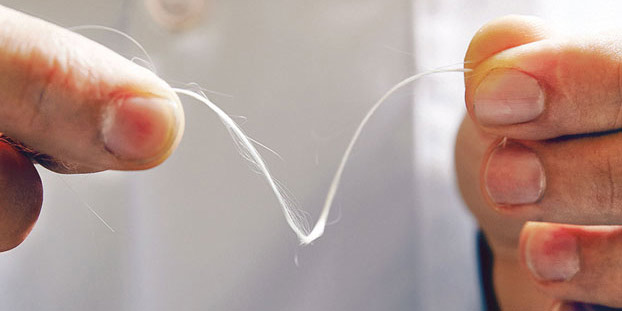
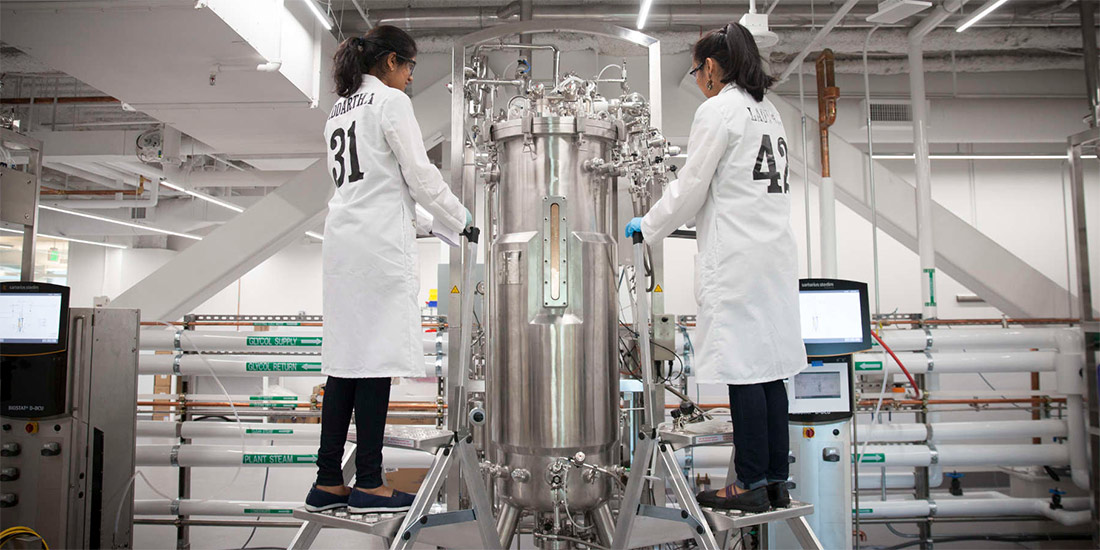
09/21/15 MIT Technology Review — A California company founded by UC Berkeley alumni may have figured out how to use genetic engineering to make extremely versatile fibers the way spiders can.
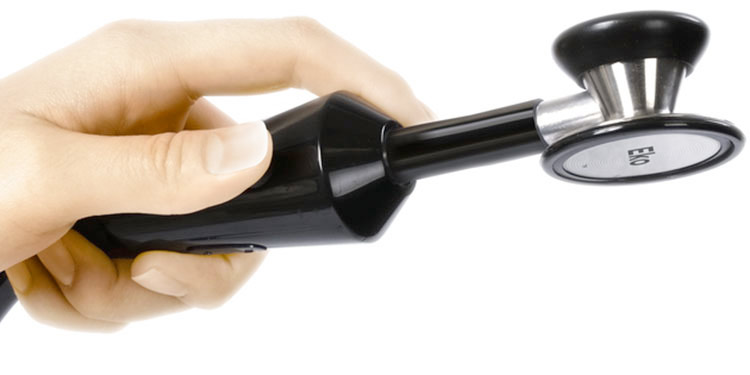
09/08/15 LA Times — The Eko Core digital stethoscope, developed by a trio of Berkeley alumni, aims to bring auscultation - the ancient medical practice of listening to a patient's heartbeat - squarely into the 21st century. It was cleared for sale in the U.S. this month.
09/02/15 — The digital stethoscope startup Eko Devices, co-founded by Berkeley Engineering graduates and nurtured by SkyDeck, the campus accelerator, has won federal permission to enter the medical device market.
09/01/15 Berkeley Lab — Time-lapse imaging can make lengthy, complicated processes easier to grasp. Now Berkeley Lab scientists led by Sylvain Costes (Ph.D'99 NE) are using a similar approach to study how cells repair DNA damage.
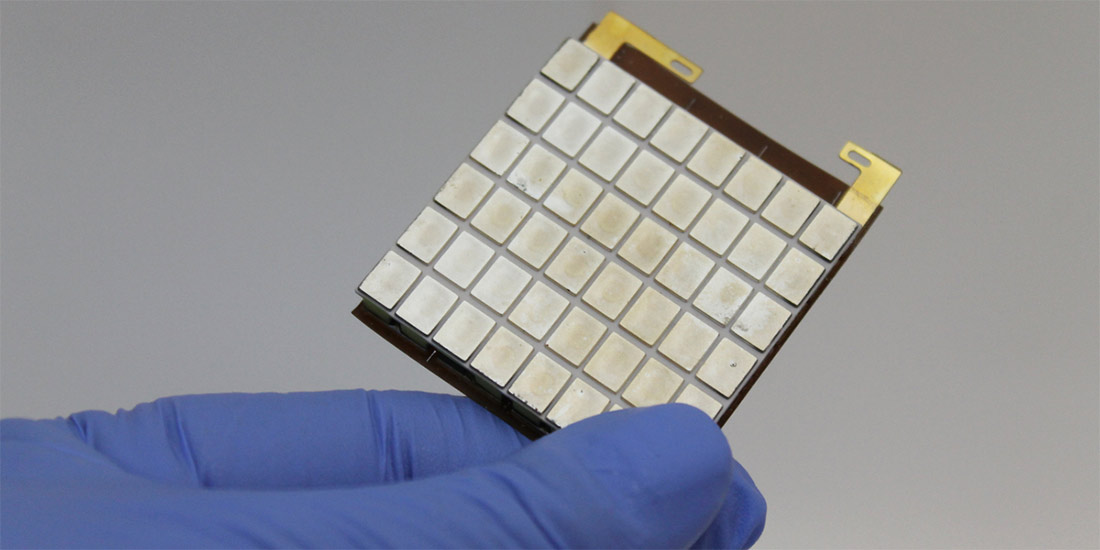
08/26/15 NPR — What if there were a way to take the waste heat that spews from car tailpipes or power plant chimneys and turn it into electricity? Matt Scullin (M.S.'07, Ph.D.'09 MSE) thinks there is, and he founded Alphabet Energy to turn that idea into a reality.
08/18/15 Berkeley Research — Rikky Muller (Ph.D.'13 EECS), co-founder of the medical device start-up Cortera Neurotechnologies, has been named one of 35 Innovators Under 35 by the MIT Technology Review. Muller's research into hardware that buzzes the brain at the right moments could help treat debilitating mental disorders.
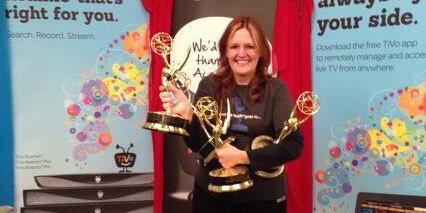
08/17/15 Insight@Berkeley — As vice president of design and engineering at TiVo, Margret Schmidt (B.S'92 EECS) is passionate about the dynamic and fulfilling nature of product creation. She got a dose of that in her favorite Berkeley class, an E110 Venture Design course that required creation of a business plan and a final idea presentation.
07/27/15 — Jack McCauley's (B.S'86 EECS) has been a lifelong tinkerer, inventor and modern-day Edison whose inventions have spanned several disciplines and industries.
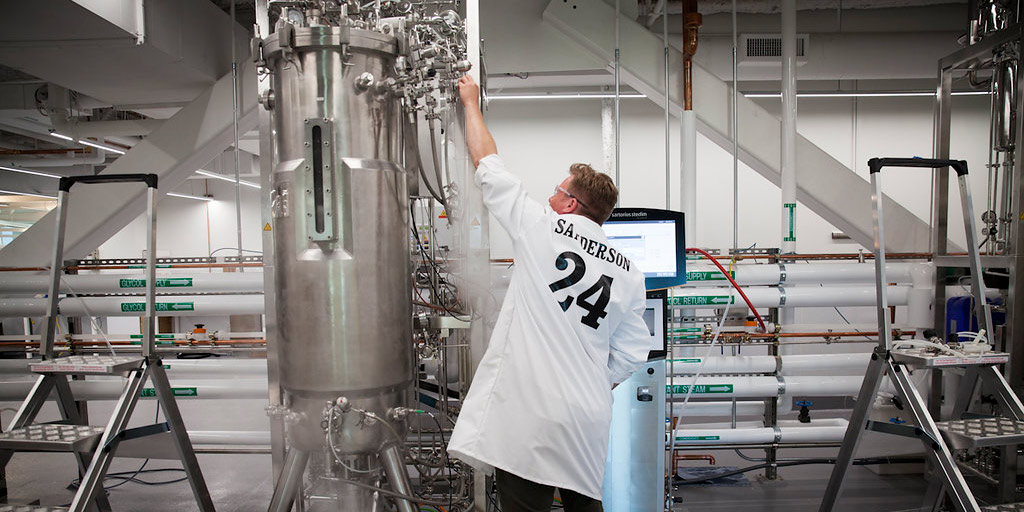
07/23/15 — Where some people see mere cobwebs, David Breslauer sees nature's most robust fiber. Now the bioengineering Ph.D.'s company, Bolt Threads, has learned how to mimic spider silk in the lab - without spiders.
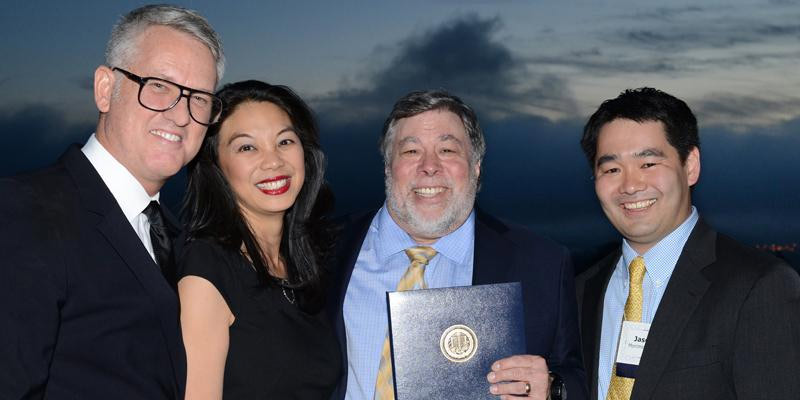
06/29/15 Cal Alumni Association — The Cal Alumni Association presented Steve Wozniak ('86 EECS) with its most esteemed honor, the 2015 Alumnus of the Year award, at a gala event at Memorial Stadium's University Club.
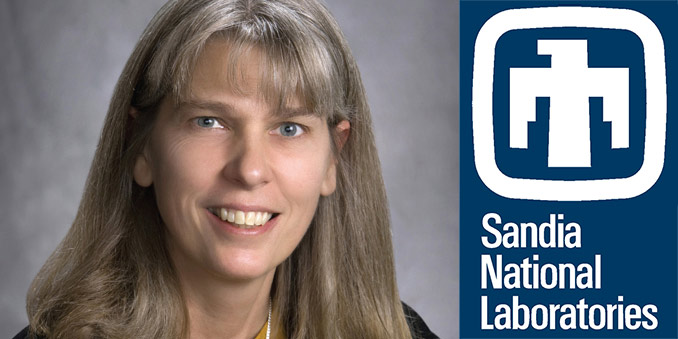
06/23/15 Sandia National Lab — Jill M. Hruby (M.S.'82 ME) has been named the next president and director of Sandia National Laboratories, the country's largest national lab. She will be the first woman to lead a national security laboratory when she steps into her new role July 17.
06/16/15 — Prolific inventor and designer Jack McCauley (EECS '86) has made a $2.5-million gift to establish the McCauley Family Fund in Design Innovation, which will support programs within the Jacobs Institute.
06/10/15 EFE/Fox News Latino — Eve Andersson (M.S.'98 ME) leads the Google team tasked with developing new products for the disabled, and dreams of helping those with disabilities "work at whatever they want, study what they like, travel wherever they wish, feel free and empowered."
06/04/15 Bloomberg Business — David Breslauer (Ph.D'10 BioE) is the chief scientific officer of Bolt Threads, a startup company developing technology to genetically modify yeast to produce silk-like proteins - a potentially revolutionary development for the apparel industry.
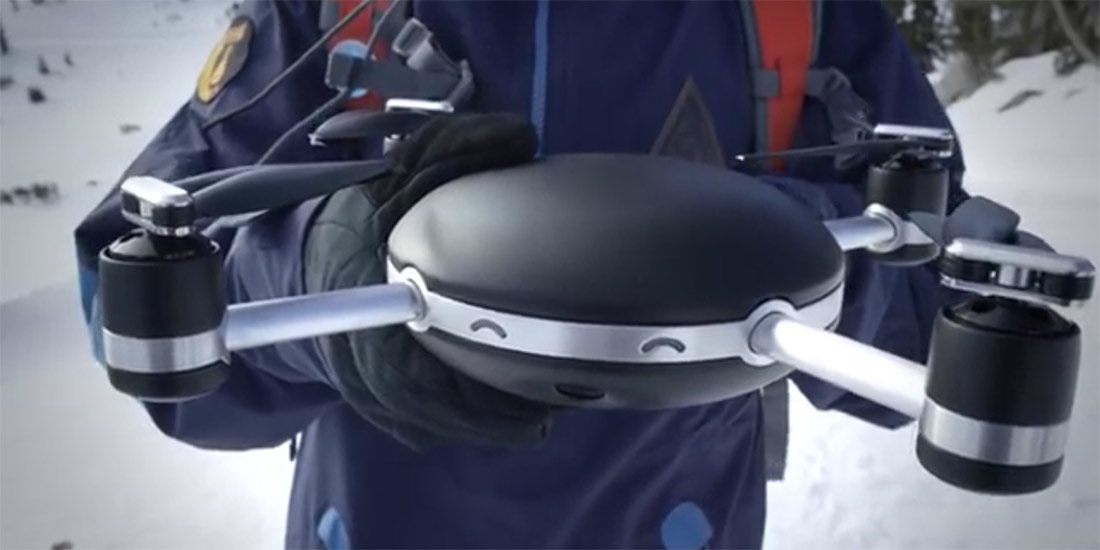
05/15/15 Wired — The Lily is a drone that doesn't need a controller, or a pilot; it just follows you. It's the first product from Lily Robotics, founded by a pair of recent UC Berkeley graduates including CTO Henry Bradlow (B.S.'13 EECS).
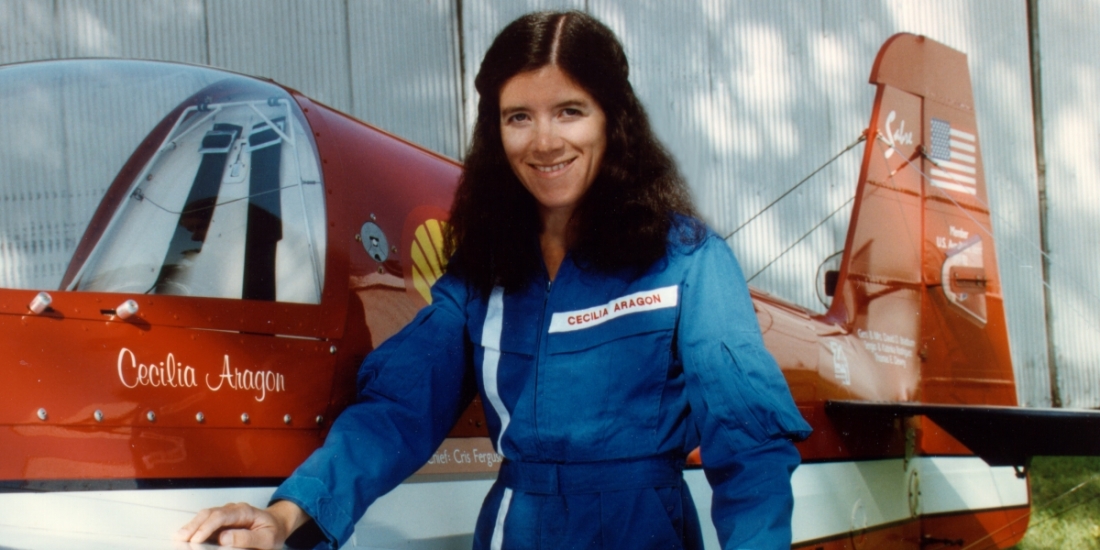
05/05/15 — Data scientist and University of Washington professor Cecilia Aragon co-founded Latinas in Computing, an international professional association that mentors Latinas working in technology, because she believes in numbers.
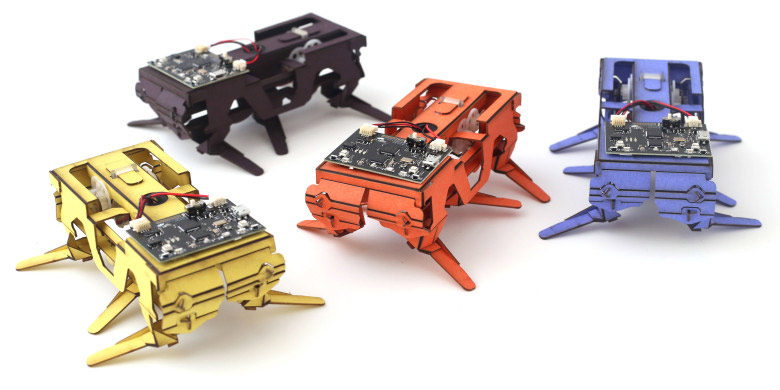
04/27/15 Venture Beat — Dash Robotics, which began as a research project at Berkeley Engineering and CITRIS, has secured $1.4 million in seed funding to help refine and market its small bio-inspired origami robots that teach kids how to program while they play.