03/12/15 — Mario Lio (B.S. '10 CEE) proves that the Deferred Action for Childhood Arrivals (DACA) initiative, along with a lot of hard work and determination, can be life-changing.
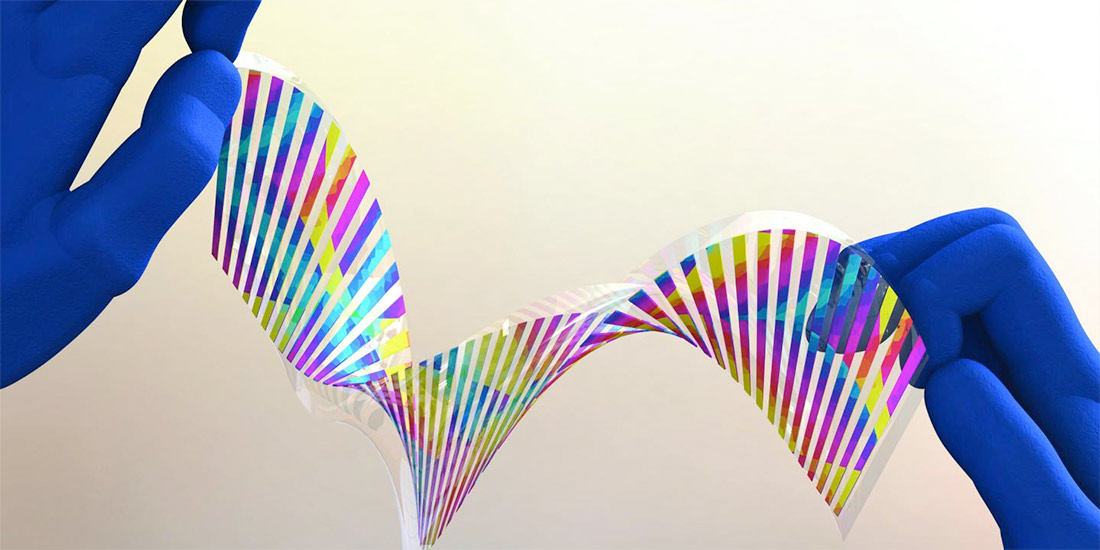
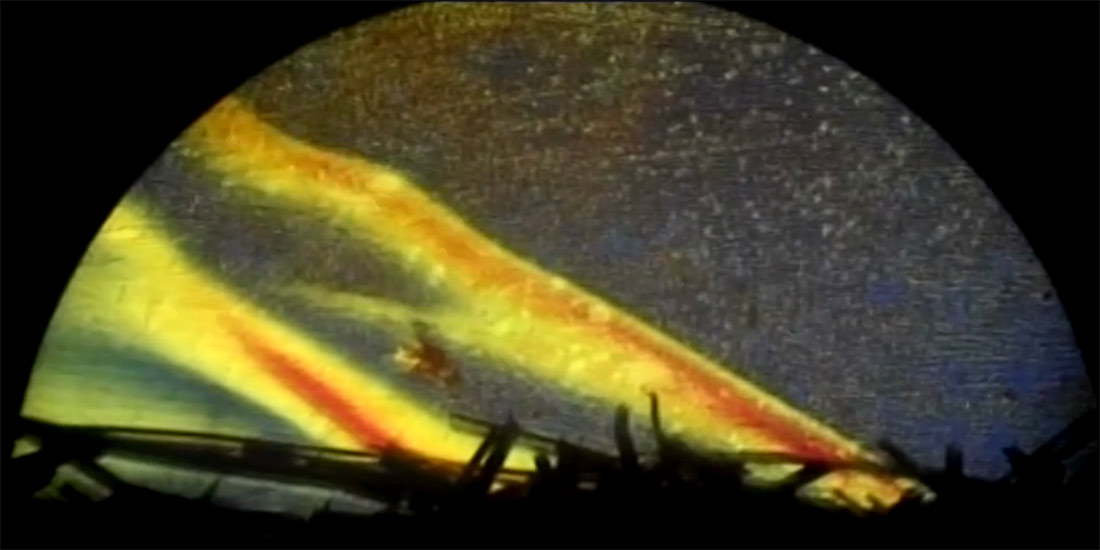
03/12/15 — Berkeley engineers led by EECS professor Connie Chang-Hasnain have created an ultra-thin film that can shift colors as easily as a chameleon's skin when pulled or twisted.
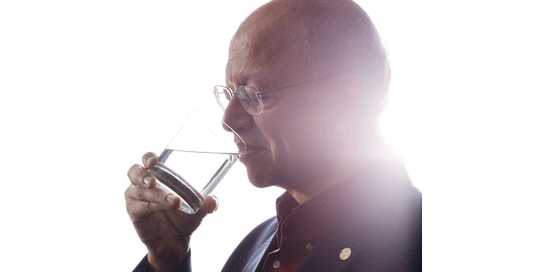
03/09/15 IEEE Spectrum — Named one of IEEE Spectrum's Engineering Heroes for 2015, the civil and environmental engineering professor's work on water purification, cookstoves and arsenic removal has helped tens of millions of people worldwide.
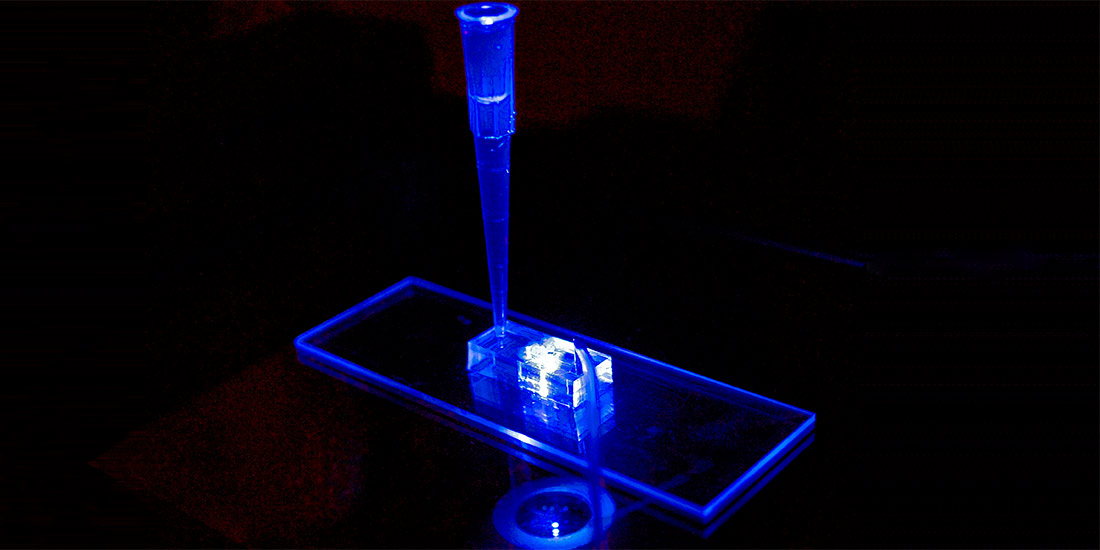
03/09/15 — Researchers have created a “heart-on-a-chip” technology that effectively uses human cardiac muscle cells derived from adult stem cells to model how a human heart reacts to cardiovascular medications. The system could one day replace animal models to screen for the safety and efficacy of new drugs.
03/05/15 TechCrunch — In a guest column, Omotayo Olukoya, a native of Nigeria who is studying electrical engineering and computer science, offers practical tips to tech companies struggling to find and hire a diverse team of engineers.
03/03/15 Cal Alumni Association — Silicon Valley icon and philanthropist Steve Wozniak (B.S.'86 EECS), co-founder of Apple Computer, has been named the 2015 Alumnus of the Year by the Cal Alumni Association . Robotics pioneer and fellow EECS alum Yoky Matsuoka (B.S.'93), an executive at Google, Nest and Twitter, received an Excellence in Achievement Award.
03/02/15 KQED Quest — KQED's new Engineering Is… e-book series launches with the Berkeley Darfur cookstove, developed by environmental engineering professor Ashok Gadgil to improve the lives of refugees in the war-torn Darfur region of Sudan.
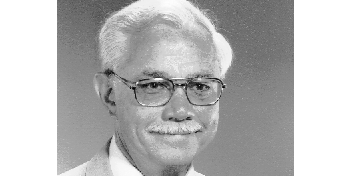
03/02/15 — William L. Garrison, a professor emeritus of civil engineering and an expert in the ways innovation and technological change occur in the field of transportation, has died at age 90.
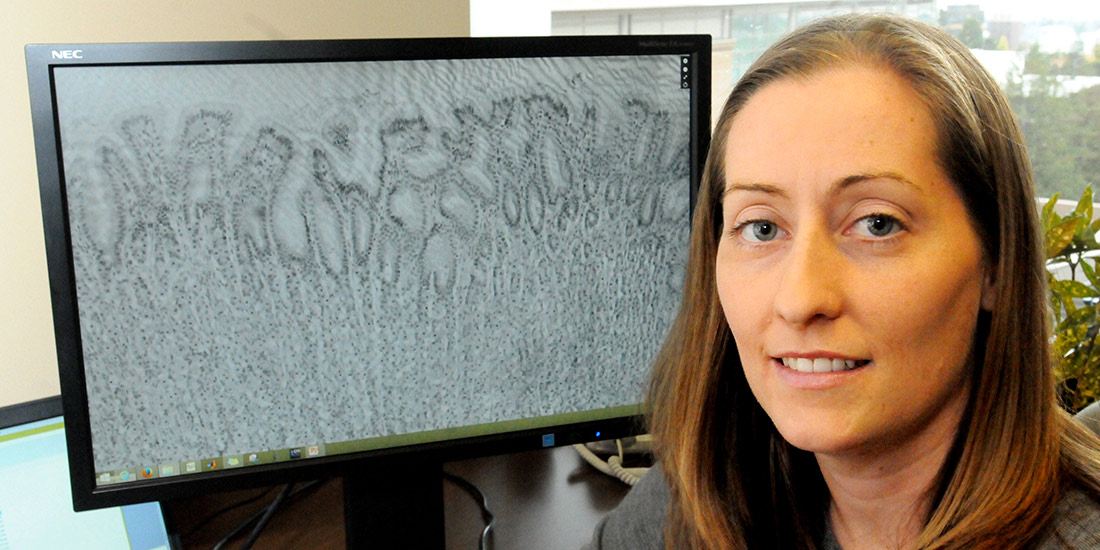
02/27/15 Berkeley Research — EECS professor Laura Waller is working on computational imaging methods for quantitative phase microscopy, which can be applied in a variety of scientific and industrial settings. Her work is supported by the Bakar Fellows Program for young faculty whose work holds commercial promise.
02/26/15 — SkyDeck, the startup accelerator in downtown Berkeley co-sponsored by the College of Engineering, is accepting applications for their spring 2015 session. All entrepreneurs affiliated with UC Berkeley, Berkeley Lab or UCSF are encouraged to apply; the deadline is March 31.
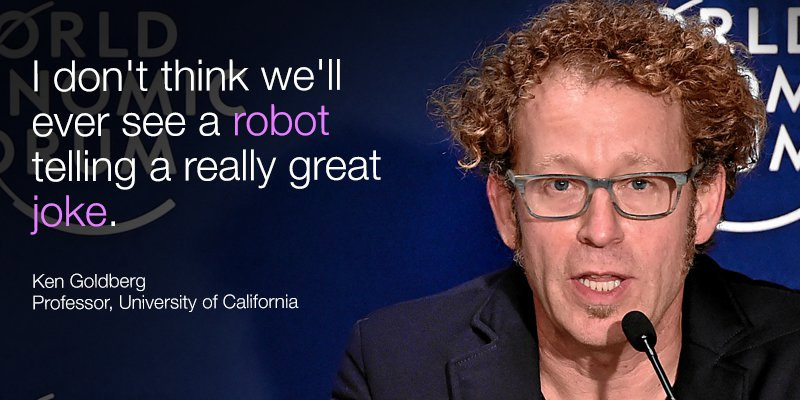
02/26/15 Robohub — EECS and new media professor Ken Goldberg recaps his trip to the World Economic Forum in Davos, Switzerland, where he talked about artificial intelligence and took part in a debate on "Will Machines Make Better Decisions Than Humans?"
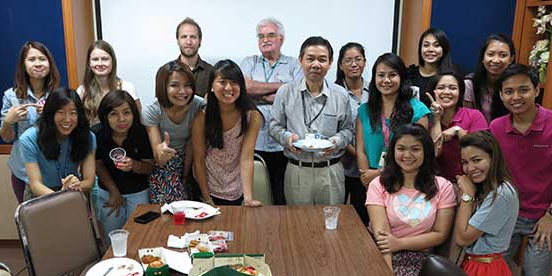
02/25/15 Blum Center — The career trajectory of Ashley Tsai, bioengineering and material science major, was transformed by a Global Policy and Practice experience at Kohn Kaen University in Thailand, where she researched liver fluke infections, a disease common among the rural poor in many countries.
02/25/15 Blum Center — Computer science professor Eric Brewer, leader of the Technology and Infrastructure for Emerging Regions (TIER) group, talks about his platform to better understand development projects through integrated data analysis.
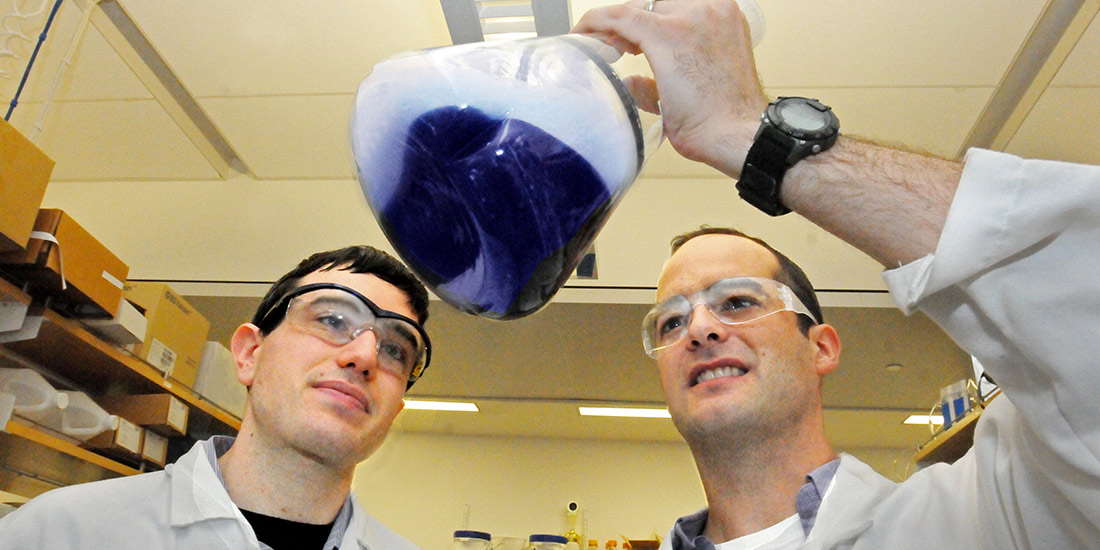
02/23/15 Berkeley Research — The indigo that dyes your favorite pair of jeans blue is wildly popular, but very "dirty" to synthesize chemically. Bioengineering professor and Bakar fellow John Dueber thinks he has found an environmentally green way for industry to churn out the dye without toxic compounds.
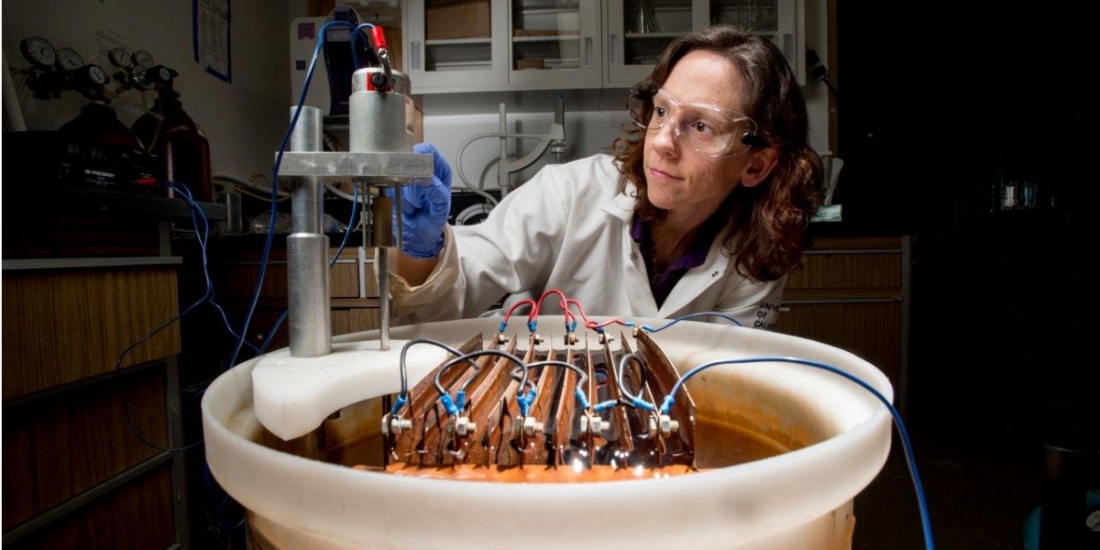
02/18/15 — Susan Amrose, a lecturer in the civil and environmental engineering department, is developing a modular and scalable technology to remove arsenic from drinking water.
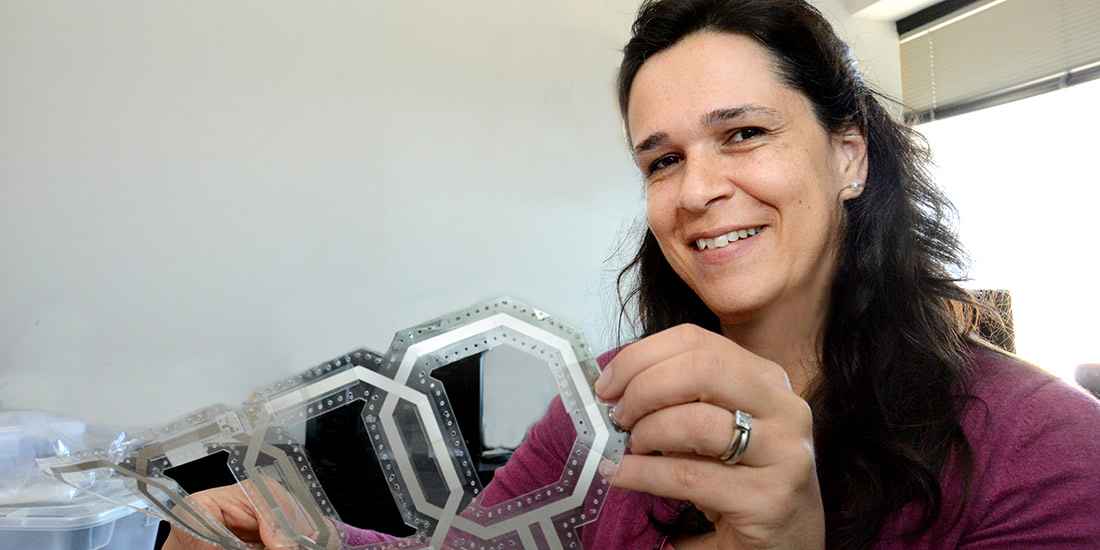
02/13/15 Berkeley Research — EECS associate professor Ana Claudia Arias is creating new wearable electronics based on printed circuits, to allow easier and better MRI imaging of sick infants, among others.
02/11/15 National Science Foundation — Hot metal fragments cast off by power lines, overheated brakes or other common sources can ignite a blaze if they land on the right fuel source. Now Berkeley mechanical engineers, supported by the NSF, are learning what ingredients and conditions cause this type of spot fire ignition.