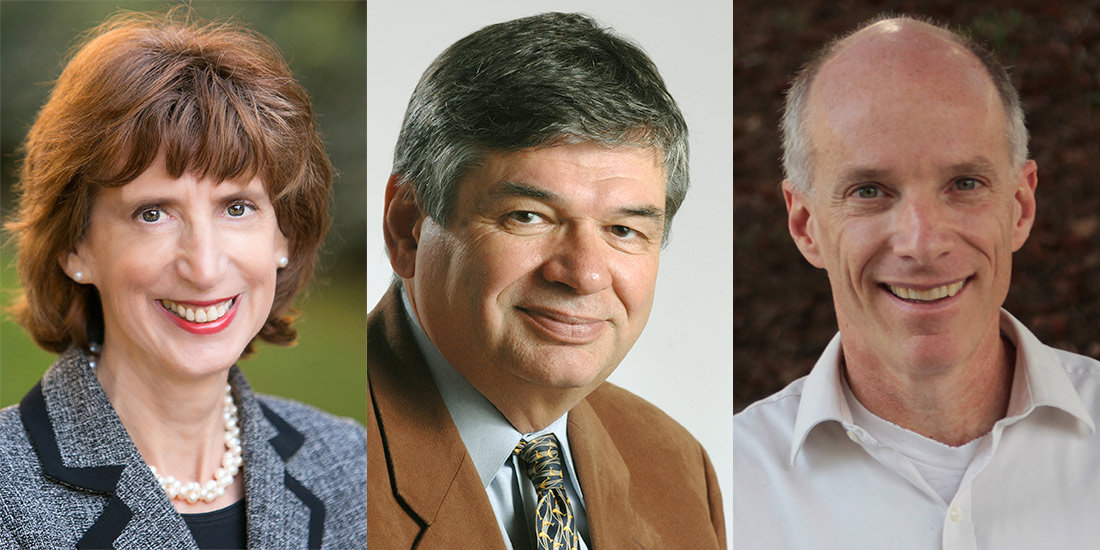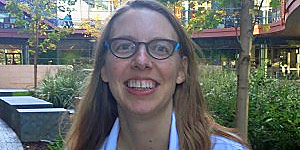
02/16/16 — Sally Thompson, assistant professor of civil and environmental engineering, directs an interdisciplinary group of researchers studying northern California's Eel River.
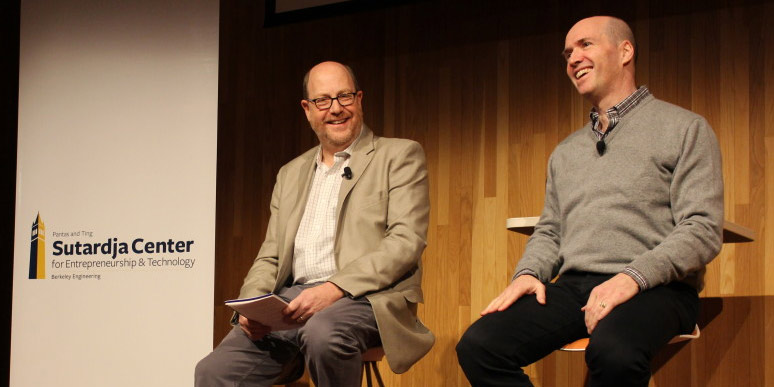
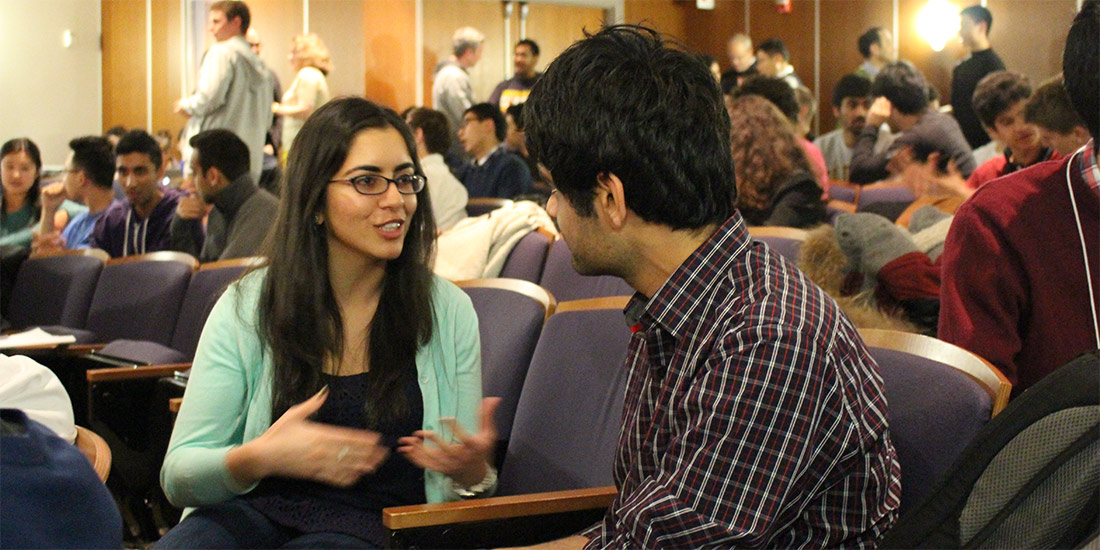
02/12/16 Sutardja Center — Venture capitalist Ben Horowitz shared life lessons with students - including the likelihood that your great discovery will spring from a big mistake.
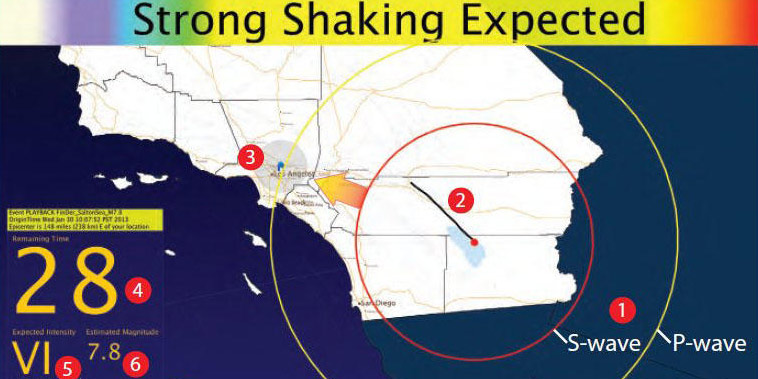
02/12/16 — UC Berkeley scientists are releasing a free Android app that taps a smartphone's ability to record ground shaking from an earthquake, with the goal of creating a worldwide seismic detection and warning network.
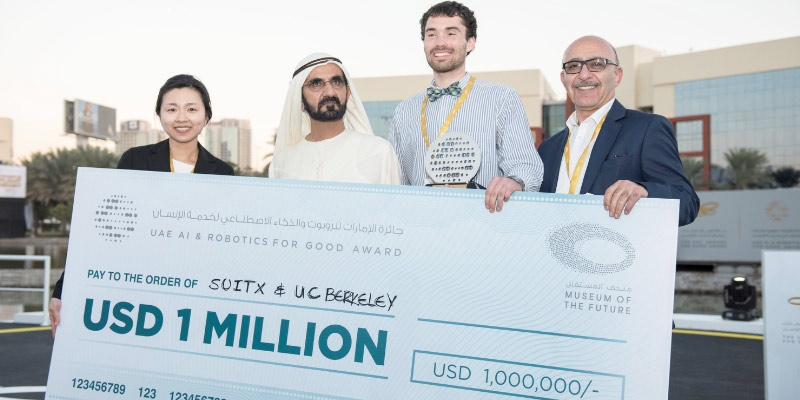
02/10/16 Cult of Android — The suitX team designing medical exoskeletons for children with cerebral palsy, led by mechanical engineering professor Homayoon Kazerooni, won the $1 million international grand prize at the “Robotics for Good” competition in Dubai.
02/09/16 — A new $25 million grant from the National Nuclear Security Administration puts UC Berkeley at the head of a multi-institution consortium focused on research that supports nuclear science, national security and nuclear nonproliferation.
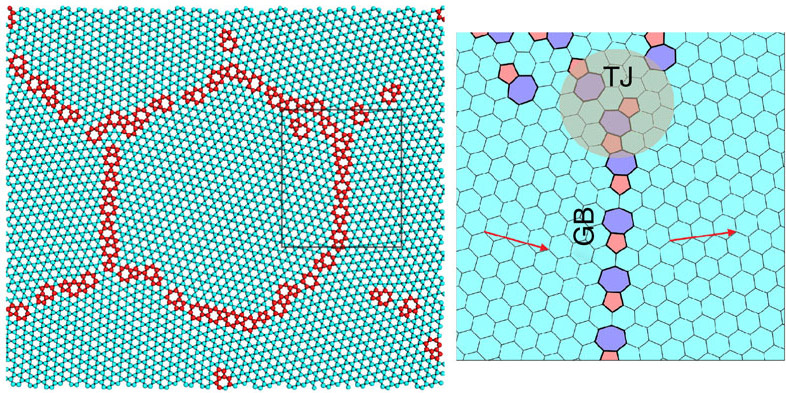
02/09/16 Berkeley Lab — Berkeley Lab scientists led by Robert Ritchie, professor of materials science and mechanical engineering, have determined that superstrong polycrystalline graphene is not very resistant to fracture, which could limit its usefulness.
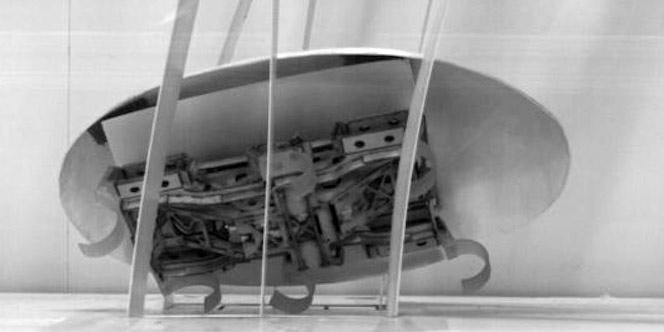
02/08/16 — Berkeley robotics engineers hope their new cockroach-inspired bot will be able to crawl through tiny spaces to find people buried in the rubble of collapsed buildings.
02/03/16 — Buoyed by recent advances in technology, the federal government announced Tuesday that it is expanding its commitment to earthquake warning systems because they will save lives.
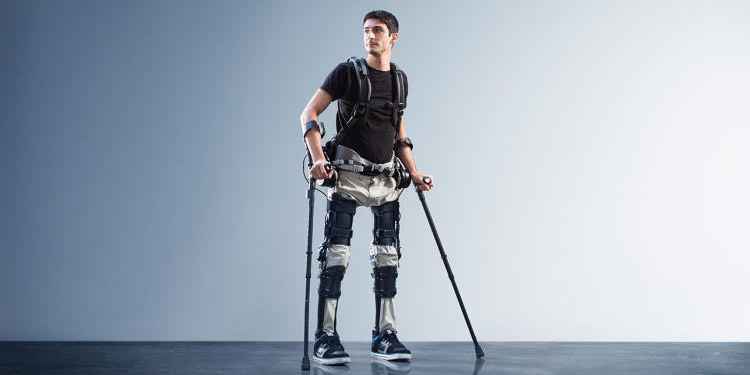
02/01/16 Fast Company — The Phoenix, a lightweight exoskeleton developed under the guidance of mechanical engineering professor Homayoon Kazerooni, can provide an affordable way to walk again.
02/01/16 New York Times — Berkeley engineers have created a flexible, wearable sensor that can collect data about multiple chemicals in body sweat. The device could help people monitor conditions like dehydration and fatigue in real time, said EECS professor Ali Javey.
02/01/16 Daily Californian — The multi-university Nuclear Science and Security Consortium, led by UC Berkeley and headed by nuclear engineering professor Jasmina Vujic, has received another $25 million federal grant to research nuclear energy and security, aimed at attracting young scholars to the field.
01/29/16 Blum Center — Rachel Gerver (Ph.D.'14 BioE), among the first generation of UC Berkeley students in development engineering, talks about her background and her interest in getting new medical technologies to market, where they can have an impact on patients' lives.
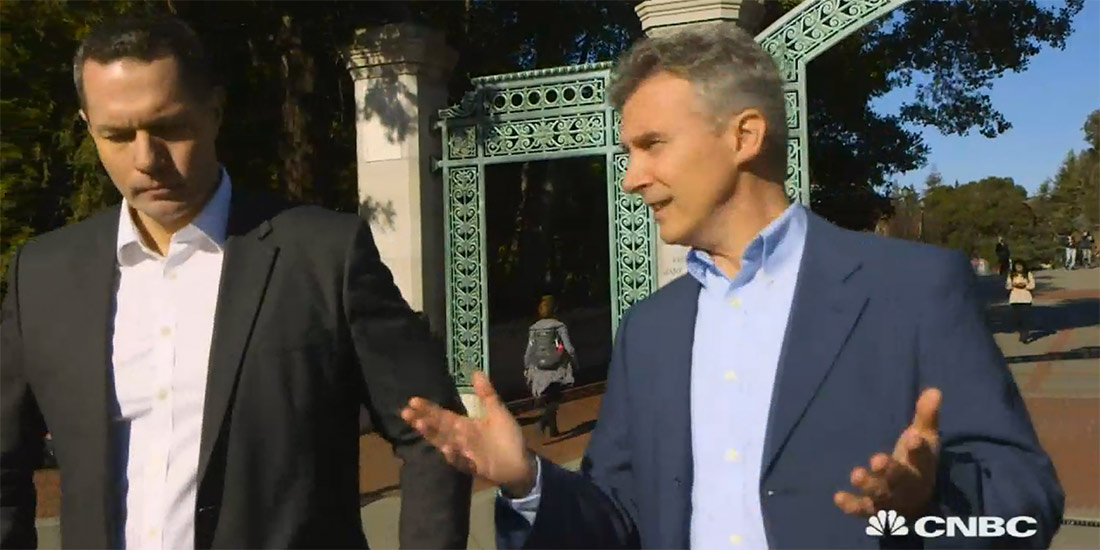
01/28/16 CNBC — In a new video series on sustainable energy, civil and environmental engineering professor Arpad Horvath compares the environmental footprints of emerging transportation technologies, from biofuels and high-speed rail to maritime shipping and aviation.
01/27/16 — Berkeley engineers have built a small, flexible device that can monitor levels of important body fluids simply by measuring sweat on a person's skin.
01/27/16 Sutardja Center — Dilbert creator (and serial entrepreneur) Scott Adams shared stories of his successes and, more important, his failures with participants in the Berkeley Method of Entrepreneurship boot camp earlier this month.
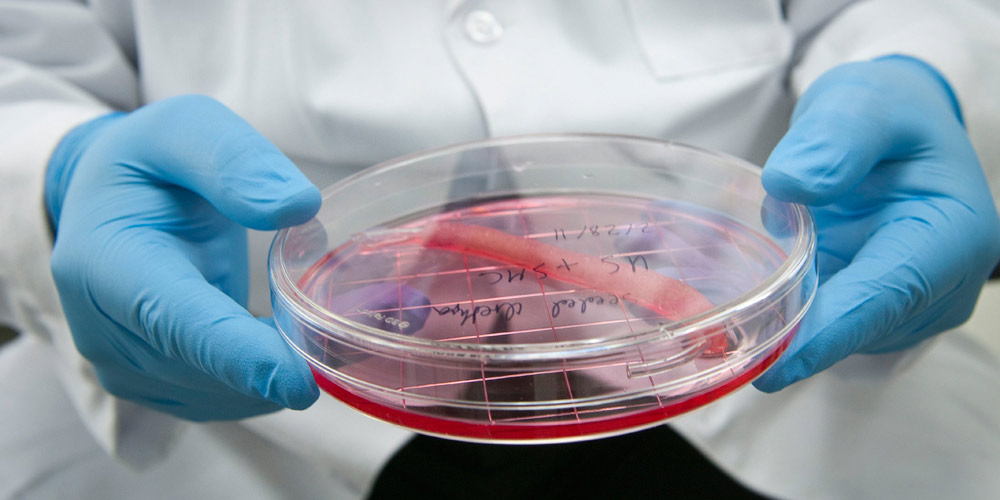
01/26/16 LiveScience — A roundup of recent successes in cultivating human body structures ranges from fallopian tubes to 3D-printed ears to the heart muscle cells, grown in Berkeley bioengineer Jay Keasling's lab, that could speed the screening of drugs.
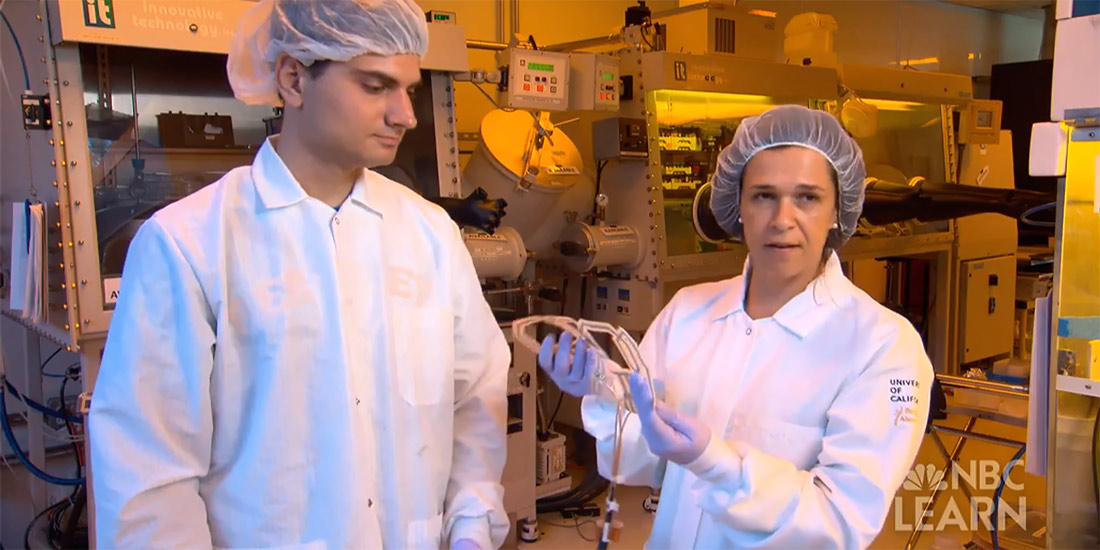
01/26/16 NSF/NBC — You may have nanotechnology in your pocket and not even know it. In a video feature on nanotechnology's everyday impacts, EECS associate professor Ana Claudia Arias talks about her work with flexible sensors.
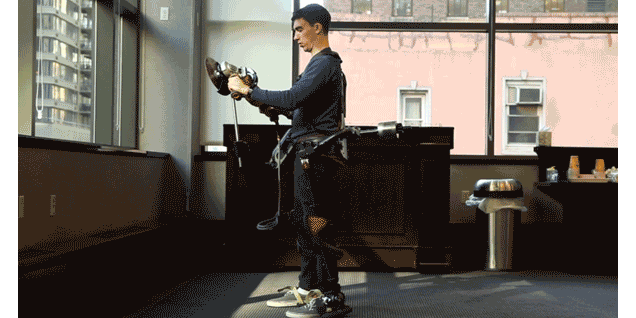
01/26/16 Time — Ekso Bionics, which grew out of Berkeley Engineering's Robotic and Human Engineering Lab, is working on an exoskeleton that can help workers lift and use heavy power tools for long stretches of time by literally taking the weight off their backs.
01/25/16 The Atlantic — At Berkeley Engineering, the on-campus presentations by Silicon Valley companies mean free t-shirts, free food, and lots of stories about meditation and disco balls.