• Skip to main content
  • Skip to primary navigation
  • Departments
    • Bioengineering
    • Civil and Environmental Engineering
    • Electrical Engineering and Computer Sciences
    • Industrial Engineering and Operations Research
    • Materials Science and Engineering
    • Mechanical Engineering
    • Nuclear Engineering
    • Aerospace program
    • Engineering Science program
  • News
    • Berkeley Engineer magazine
    • Social media
    • News videos
    • News digest (email)
    • Press kit
  • Events
    • Events calendar
    • Commencement
    • Homecoming
    • Cal Day
    • Space reservations
    • View from the Top
    • Kuh Lecture Series
    • Minner Lecture
  • College directory
  • For staff & faculty
Berkeley Engineering

Berkeley Engineering

Educating leaders. Creating knowledge. Serving society.

  • About
    • Facts & figures
    • Rankings
    • Mission & values
    • Equity & inclusion
    • Voices of Berkeley Engineering
    • Leadership team
    • Milestones
    • Buildings & facilities
    • Maps
  • Admissions
    • Undergraduate admissions
    • Graduate admissions
    • New students
    • Visit
    • Maps
    • Admissions events
    • K-12 outreach
  • Academics
    • Undergraduate programs
    • Majors & minors
    • Undergraduate Guide
    • Graduate programs
    • Graduate Guide
    • Innovation & entrepreneurship
    • Kresge Engineering Library
    • International programs
    • Executive education
  • Students
    • New students
    • Advising & counseling
    • ESS programs
    • CAEE academic support
    • Grad student services
    • Student life
    • Wellness & inclusion
    • Undergraduate Guide
    • > Degree requirements
    • > Policies & procedures
    • Forms & petitions
    • Resources
  • Research & faculty
    • Centers & institutes
    • Undergrad research
    • Faculty
    • Sustainability and resiliency
  • Connect
    • Alumni
    • Industry
    • Give
    • Stay in touch
Home > News

Security & privacy

Robot from the science fiction fantasy film “Terminator Genisys.”

Musk, Hawking among experts to urge ban on military robots

07/31/15 New York Times — Thousands of artificial intelligence researchers and experts are calling for a worldwide ban on so-called autonomous weapons, warning that they could set off a revolution in weaponry comparable to gunpowder and nuclear arms. Signatories include EECS professor Stuart Russell, Apple co-founder (and Berkeley alum) Steve Wozniak, and dozens of other Berkeley Engineering faculty and students.
Teaching coding and hacking skills to summer camp students

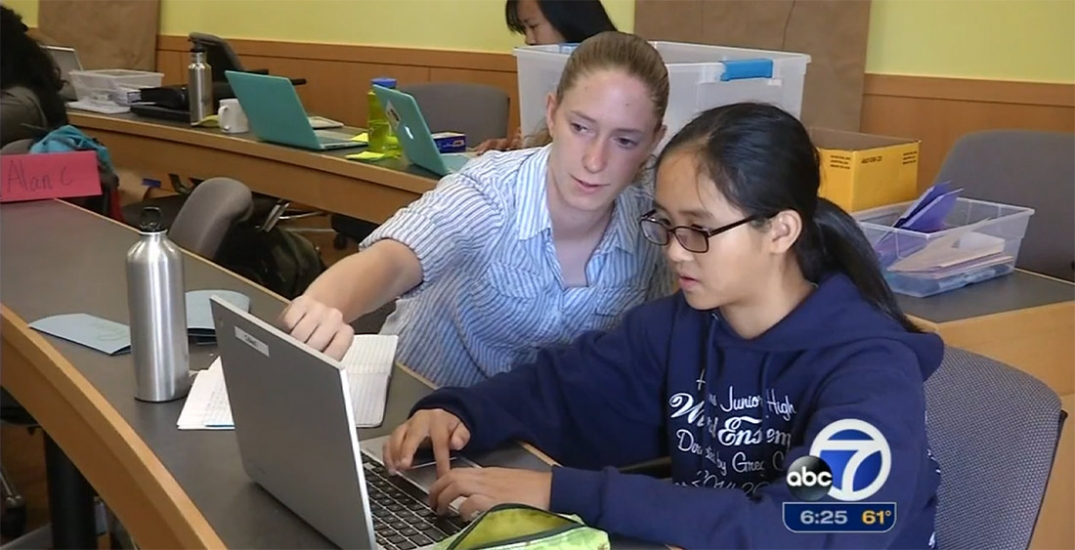
UC Berkeley holds NSA-sponsored hacking summer camp for teens

07/06/15 KGO-TV — It is summer camp season and at UC Berkeley it is the government's cyberspies - the National Security Agency - who are sponsoring the summer fun. Instead of cloak and dagger, it's all about codes and hackers.
Stuart Russell

Q&A: Concerns of an Artificial Intelligence pioneer

04/21/15 Quanta magazine — Computer scientist and EECS professor Stuart Russell wants to ensure that our increasingly intelligent machines remain aligned with human values.
Yahel Ben-David and Barath Raghavan

Freedom phones

11/01/14 — EECS Ph.D. student Yahel Ben-David and alum Barath Raghavan lead the De Novo Group, a research team developing the Rangzen smartphone app, designed to support dissenters and protect identities.
Drawing of circuit boards as brain

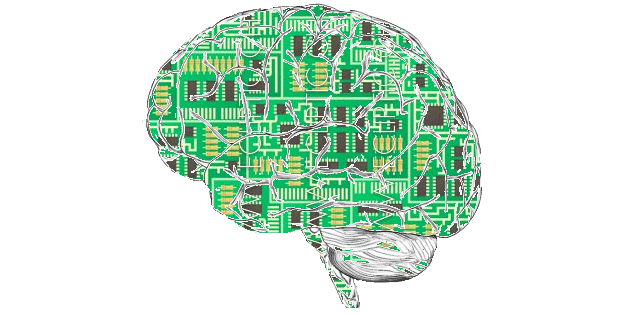
AI researchers say Elon Musk’s fears ‘not completely crazy’

10/29/14 Computerworld — Commenting on high-tech entrepreneur Elon Musk provocative statement that artificial intelligence research is a danger to humanity, EECS professor and robotics researcher Stuart Russell says that "If we don't know how to control AI… it would be like making a hydrogen bomb. They would be much more dangerous than they are useful."
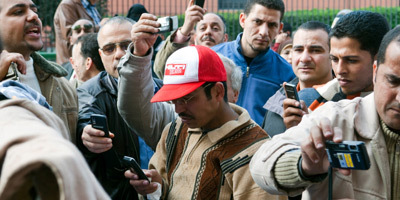
Cellphone photographers in Cairo during the Arab Spring

Cybertools offer new channels for free speech, but grassroots organizing still critical

10/02/14 — Scholars from CITRIS, the Blum Center and EECS assess the ways the Internet and online tools have changed how social movements operate and communicate in the 50 years since the Free Speech Movement.
Password entry field

Password managers hacked: Researchers find ‘critical’ vulnerabilities

07/15/14 siliconANGLE — Berkeley Engineering researchers have discovered several quickly-patched vulnerabilities in popular password managers that could allow attackers to gain access.
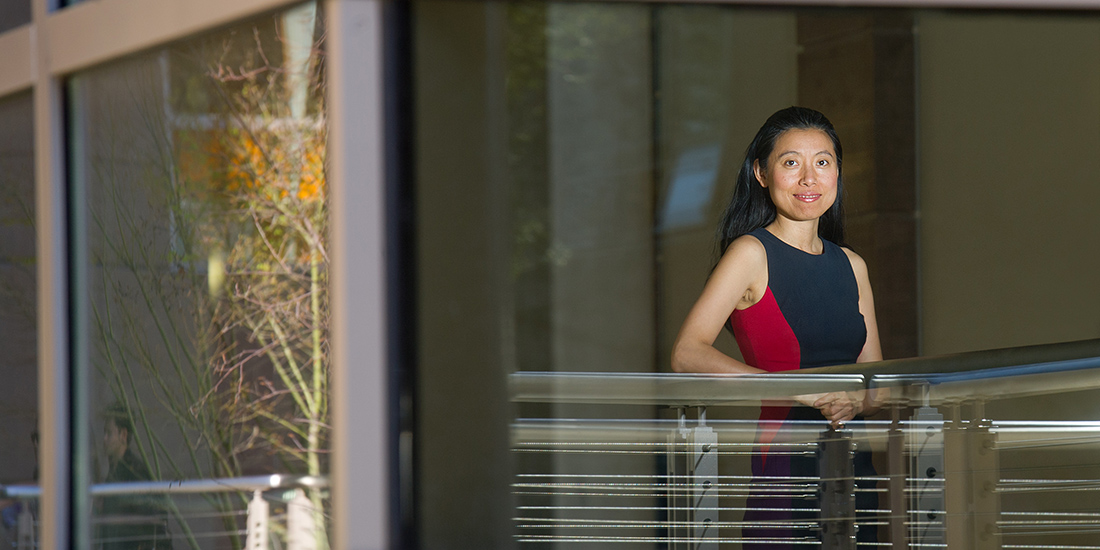
Dawn Song

The last firewall

05/01/14 — Implantable medical devices, brain-machine interfaces and wearable technology all present intensifying privacy and security challenges. Better to build security into such devices rather than trying to layer it over them later.
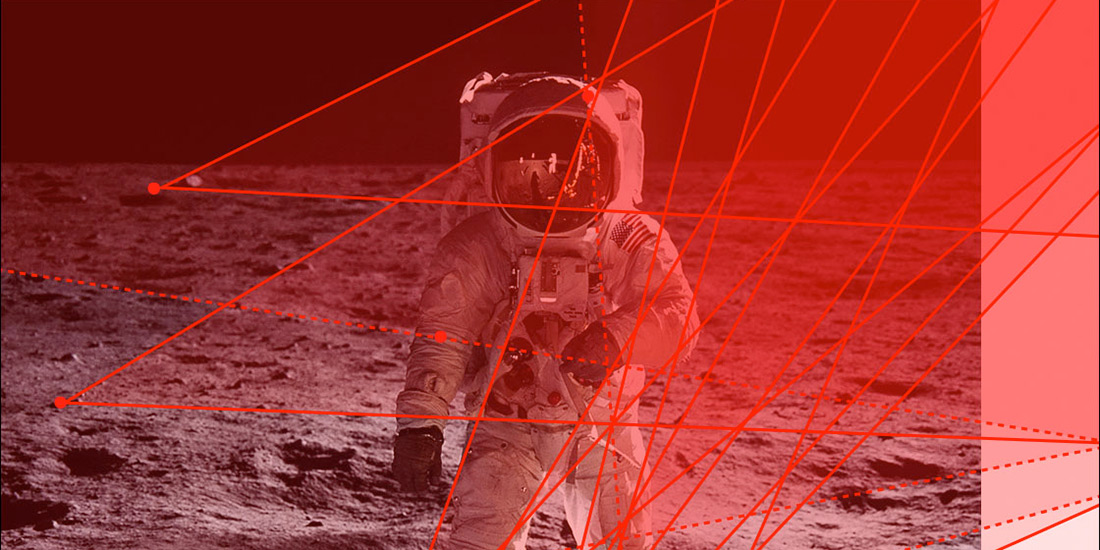
Analysis of shadows in moon landing photo

Moonshadow

05/01/14 — Computer science professor James O'Brien, who began tinkering with code while in elementary school, has helped design a technique for detecting altered photographs.
Johnny Depp in Transcendence

Neuroengineers bring science cred, Berkeley feel to ‘Transcendence’ film

04/18/14 — When Hollywood knocked on the doors of UC Berkeley engineering professors Michel Maharbiz and Jose Carmena, the researchers answered. Director Wally Pfister tapped the researchers' expertise in neural engineering and brain-machine interfaces during the filming of his movie, “Transcendence.”
cybercrime

Undergrads tackle security projects to battle cyber criminals

01/16/14 USA Today College — In an era when billions are stolen by hackers every year, UC Berkeley and other universities are training students to be the next generation of cyber warriors.

Helping dissenters evade foreign eavesdropping

11/05/13 San Francisco Chronicle — Yahel Ben-David, a computer science doctoral student, has been working with other Berkeley Engineering researchers to create an Android application that will allow activists and citizens to communicate anonymously even when oppressive governments try to shut down communications channels.

Cracked encryption? Back doors? Cellphone snooping may be easier than ever

10/31/13 NBC News — Computer science professor Vern Paxson weighs in on the National Security Agency's interception of wireless communications, noting that even modern encryption may have flaws if done incorrectly. He also worries about allegations that the NSA is vacuuming up information at a heretofore unimagined scale.

Campus information security office works to stay ahead of hackers

10/18/13 Daily Californian — UC Berkeley's Information Security and Policy Office, aided by EECS graduate students and professors, is undergoing a three-year overhaul to strengthen the campus's online security.

New technique analyzes shadows to spot photo fakes

08/15/13 Inside Science — A new algorithm, developed by Berkeley computer science professor James O'Brien and colleagues at Dartmouth, can spot fake photos by looking for inconsistent shadows that are not always obvious to the naked eye.

Using citizen videos, Rashomon Project seeks to protect activists

07/23/13 New Hampshire Public Radio — As citizen-generated media grows increasingly integrated into protest coverage, software developed by UC Berkeley researchers could help protect activists against unjust persecution. Berkeley Engineering professor Ken Goldberg talks about the CITRIS Data and Democracy Initiative's Rashomon Project, which he leads.

Paying bug bounties is more cost-effective than a security team, study finds

07/10/13 PC World — Paying rewards to independent security researchers for finding software problems is a vastly better investment than hiring employees to do the same work, according to UC Berkeley computer science researchers who studied vulnerability reward programs run by Google and Mozilla.

How password strength meters can improve security

05/20/13 Information Week — Password strength meters aren't just window dressing, but can result in stronger passwords when users are forced to change "important" accounts, according to a new study by UC Berkeley researcher Serge Egelman and colleagues at the University of British Columbia and Microsoft Research.

Mind readers

05/01/13 — Researchers were able to infer sensitive information—such as credit card PINs, birth months and home locations—from participants wearing brainwave-reading headsets that are typically used for hands-free gaming.

California vies for drone-testing contracts

04/08/13 KQED — As the FAA pushes ahead with plans to test-fly unmanned nonmilitary drones at six sites around the country, including possibly some in California, Dean of Engineering Shankar Sastry weighs in on some of the concerns - safety, privacy, technology - that must be addressed.
  • « Go to Previous Page
  • Go to page 1
  • Go to page 2
  • Go to page 3
  • Go to page 4
  • Go to page 5
  • Go to Next Page »
  • Contact
  • Give
  • Privacy
  • UC Berkeley
  • Accessibility
  • Nondiscrimination
  • instagram
  • X logo
  • linkedin
  • facebook
  • youtube
  • bluesky
© 2026 UC Regents