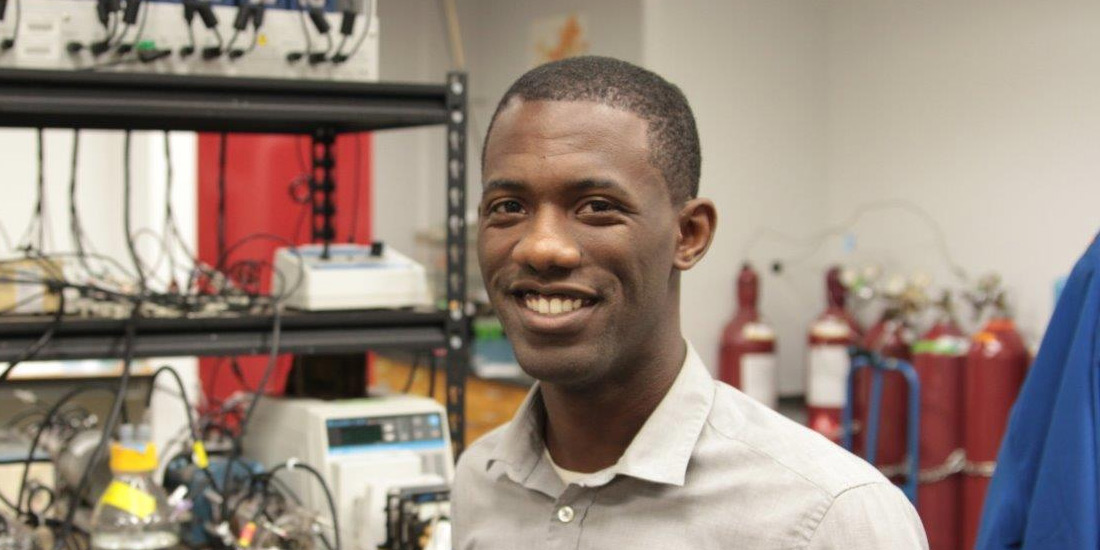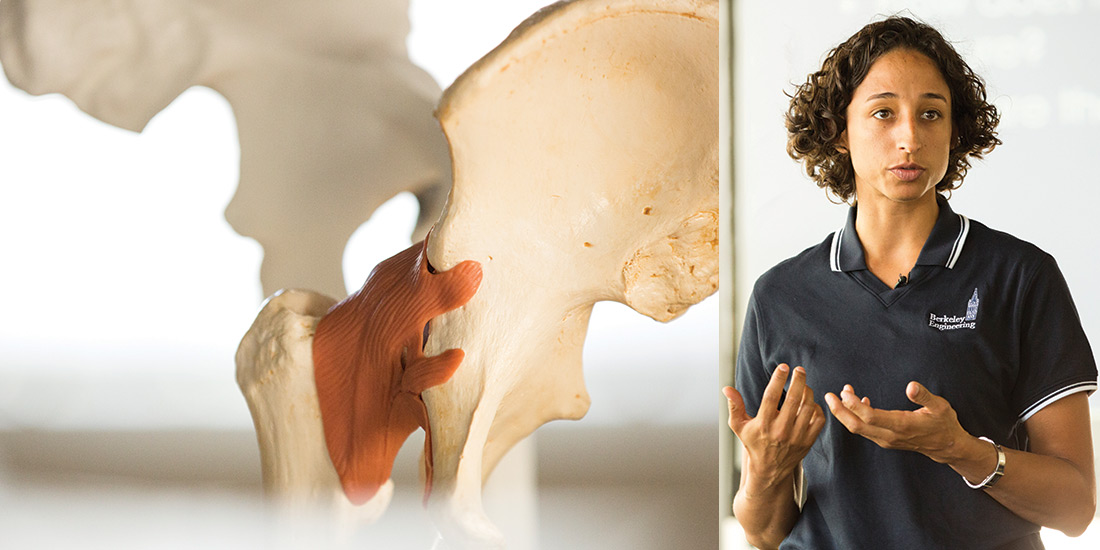
11/01/14 — Assistant professor in the mechanical engineering department since 2013, Grace O'Connell discusses her background, her first year at the college and her work in tissue engineering and spinal biomechanics.
11/01/14 — EECS professor Connie Chang-Hasnain, named associate dean for strategic alliances in July, has introduced a robust toolkit of nano-optoelectronic circuit elements.
11/01/14 — Brian Barsky, professor of computer science and vision science, teamed up with colleagues at MIT to improve vision-correcting display technology; given an eyeglasses prescription, researchers can now pre-correct the display to enable that user to see the screen in sharp focus without glasses.
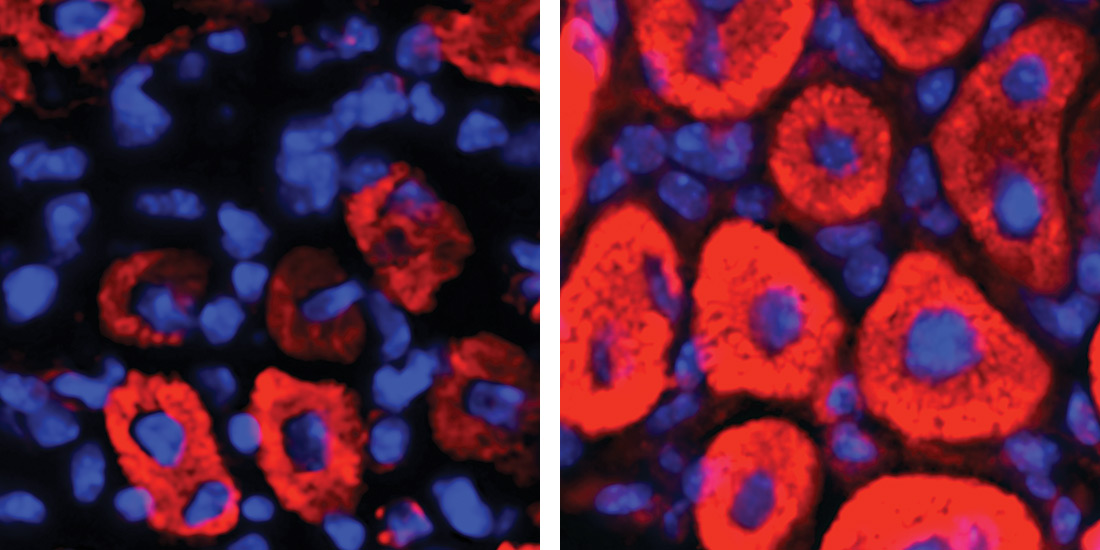
11/01/14 — Led by bioengineering professor Irina Conboy, Berkeley researchers found that oxytocin-the hormone associated with social attachments, childbirth and sex-may combat age-related muscle degeneration.
11/01/14 — EECS professor Umesh Vazirani and his colleagues have developed an algorithm that helps demystify a paradox inherent in evolution, demonstrating that diversity results from the selection process, as well as genetic mutations.
11/01/14 — EECS professor Michel Maharbiz and bioengineering graduate student Daniel Cohen found that an electrical current can orchestrate the migration of a group of cells into a shape of their choosing.
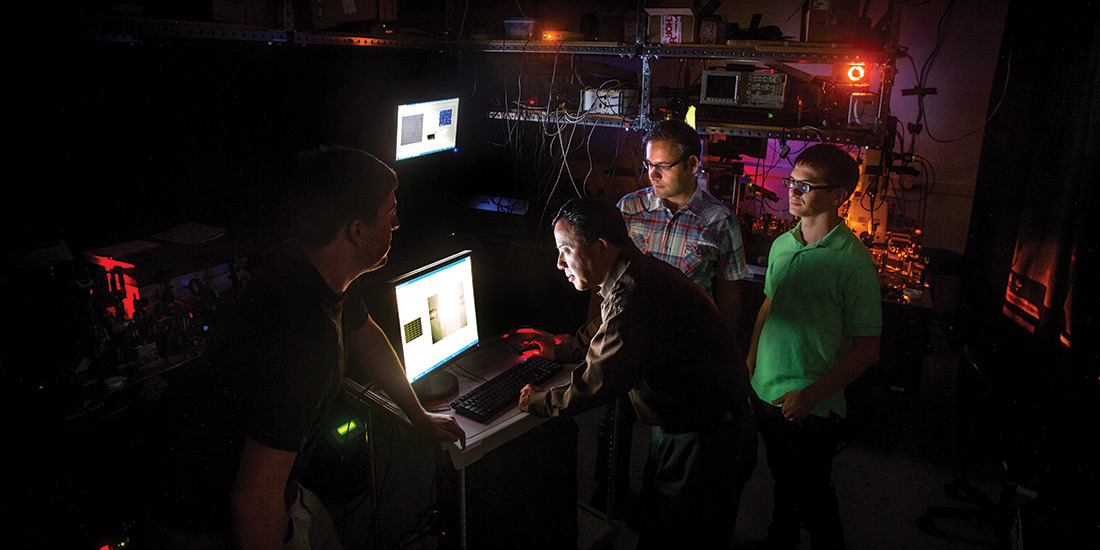
11/01/14 — Take a look into mechanical engineering professor Xiang Zhang's XLab, where Zhang and his more than 30 postdocs, Ph.D. students and visiting scientists investigate the emerging field of metamaterials.
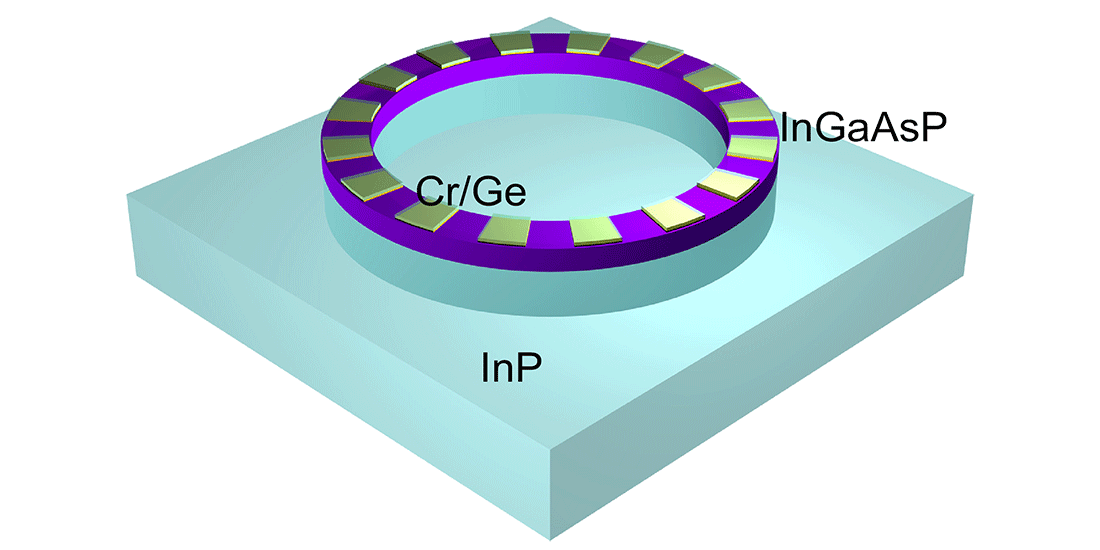
10/31/14 Berkeley Lab — In a significant breakthrough in laser technology, scientists led by Xiang Zhang of Berkeley Engineering and Berkeley Lab have developed a unique microring laser cavity that can produce single-mode lasing even from a conventional multi-mode laser cavity.
10/29/14 Computerworld — Commenting on high-tech entrepreneur Elon Musk provocative statement that artificial intelligence research is a danger to humanity, EECS professor and robotics researcher Stuart Russell says that "If we don't know how to control AI… it would be like making a hydrogen bomb. They would be much more dangerous than they are useful."
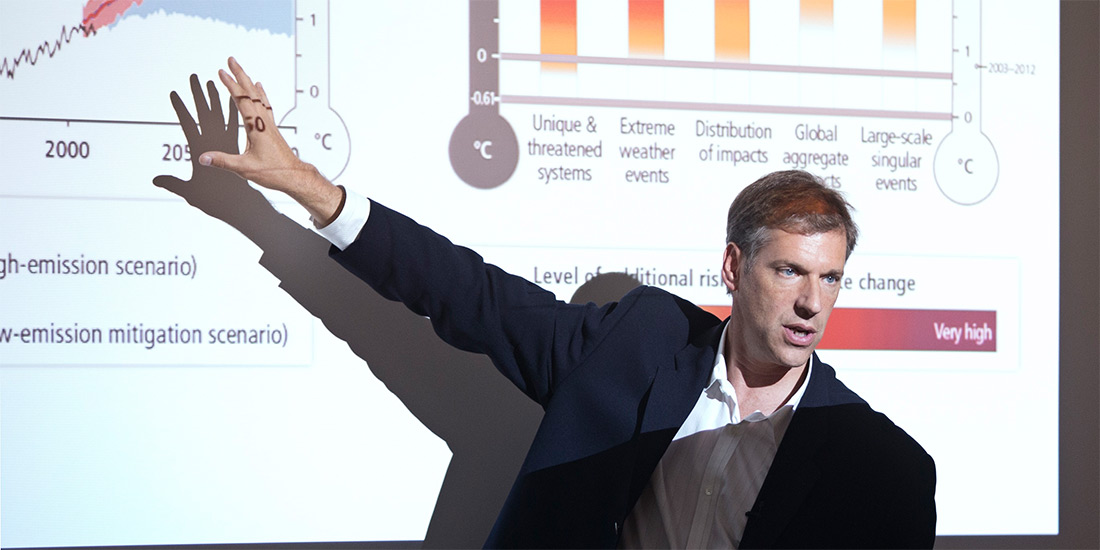
10/28/14 CleanTechnica — A new policymaking tool to better enable the shift to renewable energy has been developed by researchers at UC Berkeley, led by Dan Kammen, Class of 1935 Distinguished Professor of Energy.
10/27/14 New York Times — In a conversation with the New York Times' Bits blog, Berkeley Engineering professor, roboticist and new media pioneer Ken Goldberg discusses what he thinks will be one of the great technology breakthroughs of our age: the fusing of robotics and cloud computing.
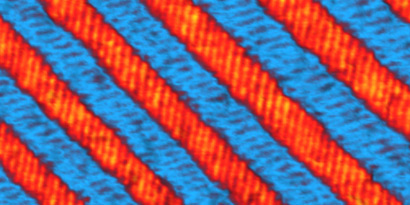
10/26/14 — Ferroelectric materials – commonly used in transit cards, gas grill igniters, video game memory and more – could become strong candidates for use in next-generation computers, thanks to new research led by Berkeley Engineering scientists and their colleagues at the University of Pennsylvania.
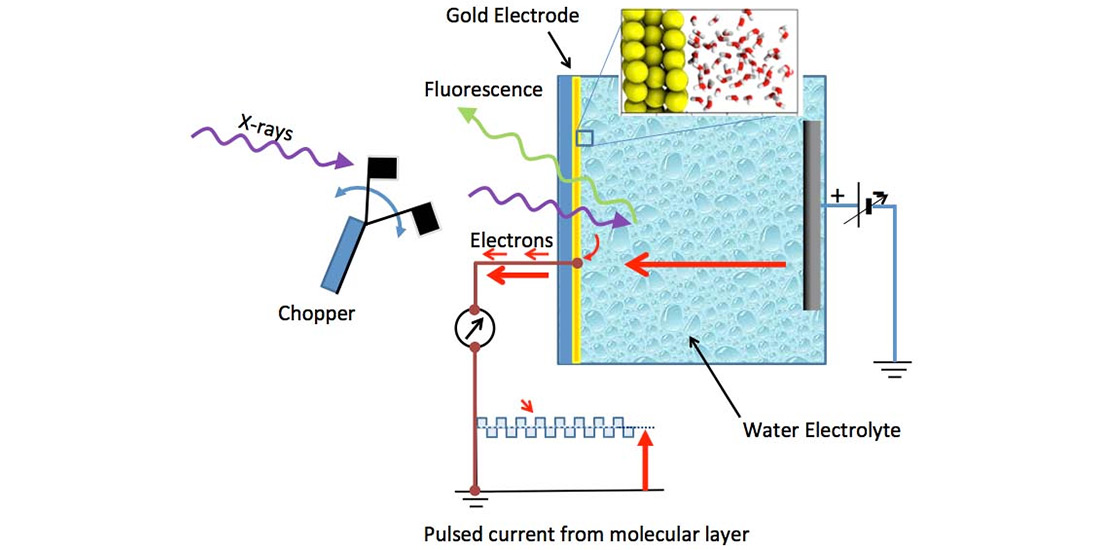
10/24/14 Berkeley Lab — In a research first, a team led by Miquel Salmeron, Berkeley Lab senior scientist and MSE professor, has observed the molecular structure of liquid water at a gold surface under different charging conditions.
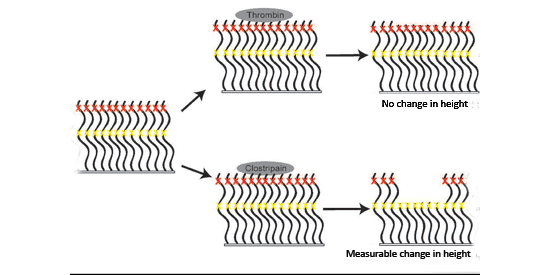
10/14/14 — Berkeley bioengineers have taken proteins from nerve cells and used them to create a “smart” material that is extremely sensitive to its environment. This marriage of materials science and biology could give birth to a flexible, sensitive coating that is easy and cheap to manufacture in large quantities.
10/10/14 California magazine — Civil engineering professor Abolhassan Astaneh-Asl, one of the earliest and most vocal critics of the new Bay Bridge design, has been portrayed as a Cassandra, but these days he merely seems prescient.
10/06/14 Vox — In an extensive interview with Vox, civil engineering professor David Sedlak, co-director of the Berkeley Water Center, discusses the challenges facing urban water systems, which evolved in response to three major crises but are now facing a fourth.
09/19/14 KALW — At the movies, the Golden Gate Bridge has been leveled by earthquakes, apes, even a mega-shark. But how would the iconic span fare in more realistic disaster scenarios? Civil engineering professor Abolhassan Astaneh-Asl helps KALW radio figure it out.
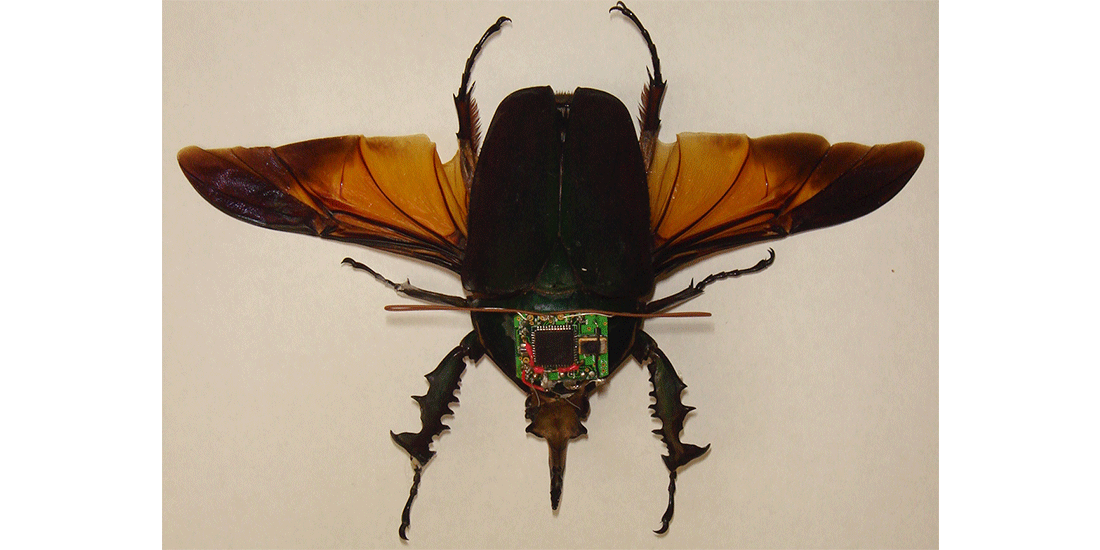
09/12/14 Texas Instruments — EECS associate professor Michel Maharbiz spends his days studying the "beautiful systems" of the insect world, and applying that knowledge to building the tiniest of flying objects.
09/12/14 — Development engineers elude easy definition, but they are trained as multi-tooled tacticians creating holistic solutions to technical challenges that are interlaced with social and political complexities.