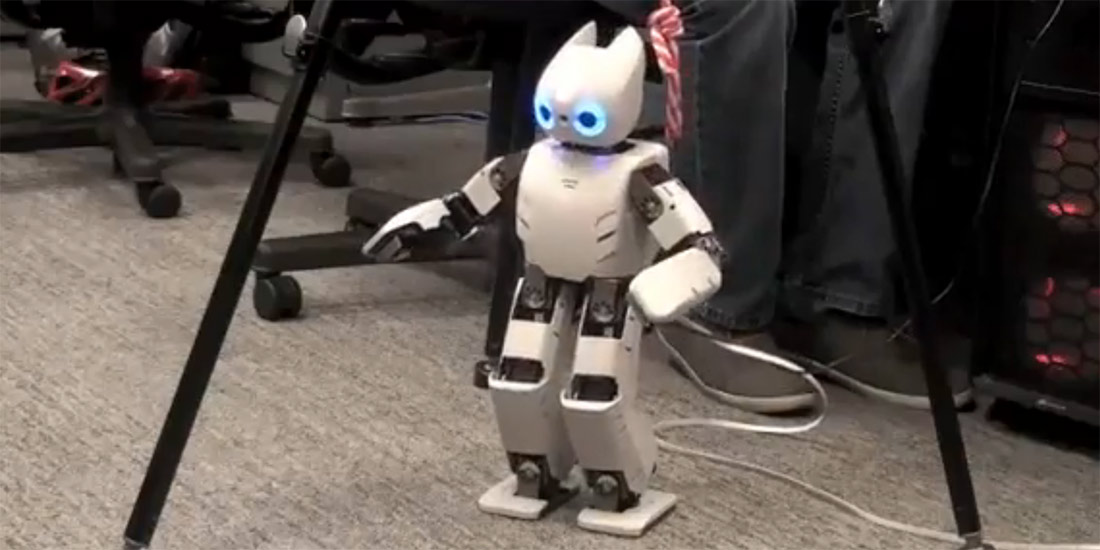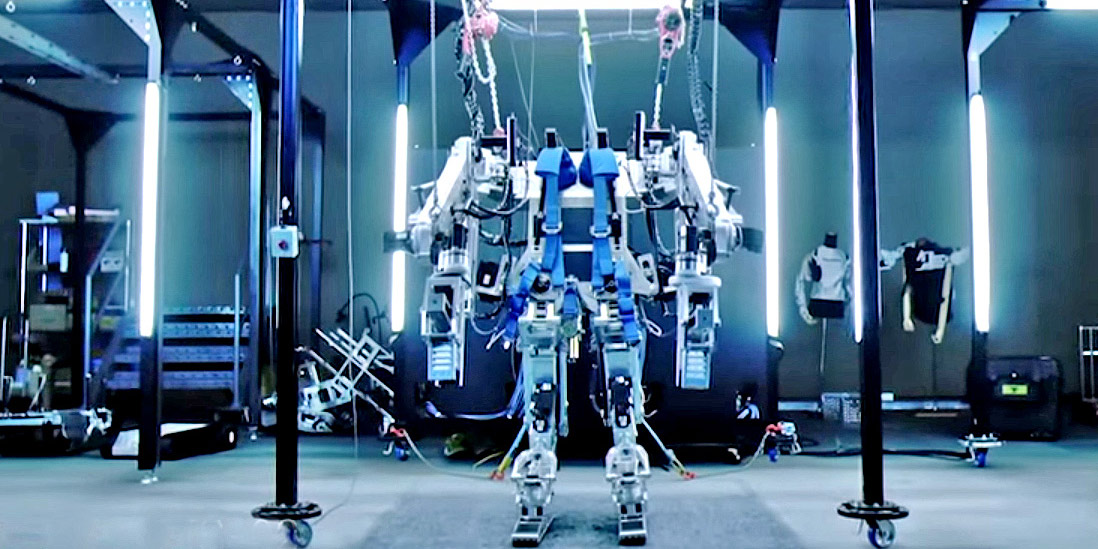
06/10/15 California magazine — As robots and other machines controlled by artificial intelligence are getting more sophisticated and more widely used, calls have gone out to try to instill morals in their decision-making pathways. But how? Computer science professor Stuart Russell weighs in.
06/01/15 Berkeley Research — Computer science professor Eric Brewer and the students in his cross-departmental Technology and Infrastructure for Emerging Regions (TIER) program are tackling power shortages in Africa, blindness in India, and other challenges where technology can make a major impact in the developing world.
05/28/15 — In an op-ed piece for the science journal Nature, Stuart Russell, an expert in artificial intelligence, outlines the debate over the use of AI weapons systems, and notes widespread agreement on the need for “meaningful human control” over targeting and engagement decisions. “Unfortunately,” he adds, “the meaning of ‘meaningful' is still to be determined."
05/22/15 — UC Berkeley researchers have developed algorithms that enable robots to learn motor tasks through trial and error using a process that more closely approximates the way humans learn, marking a major milestone in the field of artificial intelligence.
05/20/15 NPR — Seven years ago, Berkeley researcher Pieter Abbeel set out on a quest: to teach a robot how to fold laundry. This proved to be a remarkably difficult task - and the difficulty of the task illuminates some key things about the limits of machines. See story and hear four-minute podcast.
05/18/15 — Research led by Berkeley bioengineers has completed key steps needed to turn sugar-fed yeast into a microbial factory for producing therapeutic drugs. But because the work could lead to home-brewing of opiates and other controlled substances, the researchers warn that regulators and law enforcement need to pay attention, too.
05/13/15 — UC Berkeley bioengineers have discovered that a small-molecule drug simultaneously perks up old stem cells in the brains and muscles of mice, a finding that could lead to drug interventions for humans that would make aging tissues throughout the body act young again.
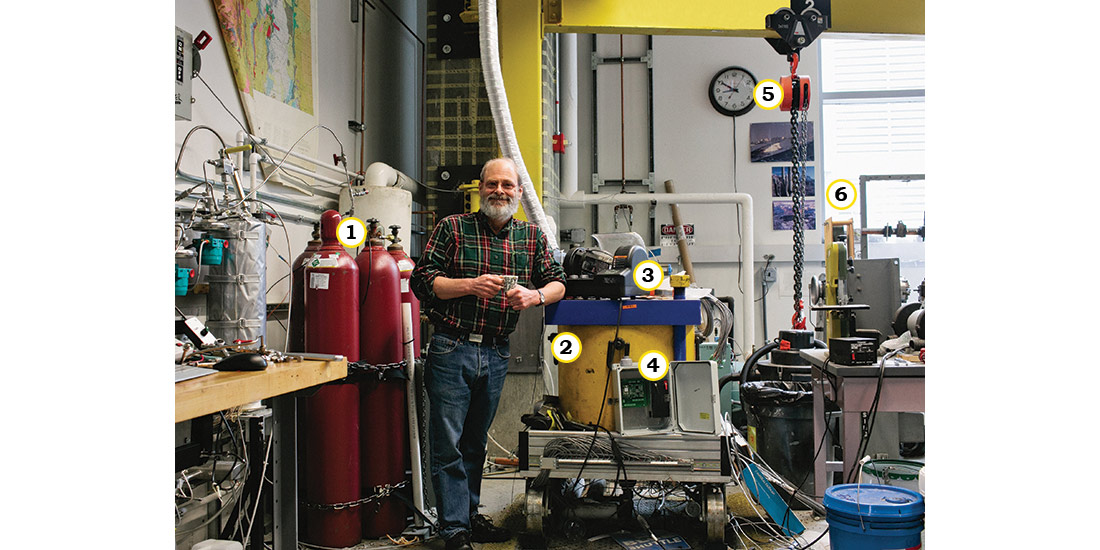
05/04/15 Inside Science — A study co-authored by materials science and engineering professor Robert Ritchie has shown, for the first time, that collagen explains the great durability of skin. The finding could help scientists develop better synthetic skin and improve the strength of man-made materials.
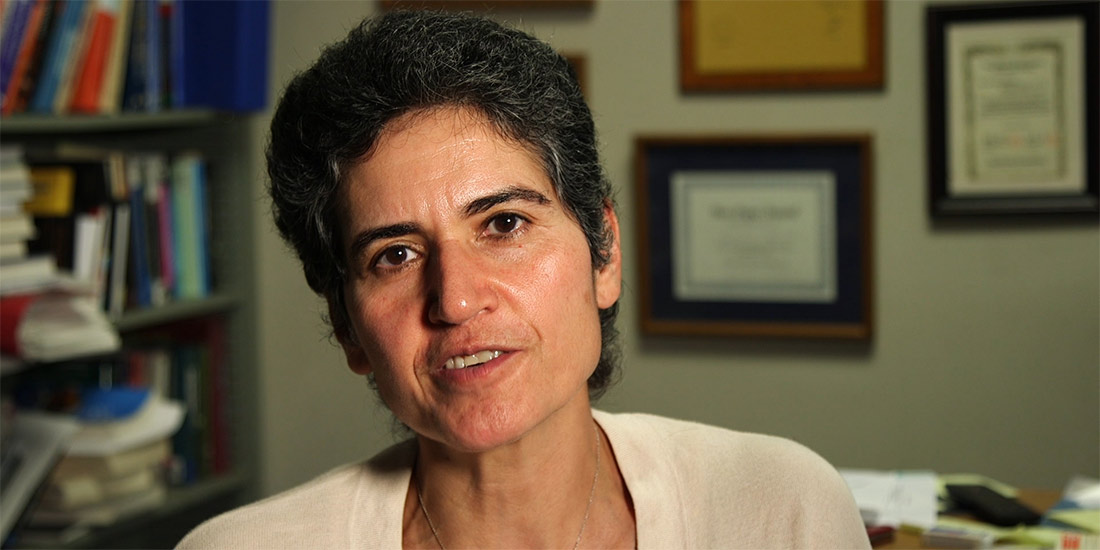
05/01/15 Simons Institute — EECS professor Umesh Vazirani discusses efforts at the Simons Institute for the Theory of Computing to foster a dialogue between the disciplines of information theory and computer science.
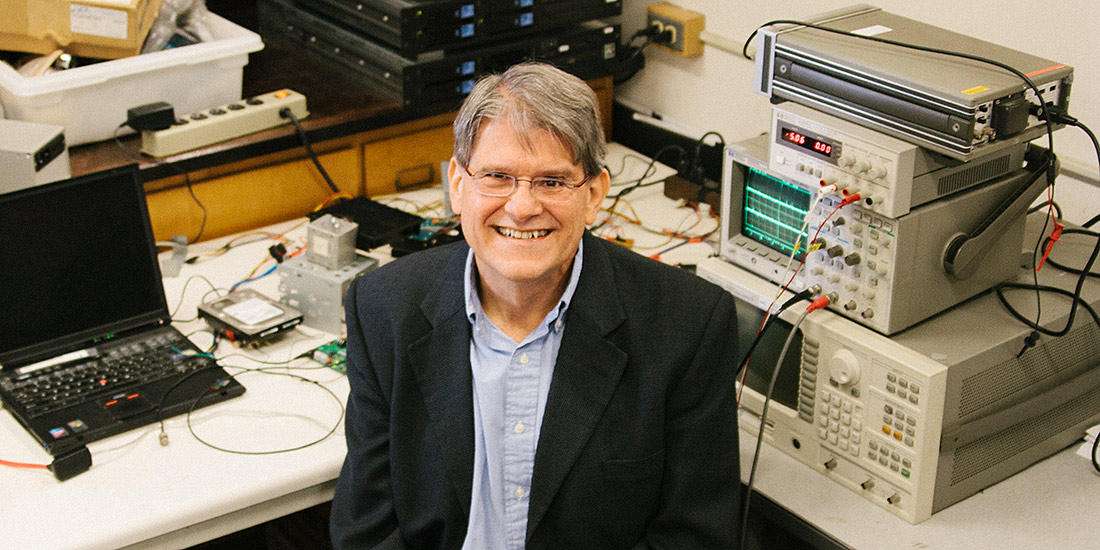
05/01/15 — EECS professors David Patterson and Carlo Séquin, along with the Reduced Instruction Set Computer team, were honored by IEEE for their landmark work from the 1980s.
04/28/15 Berkeley Research — Berkeley bioengineer David Schaffer uses a strategy known as directed evolution to find variations in a common virus that will allow it to effectively deliver drugs to target cells.
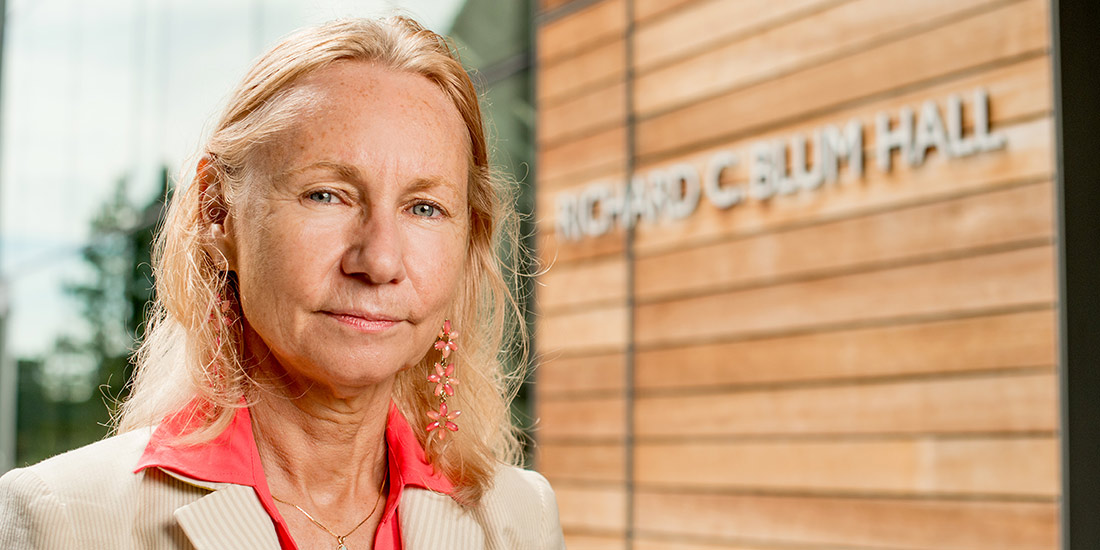
04/27/15 New York Times — In a New York Times op-ed article, Lina Nilsson, innovation director for the Blum Center, writes that the key to increasing the number of female engineers may be to focus engineering projects and curriculums on achieving societal good.
04/23/15 — Samer Madanat, chair of the Department of Civil & Environmental Engineering from 2012-present, has been named dean of engineering at New York University's Abu Dhabi campus, and will be leaving Berkeley in July.
04/21/15 Quanta magazine — Computer scientist and EECS professor Stuart Russell wants to ensure that our increasingly intelligent machines remain aligned with human values.
03/31/15 White House — President Obama on Monday named Sheila Humphreys, EECS director emerita of diversity, as one of 14 recipients of the Presidential Award for Excellence in Science, Mathematics, and Engineering Mentoring. Also honored were Berkeley Engineering alumni Gary May (M.S.'87, Ph.D.'91, EECS), engineering dean at Georgia Tech, and Lorraine Fleming (Ph.D.'85 CEE) of Howard University.
03/30/15 Berkeley Lab — Scott Moura, assistant professor of civil and environmental engineering, has co-authored a study with Berkeley Lab colleagues that may alleviate concerns over battery life in electric vehicles.