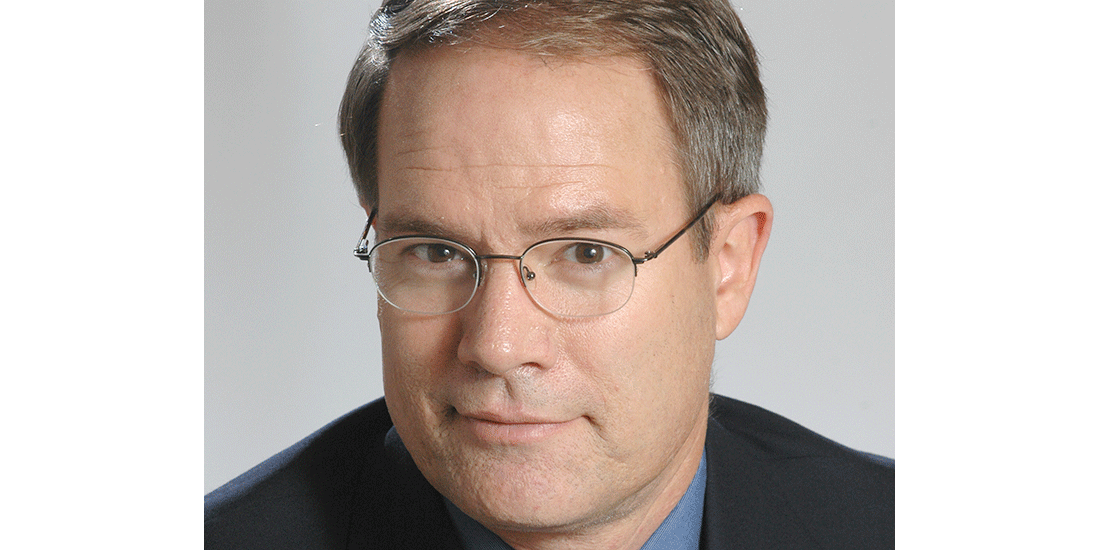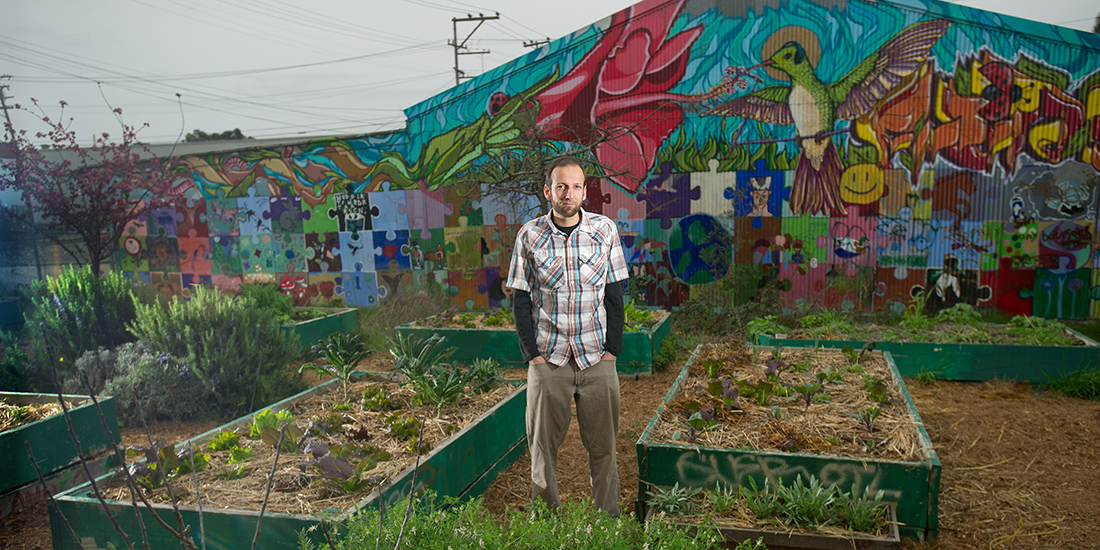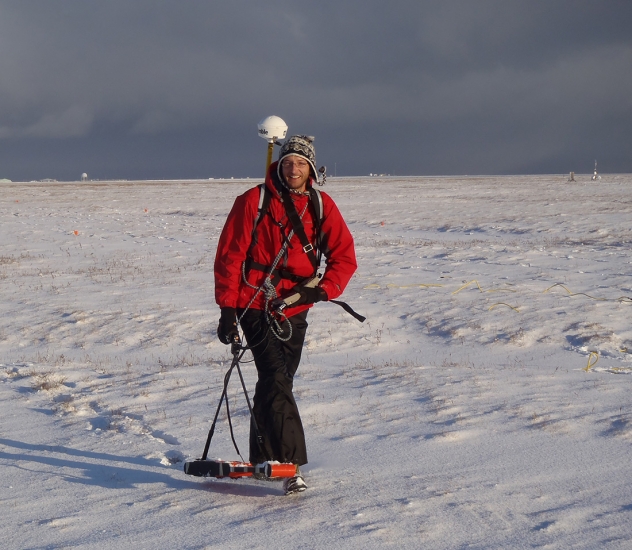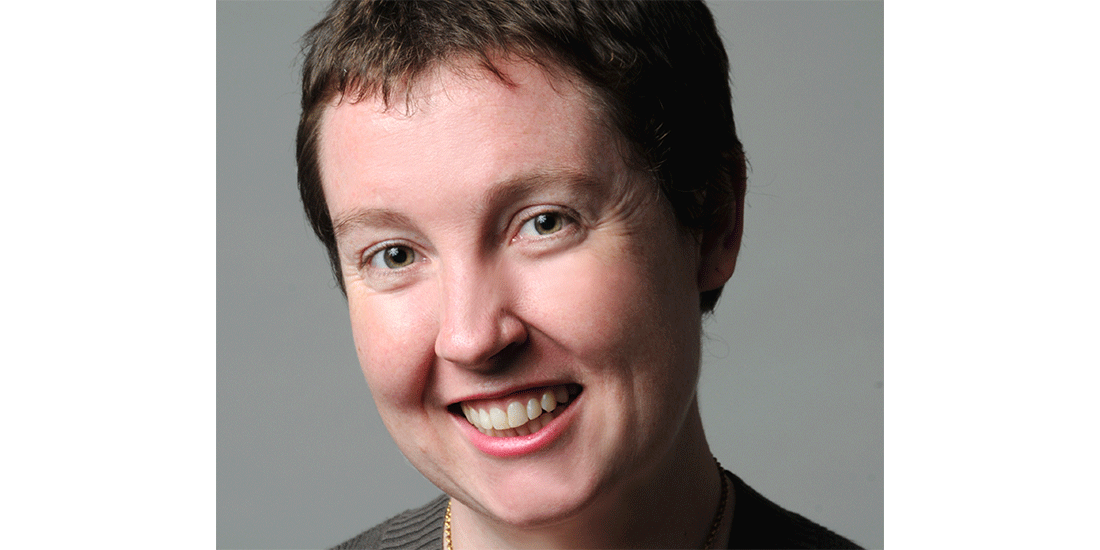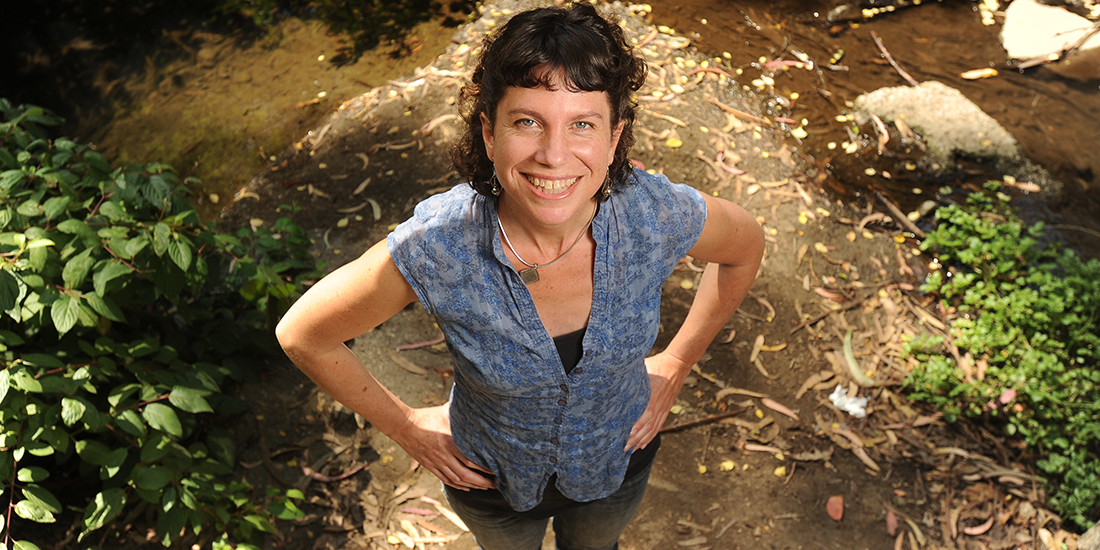
05/01/14 — Geophysicist Susan Hubbard (Ph.D'98 CEE) leads a research team from the Lawrence Berkeley National Laboratory in Barrow, Alaska as part of the 10-year Next-Generation Ecosystem Experiment.
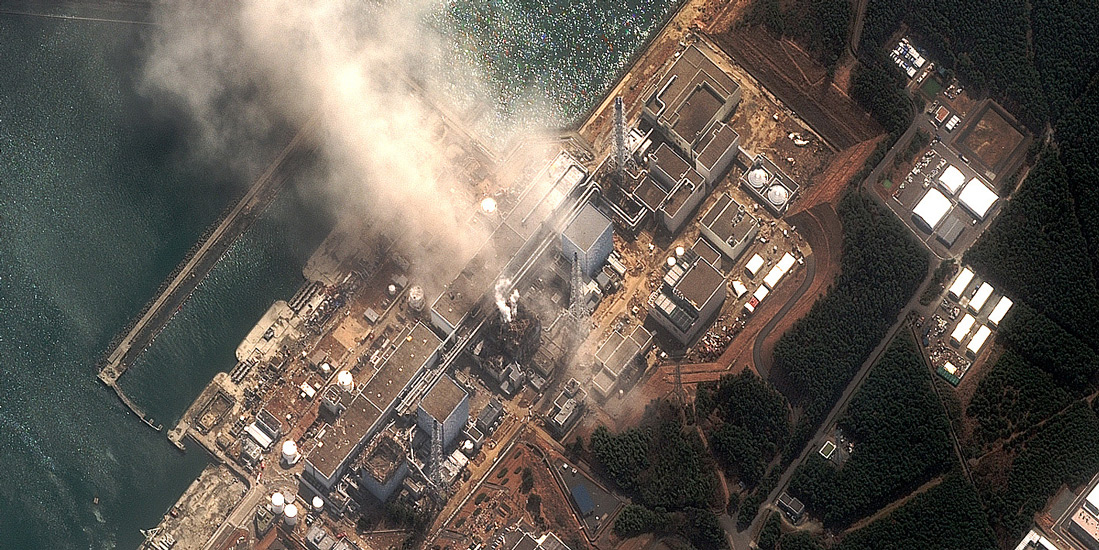
03/24/14 Contra Costa Times — Japanese radioisotopes aren't lurking in the sand at Miramar Beach, the California Department of Public Health said in a final report debunking suggestions that the beach contained radioactive material from the 2011 Fukushima Daiichi nuclear disaster. "Nuclear radiation is something you can't smell, see and feel; it tends to scare people" said UC Berkeley nuclear engineering professor Kai Vetter, leader of the school's Rad Watch project, which has tested West Coast air, rain, milk and fish without finding any evidence that Fukushima-related contamination poses a health threat.
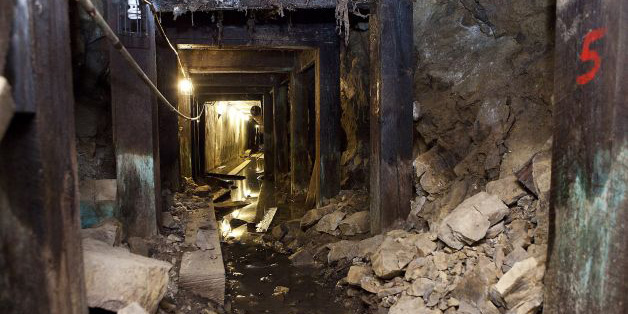
03/17/14 San Francisco Chronicle — More than 70 years after UC Berkeley's mining school was absorbed into the College of Engineering, earthquake researchers studying the Hayward Fault plan to install seismographs and high-frequency microphones inside the Lawson Adit -- a rocky mine shaft stretching east from Hearst Memorial Mining Building that was built by Berkeley students a century ago.
03/14/14 Daily Clog Science — In an Ask Me Anything session this week on Reddit, six professors from UC Berkeley's department of nuclear engineering answered questions ranging from concerns about thorium reactor design to environmental monitoring in Fukushima.
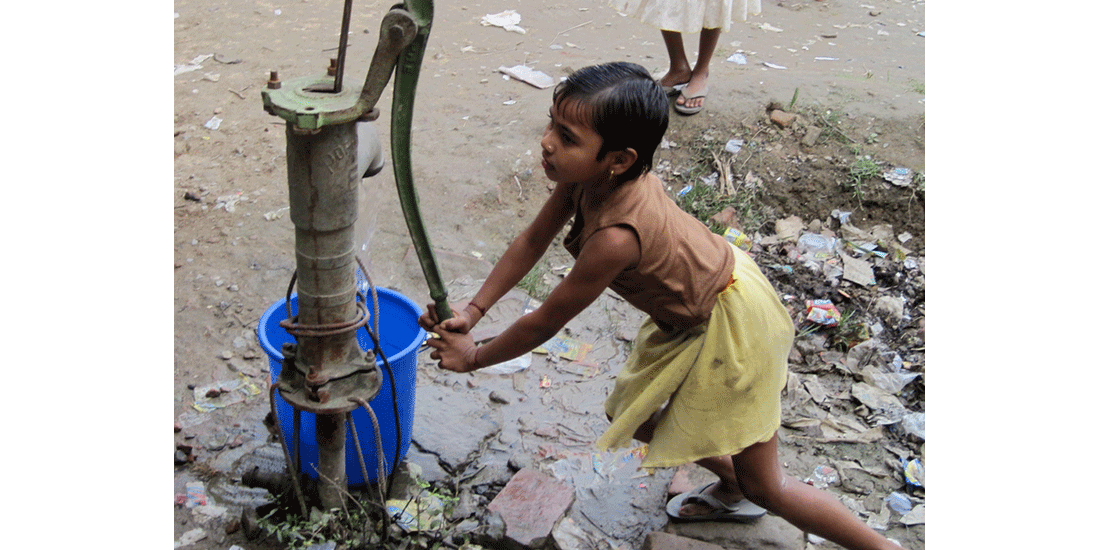
03/10/14 Berkeley Lab — Berkeley researchers, led by Ashok Gadgil and Susan Amrose of civil and environmental engineering, have developed technology that uses electricity to remove arsenic from groundwater, where it can be a silent killer. More importantly, they have created a business model and partnered with a company in India to improve the technology's chances for longevity.
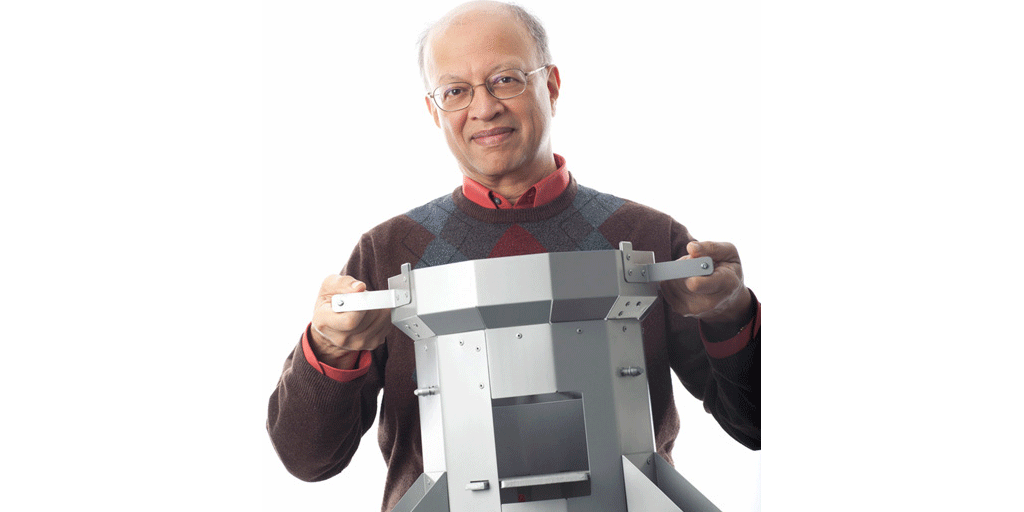
03/04/14 National Inventors Hall of Fame — Ashok Gadgil, professor of civil and environmental engineering, had been inducted into the National Inventors Hall of Fame. Gadgil was honored for two inventions that have helped millions of people in remote areas: UV Waterworks, a low-powered water disinfection system that uses UV light to kill pathogens, and the Berkeley-Darfur Stove, which reduces fuel demands of those in displacement camps.
02/26/14 National Public Radio — David Sedlak, professor of civil and environmental engineering, talks with NPR's All Things Considered about the many methods of capturing and reusing drinking water.
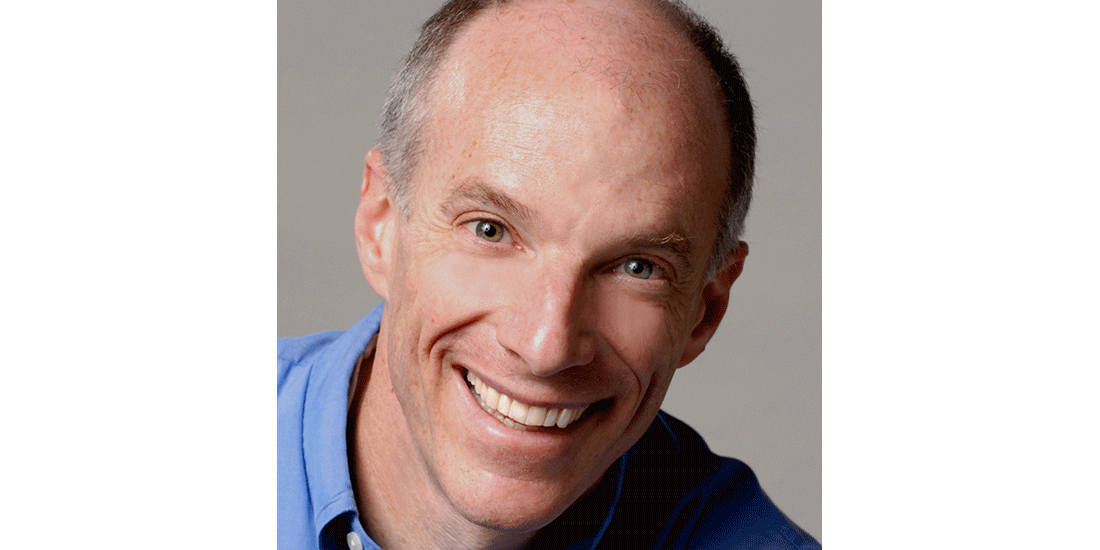
02/18/14 — As California grapples with what state water officials have called a drought of "epic proportions," UC Berkeley urban-water expert David Sedlak, a professor of civil and environmental engineering, has been watching for signs that people are ready for a water revolution.
02/12/14 — Normally, scientists don't have to worry about a polar bear charging them at 30 miles per hour. But this can be a big safety concern for researchers in Barrow, Alaska, where geophysicist Susan Hubbard (Ph.D'98 CEE) studies the Arctic ecosystem to improve climate modeling.
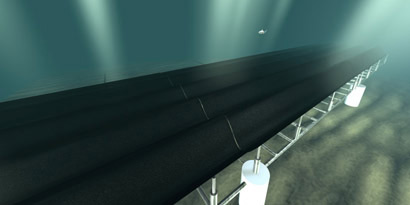
01/28/14 — UC Berkeley mechanical engineers are developing a seafloor carpet system to capture ocean wave energy and convert it into usable electricity. The system could eventually help lower the cost of converting seawater into fresh water, easing the pressure during periods of drought.
01/15/14 — A team of UC Berkeley scientists, including Sally Thompson of Civil and Environmental Engineering, will receive $4,900,000 from the National Science Foundation to study the Eel River watershed in Northern California and how its vegetation, geology and topography affect water flow all the way to the Pacific Ocean.
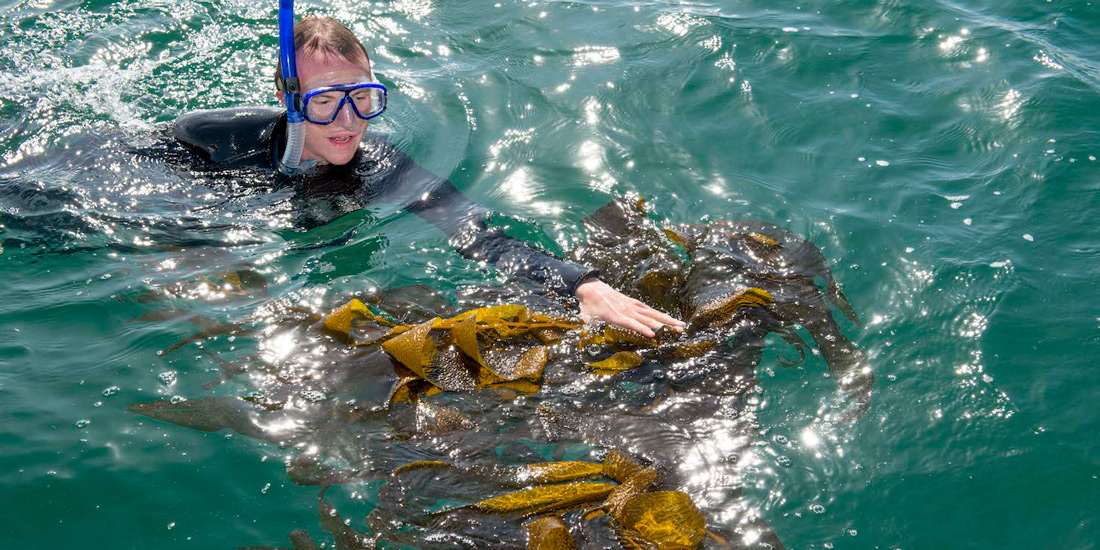
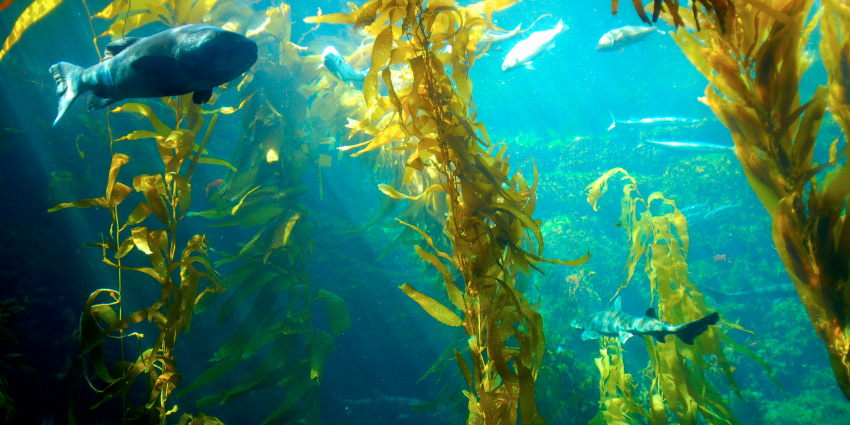
01/14/14 Berkeley Lab — California researchers, including nuclear engineering's Kai Vetter, have launched “Kelp Watch 2014,” a scientific campaign to determine the extent of radioactive contamination of the state's kelp forest from Japan's damaged Fukushima nuclear power plant following the March 11, 2011, earthquake and tsunami.
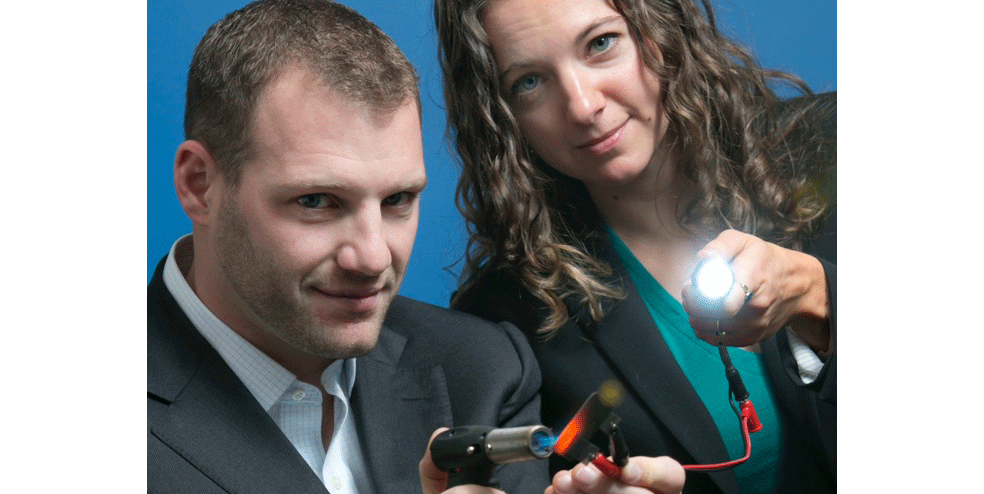
01/10/14 — Through the Cleantech to Market program, UC Berkeley students work with campus and Berkeley Lab scientists to bring new, environmentally friendly innovations to the world via commercialization.
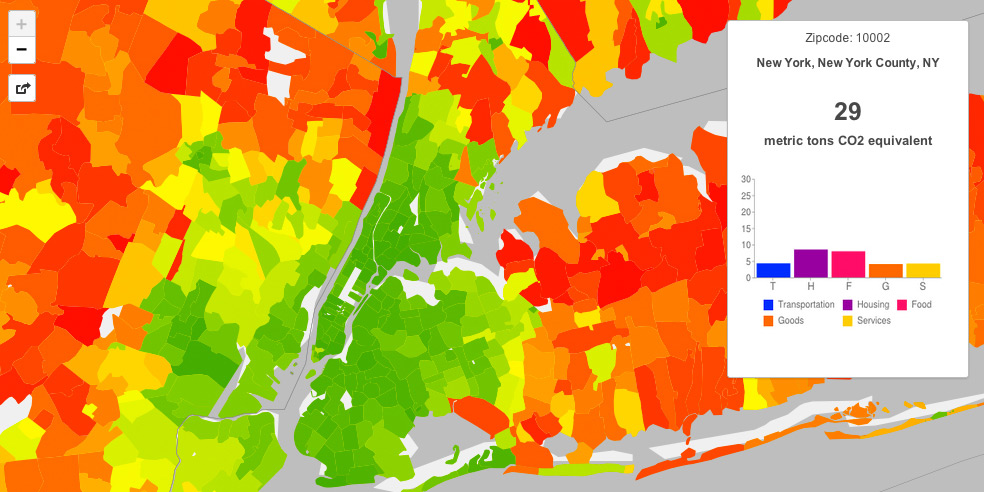
01/07/14 — According to a new study by UC Berkeley researchers, led by professor Daniel Kammen of the Energy and Resources Group and Nuclear Engineering, population-dense cities contribute less greenhouse-gas emissions per person than other areas of the country, but these cities' extensive suburbs essentially wipe out the climate benefits.
09/24/13 California Magazine blog — Trying to plan and prepare for the kind of disastrous flooding that recently inundated Boulder, Colo., is a futile effort, says UC Berkeley hydrologist and assistant professor of civil and environmental engineering Sally Thompson. "Rainfall events like that are simply off the charts,” she says.
05/01/13 — The Mechanical Engineering Laboratory for Manufacturing and Sustainability is helping the California Air Resources Board to develop methodologies for determining CO2 allocations for companies to help reduce the state's overall CO2 emissions to 1990 levels by 2020.
03/05/13 — Global problems demand global cooperation. To tackle a wide range of challenges, from clean energy and intelligent infrastructure to cost-effective healthcare delivery, we are launching ambitious research and teaching partnerships with a number of international colleagues.
02/07/13 — Answering a challenge from the Bill and Melinda Gates Foundation to improve sanitation in developing countries, environmental engineering professor Kara Nelson and postdoctoral researcher Temitope Ogunyoku have developed a toilet that safely disinfects waste. Their hand-cranked pHree Loo yields “safe sludge” that does not endanger human health.