• Skip to main content
  • Skip to primary navigation
  • Departments
    • Bioengineering
    • Civil and Environmental Engineering
    • Electrical Engineering and Computer Sciences
    • Industrial Engineering and Operations Research
    • Materials Science and Engineering
    • Mechanical Engineering
    • Nuclear Engineering
    • Aerospace program
    • Engineering Science program
  • News
    • Berkeley Engineer magazine
    • Social media
    • News videos
    • News digest (email)
    • Press kit
  • Events
    • Events calendar
    • Commencement
    • Homecoming
    • Cal Day
    • Space reservations
    • View from the Top
    • Kuh Lecture Series
    • Minner Lecture
  • College directory
  • For staff & faculty
Berkeley Engineering

Berkeley Engineering

Educating leaders. Creating knowledge. Serving society.

  • About
    • Facts & figures
    • Rankings
    • Mission & values
    • Equity & inclusion
    • Voices of Berkeley Engineering
    • Leadership team
    • Milestones
    • Buildings & facilities
    • Maps
  • Admissions
    • Undergraduate admissions
    • Graduate admissions
    • New students
    • Visit
    • Maps
    • Admissions events
    • K-12 outreach
  • Academics
    • Undergraduate programs
    • Majors & minors
    • Undergraduate Guide
    • Graduate programs
    • Graduate Guide
    • Innovation & entrepreneurship
    • Kresge Engineering Library
    • International programs
    • Executive education
  • Students
    • New students
    • Advising & counseling
    • ESS programs
    • CAEE academic support
    • Grad student services
    • Student life
    • Wellness & inclusion
    • Undergraduate Guide
    • > Degree requirements
    • > Policies & procedures
    • Forms & petitions
    • Resources
  • Research & faculty
    • Centers & institutes
    • Undergrad research
    • Faculty
    • Sustainability and resiliency
  • Connect
    • Alumni
    • Industry
    • Give
    • Stay in touch
Home > News

Computing

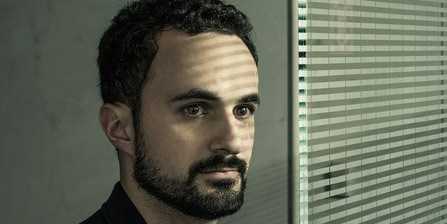
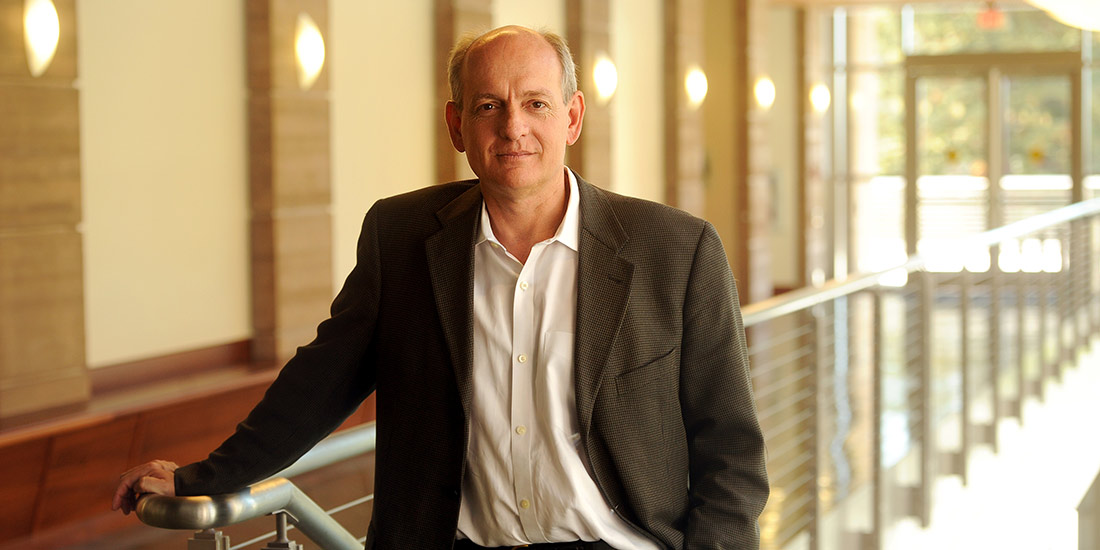
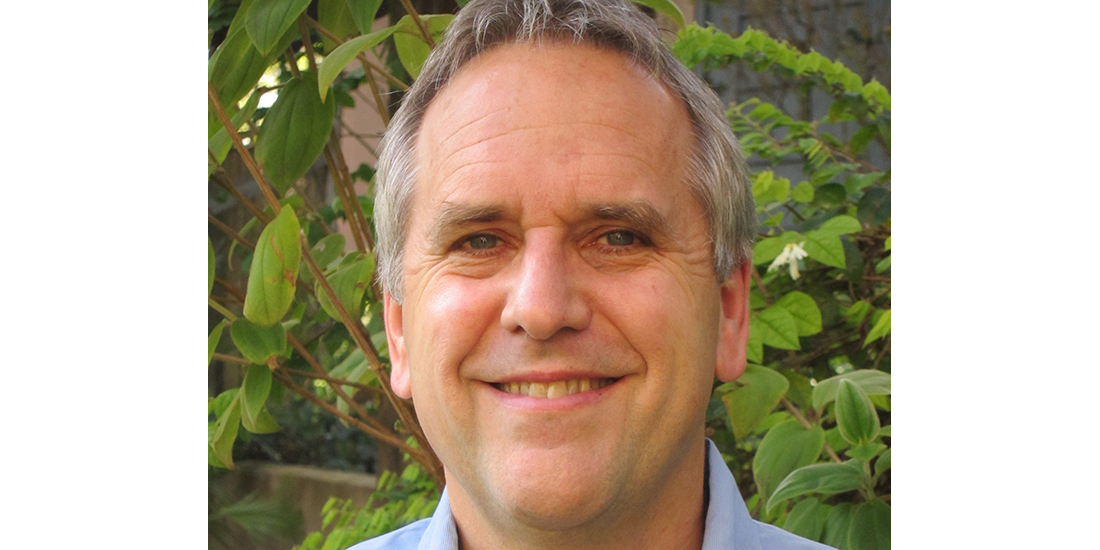
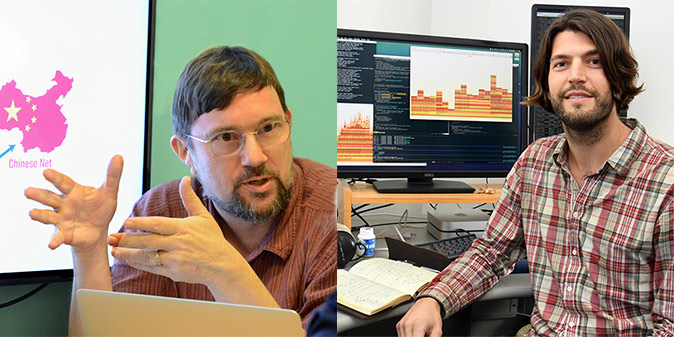
Vern Paxson and Matthias Vallentin

A “VAST” step forward in cybersecurity

03/15/17 Berkeley Research — Working closely with cybersecurity experts at Berkeley Lab, CS professor Vern Paxson and postdoc researcher Matthias Vallentin are developing VAST, a system to help forensic analysts pinpoint how much of an organization's computer network has been compromised - and where.
WikiLeaks says it has obtained trove of CIA hacking tools

03/08/17 Washington Post — Nicholas Weaver (Ph.D.'03 CS), a senior researcher at the Berkeley-affiliated International Computer Science Institute, says the massive collection of CIA hacking data being released by WikiLeaks "is probably legitimate or contains a lot of legitimate stuff."
RISELab

Berkeley launches RISELab, enabling computers to make intelligent real-time decisions

01/23/17 — UC Berkeley has launched the RISELab, the successor of AMPLab, and the latest in its series of five-year intensive research labs in computer science, with the goal of improving how machines make intelligent decisions based on real-time input.
Computer code

Berkeley ranks as #1 U.S. school for coders

12/16/16 HackerRank — In a contest to find the best college coders, run by HackerRank, a learning and competition community for programmers, UC Berkeley was the top-ranked American school and the only U.S. institution to crack the top ten globally.
Bill Marczak

How a grad student found spyware that could control anybody’s iPhone

12/07/16 Vanity Fair — Last summer, computer science Ph.D. candidate Bill Marczak stumbled across a program that could spy on an iPhone's contact list and messages - and even record calls. Illuminating shadowy firms that sell spyware to corrupt governments across the globe, Marczak's story reveals the new arena of cyber-warfare.
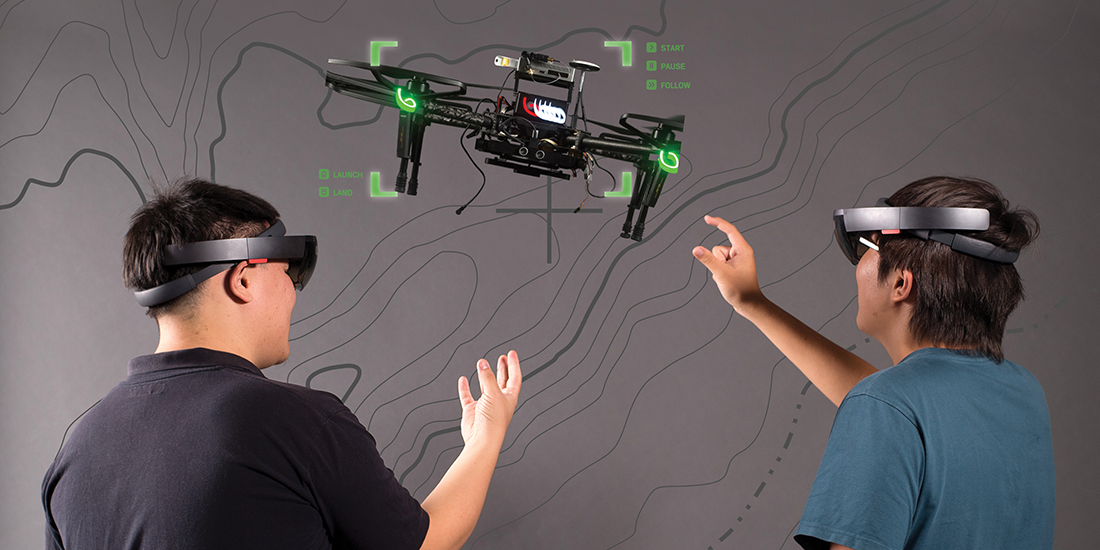
Drone guidance assisted by augmented reality

Seeing is believing

11/01/16 — Emerging augmented reality and virtual reality technologies are opening up a new frontier of possibilities for researchers at Berkeley's new Center for Augmented Cognition.
Cal Band marching through campus

Collision-free Cal Band

11/01/16 — Tina Chow, a professor of civil and environmental engineering, challenged her students to develop computer code to help the University of California Marching Band perform intricate routines while avoiding collisions.
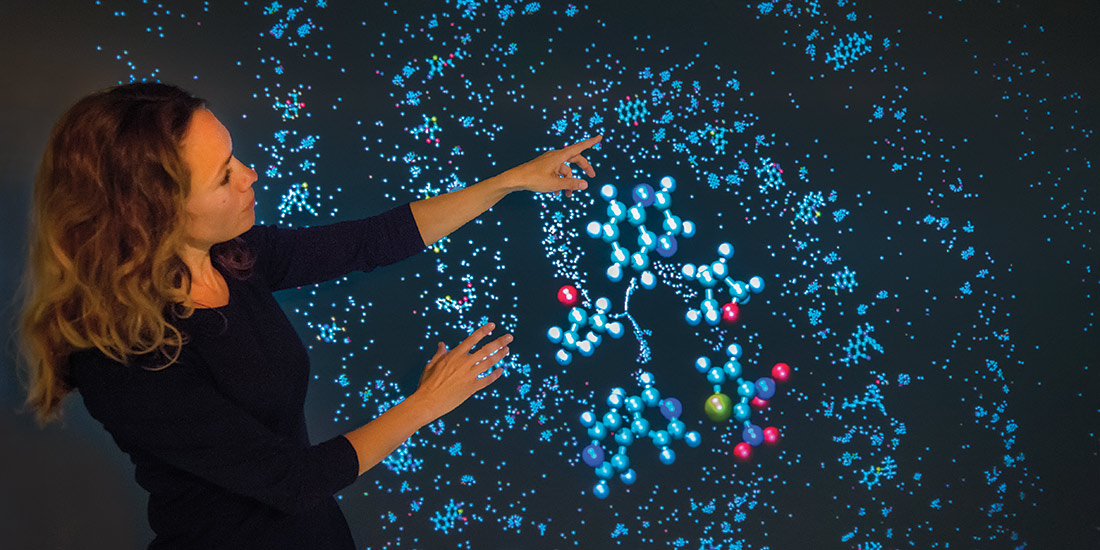
Kristin Persson

Materials database speeds innovation

11/01/16 — Assistant professor of materials science and engineering Kristin Persson launched the Materials Project to provide a comprehensive materials database to speed up discovery and deployment of new technologies.

Huawei puts $1M into AI research partnership with UC Berkeley

10/11/16 TechCrunch — China's Huawei on Tuesday announced a $1 million partnership between its Noah's Ark Laboratory and the Berkeley Artificial Intelligence Research (BAIR) Lab to perform basic research into machine learning, computer vision and other areas of artificial intelligence.
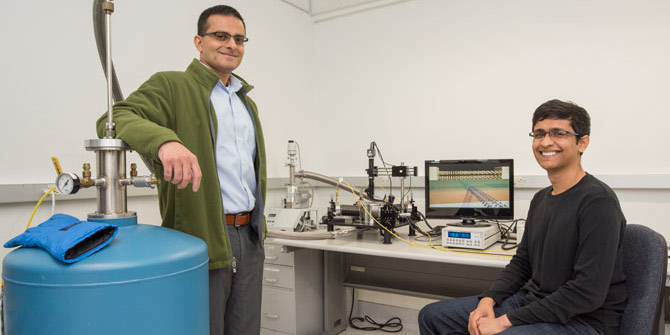
Ali Javey and graduate student Sujay Desai with a vacuum probe station

Smallest. Transistor. Ever.

10/10/16 — For more than a decade, engineers have been racing to shrink the size of components in integrated circuits. Now, a research team led by EECS professor Ali Javey has surpassed a theoretical limit of physics and created the smallest transistor reported to date.
EECS professor Stuart Russell

Toward human-centric A.I.

09/20/16 — Twenty years ago, Stuart Russell co-wrote a book titled Artificial Intelligence: A Modern Approach, destined to become the dominant text in its field. Near the end of the book, he posed a question: “What if A.I. does succeed?”
Spreadsheet

Spreadsheet tools to help everyone escape from the cell

08/04/16 Financial Times — Alumnus and Microsoft researcher Sumit Gulwani (Ph.D.'05 CS) is behind the development of user-friendly spreadsheet tools that can, in his view, “keep control of the digital divide.”
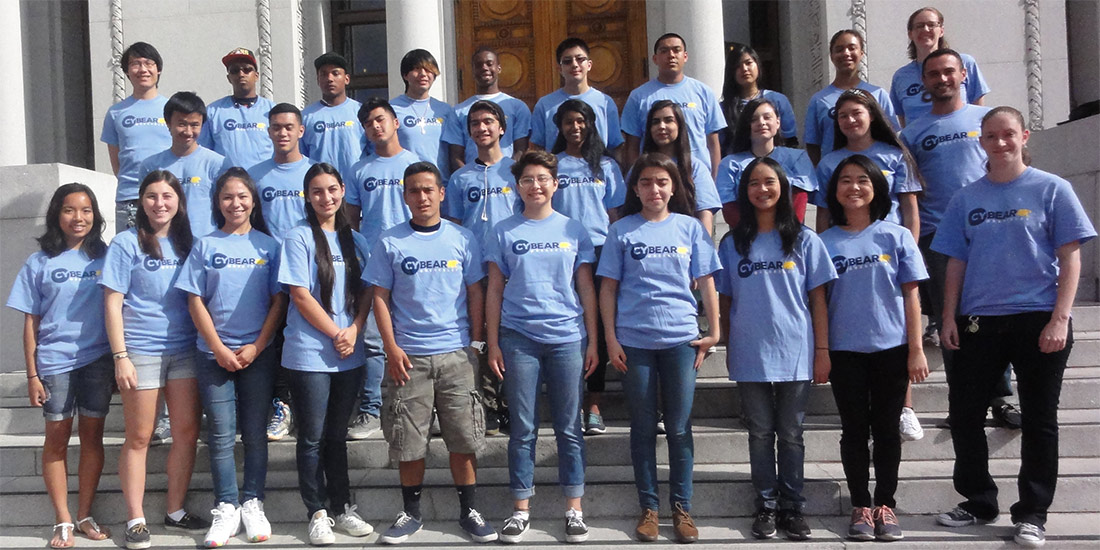
CYBEAR participants

Berkeley hosts high school students for cyber training

08/04/16 Campus Technology — A cyber security program sponsored by the National Security Agency has wooed 23 students to attend a six-week course at the Berkeley. The CYBEAR initiative is part of a nationwide effort to introduce K-12 students to safe online behavior and spark their interest in pursuing careers in the field.
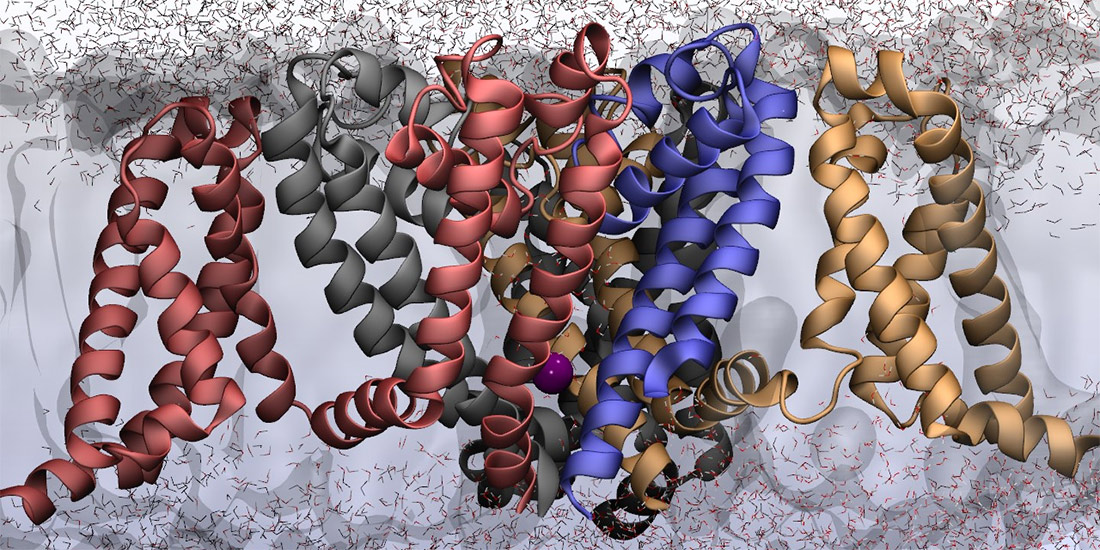
simulation of ion channels in atomic detail

Head-Gordon leads Berkeley partnership to improve scientific software

08/04/16 — A nine-university partnership headed by Virginia Tech has launched the Molecular Sciences Software Institute, an NSF-funded program to improve software for the molecular sciences. Bioengineering's Teresa Head-Gordon is the institute's lead scientist at UC Berkeley.
Cal Marching Band

Better marching through algorithms

07/15/16 — Using computer code and a little ingenuity, an introductory engineering course helped solve a confounding problem for the Cal Marching Band.
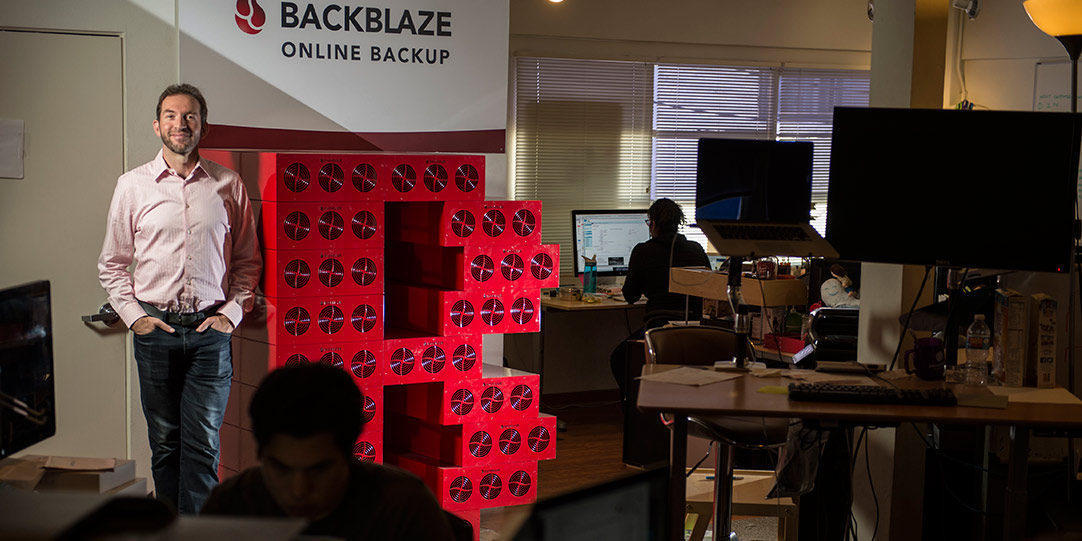
Gleb Budman at Backblaze

The backup generator

05/01/16 — Backblaze, a cloud backup company that offers unlimited storage for a fee of $5 per month, is accelerating its growth to find, encrypt and save all of a user's files of any size or type to an off-site location.

$1M Hopper-Dean Foundation gift for diversity in CS

04/29/16 — The Hopper-Dean Foundation has donated $1 million to the EECS Department to support diversity initiatives in computer science. This expanded outreach effort, led by CS professor Dan Garcia, will touch thousands of students at Cal and high schools nationwide over the next two years.
Michael I. Jordan

Who’s the Michael Jordan of computer science?

04/22/16 Science — Semantic Scholar, an AI-driven search engine from the Allen Institute for Artificial Intelligence, has added a service that ranks researchers' influence. The top star among computer scientists, according to the new tool? Michael I. Jordan, an EECS professor at Berkeley and a pioneer of AI.
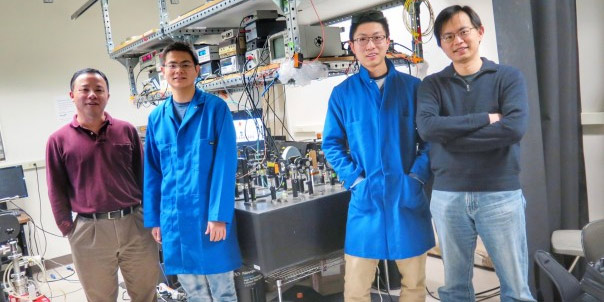
From left, Xiang Zhang, Yu Ye, Jun Xiao, and Yuan Wang are part of a team of scientists that made a big advance in valleytronics.

Scientists push valleytronics a step closer to reality

04/04/16 Berkeley Lab — Scientists led by Xiang Zhang, professor of mechanical engineering, have taken a big step toward the practical application of “valleytronics,” a new type of electronics that could lead to faster and more efficient computer logic systems and data storage chips.
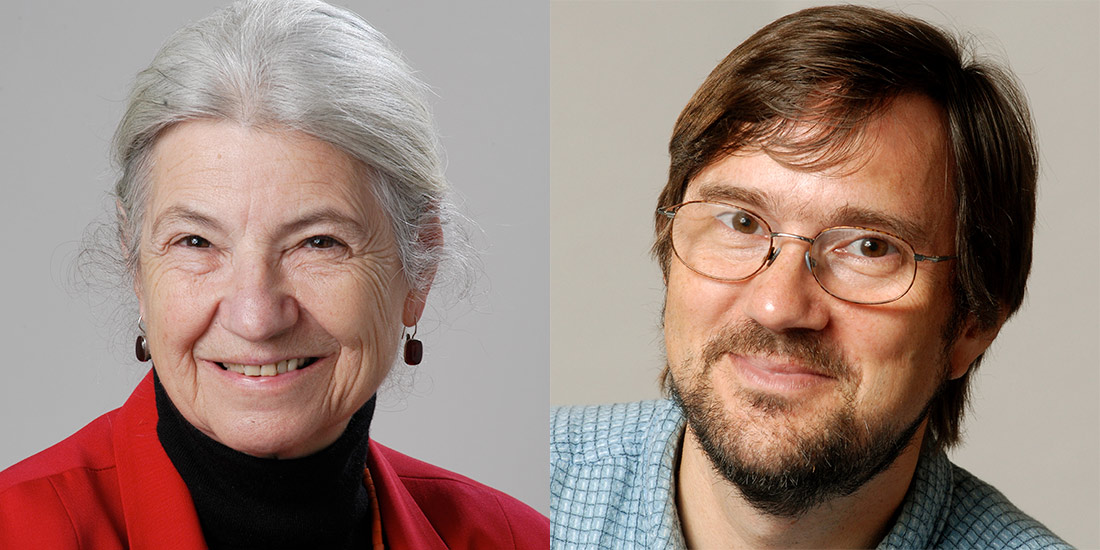
Ruzena Bajcsy and Vern Paxson

Bajcsy, Paxson honored as visionary faculty entrepreneurs

03/30/16 — EECS professors Ruzena Bajcsy and Vern Paxson have been selected as 2016-17 Signatures Innovation Fellows, receiving funding to pursue their commercially promising research to assess personal injury and recovery (Bajcsy) and network cyberattacks (Paxson).
  • « Go to Previous Page
  • Go to page 1
  • Interim pages omitted …
  • Go to page 6
  • Go to page 7
  • Go to page 8
  • Go to page 9
  • Go to page 10
  • Interim pages omitted …
  • Go to page 13
  • Go to Next Page »
  • Contact
  • Give
  • Privacy
  • UC Berkeley
  • Accessibility
  • Nondiscrimination
  • instagram
  • X logo
  • linkedin
  • facebook
  • youtube
  • bluesky
© 2025 UC Regents