11/01/16 — Dean Sastry announces a new partnership with Haas School of Business and the creation of the Management, Entrepreneurship, & Technology program.
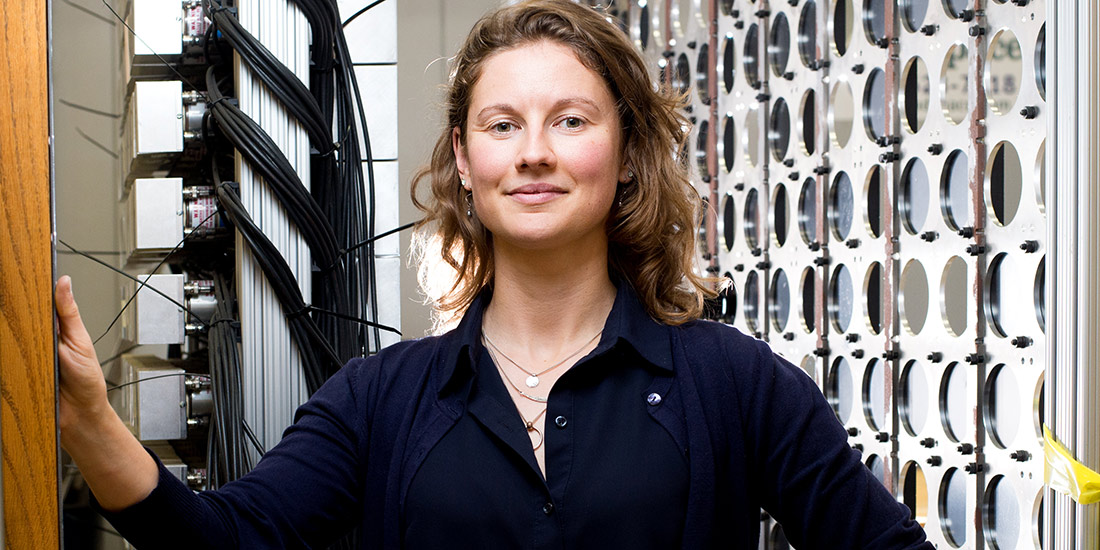
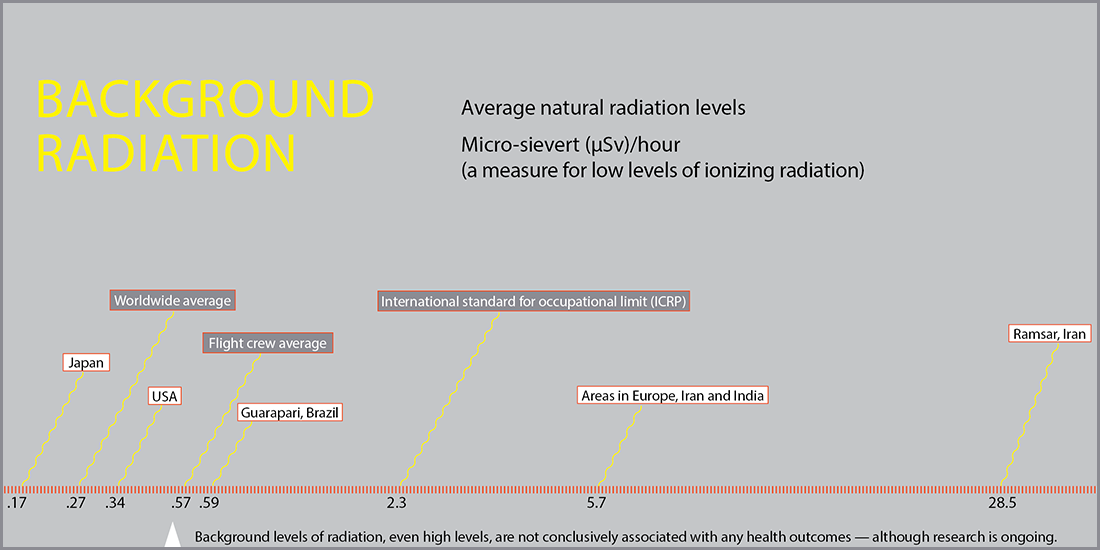
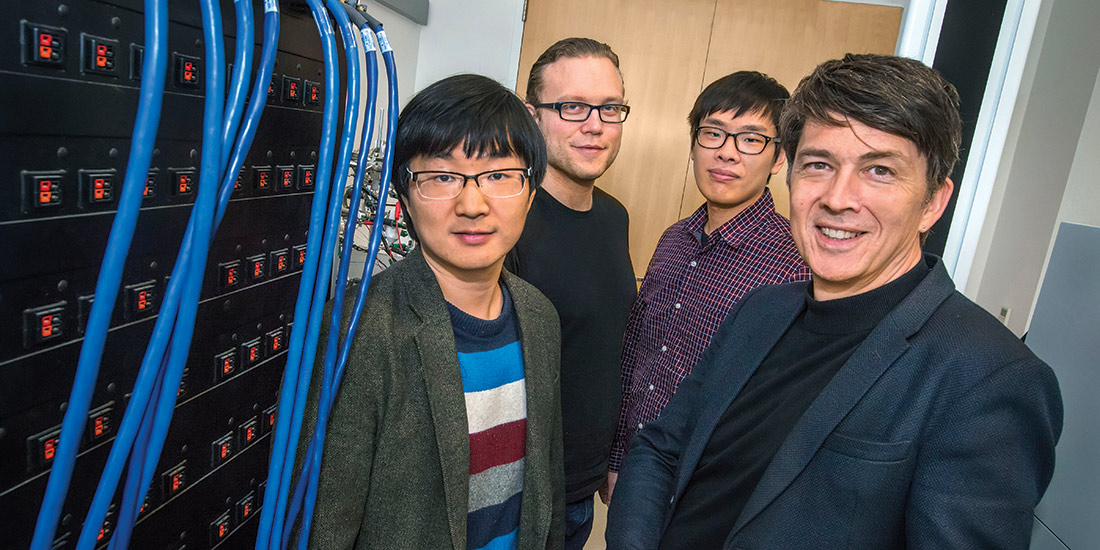
11/01/16 — Nuclear engineers with the Berkeley RadWatch program have developed DoseNet, an education and outreach tool composed of a network of wall-mounted sensors designed to measure naturally occurring background radiation.
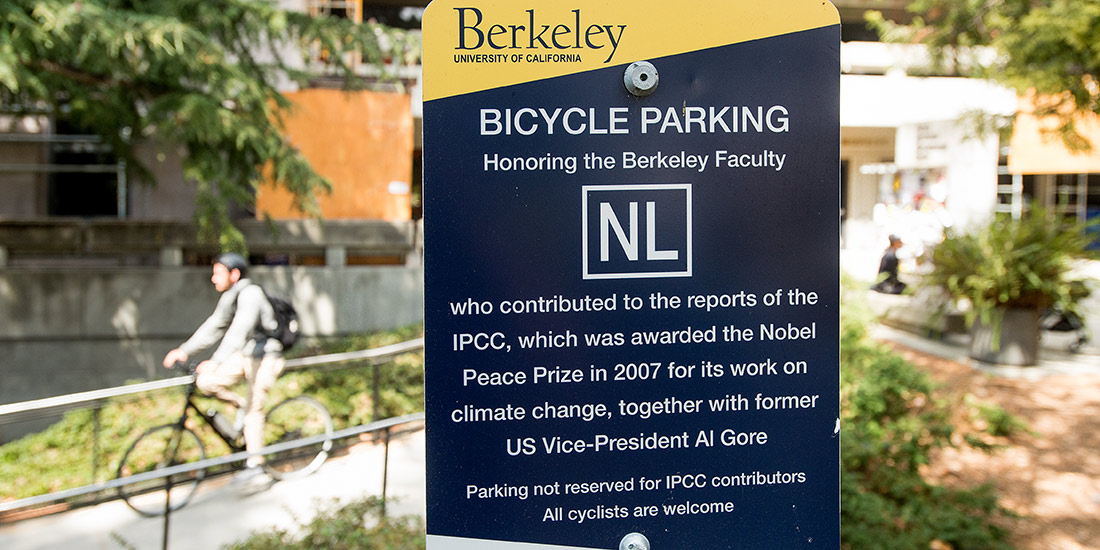
11/01/16 — Reserved parking for Nobel laureates won't be limited to cars anymore. New, gold-colored bike racks were installed just outside of the Free Speech Café in recognition of Berkeley's contributions to the 2007 Nobel-prize winning International Panel on Climate Change.
11/01/16 — Tina Chow, a professor of civil and environmental engineering, challenged her students to develop computer code to help the University of California Marching Band perform intricate routines while avoiding collisions.
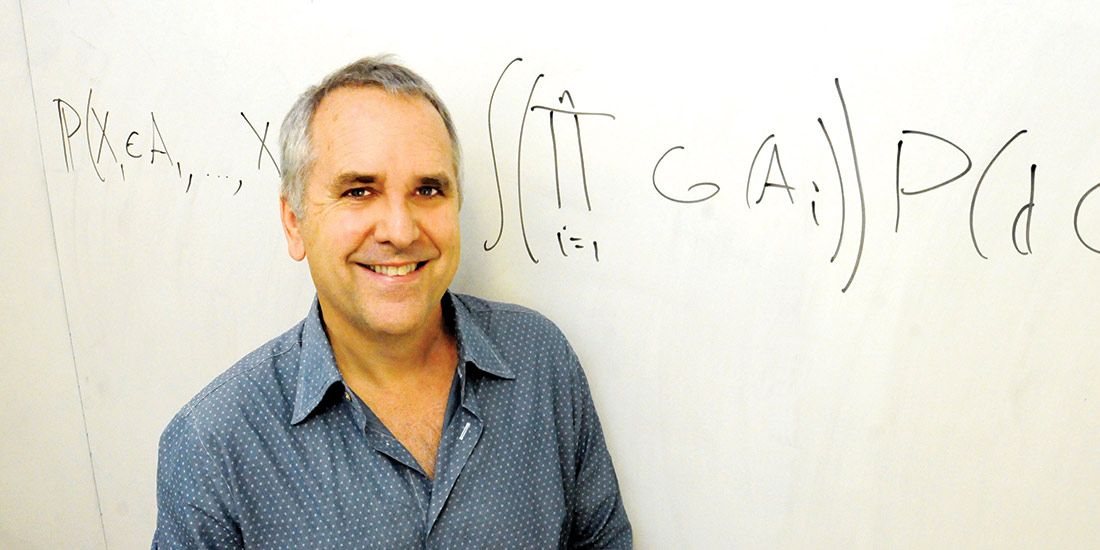
11/01/16 — An April article in the magazine Science identifies Berkeley computer science professor Michael Jordan as the world's most influential computer scientist.
11/01/16 — A team of Berkeley students took two years to build a 171-square-foot eco-friendly house for a statewide alternative housing competition. The tiny house integrates advances in sustainable and affordable design.
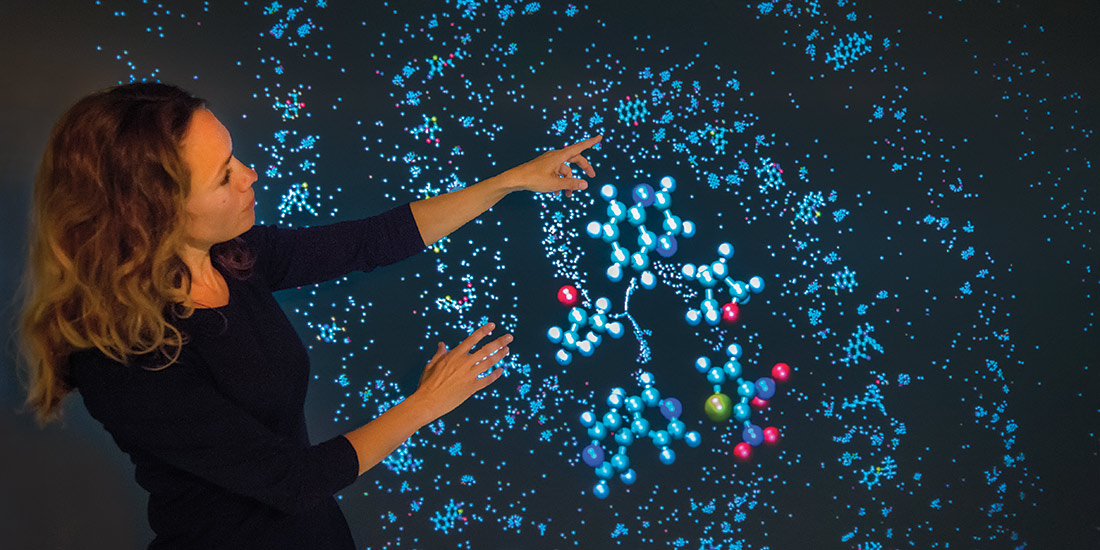
11/01/16 — Assistant professor of materials science and engineering Kristin Persson launched the Materials Project to provide a comprehensive materials database to speed up discovery and deployment of new technologies.
11/01/16 — Bioengineering professor John Dueber discusses the possible risks and benefits of laboratory research aimed at converting glucose to morphine.
11/01/16 — A team led by materials science professor Gerbrand Cedar has made an important discovery that could eventually lead to longer-lasting lithium batteries.
11/01/16 — Scientists have created a dust-sized ultrasound sensor that can be placed in the human body to monitor nerves, muscles, or even organs and potentially lead to new treatments for epilepsy or immune system disorders.
11/01/16 — The majority of the world's population is projected to live in cities by the year 2050. Although cities are considered strains the environment, nuclear engineering professor Daniel Kammen see the potential for cities to be models of sustainability.
11/01/16 — Concrete is the most commonly used building tool - yet one of the most environmentally damaging. Professors Claudia Ostertag, Arpad Horvath and Paulo Monteiro are finding ways to mitigate that.
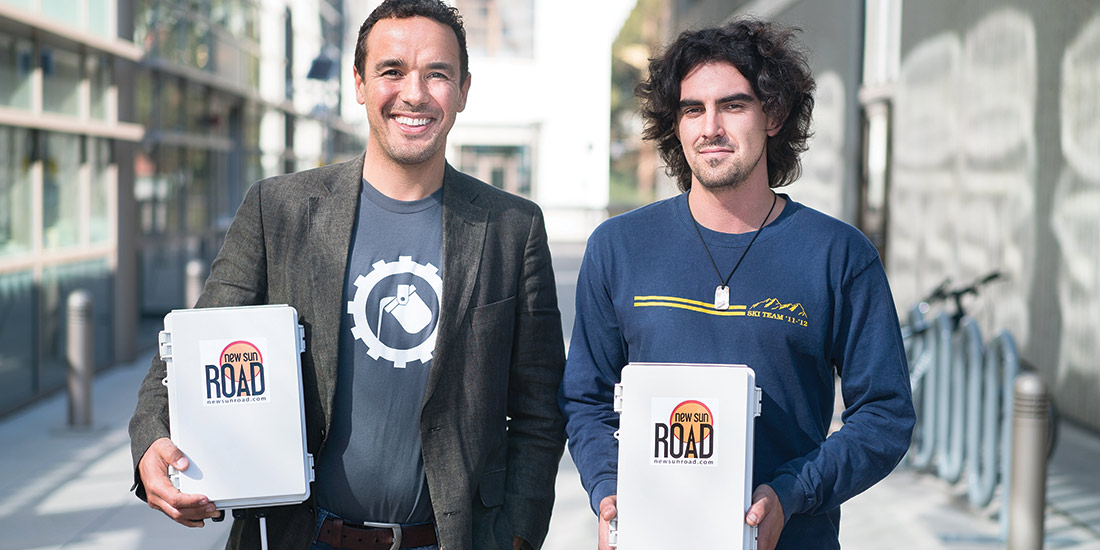
11/01/16 — Two alumni have co-founded New Sun Road, a technology company committed to implementing solutions to climate change and global energy poverty.
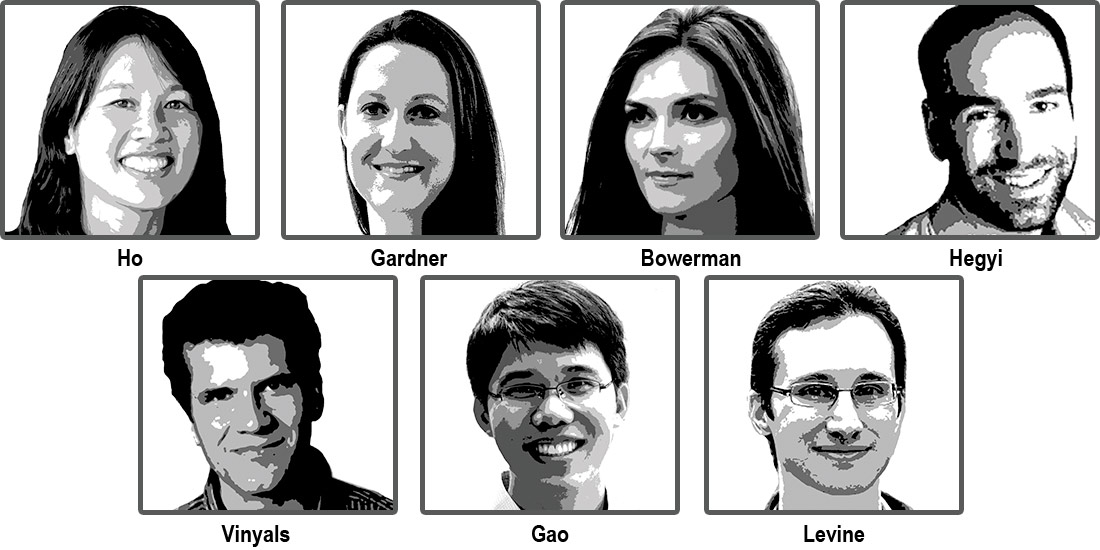
11/01/16 — A companion to Tech Review's annual 35 Innovators Under 35 list features a list of seven innovators over 70. The new list includes electrical engineering and computer sciences (EECS) professor Ruzena Bajcsy and professor emeritus Michael Stonebraker, now at MIT.
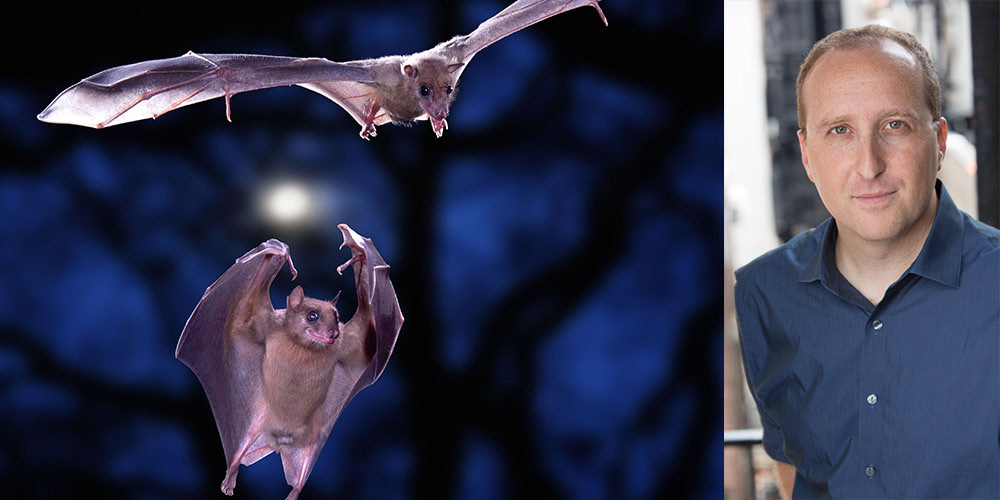
10/26/16 — Seeking insight into the neurobiological basis of language learning, the New York Stem Cell Foundation has granted a $1.5 million Robertson Neuroscience Investigator award to Michael Yartsev, assistant professor of bioengineering, for his novel studies involving bats.