• Skip to main content
  • Skip to primary navigation
  • Departments
    • Bioengineering
    • Civil and Environmental Engineering
    • Electrical Engineering and Computer Sciences
    • Industrial Engineering and Operations Research
    • Materials Science and Engineering
    • Mechanical Engineering
    • Nuclear Engineering
    • Aerospace program
    • Engineering Science program
  • News
    • Berkeley Engineer magazine
    • Social media
    • News videos
    • News digest (email)
    • Press kit
  • Events
    • Events calendar
    • Commencement
    • Homecoming
    • Cal Day
    • Space reservations
    • View from the Top
    • Kuh Lecture Series
    • Minner Lecture
  • College directory
  • For staff & faculty
Berkeley Engineering

Berkeley Engineering

Educating leaders. Creating knowledge. Serving society.

  • About
    • Facts & figures
    • Rankings
    • Mission & values
    • Equity & inclusion
    • Voices of Berkeley Engineering
    • Leadership team
    • Milestones
    • Buildings & facilities
    • Maps
  • Admissions
    • Undergraduate admissions
    • Graduate admissions
    • New students
    • Visit
    • Maps
    • Admissions events
    • K-12 outreach
  • Academics
    • Undergraduate programs
    • Majors & minors
    • Undergraduate Guide
    • Graduate programs
    • Graduate Guide
    • Innovation & entrepreneurship
    • Kresge Engineering Library
    • International programs
    • Executive education
  • Students
    • New students
    • Advising & counseling
    • ESS programs
    • CAEE academic support
    • Grad student services
    • Student life
    • Wellness & inclusion
    • Undergraduate Guide
    • > Degree requirements
    • > Policies & procedures
    • Forms & petitions
    • Resources
  • Research & faculty
    • Centers & institutes
    • Undergrad research
    • Faculty
    • Sustainability and resiliency
  • Connect
    • Alumni
    • Industry
    • Give
    • Stay in touch
Home > News

News

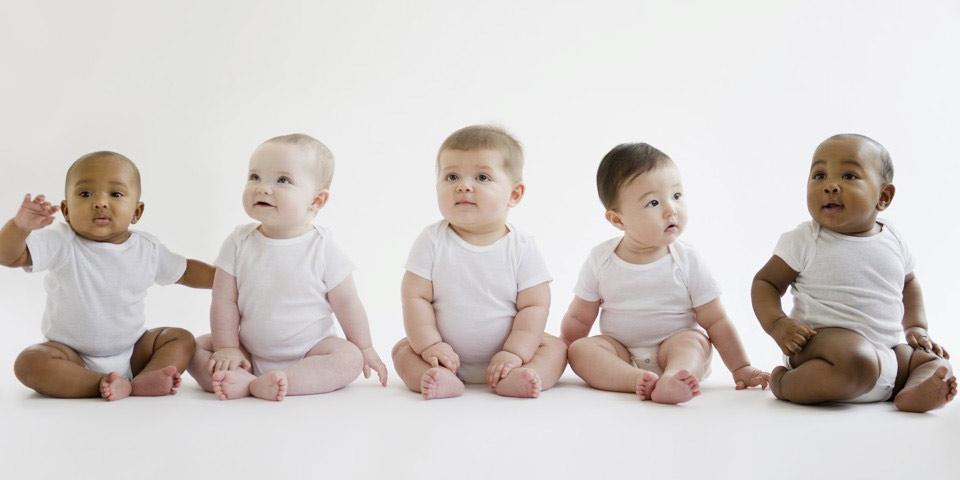
Five babies of different races in a row

When geneticists talk sloppily about race

04/30/18 The Atlantic — Bioengineering professor Ian Holmes writes about how a geneticist's recent op-ed in The New York Times caused controversy when it used sloppy language to talk about the tricky relationship between race and genetics research.
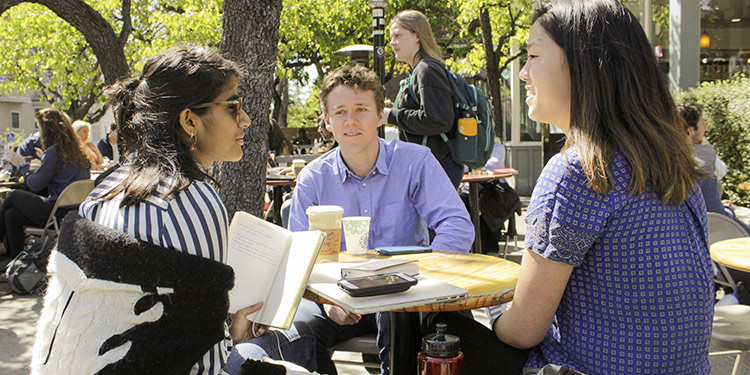
Archer team members Anjali Banerjee, Tyler Heintz and Alice Ma at Caffe Strada

Scarred by attack, student entrepreneurs fight global terror

04/30/18 — In the wake of the 2016 terrorist attack in Nice, France, that claimed the life of a classmate, Berkeley students in the European Innovation Academy technology entrepreneurship program have embarked on a new mission - fighting global terrorism through startups that are gaining traction far beyond campus.
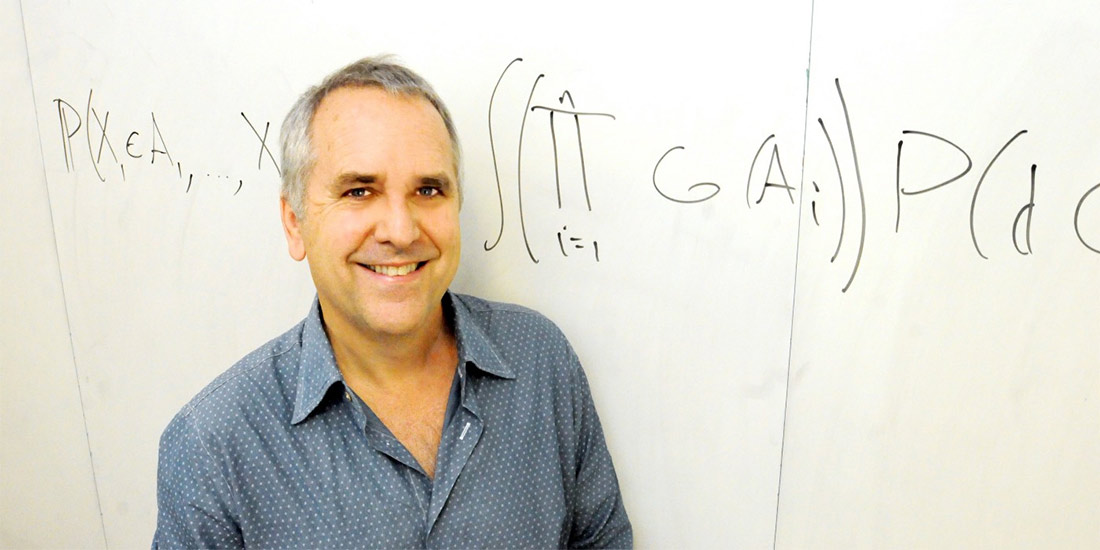
Michael Jordan

AI: The revolution hasn’t happened yet

04/25/18 Medium — EECS and statistics professor Michael Jordan writes about the opportunity and imperative of developing a "human-centric engineering discipline" to address the ethical concerns of artificial intelligence.
Fans cheer for the UC Berkeley Overwatch team

New esports space coming to Foothill

04/20/18 — Campus leaders are planning to convert a community room in the Foothill Residence Hall into a new facility dedicated to competitive student video game teams, ESPN reports.
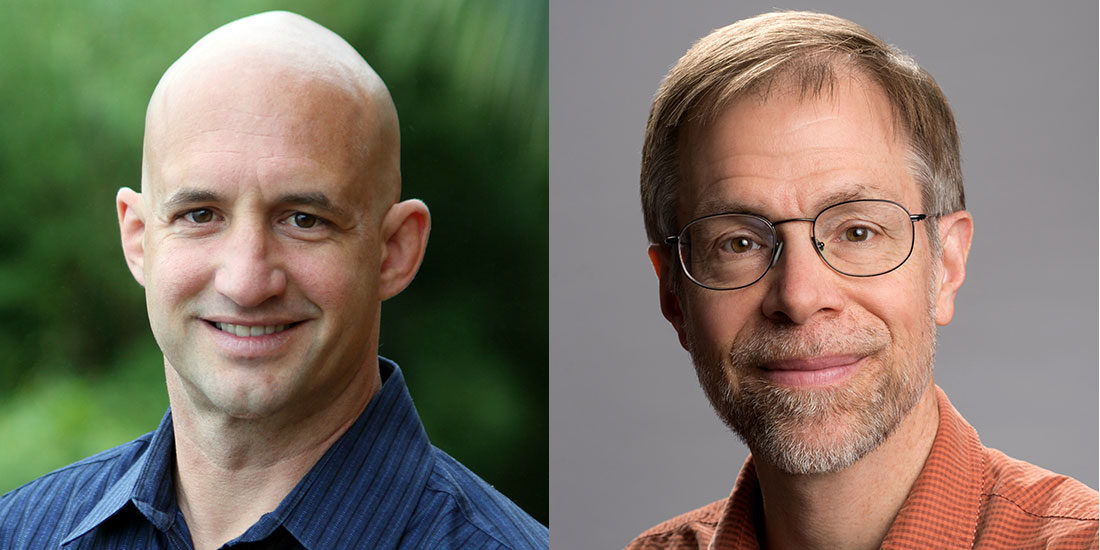
Eric Brewer and James Demmel

Berkeley engineers among new faculty elected to AAAS

04/18/18 — Berkeley Engineering faculty members Eric Brewer and James Demmel are among nine UC Berkeley researchers elected to the American Academy of Arts and Sciences, a society founded in 1780 to honor exceptional scholars, scientists, artists and innovators from around the world.
Lydia Sohn, UC Berkeley professor of mechanical engineering

Berkeley engineers squeeze cells through microtubes to detect cancer

04/17/18 — Research led by Lydia Sohn, professor of mechanical engineering, could greatly improve the speed and accuracy of cancer diagnosis by exploiting the different speeds with which cancerous and healthy cells move through micropores.
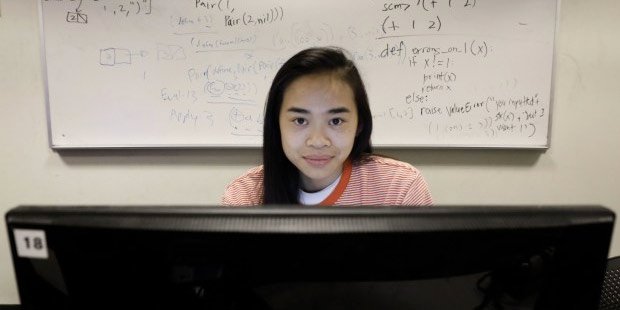
EECS senio Tammy Nguyen in a Soda Hall computer lab

More female computing grads challenge tech’s bad bros

04/16/18 Mercury News — More and more women are getting computer science and electrical engineering degrees from Berkeley and Stanford, reversing a national trend. But the growing and heated debate over the technology industry's male-dominated culture hasn't escaped the attention of those female students, said EECS professor John DeNero.
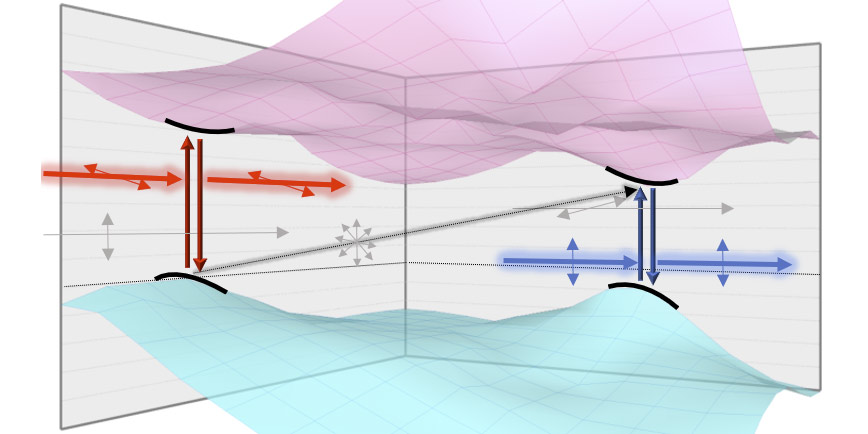
schematic illustrating the variation of electron energy in different states, represented by curved surfaces in space

Valleytronics discovery could extend limits of Moore’s Law

04/16/18 Berkeley Lab — New research from Berkeley Lab, co-led by materials science and engineering Ph.D. candidate Shuren Lin, finds useful new information-handling potential in tin sulfide, a candidate “valleytronics” transistor material that might one day enable chipmakers to pack more computing power onto microchips.
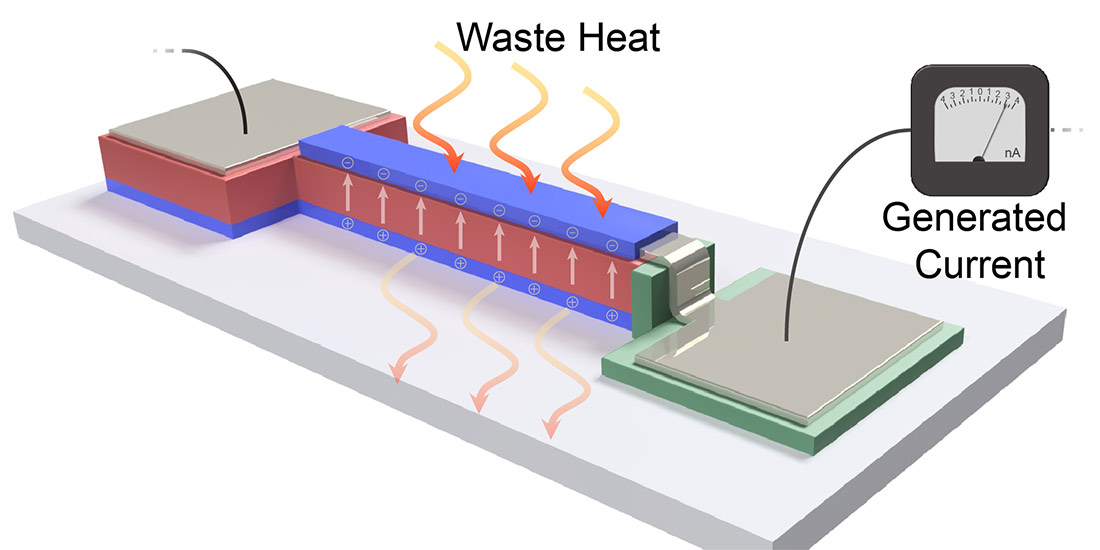
Diagram of how thin film device converts waste heat into energy

Thin film converts heat from electronics into energy

04/16/18 — Nearly 70 percent of the energy produced in the United States is wasted as heat - from exhaust pipes, high-speed electronics and other sources. Now Berkeley engineers have developed a thin-film system that can produce energy from these waste sources at unprecedented levels.
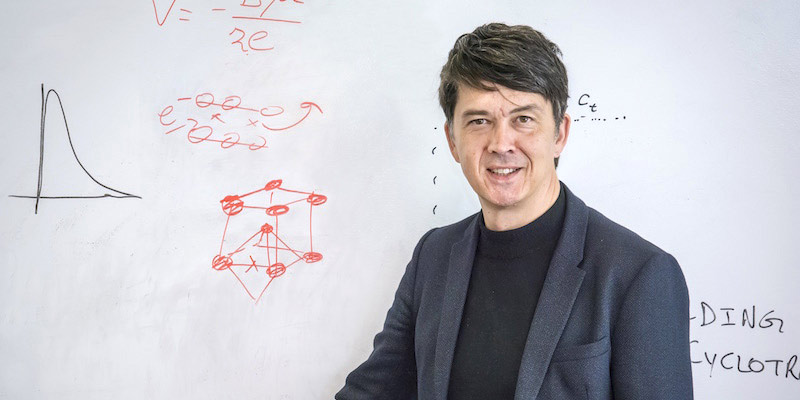
Gerbrand Ceder

New technology could wean battery world off cobalt

04/11/18 — A research team led by Gerbrand Ceder, professor of materials science and engineering, has devised a way to build lithium battery cathodes using materials that have greater capacity, and a far lower price, than the traditional cobalt.
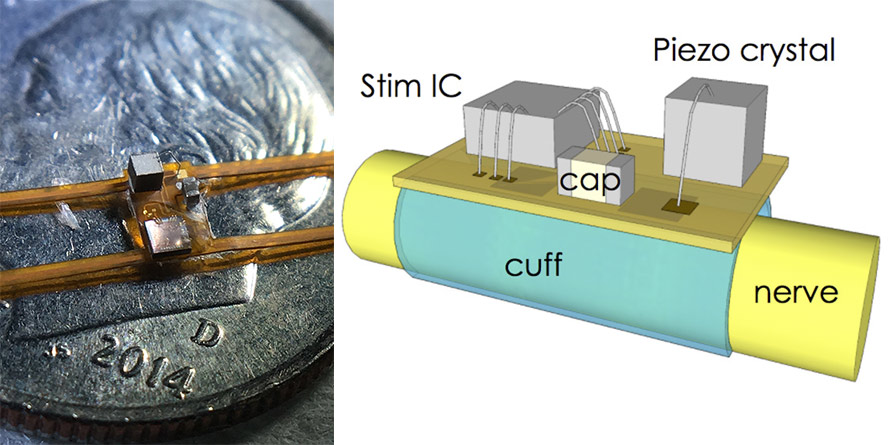
Tiny StimDust device shown atop a dime, and schematic drawing detaililng its components

Tiny nerve stimulator gains sophistication

04/10/18 — Berkeley engineers, led by EECS professors Rikky Muller and Michel Maharbiz, have taken implanted neural dust sensors forward by building the smallest, most efficient wireless nerve stimulator ever.

Making computer animation more agile, acrobatic — and realistic

04/10/18 — EECS grad student Xue Bin “Jason” Peng and his colleagues have made a major advance in realistic computer animation, using deep reinforcement learning to create a virtual stuntman that mimics natural motions.
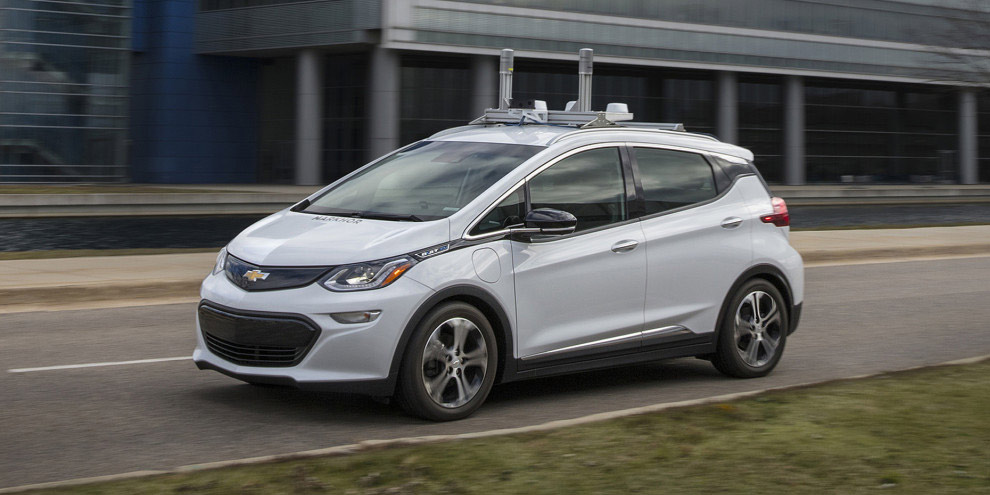
Self-driving car being tested

Where are all the driverless cars?

04/04/18 Car Connection — Firms testing self-driving cars have slowed their programs, and did not beat a path to the door of the California DMV, which on April 2 was to begin issuing permits for testing on the state's roads. Berkeley transportation engineer Steve Shladover says that's because those companies are still trying to work out some challenging wrinkles.
Double Shelix logo

You do belong in science

04/03/18 — The Double Shelix podcast, hosted by Berkeley bioengineering Ph.D. candidates Sally Winkler and Kayla Wolf, is posting a special series of episodes this month on the the theme of belonging in STEM.
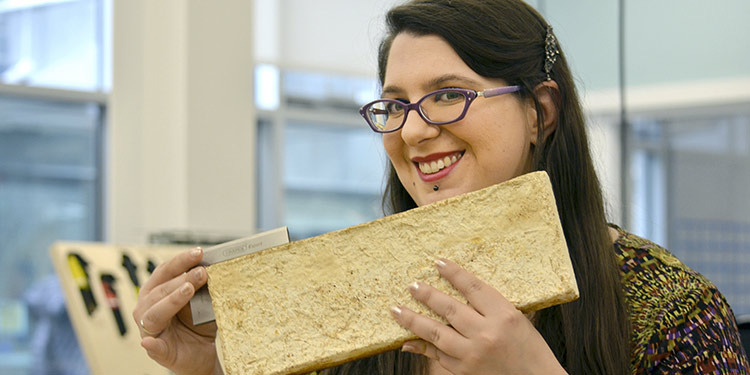
Ph.D. candidate Sonia Travaglini measures a mushroom brick

From pollution cleanup to building houses, what can’t mushrooms do?

04/02/18 — There are more than 5 million species of fungi, each eager to digest a particular waste product - sawdust, plastic, heavy metals - and turn it into new, natural and compostable material. In this Fiat Vox podcast, mechanical engineering Ph.D. candidate Sonia Travaglini talks about her work with "nature's recyclers."
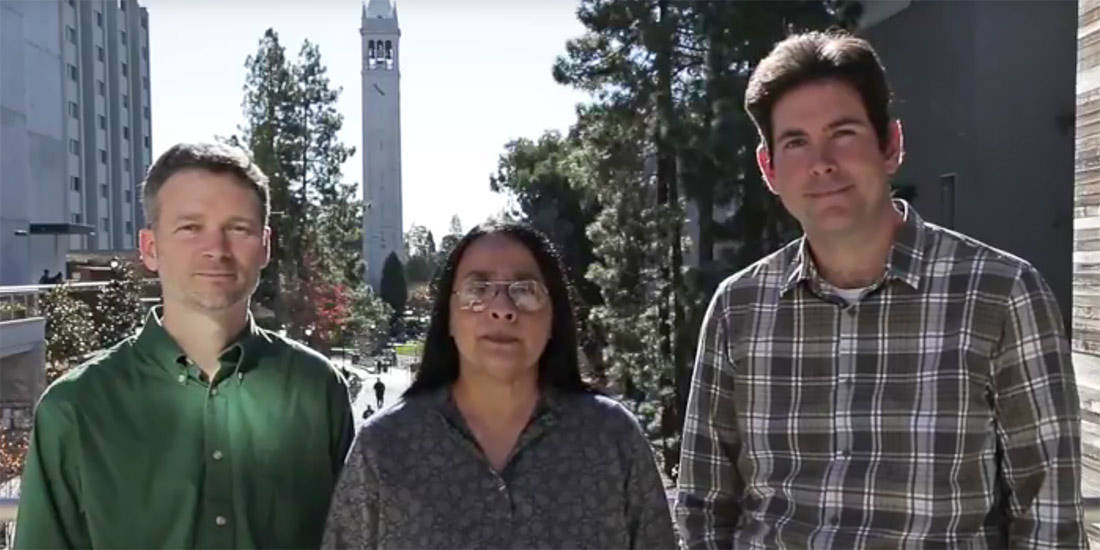
Data8x instructors David Wagner, Ani Adhikari and John DeNero

Berkeley puts popular data science course online, for free

03/29/18 — The fastest-growing course in UC Berkeley's history - Foundations of Data Science - is being offered free online this spring for the first time through the campus's online education hub, edX.
Screenshot from Getaround app

How car sharing is evolving the transportation landscape

03/28/18 — Peer-to-peer car-sharing services have encouraged a small number of their members to ditch car ownership, according to a first-of-its-kind study of from the UC Berkeley Transportation Sustainability Research Center.
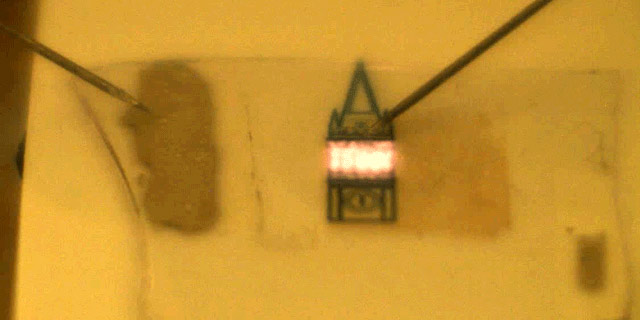
Thin LED emitting light beneath outline of Campanile

Atomically thin LED opens possibility for ‘invisible’ displays

03/26/18 — Berkeley engineers have built a bright-light emitting device that is just three atoms thick and fully transparent when turned off. The device opens the door to wall or window displays that could disappear when not in use, or to futuristic applications such as light-emitting tattoos.
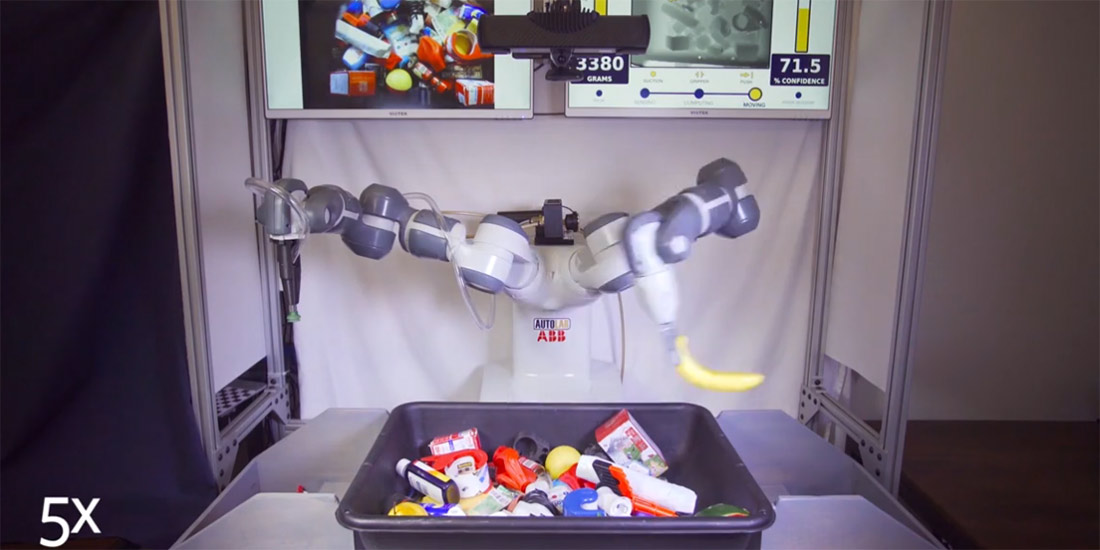
DexNet robot sorting objects

Nimble robot makes strides in dexterity

03/26/18 MIT Tech Review — The latest iteration of Dex-Net, from the lab of robotics professor Ken Goldberg, could sort through your junk drawer with unrivaled speed and skill, using machine learning to determine how to pick up even odd-looking objects with incredible efficiency.
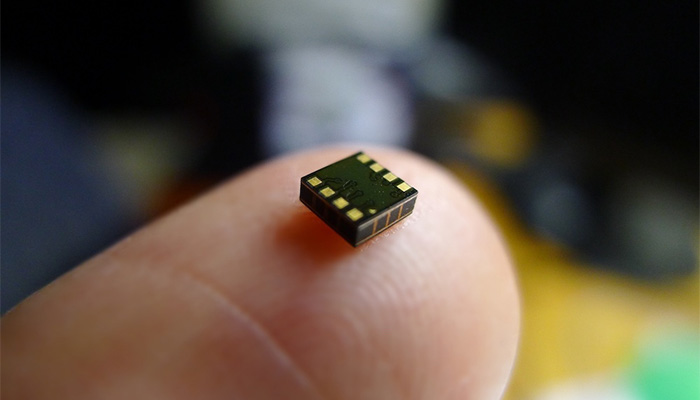
Chirp Microsystems

Chirp Microsystems acquired

03/23/18 — Chirp Microsystems, a startup enabled with technology developed at UC Davis and UC Berkeley, has been acquired by Japanese electronics giant TDK Corporation. Based in Berkeley, Chirp Microsystems makes tiny, ultra-low power sensors that function like sonar or echolocation. The micro-electromechanical systems (MEMS) technology enables extremely precise sensing and has applications in drones, robots, vehicles, smart home products, augmented reality and virtual reality systems.
  • « Go to Previous Page
  • Go to page 1
  • Interim pages omitted …
  • Go to page 56
  • Go to page 57
  • Go to page 58
  • Go to page 59
  • Go to page 60
  • Interim pages omitted …
  • Go to page 144
  • Go to Next Page »
  • Contact
  • Give
  • Privacy
  • UC Berkeley
  • Accessibility
  • Nondiscrimination
  • instagram
  • X logo
  • linkedin
  • facebook
  • youtube
  • bluesky
© 2025 UC Regents