03/08/19 Bloomberg Businessweek — Interest in combined programs that allow students to earn a degree in both engineering and business - like Berkeley's Management, Entrepreneurship, & Technology (MET) program - is increasing among students and prospective employers.
01/29/19 — UC Berkeley is launching a new blockchain-focused accelerator. The Berkeley Blockchain Xcelerator will help entrepreneurs pursue ventures in the blockchain space, tap into the vast resources of the campus and Silicon Valley, and receive expert industry guidance to create high-value blockchain startups.
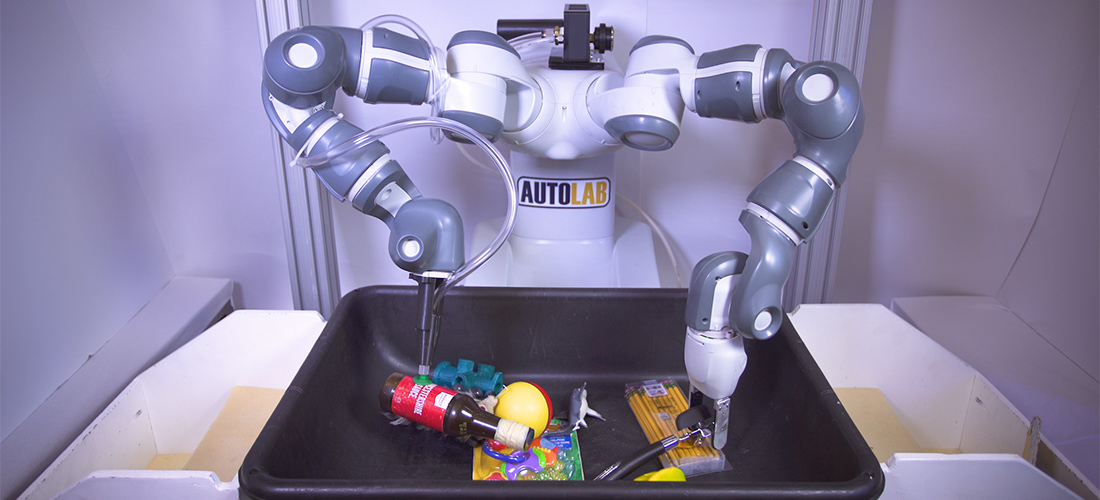
01/16/19 — In a new paper, Berkeley engineers build on 35 years of research with new algorithms that compute robust robot pick points, enabling robot grasping of a diverse range of products without training.
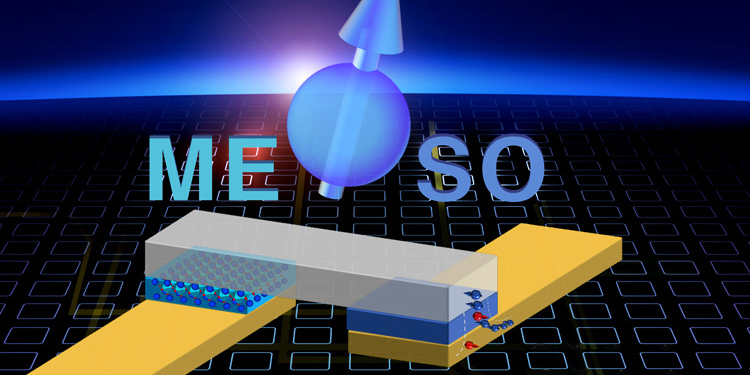
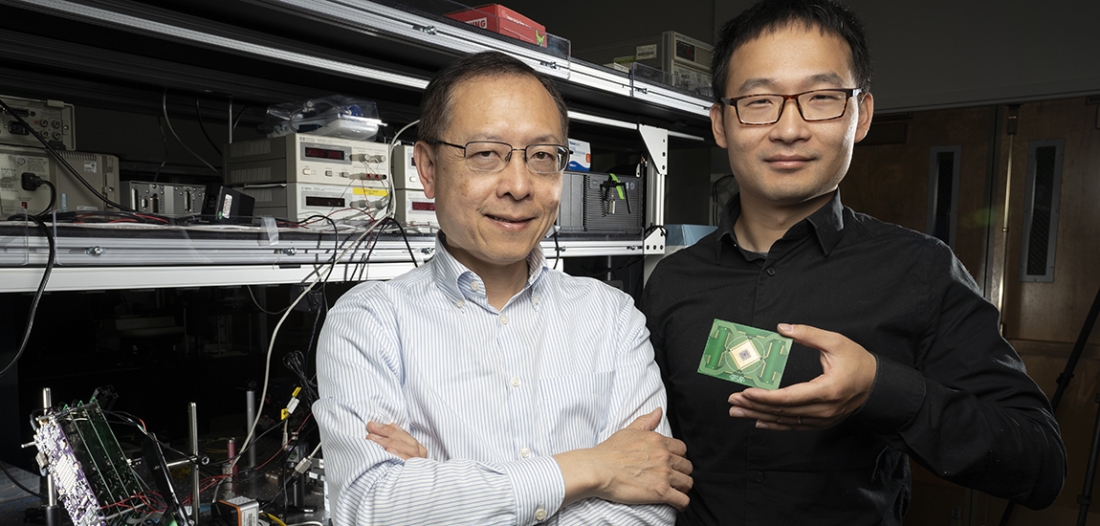
12/03/18 — Researchers from Intel Corp. and UC Berkeley's MSE are looking beyond current transistor technology and preparing the way for a new type of memory and logic circuit that could someday be in every computer on the planet.
11/16/18 New York Times — A visit to Cal Hacks finds that for many young engineers, including Berkeley computer science students, the stigma of working for Facebook is beginning to outweigh the financial and other benefits.
10/19/18 SF Chronicle — Data science is one of the fastest-growing fields of study at Berkeley, but the field is in such demand that jobs far outstrip the supply of graduates in the Bay Area
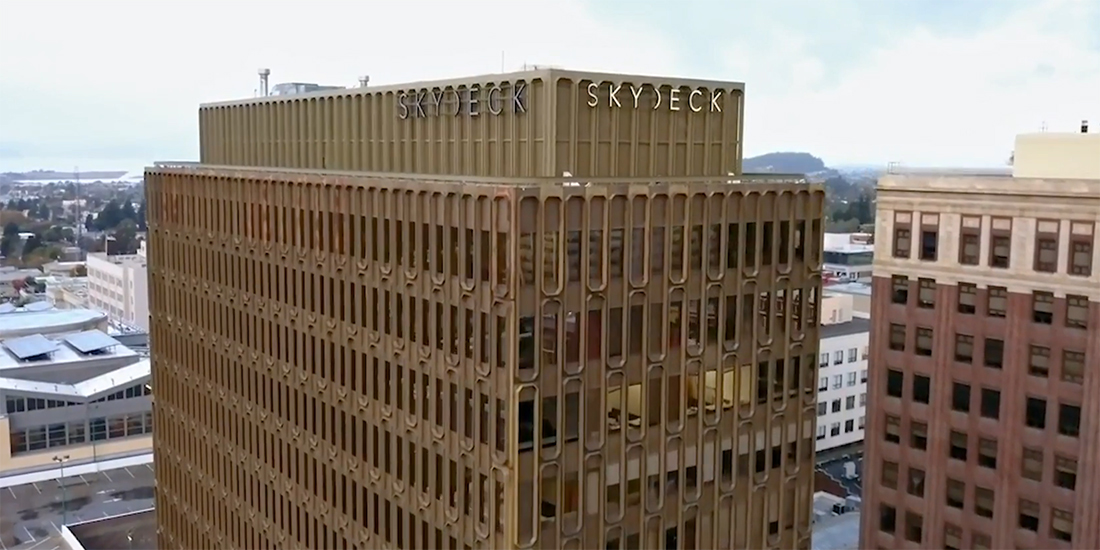
06/11/18 TechCrunch — TechCrunch profiles SkyDeck, the UC Berkeley tech incubator that has developed an acceleration program to launch a series of successful startups, including Chirpo, LimeBike and Kiwi.
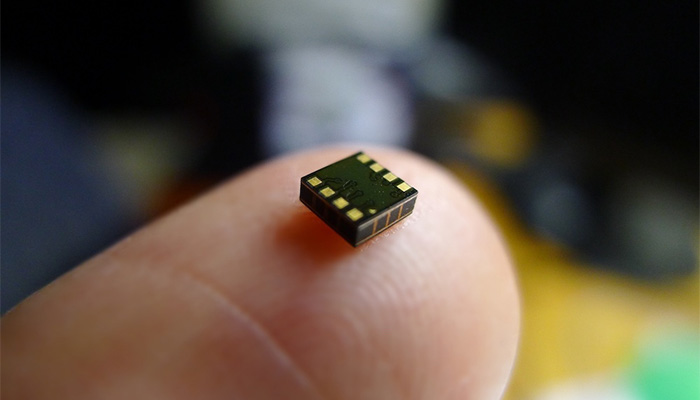
03/23/18 — Chirp Microsystems, a startup enabled with technology developed at UC Davis and UC Berkeley, has been acquired by Japanese electronics giant TDK Corporation. Based in Berkeley, Chirp Microsystems makes tiny, ultra-low power sensors that function like sonar or echolocation. The micro-electromechanical systems (MEMS) technology enables extremely precise sensing and has applications in drones, robots, vehicles, smart home products, augmented reality and virtual reality systems.
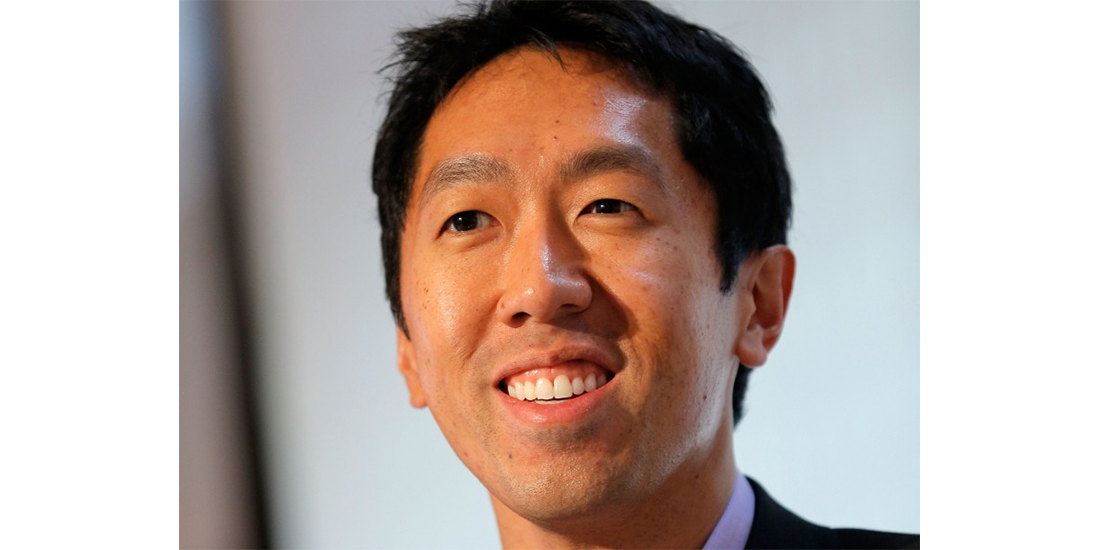
12/18/17 MIT Tech Review — Artificial intelligence expert and Berkeley Engineering alum Andrew Ng (Ph.D.'03 EECS) is on a mission to AI-ify manufacturing, starting with partners like Foxconn.
12/12/17 — Berkeley has announced promising early results from a $2.2 million state-funded grant, which has helped the campus, already a global hub for innovation, to expand its entrepreneurship activities with new facilities, courses and programs.
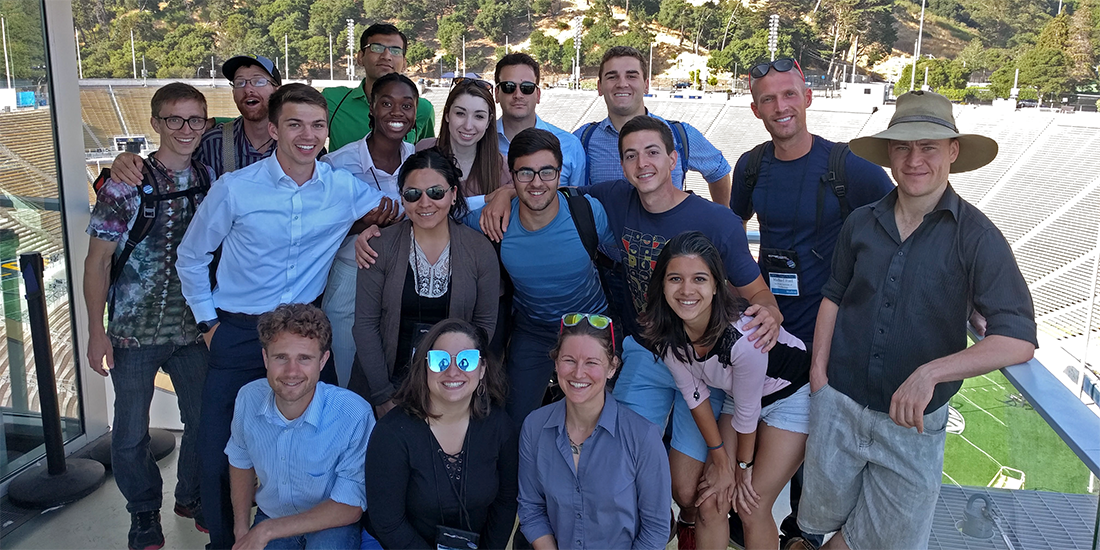
08/24/17 — Two dozen students from all over the world gathered at Berkeley for two weeks over the summer to discuss, plan and help start building a new nuclear energy sector. The students, along with professional mentors and speakers, were part of the 2017 Nuclear Innovation Boot Camp.
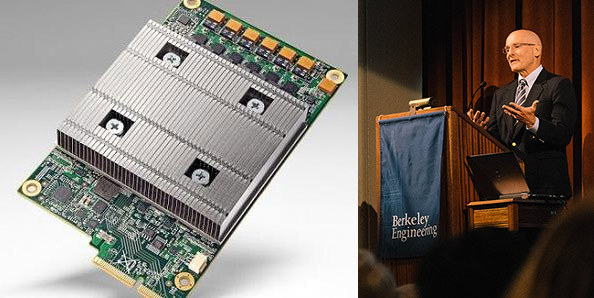
05/08/17 CNBC — Less than a year after retiring from 40 years at Berkeley Engineering, legendary EECS professor David Paterson is now a key part of the team behind a critical chip that Google uses for artificial intelligence processing.
05/03/17 Business Insider — Silicon Valley tech firms hire more alumni from UC Berkeley than any other school, including Stanford and the Ivy League, according to a new analysis from online recruiting company HiringSolved.
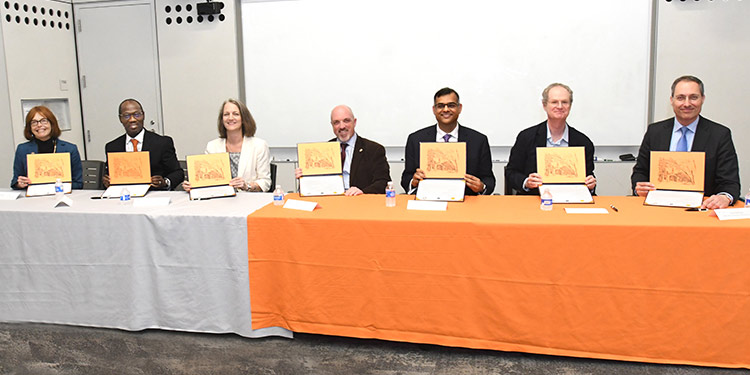
03/15/17 — UC Berkeley's Energy Biosciences Institute has entered into a five-year, multimillion dollar research agreement with Shell International Exploration and Production Inc. to fund research that meets the growing demand for energy in ways that are economically, environmentally and socially responsible.
03/14/17 — A gift from the entertainment virtual reality company Immerex will outfit a new lab for Berkeley's accelerating work in AR/VR, from training doctors to enhancing artistic performances.
01/25/17 — Berkeley Engineering is a key partner in the new $253 million Advanced Robotics Manufacturing Innovation Hub, launched this month by the Department of Defense to create and deploy next-generation robotic technology.
01/04/17 New York Times — Clean tech companies are aiming for a comeback in their quest to use genetic editing to make industrial chemicals. Among them is Lygos, spun out of Berkeley bioengineering in 2011 to create malonic acid from yeast (instead of the usual cyanide) for use in fragrances and cosmetics.