• Skip to main content
  • Skip to primary navigation
  • Departments
    • Bioengineering
    • Civil and Environmental Engineering
    • Electrical Engineering and Computer Sciences
    • Industrial Engineering and Operations Research
    • Materials Science and Engineering
    • Mechanical Engineering
    • Nuclear Engineering
    • Aerospace program
    • Engineering Science program
  • News
    • Berkeley Engineer magazine
    • Social media
    • News videos
    • News digest (email)
    • Press kit
  • Events
    • Cal Day
    • Commencement
    • Events calendar
    • Engineering Ethics workshop
    • Homecoming
    • Kuh Lecture Series
    • Minner Lecture
    • Space reservations
    • View from the Top
  • College directory
  • For staff & faculty
Berkeley Engineering

Berkeley Engineering

Educating leaders. Creating knowledge. Serving society.

  • About
    • Facts & figures
    • Rankings
    • Mission & values
    • Equity & inclusion
    • Voices of Berkeley Engineering
    • Leadership team
    • Milestones
    • Buildings & facilities
    • Maps
  • Admissions
    • Undergraduate admissions
    • Graduate admissions
    • New students
    • Visit
    • Maps
    • Admissions events
    • K-12 outreach
  • Academics
    • Undergraduate programs
    • Majors & minors
    • Undergraduate Guide
    • Graduate programs
    • Graduate Guide
    • Innovation & entrepreneurship
    • Kresge Engineering Library
    • International programs
    • Executive education
  • Students
    • New students
    • Advising & counseling
    • ESS programs
    • CAEE academic support
    • Grad student services
    • Student life
    • Wellness & inclusion
    • Undergraduate Guide
    • > Degree requirements
    • > Policies & procedures
    • Forms & petitions
    • Resources
  • Research & faculty
    • Centers & institutes
    • Undergrad research
    • Faculty
    • Sustainability and resiliency
  • Connect
    • Alumni
    • Industry
    • Give
    • Stay in touch
Home > News

Research

March of the ‘zombie vortices’

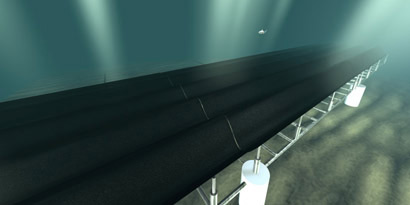
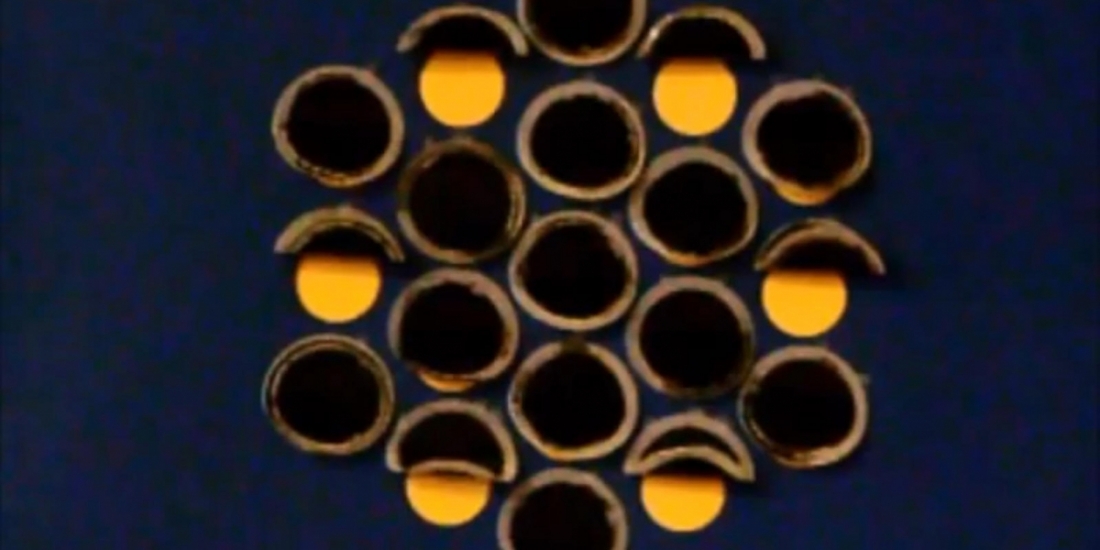
09/11/13 — A team led by Philip Marcus, a mechanical engineering professor and computational physicist, shows how variations in gas density lead to instability, which then generates the whirlpool-like vortices needed for stars to form. According to the researchers' models, the change in density is what triggers the violent birth of a new star, upending an otherwise stable dead zone of gas-or what Marcus calls ‘zombie vortices'

Cypriot BioE student receives HHMI award

09/11/13 — Elena Kassianidou left her home to come study in the United States seven years ago. Now pursuing a Ph.D. in bioengineering at Berkeley, she recently became the first student from Cyprus - and the first Berkeley-UCSF bioengineering student - to be awarded the Howard Hughes Medical Institute's (HHMI) prestigious International Predoctoral Fellowship.

Academic-industrial team to uncover innovations in systems engineering

05/30/13 iCyPhy — UC Berkeley has partnered with Caltech, IBM and United Technologies Corp. to launch Industrial Cyber Physical Systems (iCyPhy), a Berkeley-based research consortium that will identify and develop new engineering techniques to make it easier to successfully build products and services that combine complex software, hardware and mechanical components.

Oxford-bound

05/13/13 — Graduating senior Daniel A. Price, a double major in bioengineering and electrical engineering and computer sciences with a minor in physics, was selected as one of this year's Rhodes Scholars. Next fall at Oxford University, Price will pursue research in medical diagnostic equipment. Here he tells us more about his studies, his research and future plans.

Engineering benchmarks for cap-and-trade

05/01/13 — The Mechanical Engineering Laboratory for Manufacturing and Sustainability is helping the California Air Resources Board to develop methodologies for determining CO2 allocations for companies to help reduce the state's overall CO2 emissions to 1990 levels by 2020.
Gregory McLaskey

To a fault

05/01/13 — Civil engineers have found that determining how long a fault has healed between seismic events help them predict the type of shaking that will occur when it ruptures again.
Robert Ritchie and Hrishikesh Bale

A hot spot

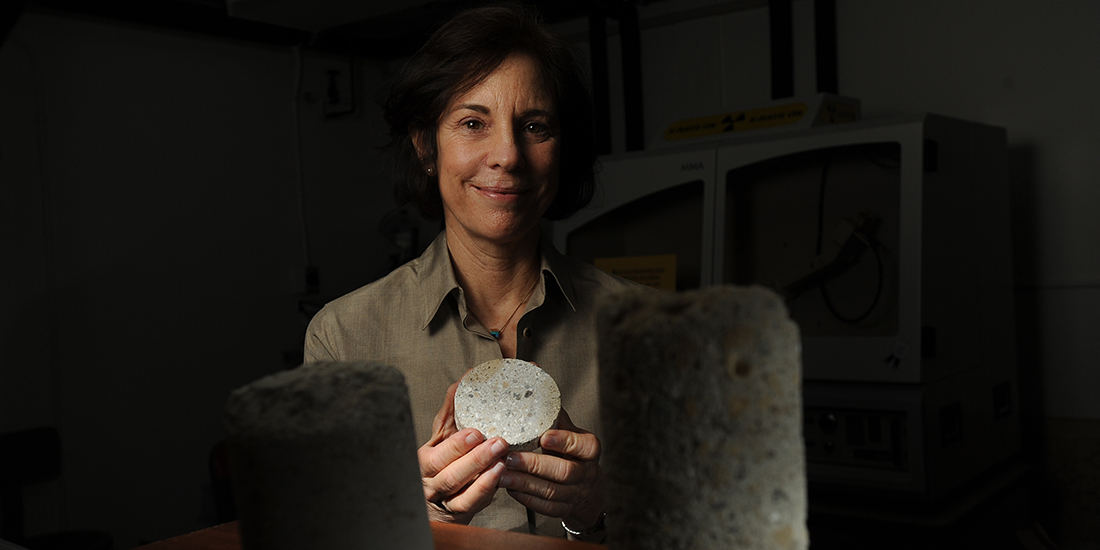
05/01/13 — Led by engineering professor Robert Ritchie, researchers have created a facility where scientists can test ceramic composites at extremely high temperatures.

Mind readers

05/01/13 — Researchers were able to infer sensitive information—such as credit card PINs, birth months and home locations—from participants wearing brainwave-reading headsets that are typically used for hands-free gaming.

Everlasting clock

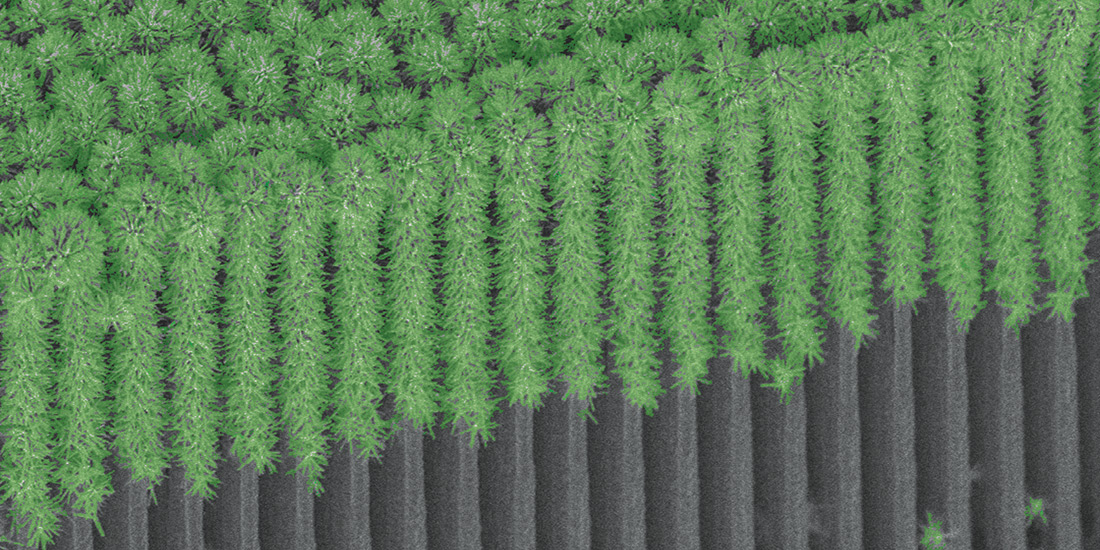
05/01/13 — An eternal clock that would always keep accurate time, even after the heat-death of the universe, is no longer just an intriguing concept, thanks to a team of scientists, led by ME professor Xiang Zhang.
Civil and Environmental Engineering lab

Experiential ed.

05/01/13 — Many hands-on labs, shops and workspaces around campus allow students to learn by doing.

Paris, San Francisco choose Inria and CITRIS to conduct ‘smart city’ research

04/05/13 CITRIS — The mayors of Paris and San Francisco recently signed an agreement focusing on the digital economy and smart cities, and designated France's Inria (National Institute for Research in Computer Science and Control) and UC's CITRIS (Center for Information Technology Research in the Interest of Society) to carry out joint research on the topic.

Computers that can identify you by your thoughts

04/05/13 I-School — Instead of typing your password, in the future you may only have to think it, according to a study by School of Information researchers and an EECS undergrad that explores the feasibility of brainwave-based computer authentication.

Beyond genomics – mining the proteome

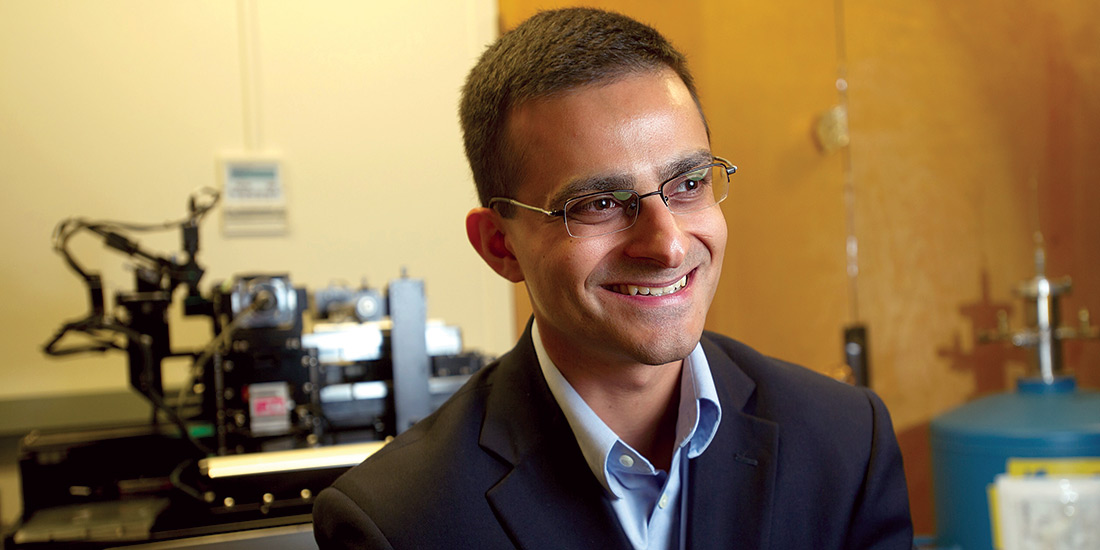
04/03/13 Berkeley Research — Amy Herr, associate professor of bioengineering and a 2013 Bakar Fellow, is on the front lines of proteomics research – the ambitious effort to determine the variety and function of all human proteins.

Mind over matter

03/26/13 Berkeley Research — Neuroengineer Jose Carmena and bioengineer Michel Maharbiz do research in BMI, an emerging technology for retraining the brain to operate a prosthetic device such as an artificial limb. They are supported by the campus's new Bakar Fellows Program, which helps early-career faculty pursue innovative research with commercial potential.

Simulations yield clues to how cells interact with surroundings

03/22/13 Berkeley Lab — Cells interact constantly with their surroundings, but it's very difficult to observe the main player in this interaction – a protein called integrin. Mohammad Mofrad, associate professor of bioengineering and mechanical engineering, and bioengineering graduate student Mehrdad Mehrbod have developed a computer model of integrin that gives researchers a new way to explore how the protein connects a cell's inner and outer environments.

Researchers use metamaterials to observe giant photonic spin Hall effect

03/22/13 Berkeley Lab — Engineering a unique metamaterial of gold nanoantennas, Berkeley Lab researchers, led by Berkeley mechanical engineering professor Xiang Zhang, were able to obtain the strongest signal yet of the photonic spin Hall effect, an optical phenomenon of quantum mechanics that could play a prominent role in the future of computing.

BIOFAB engineers cooperate to establish precision grammar for programming cells

03/22/13 SynBERC — Researchers at BIOFAB, a collaboration among academia, industry and government, have created a professional-grade collection of public domain DNA parts, in effect establishing rules for the first language for engineering gene expression and greatly increasing the reliability and precision by which biology can be engineered. Bioengineering professor Adam Arkin is BIOFAB's co-director.

Connected Corridors aims to boost efficiency of existing roads

03/18/13 Berkeley Research — Connected Corridors, a project led by engineering professors Alex Bayen and Roberto Horowitz, is developing technologies to help Caltrans gather and analyze traffic data. A goal of the research: to make existing roadways more efficient, rather than launching new highway-construction projects.

Compressing breast cancer

02/07/13 — Berkeley engineers, in collaboration with scientists from Lawrence Berkeley National Laboratory, have put the squeeze - literally - on malignant mammary cells to guide them back into a normal growth pattern. The work, led by bioengineering professor Daniel Fletcher, shows for the first time that mechanical forces alone can stop the out-of-control growth of cancer cells.

A new loo

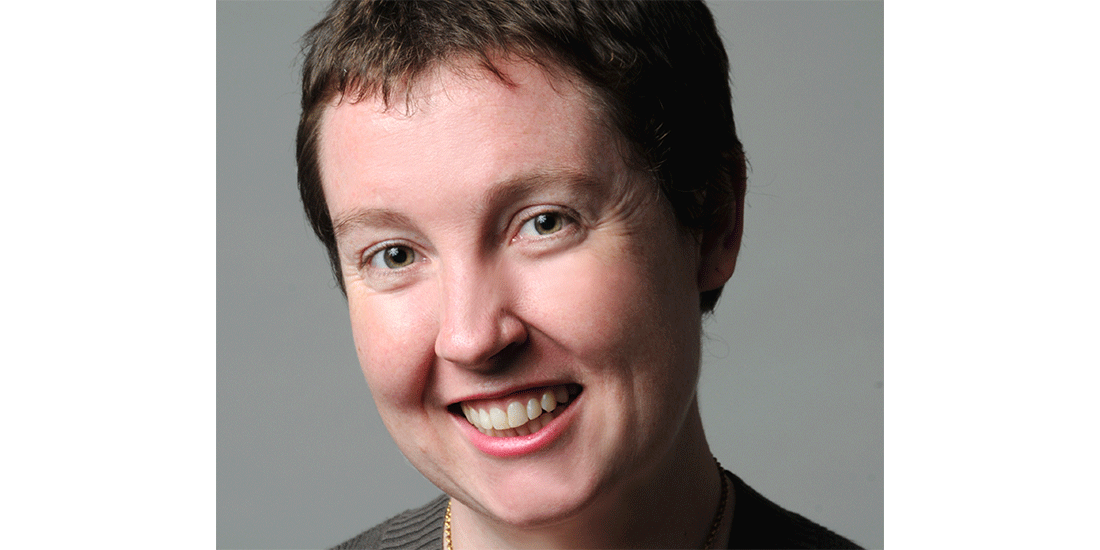
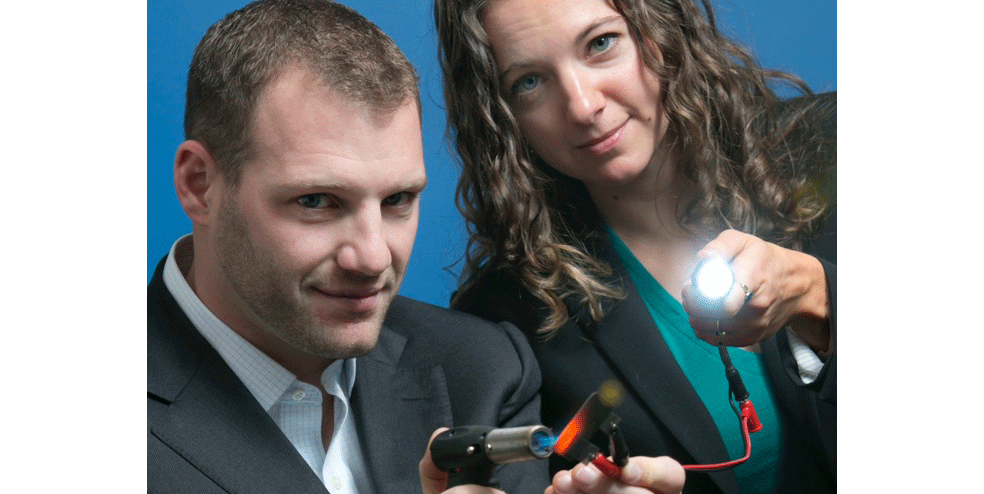
02/07/13 — Answering a challenge from the Bill and Melinda Gates Foundation to improve sanitation in developing countries, environmental engineering professor Kara Nelson and postdoctoral researcher Temitope Ogunyoku have developed a toilet that safely disinfects waste. Their hand-cranked pHree Loo yields “safe sludge” that does not endanger human health.
  • « Go to Previous Page
  • Go to page 1
  • Interim pages omitted …
  • Go to page 29
  • Go to page 30
  • Go to page 31
  • Go to page 32
  • Go to page 33
  • Go to page 34
  • Go to Next Page »
  • Contact
  • Give
  • Privacy
  • UC Berkeley
  • Accessibility
  • Nondiscrimination
  • instagram
  • X logo
  • linkedin
  • facebook
  • youtube
  • bluesky
© 2026 UC Regents